Understanding the Connectivity Landscape in Israel
Planning a trip to Israel involves a checklist of logistics, from booking accommodations to mapping out historical sites. Among these, staying connected is arguably the most important. Whether you are navigating the bustling markets of Tel Aviv, finding your way through the narrow streets of Jerusalem’s Old City, or checking bus schedules to reach the Dead Sea, having reliable internet access is essential.
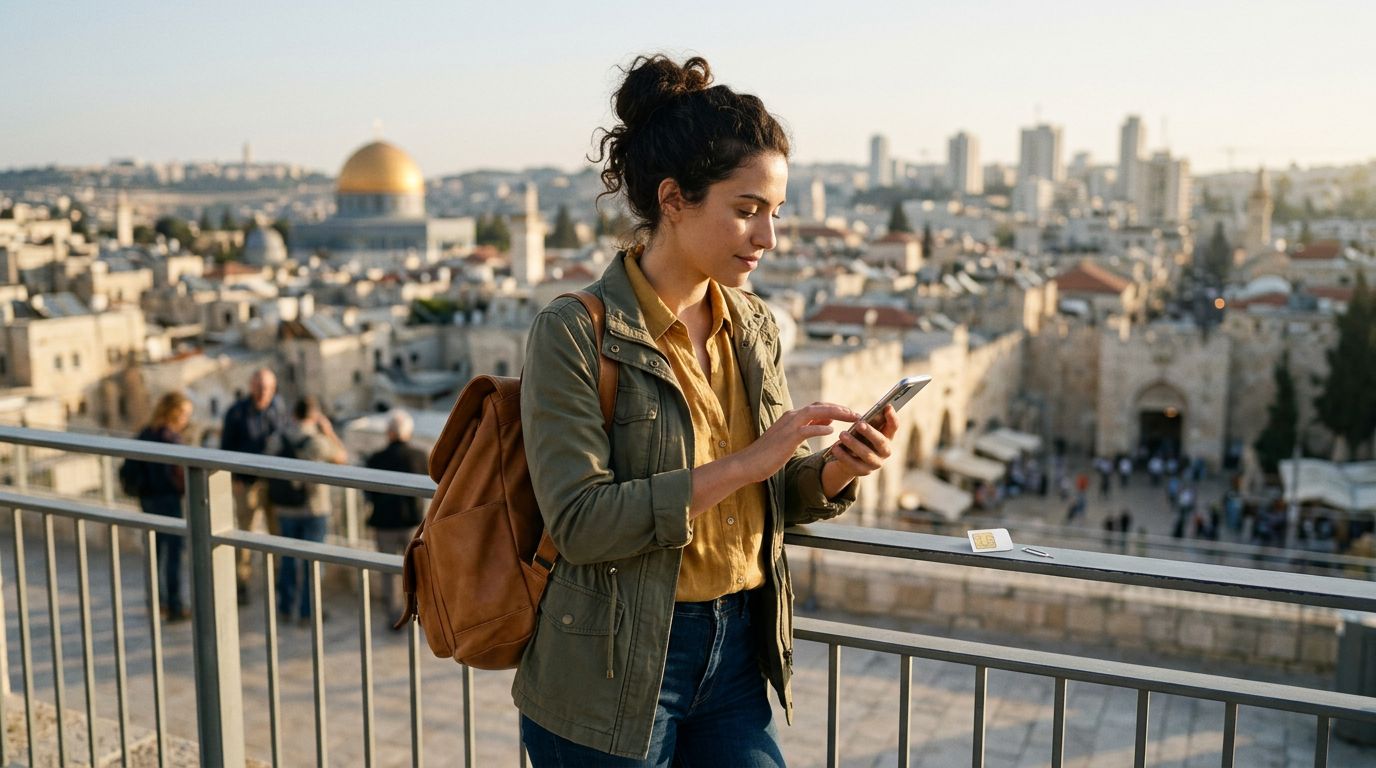
When travelers compare an Israel SIM card vs eSIM, they are essentially choosing between a traditional physical approach and a modern, digital-first solution. Historically, travelers would land at Ben Gurion Airport, head to a kiosk, and swap out their home SIM card for a local physical one. While this method remains a staple for many, it comes with the inconvenience of handling tiny hardware pieces and the risk of losing your original SIM card.
An eSIM, or embedded SIM, changes this dynamic entirely. It is a digital version of a SIM card that is built directly into the hardware of modern smartphones. Instead of physically inserting a chip, you simply download a profile to your device. This technology allows you to switch carriers or add a travel data plan without ever touching your phone’s SIM tray. For those visiting Israel, this shift toward digital connectivity offers a streamlined experience that fits perfectly with the needs of a modern traveler.
Comparing Physical SIM Cards and eSIMs
The primary difference between a physical SIM card and an eSIM lies in the installation process and convenience. A physical SIM card requires you to open your phone, remove your existing card, and insert a new one. This process is prone to errors, such as dropping the small card or misplacing your home SIM, which is vital for receiving important texts or calls from back home. Furthermore, finding a shop that sells physical SIM cards can sometimes be time-consuming, especially if you arrive late at night or during the Sabbath when many businesses in Israel close.
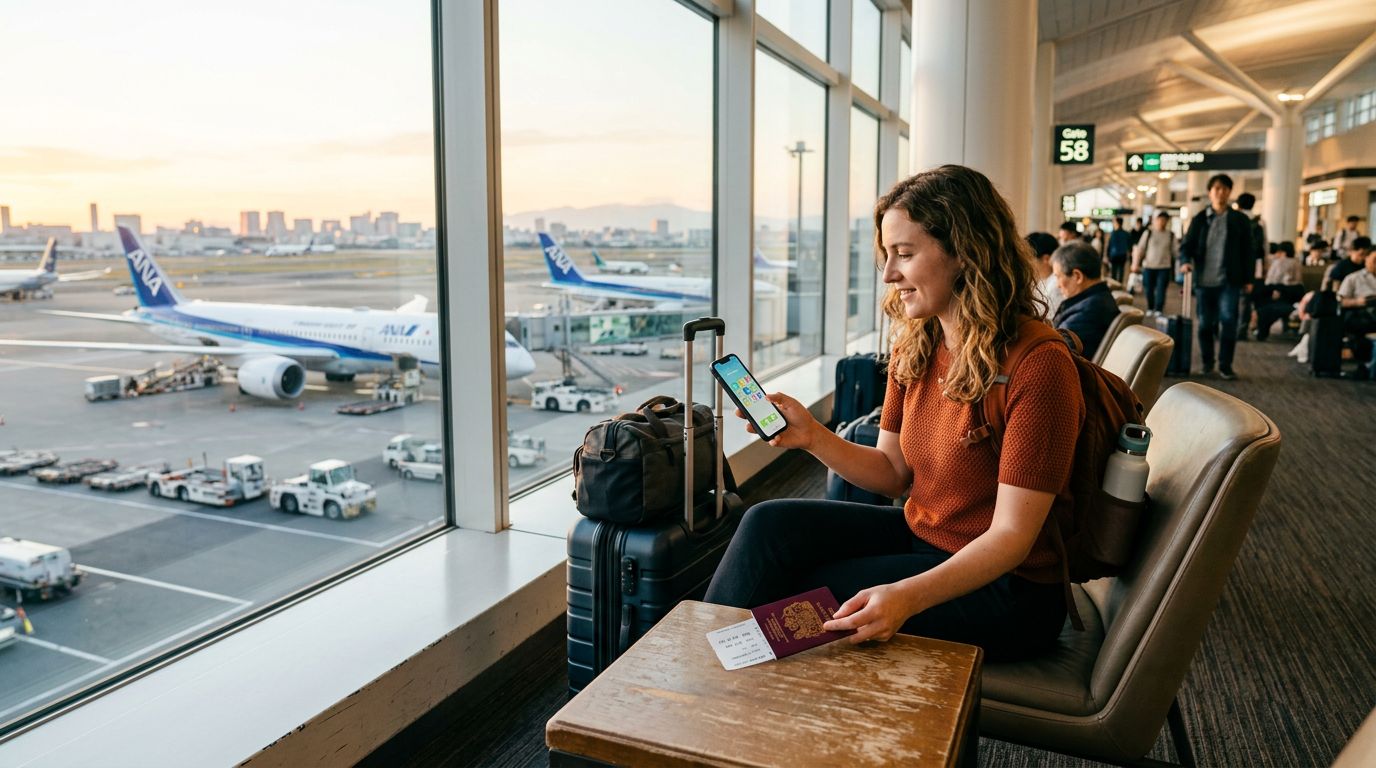
On the other hand, an eSIM allows you to set up your connection before you even board your flight. With a provider like OneTapSIM, the process is designed to be straightforward. You receive a digital profile, scan a QR code or enter activation details, and your phone is ready to connect the moment you land. Because the eSIM is software-based, you can keep your primary SIM card active in your phone simultaneously. This means you can continue to receive essential messages or calls on your home number while using your eSIM for high-speed data, avoiding the need to juggle multiple plastic cards.
Another factor to consider is device compatibility. While physical SIM cards work on virtually every phone manufactured in the last two decades, eSIM technology is specific to newer models. Most flagship smartphones released in the last few years support this feature. It is always wise to check your device’s settings or consult the manufacturer’s support pages to ensure your phone is unlocked and eSIM-ready before you depart. If your phone is locked to a specific carrier, you will need to contact your provider to have it unlocked before you can use any travel SIM or eSIM solution.
Why Travelers Are Choosing eSIMs for Israel
The shift toward eSIMs is driven by the desire for efficiency. When you land in a foreign country, the last thing you want to do is stand in a long queue at an airport kiosk. By choosing an eSIM, you bypass the physical retail experience entirely. You gain immediate access to local data networks, allowing you to use ride-sharing apps, translation tools, and map services the second you step off the plane.
Beyond convenience, there is the aspect of environmental impact and hardware safety. Physical SIM cards rely on plastic production and shipping, whereas eSIMs are entirely digital. Additionally, you avoid the wear and tear on your phone’s SIM tray. Repeatedly opening your phone to swap cards can eventually damage the delicate hardware or the water-resistant seals on modern devices. By using an eSIM, you keep your phone’s internal components undisturbed.
Flexibility is another major advantage. If you are traveling through multiple countries or extending your stay in Israel, managing your data is much simpler with an eSIM. You can manage your plans through an app or a web portal, often adding more data or extending your coverage without having to find a physical store. For those who prioritize a stress-free travel experience, the digital nature of an eSIM provides peace of mind. You are not reliant on store hours, language barriers at a retail counter, or the availability of specific physical inventory.
Ultimately, the choice between an Israel SIM card vs eSIM depends on your device and your personal preference for handling technology. If you own a modern, unlocked smartphone, the eSIM route provides a level of freedom and seamless integration that traditional physical cards simply cannot match. By preparing your connection ahead of time, you ensure that your focus remains on the rich history, vibrant culture, and stunning landscapes of Israel rather than on technical troubleshooting. Whether you are wandering through the Baháʼí Gardens or exploring the desert landscapes of the Negev, having a reliable, pre-installed data plan ensures you are always connected when it matters most.
Obtenez une eSIM pour
Des forfaits pour les destinations de ce guide, livrés instantanément par QR.