Essential Tools for Finding Your Way in Burkina Faso
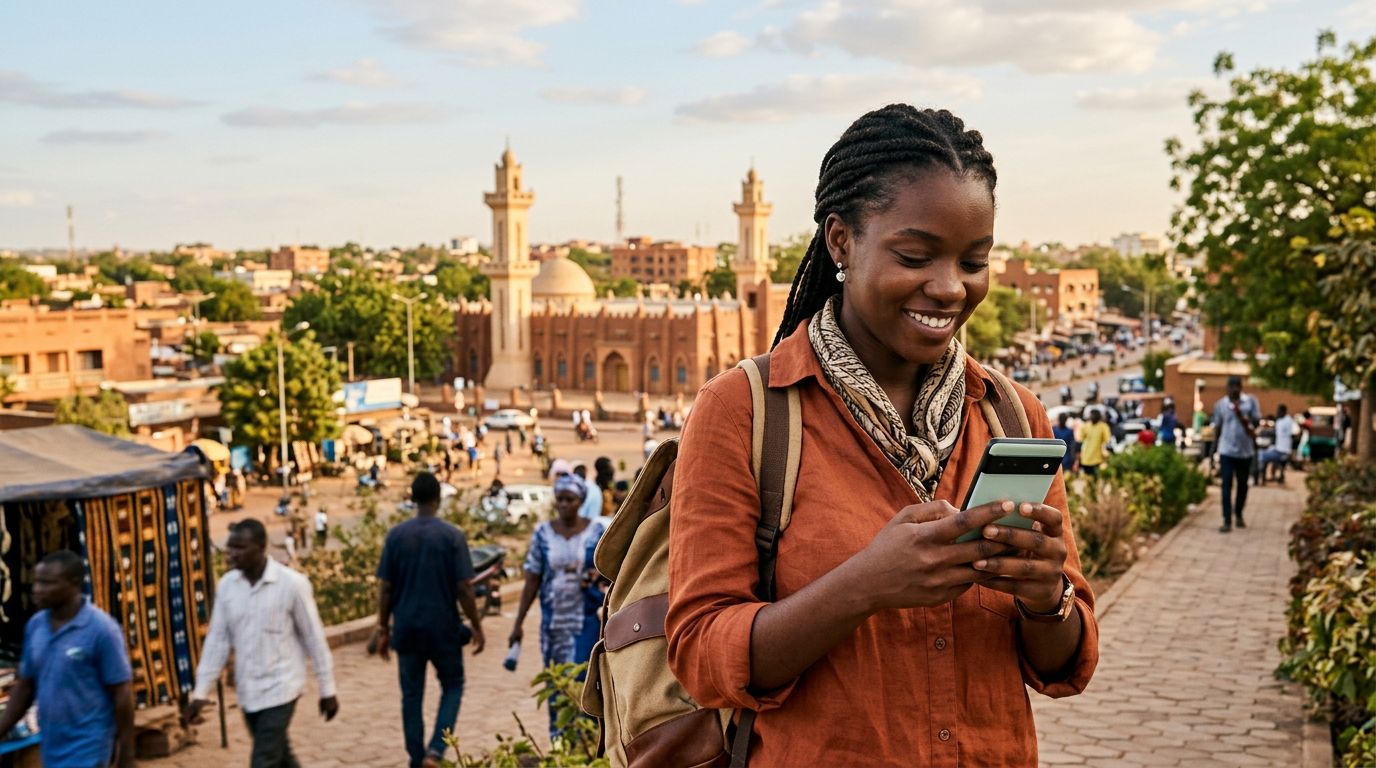
Traveling through Burkina Faso offers a unique experience, from the vibrant markets of Ouagadougou to the stunning natural landscapes of the Banfora region. However, moving across such a diverse landscape requires reliable navigation. Unlike countries with ubiquitous high-speed street-view mapping, Burkina Faso relies heavily on a mix of main arterial roads and smaller, often unmapped, rural paths. Having the right digital tools on your smartphone is the difference between a smooth journey and getting lost in unfamiliar territory.
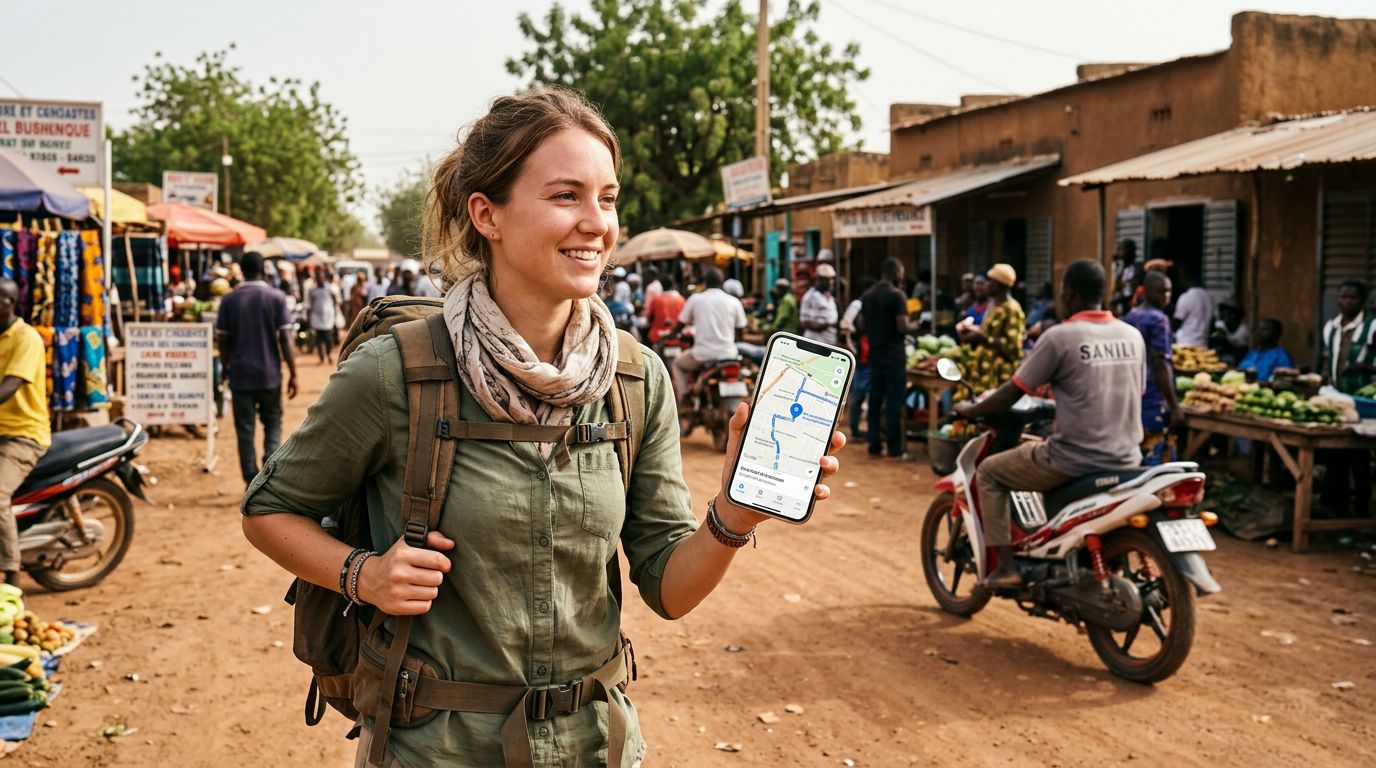
Before you set off, you must ensure your device is equipped with robust offline capabilities. While cellular coverage is expanding, there are vast stretches of the country where signals can be inconsistent. Relying solely on a live data connection is a common mistake for international travelers. By downloading maps ahead of time, you ensure that your GPS remains functional even when you are far from a cell tower.
The most effective approach involves using a combination of global mapping giants and local knowledge. While standard mapping apps provide the backbone of your route, they may not always account for seasonal road conditions or temporary closures. Always cross-reference your digital map with local advice from your accommodation hosts or transportation providers. They often possess insights that satellite imagery simply cannot capture.
Selecting the Right Navigation Apps
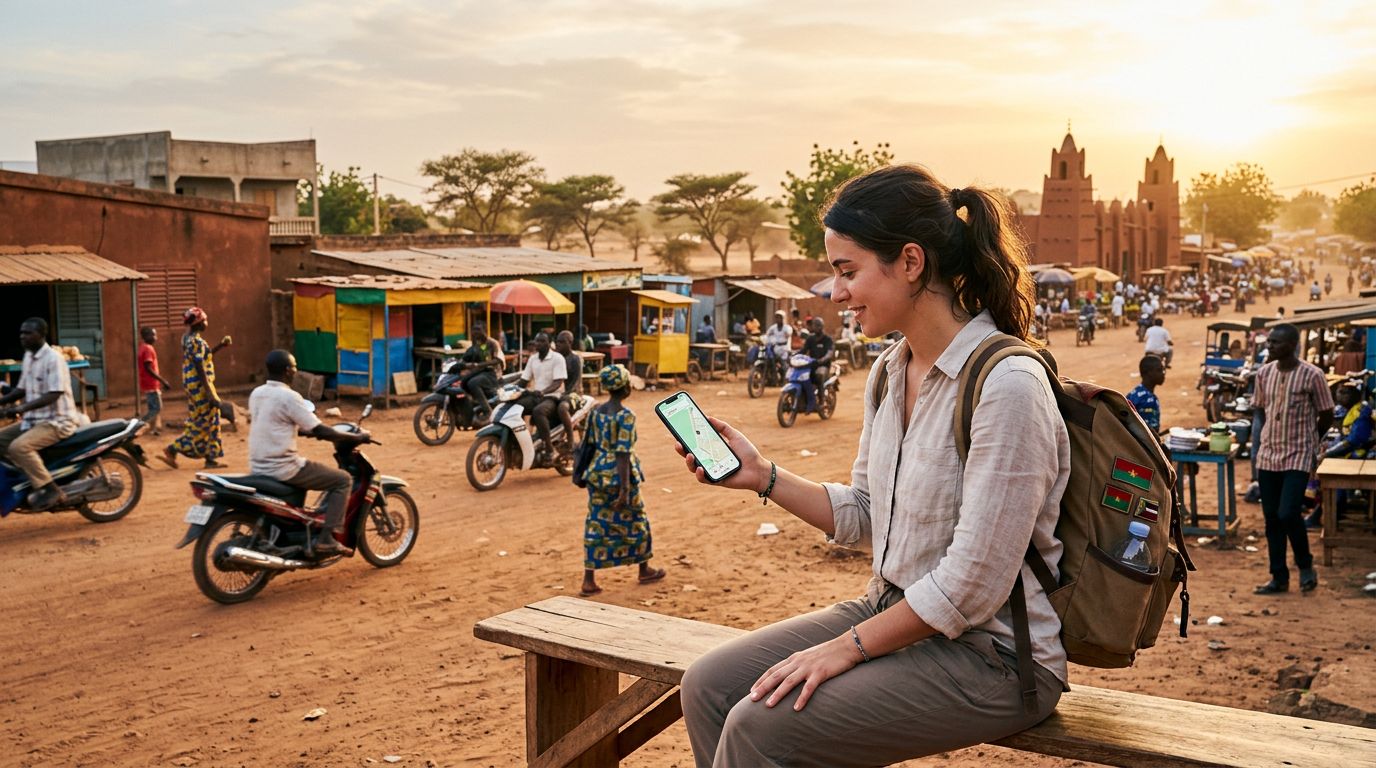
When preparing for your trip, prioritize applications that allow for extensive offline map downloads. Google Maps remains a staple for many travelers because of its massive database of points of interest, such as fuel stations, pharmacies, and hotels. To get the most out of it in Burkina Faso, go to your settings and download the entire region you plan to visit while you are still connected to stable Wi-Fi. This allows you to search for destinations and receive turn-by-turn directions without needing a constant data stream.
For those venturing into more remote areas, such as the parks near the borders, specialized mapping tools like Maps.me or OsmAnd are highly recommended. These apps often feature more detailed trail networks and smaller dirt roads that traditional mapping services might omit. They are built specifically for offline use, meaning they are optimized to preserve battery life while tracking your location via GPS satellites.
Another vital component of your navigation toolkit should be a reliable communication app. If you find yourself needing to ask for directions or clarify a route, having a stable connection is paramount. This is where OneTapSIM becomes a valuable asset for your travels. By installing a travel eSIM, you can maintain a consistent data connection as soon as you land, allowing you to access real-time traffic updates or translate local signage without the stress of hunting for a local physical SIM card or relying on expensive roaming charges from your home provider.
Tips for Reliable Travel and Connectivity
Successful navigation in Burkina Faso is as much about preparation as it is about the software you choose. Beyond the apps themselves, you should consider the physical environment. Heat and intense sunlight can drain smartphone batteries rapidly, especially when GPS is active. Carry a high-capacity power bank to ensure your device stays powered throughout long days of exploration. A phone that dies in the middle of a remote transit is more than an inconvenience; it is a safety risk.
When using your navigation apps, remember that the "fastest" route suggested by an algorithm might not always be the most practical one. In rural Burkina Faso, the quality of roads can change drastically based on recent weather. If you are traveling during the rainy season, some unpaved roads may become impassable. Always look for main routes that are heavily trafficked, as these are more likely to be maintained and offer more opportunities to find help if you encounter a mechanical issue.
Furthermore, keep your software updated. Before you leave home, ensure your operating system and your chosen navigation apps are running the latest versions. This minimizes the risk of software bugs that could crash your app at a critical moment. If you are an iPhone user, check the official resources on apple.com for tips on optimizing your location services, or visit google.com for help with managing offline map storage.
Maintaining connectivity is the final piece of the puzzle. While offline maps are essential, having the ability to check for updates or contact local services is vital for peace of mind. OneTapSIM provides a seamless way to stay connected throughout your journey. By having data ready the moment you arrive, you can immediately download any last-minute map updates or confirm your transport arrangements. This level of readiness allows you to focus on the beauty of the landscape and the warmth of the local culture rather than the anxiety of being disconnected.
Finally, always maintain a sense of situational awareness. Technology is a powerful aid, but it should never replace your own judgment. If a navigation app directs you down a path that looks unsafe or blocked, trust your eyes over the screen. Ask locals for confirmation, keep your devices charged, and keep your navigation tools updated. By combining smart technology with common sense and a reliable data source like OneTapSIM, you can explore Burkina Faso with confidence and ease, ensuring your trip is memorable for all the right reasons.
Obtenez une eSIM pour
Des forfaits pour les destinations de ce guide, livrés instantanément par QR.