The Traditional Airport SIM Experience
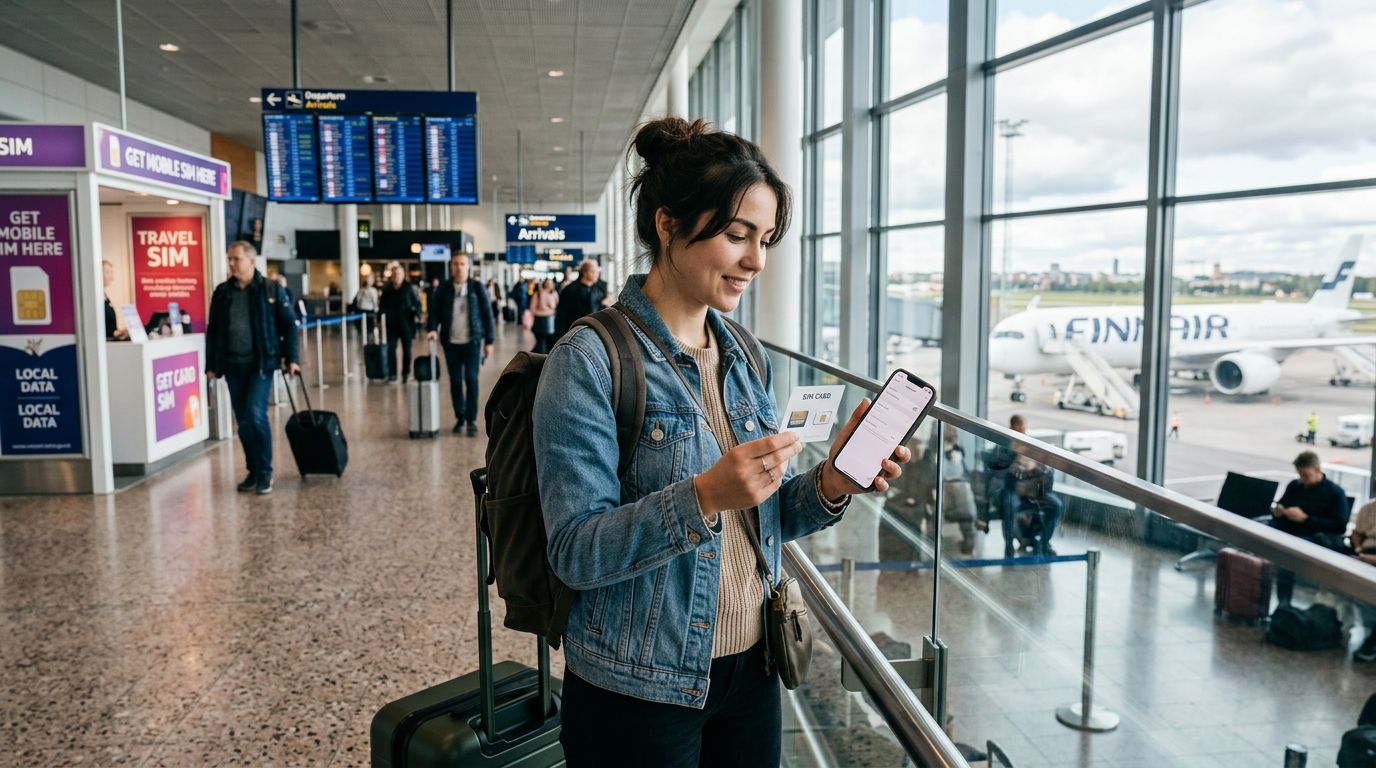
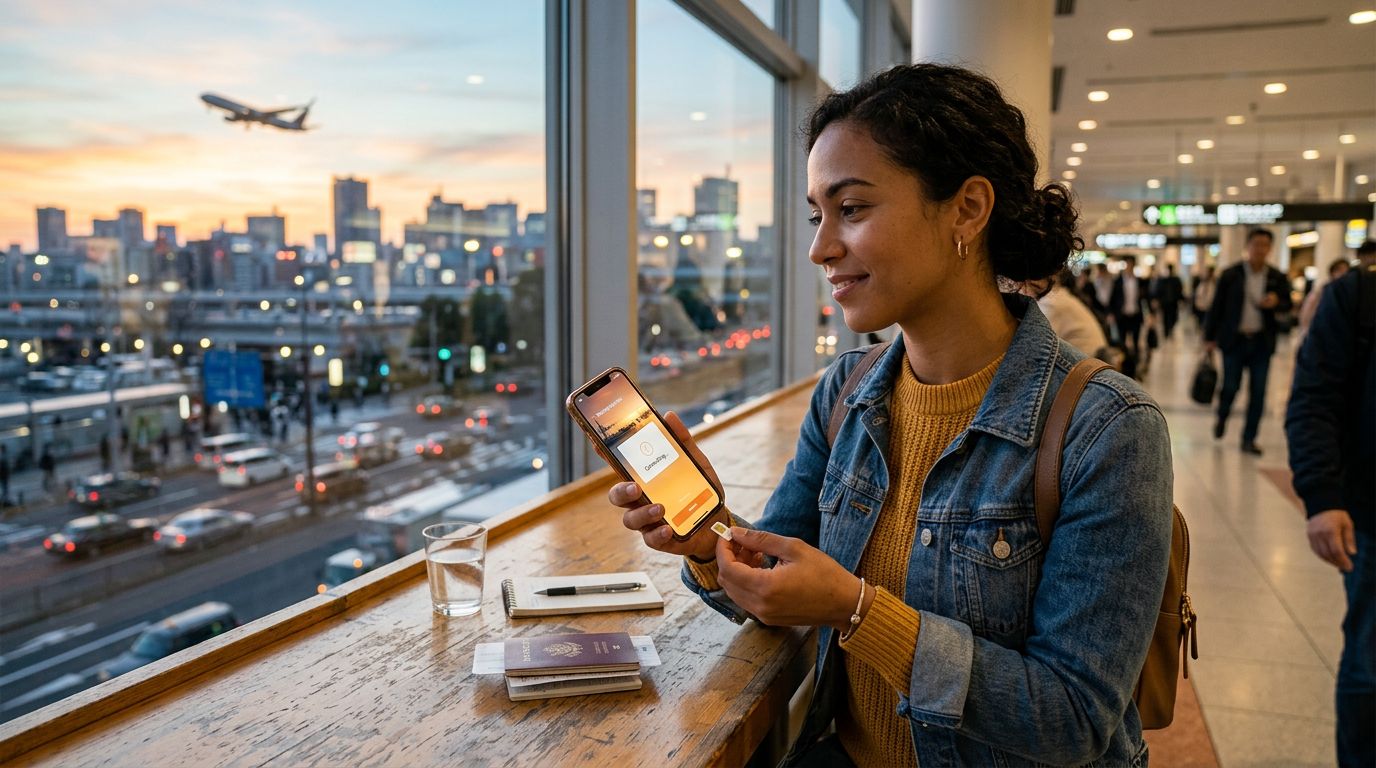
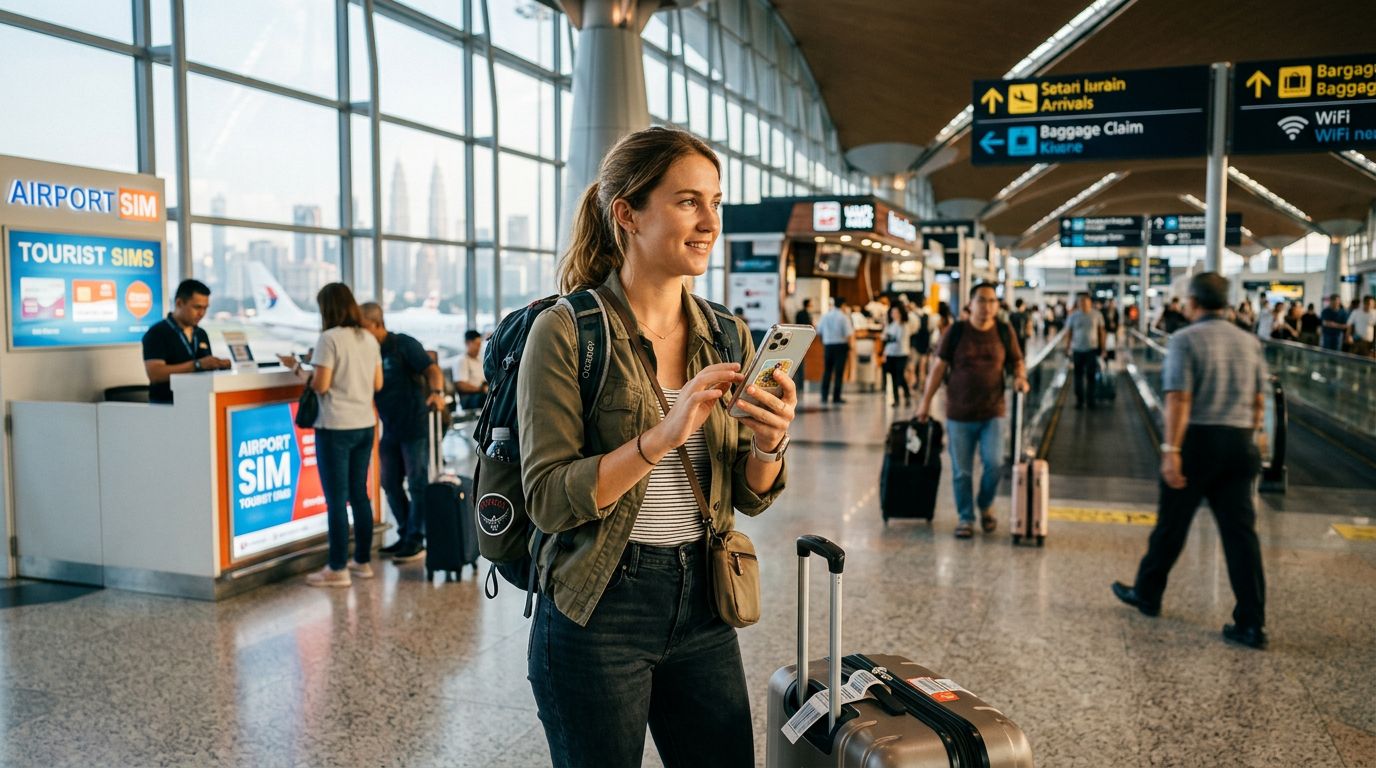
When you land in a new country, the first thing you often notice after clearing customs is a row of brightly lit kiosks selling physical SIM cards. For decades, this has been the standard way for travelers to gain mobile connectivity. You walk up to the counter, present your passport, select a plan, and have a clerk physically swap out your home SIM card for a local one.
There are certain advantages to this method. For travelers who are not tech-savvy, having a human being handle the installation can be reassuring. If there is a technical issue with the network configuration, the clerk is right there to troubleshoot it. Furthermore, some travelers enjoy the tactile nature of holding a physical card, feeling that it provides a tangible connection to the local network.
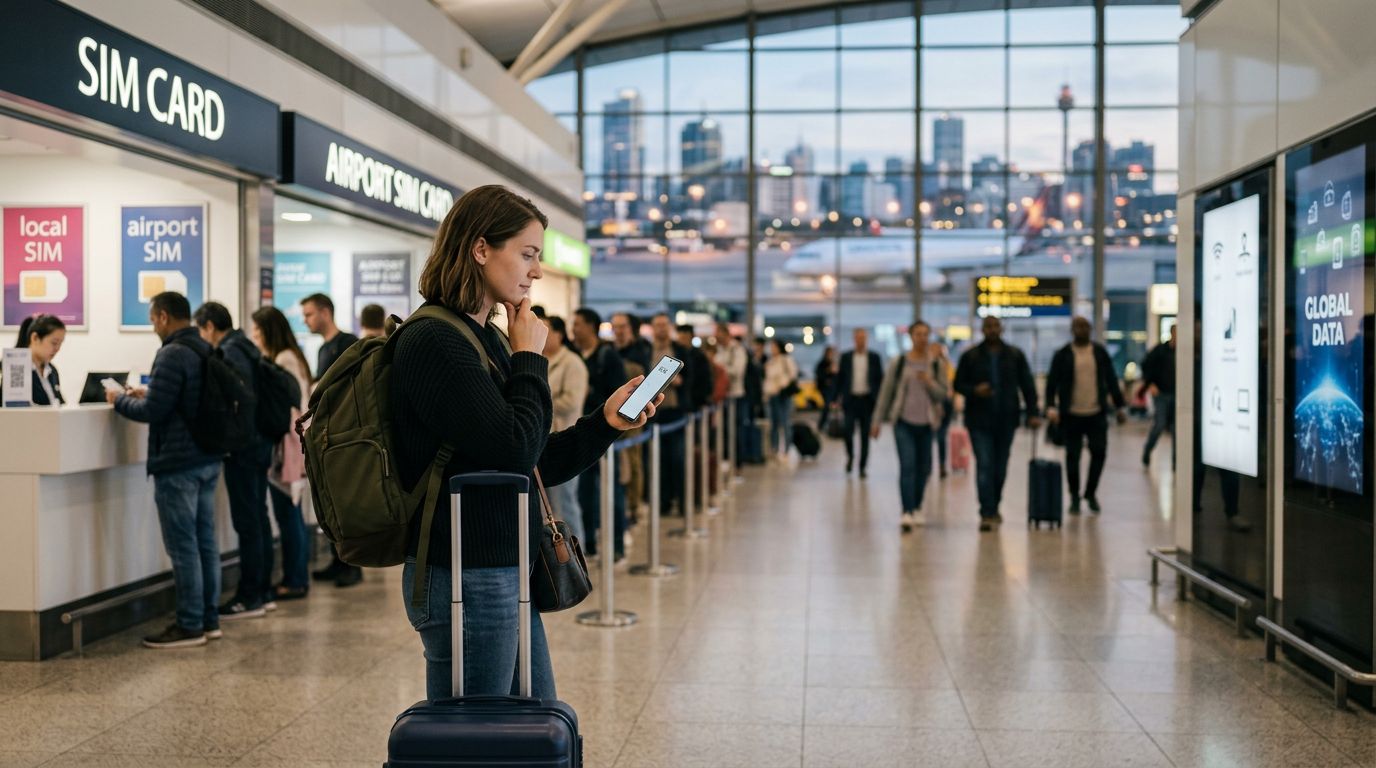
However, the downsides of airport SIM cards are significant. The most obvious issue is the time cost. After a long flight, the last thing most people want to do is stand in a queue at a kiosk. These lines can be unpredictable, sometimes stretching for dozens of people during peak arrival times. Additionally, airport kiosks are notorious for being the most expensive places to purchase mobile data. Because they have a captive audience of weary travelers who need connectivity immediately, they often charge a premium compared to local shops in the city center.
There is also the logistical headache of physical hardware. You must remove your original SIM card and store it somewhere safe. If you lose that tiny piece of plastic, you lose access to your home phone number, which can be a disaster for two-factor authentication codes, banking alerts, or urgent messages from back home. Managing physical cards while juggling luggage and passports is an unnecessary stressor that many travelers would prefer to avoid.
The Rise of eSIM Technology
The emergence of eSIM technology has fundamentally altered how we approach international connectivity. An eSIM, or embedded SIM, is a digital version of the physical card that is built directly into the hardware of modern smartphones. Instead of needing to visit a physical store or swap out a tray, you simply download a profile to your device.
The primary benefit of an eSIM is convenience. You can set up your data plan weeks before you even leave your house. By the time your plane touches down, you simply switch on your data roaming for the eSIM profile, and you are connected to the internet instantly. This eliminates the need to hunt for a kiosk, wait in line, or fumble with a SIM ejector tool while sitting on your suitcase in the arrivals hall.
Another major advantage is the ability to keep your home SIM active. With an eSIM, your phone can often maintain two active lines simultaneously. This means you can continue to receive calls and texts on your primary number while using your eSIM for data-heavy tasks like navigation, ride-sharing, or checking emails. This is a massive improvement over the physical SIM method, where removing your home card effectively silences your primary line for the duration of the trip.
OneTapSIM provides a streamlined way to manage these digital profiles. By removing the friction associated with physical hardware, the process becomes a background task rather than an event that consumes your travel time. Because the profile is digital, you are not limited to the specific carriers that happen to have a booth at the airport. You can choose the network that offers the best coverage and performance for your specific destination, regardless of whether they have a physical retail presence.
Comparing Convenience and Reliability
When weighing airport SIM vs eSIM for travel, the decision often comes down to the balance between reliability and ease of use. Physical SIM cards are reliable in the sense that they are a proven technology, but they are prone to human error during installation and the risk of physical loss. eSIMs are equally reliable in terms of network performance, as they connect to the exact same local towers as physical SIMs, but they offer a much higher level of user control.
Security is another factor to consider. When you buy a SIM at an airport kiosk, you are handing your passport to a stranger and allowing them to handle your device. While most vendors are legitimate, there is always a minor risk associated with handing over your phone and personal identification in a high-traffic, public environment. With an eSIM, the entire process is handled through your device’s secure settings. You remain in control of your data and your identity throughout the setup process.
Flexibility is perhaps the most compelling argument for the digital approach. If you are traveling to multiple countries, a physical SIM card becomes a burden. You would need to buy a new card at every border, find a new kiosk, and repeat the setup process. With an eSIM, you can manage multiple regional or global plans from a single interface. You can switch between networks or add more data on the fly if your usage patterns change.
For those who prioritize efficiency, the choice is clear. The airport kiosk model belongs to an era of travel where connectivity was a secondary concern that could be dealt with upon arrival. Today, connectivity is essential for everything from booking transport to translating menus. By preparing your connection through a service like OneTapSIM before you depart, you ensure that your trip starts smoothly. You avoid the stress of the airport arrival hall and gain the peace of mind that comes with knowing you are connected the moment you land. Whether you are a frequent business traveler or a vacationer looking to make the most of your time, the transition to digital connectivity is a logical step toward a more seamless travel experience.
Obtenez une eSIM pour
Des forfaits pour les destinations de ce guide, livrés instantanément par QR.