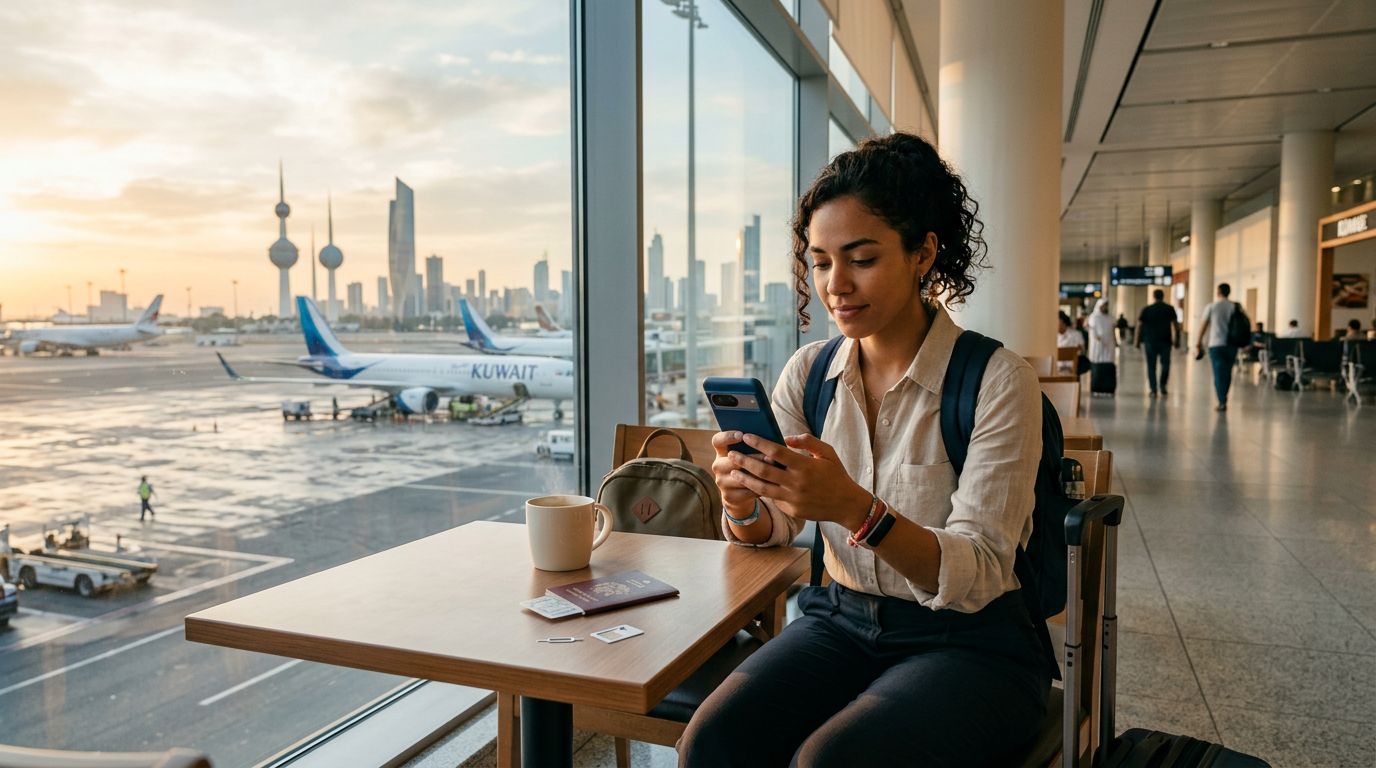
The Evolution of Connectivity in Luxembourg
Planning a trip to Luxembourg requires more than just booking flights and hotels; it demands a solid strategy for staying connected. Whether you are wandering through the historic streets of Luxembourg City, exploring the fairytale castles of Vianden, or conducting business in the financial district, having reliable internet access is essential. For years, the standard approach for international travelers was to locate a physical shop upon arrival to purchase a local SIM card. However, the introduction of eSIM technology has shifted the landscape significantly.
When comparing a Luxembourg local SIM vs eSIM, the primary difference lies in the delivery and installation process. A traditional SIM card is a physical piece of plastic that you must insert into your device. This often involves finding a provider’s retail outlet, presenting identification, and swapping out your home SIM card, which creates the risk of losing your original chip. In contrast, an eSIM is a digital version of a SIM card embedded directly into your phone’s hardware. You can activate it remotely, often before you even step off the plane.
The convenience of an eSIM is particularly relevant for travelers who value efficiency. Instead of spending your first hour in Luxembourg searching for a mobile store or struggling with language barriers at a kiosk, you can have your data plan ready to go the moment you land. This seamless transition allows you to access maps, ride-sharing apps, and translation tools immediately, ensuring that your arrival is stress-free and productive.
Comparing Convenience and Flexibility
The debate regarding a Luxembourg local SIM vs eSIM often centers on the trade-off between physical tangibility and digital agility. Traditional SIM cards have long been the go-to solution, but they come with inherent inconveniences. You must physically handle the card, ensure it fits your device’s tray, and store your home SIM card safely for the duration of your trip. If you lose your home SIM card while traveling, it can lead to significant headaches upon your return.
eSIM technology eliminates these physical risks. Because the eSIM is software-based, you do not need to open your phone’s SIM tray. This is a major advantage for modern smartphones that are designed to be water-resistant and sealed; the less you manipulate the hardware, the better. Furthermore, many modern devices allow you to keep your primary SIM card active alongside your travel eSIM. This means you can continue to receive important SMS messages or calls on your home number while using the eSIM specifically for your data needs in Luxembourg.
OneTapSIM offers a streamlined approach to this digital connectivity. By utilizing an eSIM, you avoid the common pitfalls associated with local providers, such as complex registration processes or the need to provide physical documentation at a store counter. The ability to manage your connection through a digital interface means you have more control over your data usage. If you find yourself needing more data while exploring the Mullerthal region, you can manage your plan without having to hunt down a retail shop during limited business hours.
Flexibility is perhaps the greatest asset of the eSIM format. If your travel plans change or you decide to extend your stay in Luxembourg, you are not tethered to the physical limitations of a local shop's inventory. You can manage your connectivity needs from your hotel room, a cafe, or even while on the move, maintaining a consistent connection that supports your itinerary.
Performance and Compatibility Considerations
When evaluating a Luxembourg local SIM vs eSIM, it is important to consider the network performance. Both options typically utilize the same local mobile network infrastructure. Whether you choose a physical card from a local carrier or an eSIM provider like OneTapSIM, your phone will connect to the same cell towers throughout the country. Luxembourg boasts excellent coverage, even in its more rural areas, so you can expect stable speeds regardless of which format you choose.
However, compatibility is a factor that every traveler must verify. Before deciding, check if your device is unlocked and eSIM-compatible. Most smartphones released in the last few years support this technology, but it is always wise to consult your manufacturer’s official support documentation to confirm that your specific model is ready for digital SIM activation.
One of the most significant advantages of using an eSIM is the ability to prepare ahead of time. With a traditional SIM, you are effectively offline until you reach your destination and successfully complete the purchase and activation process. With an eSIM, you can install your profile while still at home. As soon as your plane lands in Luxembourg, your phone will detect the local network, and you will be online. This is particularly helpful for travelers who rely on digital boarding passes, hotel check-in apps, or pre-arranged transportation.
Furthermore, the environmental impact of eSIMs is worth noting. By opting for a digital solution, you reduce the production and shipping of plastic SIM cards and their associated packaging. It is a cleaner, more modern way to manage international roaming. As you weigh the options between a Luxembourg local SIM vs eSIM, consider how much you value your time and your peace of mind. For most travelers, the ability to bypass the queue at a mobile store and start exploring immediately is the deciding factor. By choosing a reliable eSIM service, you ensure that your focus remains on the beauty and history of Luxembourg rather than the technicalities of staying connected.
Consigue una eSIM para
Planes para los destinos de esta guía, con entrega instantánea por QR.