Understanding eSIM Technology for International Travel
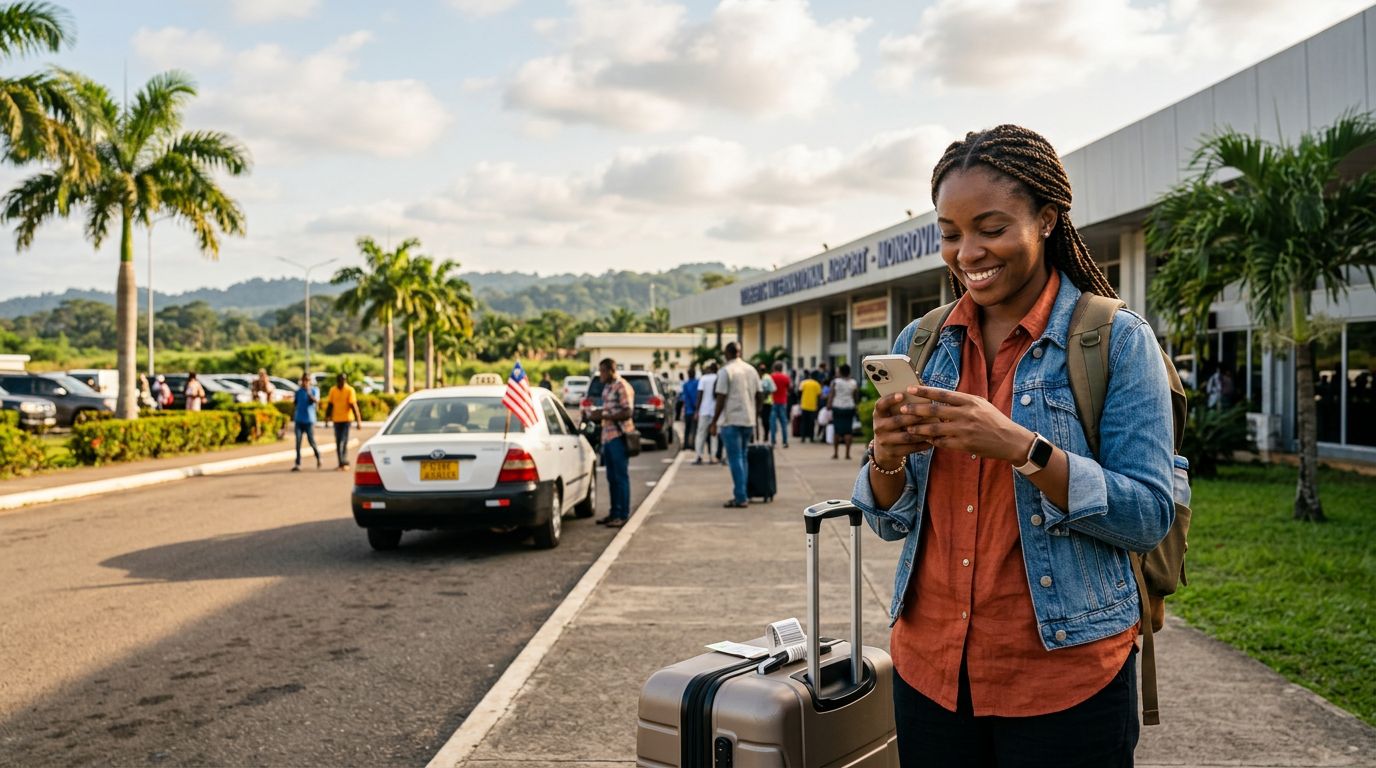
Travelers heading to West Africa often find themselves questioning how to maintain a reliable connection while moving between borders. If your destination includes Liberia, you might be wondering: does eSIM work in Liberia? The short answer is yes, but the experience depends heavily on how you prepare your device before you land at Roberts International Airport.
An eSIM, or embedded SIM, is a digital version of the physical plastic card you have used in your phone for years. Instead of needing to visit a local kiosk, wait in line, and physically swap out a tiny chip, you can download a profile directly to your device. This technology is supported by most modern smartphones manufactured in the last few years. Because it is software-based, it allows you to switch between your home carrier and a local or regional provider without losing your primary phone number for essential calls or texts.
For those visiting Liberia, the convenience of having data ready the moment you step off the plane cannot be overstated. You can navigate maps, translate local information, and manage your travel itinerary without searching for a Wi-Fi hotspot or dealing with the complexities of purchasing a local SIM card in Monrovia. By utilizing a service like OneTapSIM, you ensure that your device is ready to connect to available local networks as soon as you arrive, providing a seamless transition from your home environment to the local infrastructure.
Connectivity Challenges and Solutions in Liberia
Liberia has been steadily upgrading its telecommunications infrastructure, but connectivity can still be inconsistent depending on your specific location. While major urban centers like Monrovia have better coverage, rural areas may present more significant challenges for mobile data. When asking if eSIM works in Liberia, it is important to understand that the eSIM itself is simply the delivery method for the data service. The actual quality of your internet connection is dictated by the local network providers that the eSIM profile connects to.
One of the primary advantages of using an eSIM for travel to this region is the ability to bypass the traditional hurdles of local telecommunications. In many countries, buying a physical SIM card requires registration with local identification, which can be time-consuming and frustrating for short-term visitors. With an eSIM, you handle the setup process digitally before you even leave home. This means you are not reliant on finding a store that is open or navigating language barriers to get your phone working.
If you find that your primary connection is struggling in a specific part of the country, having an eSIM allows you to manage your data usage more effectively. You can monitor your consumption through your phone’s settings, ensuring that you do not run out of data at a critical moment. OneTapSIM provides a streamlined interface that helps travelers manage these connections, ensuring that you stay online for navigation, communication with family, and accessing essential travel documents. It is always a good idea to check your phone's compatibility settings to ensure your device is unlocked and ready to accept a secondary digital profile.
How to Prepare Your Device for Seamless Travel
Before you depart for your trip, there are a few essential steps to ensure your eSIM experience is successful. First, verify that your smartphone is carrier-unlocked. Many phones purchased through major mobile service providers are locked to that specific network, meaning they will not accept a secondary eSIM profile from another provider. If your phone is locked, you must contact your home carrier to request an unlock before you travel.
Next, check your device settings to confirm that it supports eSIM technology. Most flagship devices released by major manufacturers in recent years are equipped with this capability. You can usually find this information in your phone’s settings menu under the cellular or mobile data section. If you see an option to "Add eSIM" or "Add Cellular Plan," your device is ready to go.
Once you have confirmed compatibility, you can purchase and install your eSIM profile. Using a provider like OneTapSIM allows you to receive a QR code or a manual activation code that you scan or enter into your phone. The installation process takes only a few minutes. It is highly recommended to complete this step while you are still in a location with a stable Wi-Fi connection, such as your home or office, rather than waiting until you are at the airport or in transit.
When you arrive in Liberia, you will need to enable your eSIM in your phone’s cellular settings. Make sure that data roaming is turned on for the eSIM profile, as this is often required for the digital SIM to communicate with the local partner networks. You should also ensure that your primary home SIM is set to "off" or "voice only" if you wish to avoid accidental roaming charges from your home carrier. By taking these precautions, you can enjoy a reliable connection throughout your stay, allowing you to focus on your trip rather than your technical setup. Whether you are in Liberia for business or leisure, having a pre-configured digital connection provides peace of mind and the flexibility to explore with confidence.
Consigue una eSIM para
Planes para los destinos de esta guía, con entrega instantánea por QR.