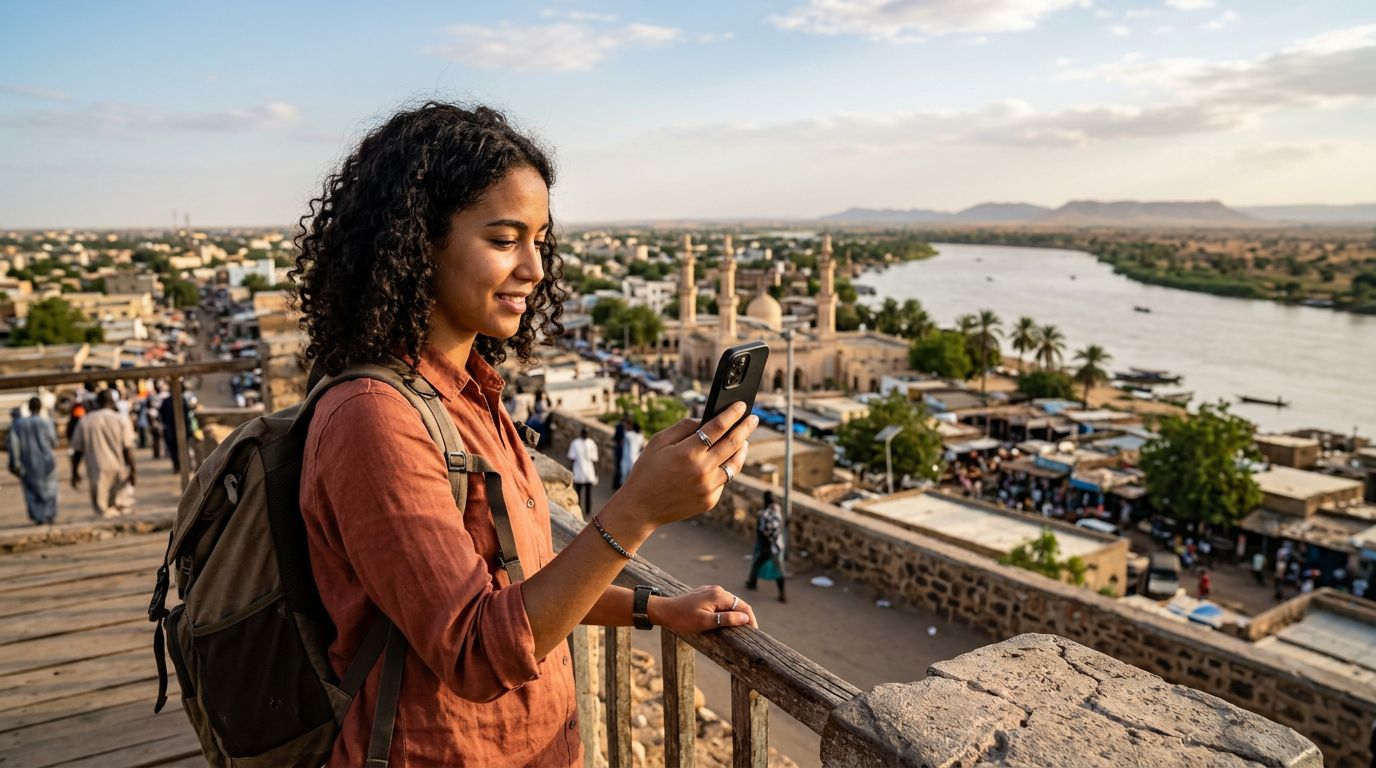
Understanding eSIM Technology in Benin
Travelers heading to West Africa often prioritize staying connected to navigate, translate, and keep in touch with family. Benin, a country known for its rich history and vibrant culture, is becoming an increasingly popular destination for international visitors. As you prepare for your trip, you might find yourself asking: does eSIM work in Benin?
The short answer is yes. eSIM technology is fully compatible with the infrastructure in Benin. An eSIM, or embedded SIM, is a digital version of the physical plastic card you are likely accustomed to using. Instead of inserting a chip into your phone, you download a data profile that allows your device to connect to local cellular networks.
For travelers, this means you can bypass the traditional process of finding a local shop, waiting in line, and swapping out your home SIM card. With an eSIM, your phone remains connected to your home number for essential texts or calls if needed, while your data is routed through a local provider. This setup is ideal for Benin, where having reliable internet access can make a significant difference in your ability to find transportation, locate accommodation, or research historical sites in cities like Cotonou or Ouidah.
Why Choose an eSIM for Your Benin Trip
The primary advantage of using an eSIM in Benin is the convenience of instant activation. When you arrive at Cotonou Cadjehoun Airport, you do not need to hunt for a kiosk or deal with language barriers to purchase a physical SIM card. By setting up your eSIM before you leave home or via airport Wi-Fi, you are ready to go the moment you land.
Another major benefit is the ability to manage your data usage directly from your phone settings. With a physical SIM, you are often limited to whatever plan the local vendor offers, and tracking your remaining data can be difficult. With a digital solution like OneTapSIM, you can monitor your consumption and ensure you have enough connectivity for your entire stay.
Furthermore, using an eSIM helps you avoid the common pitfalls of international roaming. Roaming with your home carrier can lead to unexpected charges that accumulate quickly. By opting for a dedicated travel eSIM, you secure a fixed amount of data at a predictable cost, allowing you to budget your travel expenses more effectively. This approach also keeps your primary SIM card safe inside your phone, eliminating the risk of losing it while swapping cards in a busy transit hub.
Compatibility and Device Requirements
Before you commit to an eSIM for your trip to Benin, it is essential to ensure your device is compatible. Most modern smartphones released in the last few years support eSIM functionality. Generally, if you are using a high-end device from a major manufacturer, you are likely covered.
To verify if your phone is ready, check your device settings. For iPhone users, you can find this information by visiting the official Apple support pages. Android users should consult the Google support documentation to see if their specific model supports eSIM profiles.
It is also vital to ensure your phone is carrier-unlocked. Many phones purchased through a mobile service provider are locked to that specific network for a set period. If your phone is locked, it will not be able to accept an eSIM from a different provider. If you are unsure about your device's status, contact your home carrier before your departure to request an unlock.
Once you have confirmed compatibility, the installation process is straightforward. You will receive a QR code or an activation code that you scan or enter into your phone’s cellular settings. After the profile is added, you simply toggle it on when you arrive in Benin. OneTapSIM provides clear instructions to guide you through this setup, ensuring that you are connected as soon as you step off the plane.
Tips for Maintaining Connectivity in Benin
While Benin has made significant strides in expanding its cellular network, connectivity can vary depending on your location. In major urban centers like Cotonou and Porto-Novo, you can expect stable 4G coverage. However, as you venture into more remote areas or national parks like Pendjari, signal strength may fluctuate.
To maximize your connectivity, keep these practical tips in mind:
First, prioritize data-heavy tasks when you are in areas with strong Wi-Fi. Download offline maps of Benin using your preferred navigation app before you leave your hotel. This ensures that even if you encounter a dead zone, you can still find your way around.
Second, manage your background data settings. Many apps automatically update or sync in the background, which can consume your data allowance quickly. By disabling background data for non-essential applications, you can stretch your eSIM data further.
Third, keep a portable power bank with you. Using cellular data, especially in areas where the phone has to work harder to find a signal, can drain your battery faster than usual. Having a backup power source ensures your phone stays on, keeping you connected to your maps and communication tools throughout the day.
Finally, remember that an eSIM is primarily for data. If you need to make traditional voice calls, consider using internet-based messaging and calling apps. These services work seamlessly over your eSIM data connection and are often the most efficient way to communicate while traveling internationally.
By preparing your device in advance and understanding how to manage your data, you can enjoy a smooth and connected experience throughout your time in Benin. Whether you are exploring the stilt village of Ganvié or relaxing on the beaches of Grand-Popo, having reliable internet access through a service like OneTapSIM provides the peace of mind needed to fully enjoy your journey.
Consigue una eSIM para
Planes para los destinos de esta guía, con entrega instantánea por QR.