Staying Connected While Exploring Switzerland
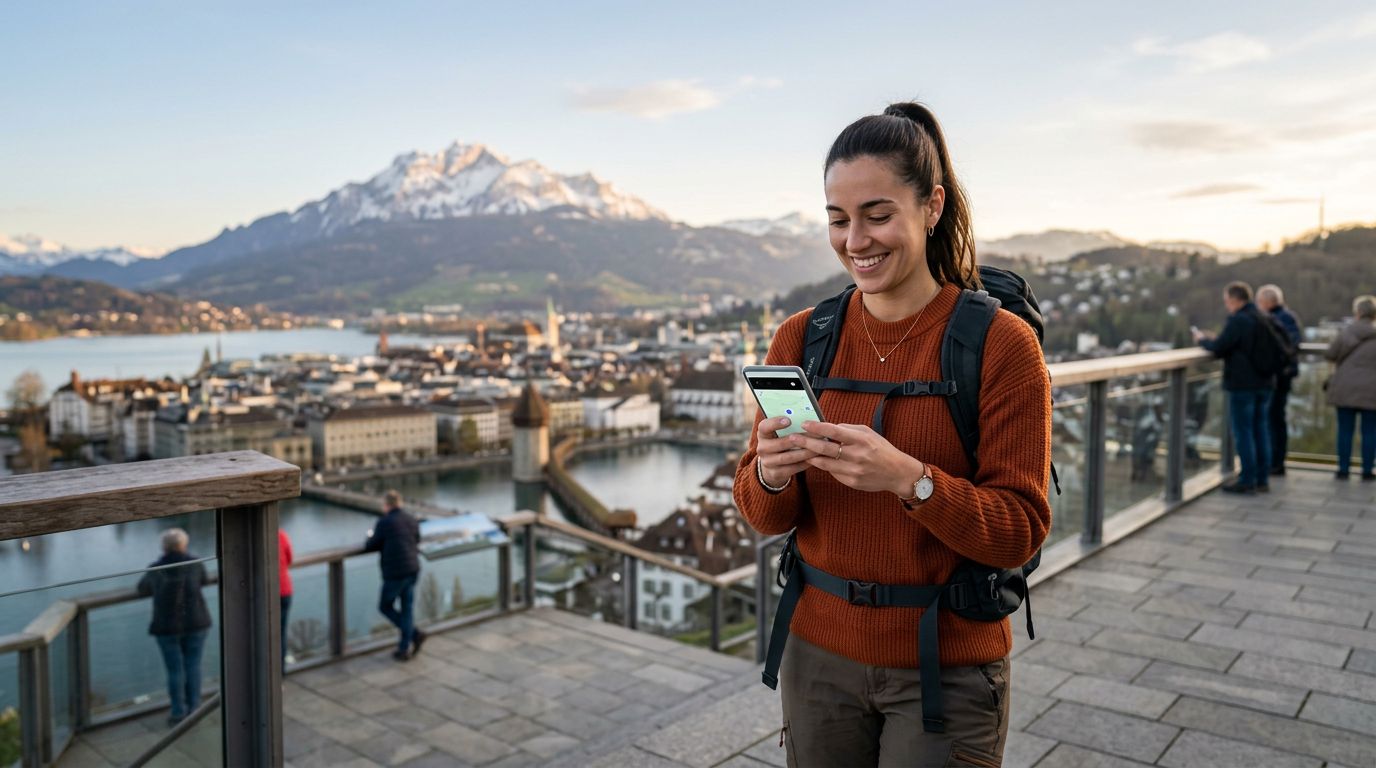
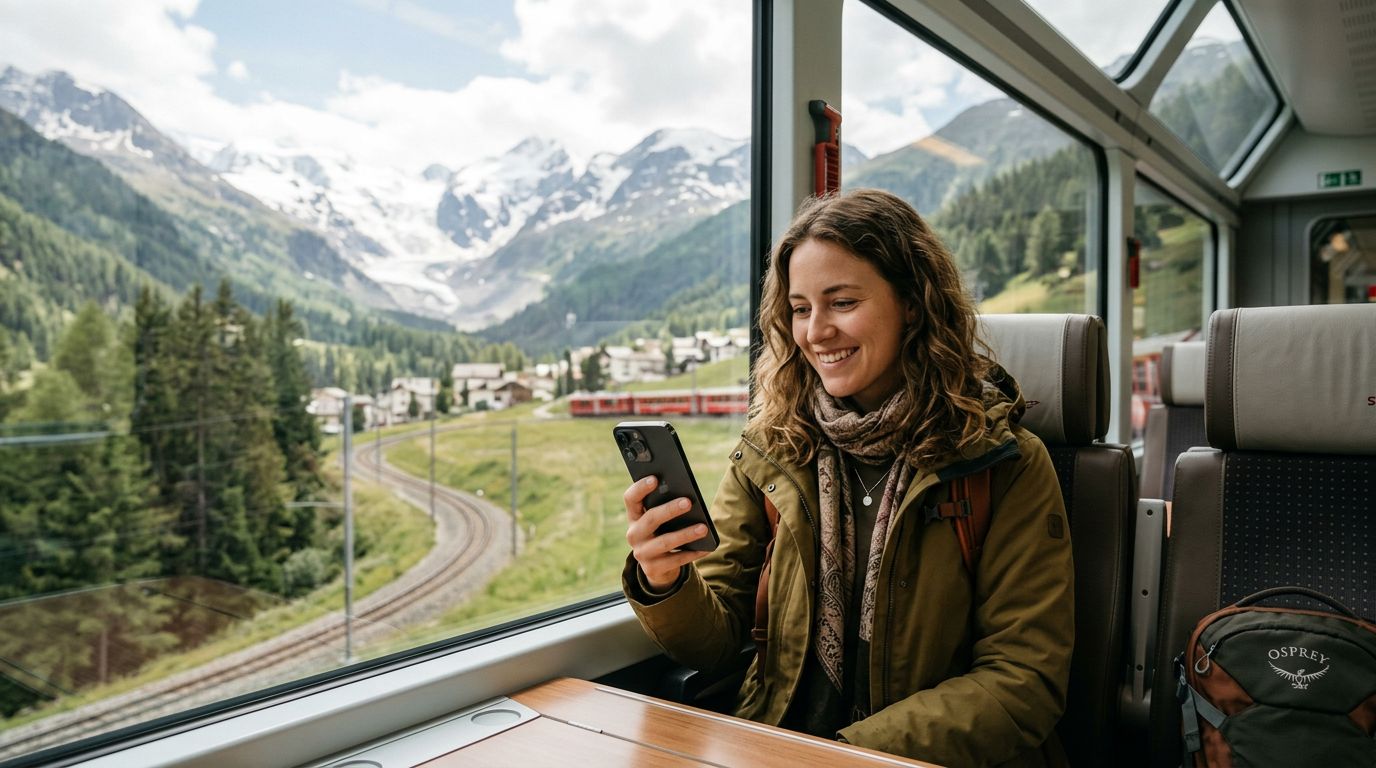
Switzerland is a country defined by its breathtaking landscapes, from the jagged peaks of the Matterhorn to the serene shores of Lake Geneva. Whether you are planning to hike through the Bernese Oberland, navigate the efficient train network, or explore the historic streets of Zurich, having reliable internet access is essential. Without a solid connection, finding train schedules, translating menus, or looking up weather updates for high-altitude excursions becomes significantly more difficult.
Many travelers arrive in Switzerland assuming that public Wi-Fi will be enough. While major train stations and some cafes offer connectivity, relying on these networks is often inconvenient. Public Wi-Fi is frequently unencrypted, posing security risks for your personal data, and it is rarely available in the remote mountain regions where you might need it most. To truly enjoy the freedom of travel, you need a solution that works wherever you go, without the stress of hunting for a signal.
Why eSIM Technology is the Modern Standard
The landscape of international connectivity has shifted away from physical SIM cards. In the past, travelers had to visit a local mobile provider’s store upon arrival, present their passport, and physically swap out their home SIM card. This process was not only time-consuming but also carried the risk of losing your original SIM card during the transition.
The best way to get data in Switzerland today is through an eSIM. An eSIM is a digital version of a traditional SIM card that is embedded directly into the hardware of modern smartphones. Because it is entirely digital, you can activate your service before you even board your flight. Once you land in Geneva or Zurich, your phone automatically connects to a local network, allowing you to use your maps and messaging apps immediately.
OneTapSIM provides a seamless experience for travelers who want to avoid the hassle of physical cards. By using an eSIM, you keep your primary phone number active for calls or texts from home while dedicating your data usage to a local Swiss network. This dual-SIM capability ensures you are never truly disconnected from your home base while enjoying the high-speed data necessary for navigating the Swiss Alps. Most modern smartphones, including recent models from Apple and various Android manufacturers, support this technology, making it the most efficient choice for international visitors.
Choosing the Right Approach for Your Swiss Adventure
When deciding how to manage your data, consider the length of your trip and your typical usage habits. If you are a heavy user who enjoys uploading high-resolution photos to social media or streaming music during long train rides, you will want a plan that offers a generous data allowance. Conversely, if you only need data for navigation and occasional web searches, a smaller package will suffice.
Roaming with your domestic carrier is often the first option people consider, but it is frequently the most expensive and least reliable. Many domestic providers impose strict limits on international data, and the speeds can be throttled, making it difficult to load basic web pages. Furthermore, if you exceed your roaming allowance, you may be hit with unexpected charges that can ruin your travel budget.
By opting for a dedicated travel eSIM, you gain transparency and control. You know exactly how much data you have, and you are not tied to the restrictive policies of your home carrier. This approach is particularly beneficial in Switzerland, where the mobile infrastructure is world-class. You will find that local networks provide excellent coverage even in deep valleys and high-altitude villages. By preparing your connectivity in advance, you ensure that your focus remains on the scenery rather than on troubleshooting technical issues.
Practical Tips for a Smooth Digital Experience
Before you depart, ensure your device is compatible with eSIM technology. You can verify this by checking your phone’s settings or visiting the official support pages for Apple or Google. Once you have confirmed compatibility, the setup process is straightforward. With a provider like OneTapSIM, you receive a digital profile that you install on your device. This process takes only a few minutes and is typically done via a QR code or a manual activation code provided after your purchase.
Once you arrive in Switzerland, ensure that your phone settings are configured to use the eSIM for cellular data. It is also wise to turn off "Data Roaming" for your primary home SIM to prevent any accidental charges from your home carrier. You can keep your primary SIM active for voice calls if needed, but keeping the eSIM as your primary data source is the most cost-effective way to stay online.
Another important tip is to manage your background data usage. Even with a robust data plan, apps running in the background can consume your allowance without you realizing it. Check your phone’s settings to see which applications are using the most data and restrict those that are not essential for your trip. Downloading offline maps for the specific regions you plan to visit is also a smart strategy. While Swiss mobile coverage is excellent, having a backup map stored locally on your device provides peace of mind when you are hiking in remote areas where signals might occasionally dip.
Ultimately, the best way to get data in Switzerland is to prioritize simplicity and reliability. By choosing a solution that integrates directly into your smartphone, you eliminate the friction of travel. You can spend your time enjoying the chocolate, the scenery, and the precision of the Swiss rail system, knowing that your connection is as dependable as the country itself. Whether you are a solo traveler or exploring with family, having a dedicated data plan allows you to share your experiences in real-time and navigate your journey with confidence.
Consigue una eSIM para
Planes para los destinos de esta guía, con entrega instantánea por QR.