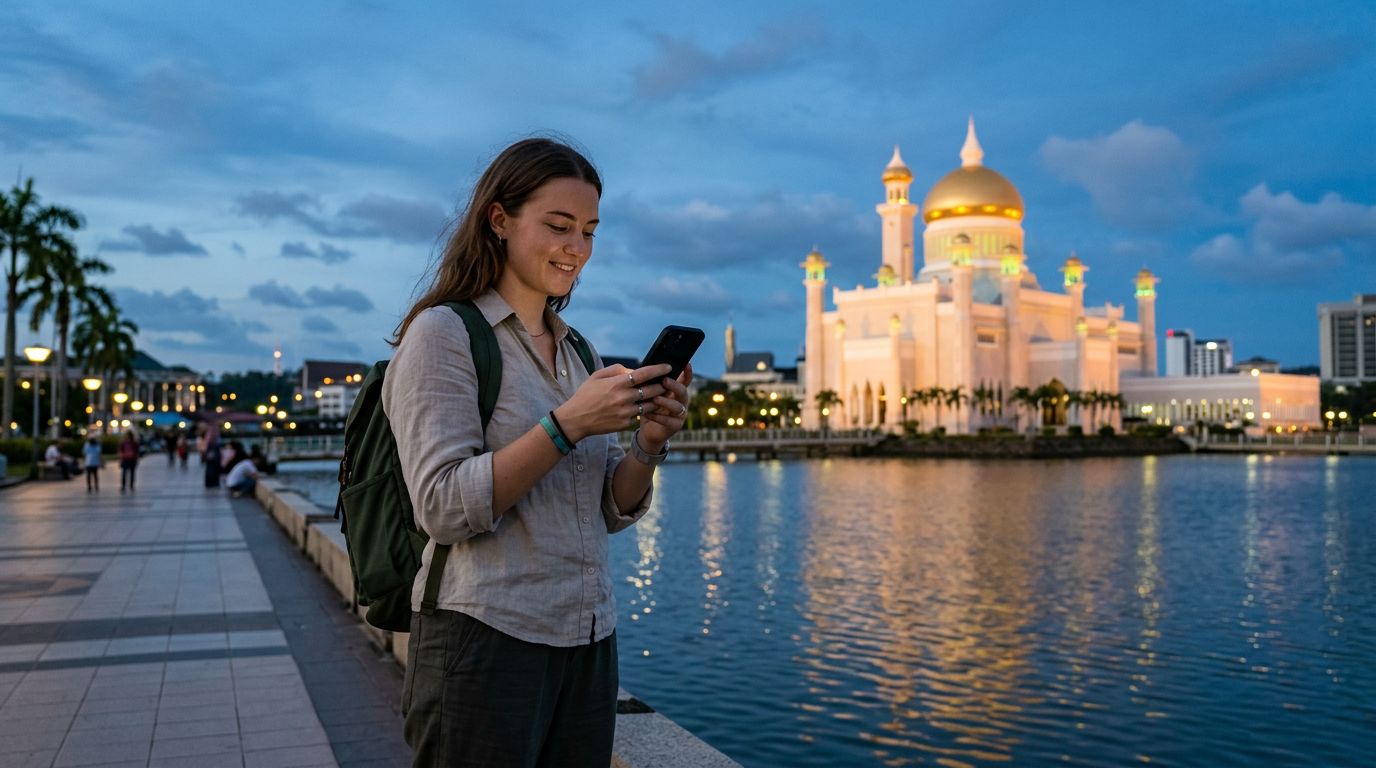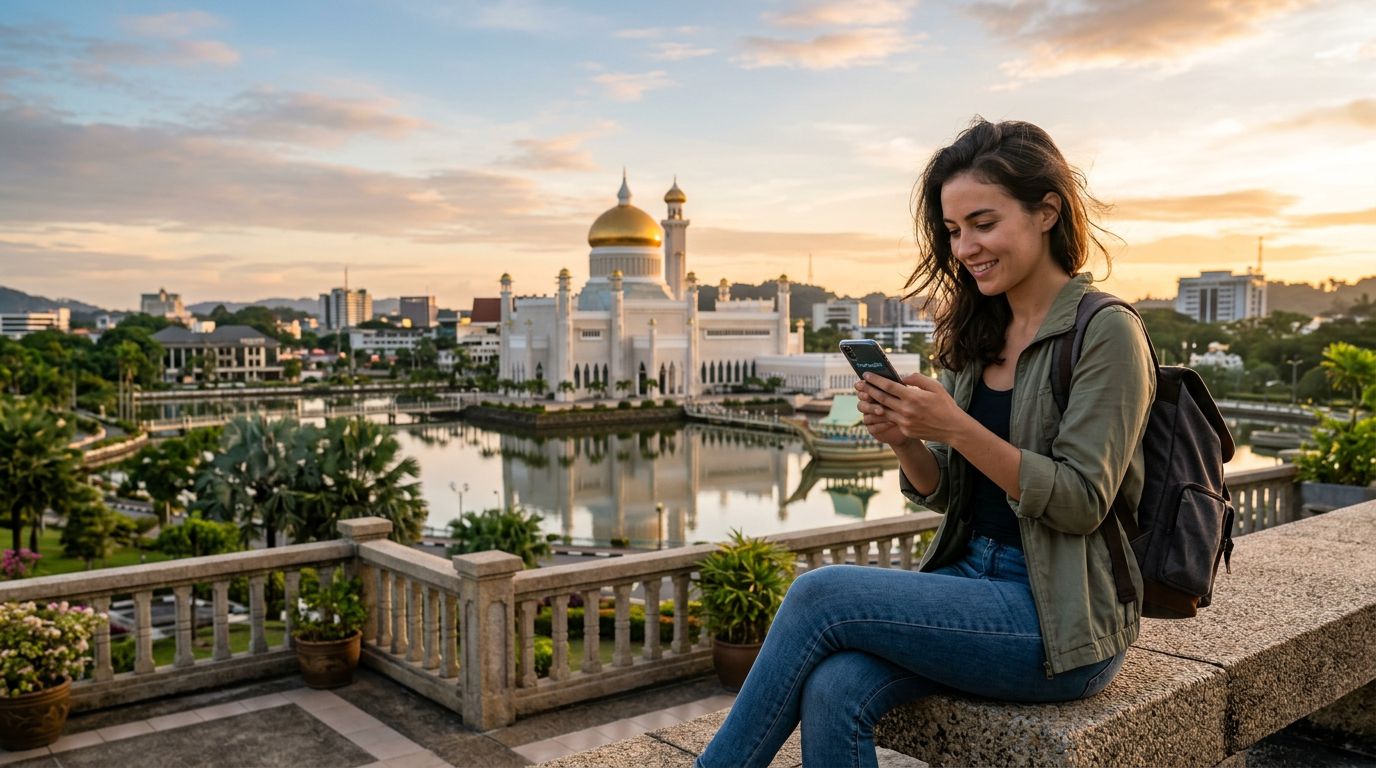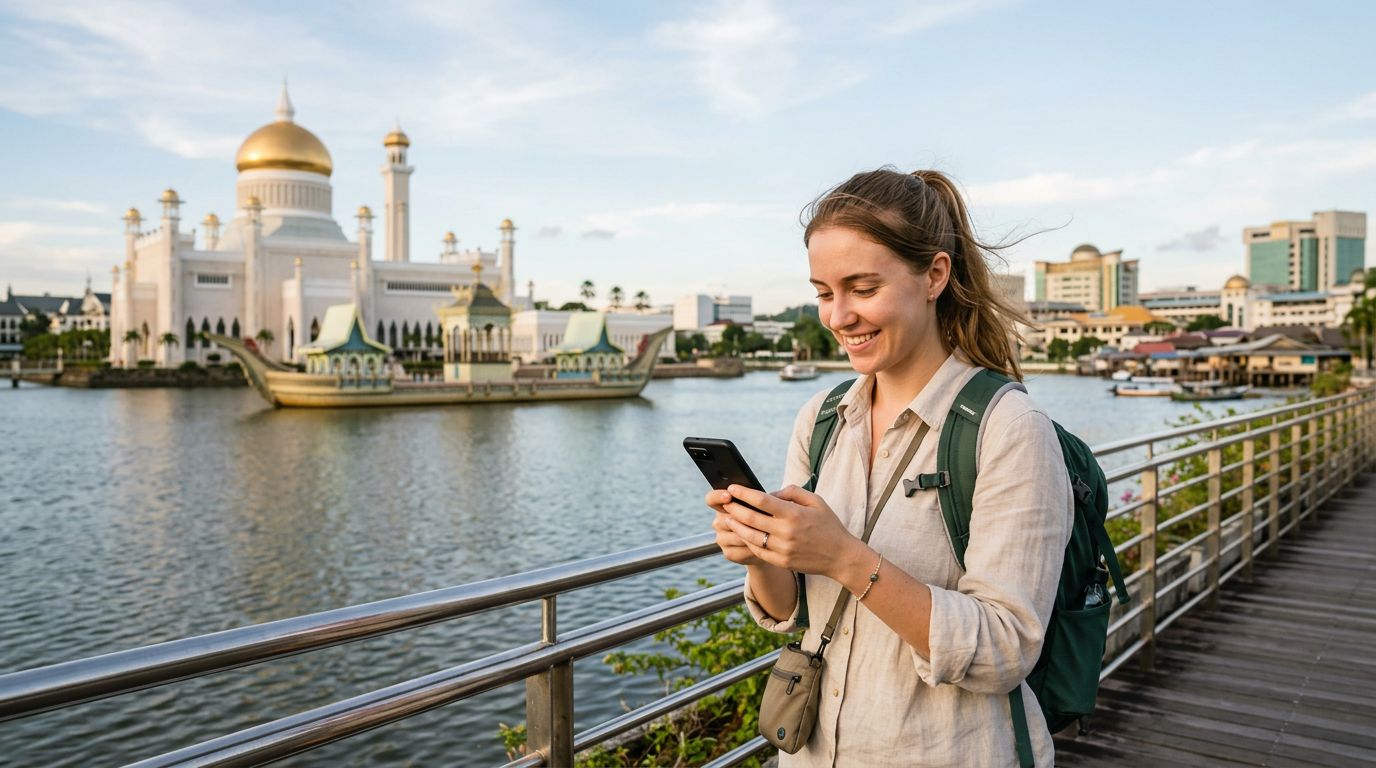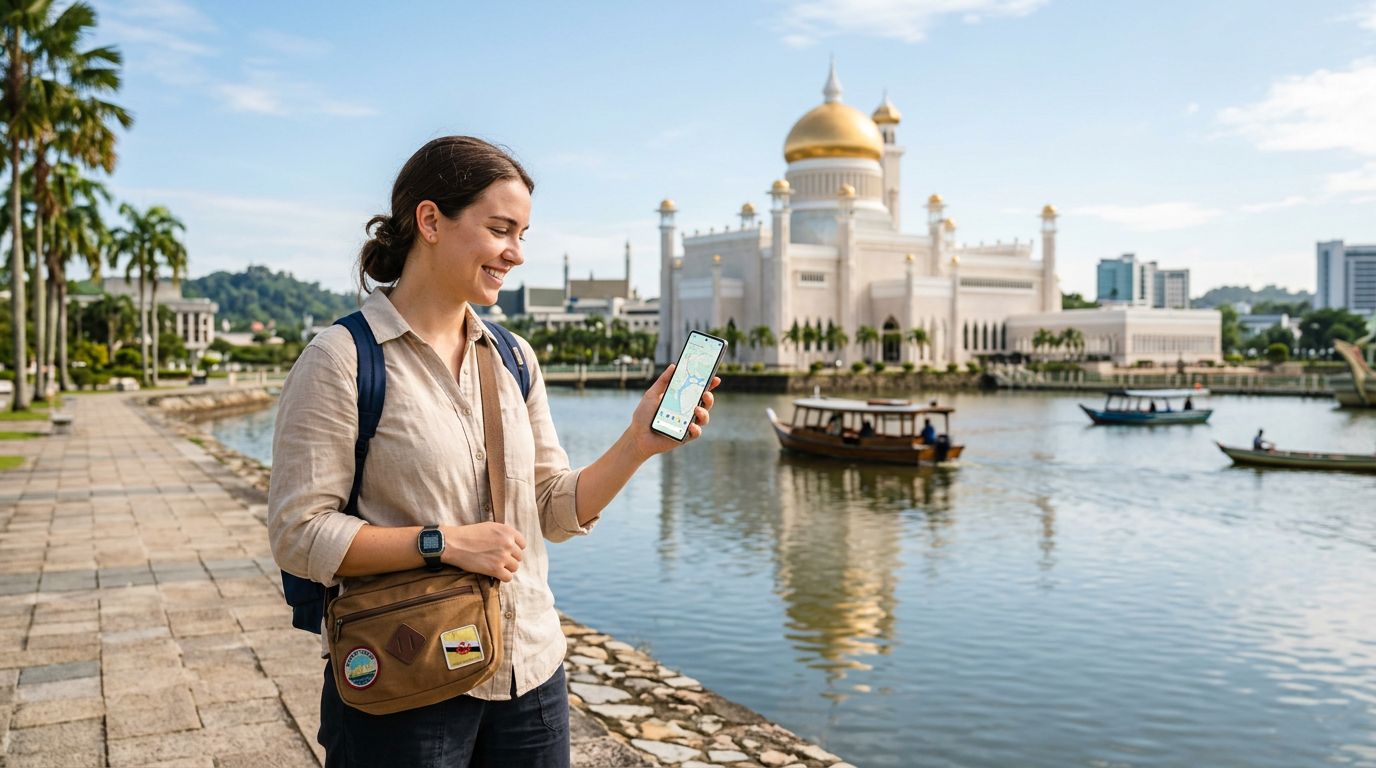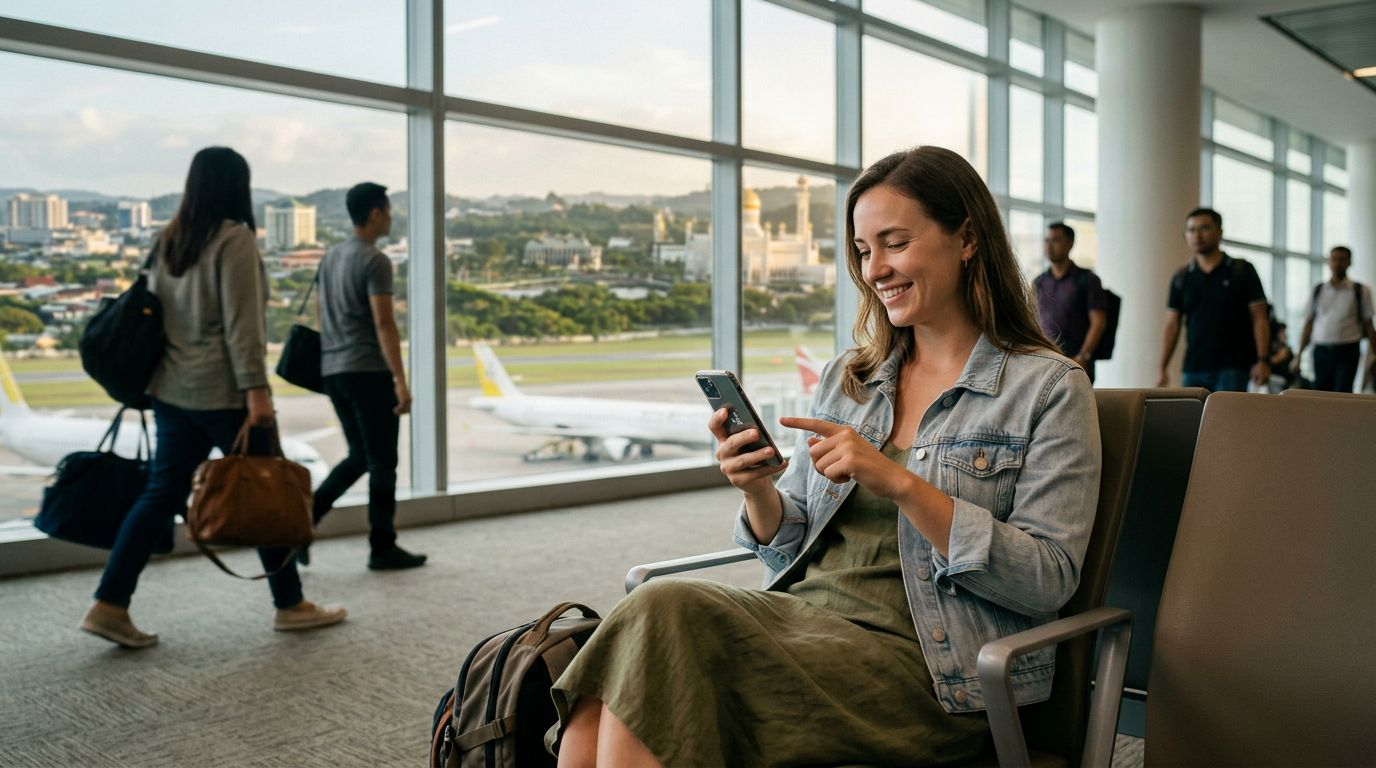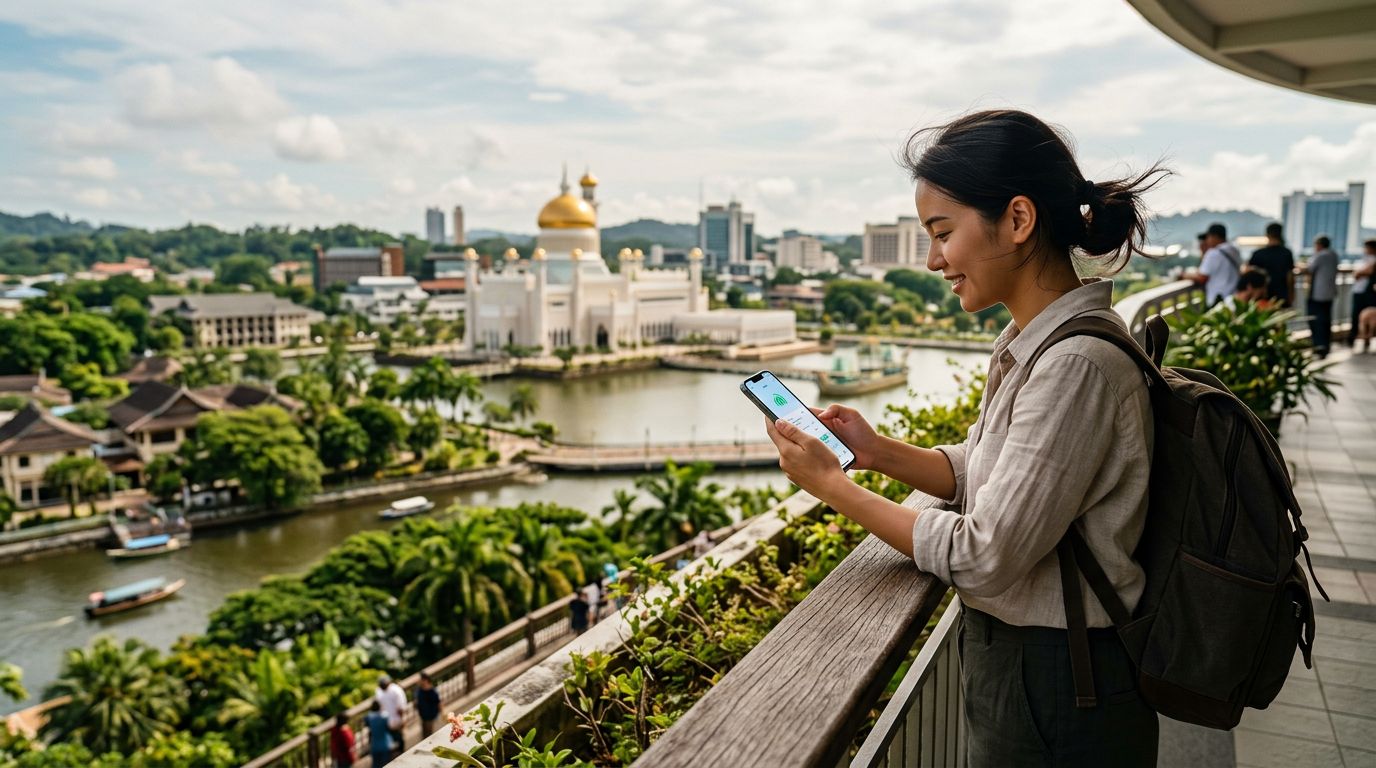
Brunei Darussalam is a hidden gem in Southeast Asia, offering a unique blend of opulent mosques, lush rainforests, and a serene pace of life. Whether you are exploring the water village of Kampong Ayer or trekking through the pristine Ulu Temburong National Park, staying connected is essential for navigation, translation, and sharing your experiences. Finding the best way to get data in Brunei requires understanding your options before you touch down at Brunei International Airport.
Understanding Connectivity Options for Travelers
When arriving in a new country, travelers generally have three primary ways to access the internet: local physical SIM cards, international roaming, and eSIM technology. Each method offers different levels of convenience and reliability.
Physical local SIM cards have long been the traditional choice. Upon arrival, you can visit a mobile service provider’s kiosk at the airport or head into the city center to purchase a prepaid card. This requires presenting your passport for registration, which can sometimes lead to queues or language barriers. Once you have the card, you must physically swap it with your home SIM, creating a risk of losing your original card while traveling.
International roaming through your home carrier is another route. While this is the most convenient option because it requires no setup, it is frequently the most expensive. Many home carriers charge daily fees or usage-based rates that can quickly add up, and the connection speed may be throttled depending on the roaming agreements between your home network and Bruneian providers.
The modern alternative is the eSIM. An eSIM is a digital version of a physical SIM card that is embedded directly into your phone’s hardware. You can activate a data plan by scanning a QR code or downloading a profile, allowing you to switch between networks without handling tiny plastic cards. For those seeking the best way to get data in Brunei, an eSIM often provides the perfect balance of flexibility and cost-efficiency.
Why eSIMs are the Preferred Choice for Brunei
The primary advantage of using an eSIM in Brunei is the ability to maintain your home connection while having a secondary data line. Because most modern smartphones are dual-SIM capable, you can keep your primary number active for urgent calls or SMS verification codes while using your eSIM exclusively for mobile data.
OneTapSIM offers a streamlined process that allows you to set up your connectivity before you even board your flight. By installing your data plan ahead of time, you can ensure that you are connected the moment your plane lands on the tarmac. This removes the stress of searching for a kiosk or dealing with registration forms after a long flight. You simply switch your data settings to the OneTapSIM profile, and you are ready to explore.
Furthermore, eSIMs are inherently more secure than physical SIMs. There is no physical card to remove or lose, and because the process is entirely digital, you are not handing your phone over to a stranger at a kiosk to perform the setup. For travelers who value efficiency and peace of mind, the transition to eSIM technology is a logical step. It allows you to manage your data usage directly from your device settings, ensuring that you stay within your limits without any unexpected charges.
Tips for Managing Data Usage While Traveling
Once you have secured your data connection, managing that data effectively will ensure you stay connected throughout your entire trip. Brunei offers excellent coverage in urban areas like Bandar Seri Begawan, but connectivity can be more limited in remote forest regions.
First, adjust your smartphone settings to restrict background data usage for non-essential applications. Many apps sync, update, or backup photos in the background without your knowledge. By toggling these off for cellular data, you save your bandwidth for essential tasks like using maps or looking up information about local landmarks.
Second, download offline maps and language packs before you head out for the day. While Brunei has reliable network coverage, having a backup map ensures you can navigate back to your hotel even if you venture into areas where the signal is weaker. Google Maps allows you to save specific areas for offline use, which is a great way to save data while exploring the capital or the surrounding districts.
Third, be mindful of video streaming and high-resolution media uploads. If you want to share your travel experiences on social media, consider waiting until you are back at your hotel or a cafe with Wi-Fi to upload large videos. Using your mobile data for high-definition streaming will deplete your balance much faster than text-based navigation or web browsing.
Finally, keep an eye on your data consumption through your phone’s built-in usage tracker. Most modern smartphones provide a breakdown of which apps are consuming the most data. If you notice a particular app is using a large amount of data, you can restrict its access to Wi-Fi only.
By preparing your connectivity in advance with a service like OneTapSIM and managing your usage habits, you can focus on what truly matters: experiencing the rich culture, stunning architecture, and natural beauty of Brunei. Whether you are photographing the Omar Ali Saifuddien Mosque or navigating the winding rivers of the Temburong district, having a reliable data connection ensures that your travel experience is smooth, informed, and enjoyable. Always check your device compatibility before your trip to ensure your phone is unlocked and supports eSIM technology, which is standard on most flagship devices released in recent years. With the right preparation, you will find that staying connected in Brunei is simple and stress-free.
Consigue una eSIM para
Planes para los destinos de esta guía, con entrega instantánea por QR.