Understanding the Geography of Portugal
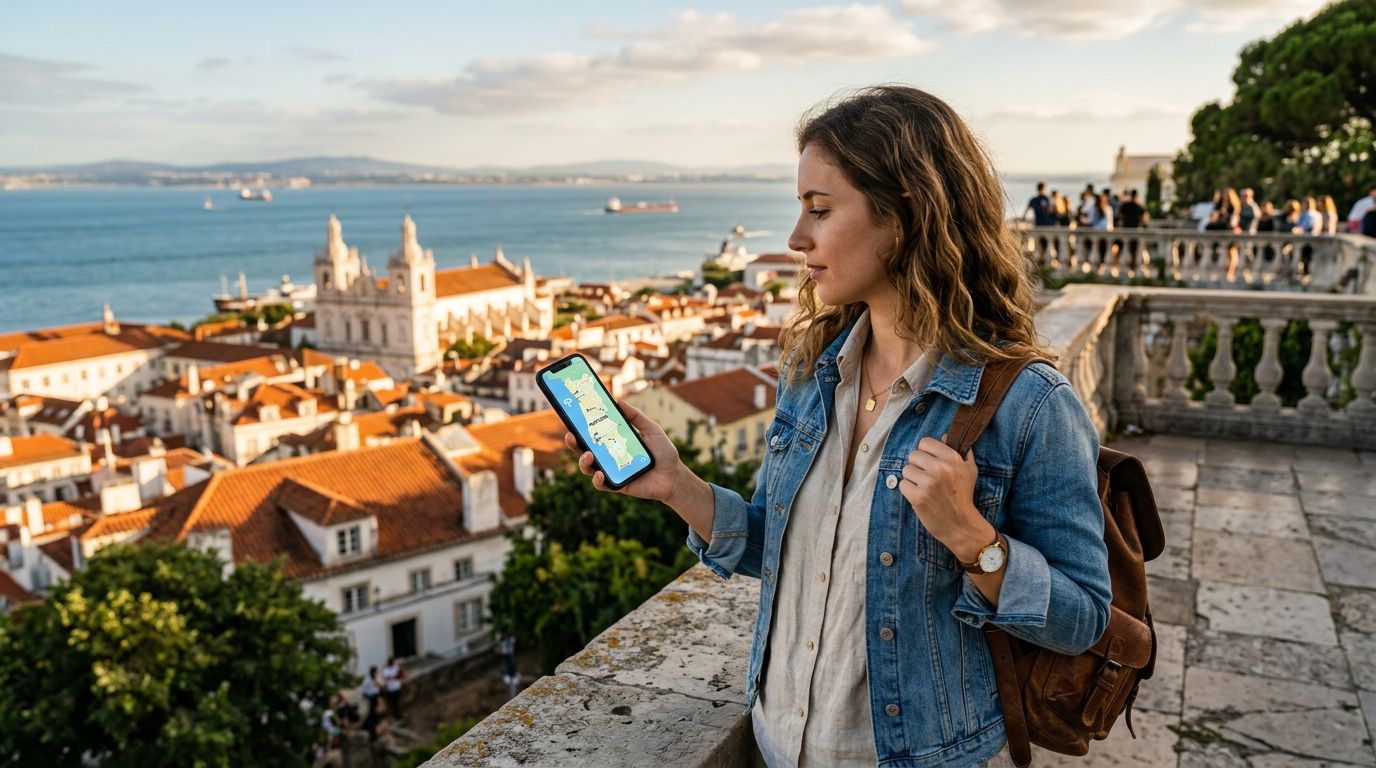
When planning a European getaway, many travelers start by pinning their destination on a map to understand the logistics of their journey. If you find yourself asking "where is Portugal located," you are looking at the westernmost point of continental Europe. Portugal occupies a significant portion of the Iberian Peninsula, which it shares with its neighbor, Spain. To the north and east, Portugal shares a long terrestrial border with Spain, while its western and southern coastlines are defined entirely by the vast expanse of the Atlantic Ocean.
This unique geographical position has shaped the country’s history, culture, and climate for centuries. Because it faces the Atlantic, Portugal served as a gateway for maritime exploration during the Age of Discovery. Today, that same coastline provides some of the most stunning beaches, rugged cliffs, and surf spots in the world. Whether you are landing in Lisbon, the capital city located near the mouth of the Tagus River, or heading north to Porto, you will quickly notice how the Atlantic influence defines the local lifestyle.
Beyond the mainland, Portugal’s territory extends far into the ocean. The country includes two autonomous archipelagos: the Azores and Madeira. The Azores are located about 1,500 kilometers west of the mainland, sitting in the middle of the North Atlantic. Madeira is found further south, closer to the coast of Africa. These islands add a layer of biodiversity and volcanic beauty to the Portuguese experience, making the country a diverse destination that offers far more than just a standard European city break.
Why Location Matters for Your Travel Connectivity
Understanding the geography of a country is not just about logistics; it is also about ensuring you stay connected while you explore. Because Portugal features a mix of dense urban centers like Lisbon and remote, mountainous landscapes in the interior or on the islands, having a reliable internet connection is essential. Travelers often find that roaming charges from their home carriers can be unpredictable or prohibitively expensive, which is why many opt for a digital solution like an eSIM.
When you use an eSIM from OneTapSIM, you are essentially pre-loading your device with a data plan that works as soon as you touch down. This is particularly useful in a country like Portugal, where you might want to use navigation apps to drive through the winding streets of the Alfama district or look up ferry schedules to reach the islands of the Azores. Because the technology is embedded directly into your phone, you do not need to hunt for a physical SIM card kiosk at the airport or deal with the hassle of swapping tiny plastic cards.
The benefit of knowing where Portugal is located in relation to your home country also helps you understand the technical side of your travel plans. If you are traveling from North America or Asia, you will be crossing multiple time zones. Having a data plan ready before you leave home means you can immediately check your emails, update your family on your arrival, or book a ride-share service without relying on spotty airport public Wi-Fi. By managing your connectivity digitally, you keep your primary SIM card active for essential calls while dedicating your eSIM to high-speed data usage, ensuring you are never lost in a foreign city.
Planning Your Route Through the Portuguese Landscape
Now that you know where Portugal is located, the next step is deciding how to traverse its varied terrain. The country is relatively compact, making it an ideal destination for road trips. You can drive from the northern border near the Minho region down to the southern shores of the Algarve in a single day, though it is highly recommended to take your time. The landscape shifts dramatically from the lush, green mountains of the north to the sun-drenched, golden cliffs of the south.
If you are starting your journey in Lisbon, you are perfectly positioned to explore the central region. A short train or car ride can take you to the historic town of Sintra, known for its fairytale palaces and misty forests. Because Portugal is situated on the edge of the continent, the weather is generally mild, but the Atlantic breeze can make the northern coast feel quite different from the Mediterranean-like climate of the southern Algarve.
Connectivity remains a key component of this travel style. If you are hiking the trails of the Serra da Estrela or exploring the vineyards of the Douro Valley, you will want a stable connection to access maps, translate local menus, or share photos of the scenery. OneTapSIM allows you to maintain consistent data coverage throughout these varied regions, ensuring that you can rely on your phone for safety and convenience. Whether you are navigating the intricate tram lines of Lisbon or finding a hidden beach in the Alentejo region, having a reliable digital connection allows you to focus on the experience rather than the technical difficulties of travel.
As you finalize your itinerary, remember that Portugal’s location makes it a perfect jumping-off point for other European adventures, but it is also a destination that demands to be explored in depth. From the maritime history found in the museums of Belém to the quiet, cobblestone villages of the interior, the country rewards those who take the time to learn its geography and respect its pace. By preparing your mobile data needs ahead of time, you remove the stress of being disconnected, allowing you to fully immerse yourself in the culture, food, and landscapes that make Portugal one of the most beloved travel destinations in the world. Whether you are a solo backpacker or a family on a summer holiday, knowing where you are and having the tools to navigate that space effectively is the secret to a successful trip.
Get an eSIM for
Plans for the destinations covered in this guide, with instant QR delivery.