Understanding the Mechanics of Standby Travel
Flying standby is a concept that has existed for decades, yet it remains one of the most misunderstood travel strategies. At its core, flying standby means waiting at the airport for an open seat on a flight for which you do not have a confirmed reservation. Historically, this was the primary way airline employees and their families traveled, but the practice has expanded to include regular passengers who are willing to be flexible in exchange for potential savings or the chance to get home earlier than their original itinerary allowed.
When you fly standby, you are essentially gambling on inventory. Airlines rarely fly with every single seat occupied. Whether due to last-minute cancellations, missed connections, or simple overbooking logistics, there is almost always a small margin of empty space on commercial flights. Standby travelers wait until the boarding process is nearly complete to see if any of these seats remain unclaimed. If a seat is available, the gate agent processes your request, and you board the aircraft.
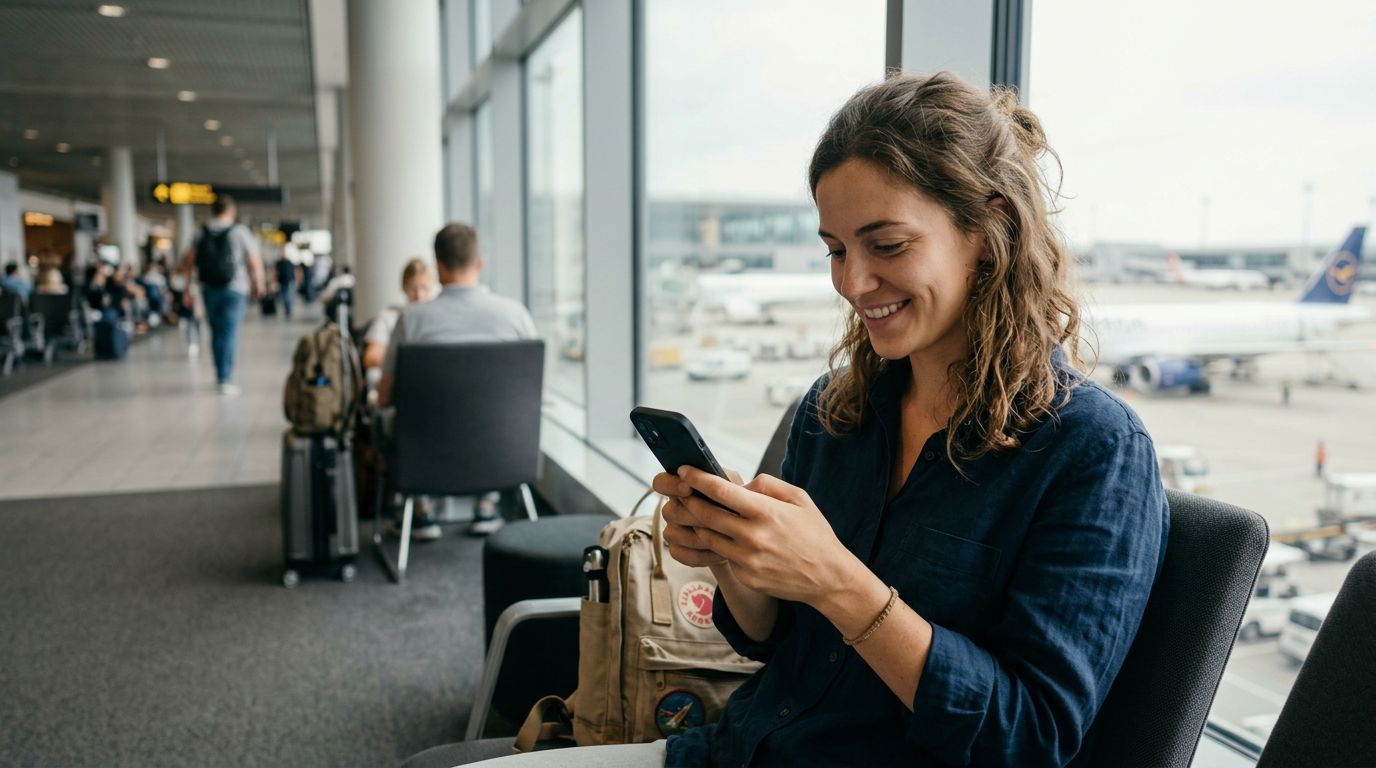
However, the experience requires a specific mindset. It is not for the traveler who needs to be at a business meeting by exactly nine in the morning. It is for the spontaneous adventurer, the traveler with extra time, and those who prioritize flexibility over certainty. Because you are not guaranteed a seat, you must be prepared to wait through multiple flight cycles, sometimes spending several hours in the terminal. This is where your digital connectivity becomes vital. When you are waiting for a seat to open, you need to stay in touch with family, monitor airline apps, and perhaps even research alternative routes or ground transportation options should your standby attempt fail. Having a reliable data connection, such as the one provided by OneTapSIM, ensures that you are never left offline while waiting at the gate.
The Strategy for Successful Standby Travel
To master the art of standby travel, you must move beyond simply showing up at the airport and hoping for the best. Success in this area relies on data and preparation. First, identify which airlines offer standby options for your specific ticket type. Some carriers allow standby for earlier flights on the same day for free, while others may require a specific fare class or membership status. Always check the official website of your chosen airline to understand their specific policies regarding "same-day standby" versus "non-revenue" standby.
Timing is your greatest asset. If you are aiming for a standby seat, arrive at the airport significantly earlier than you would for a confirmed flight. You need to speak with a gate agent or check in at the kiosk as soon as you arrive to be added to the standby list. The order of this list is often determined by a combination of factors, including your frequent flyer status, your original fare class, and the time you checked in. By checking in early, you maximize your position on that list.
Another critical component is monitoring flight loads. Before you head to the airport, use flight tracking tools available via Google to see how full your target flights are. If a flight is showing as completely sold out, your chances of getting a seat are slim. If there are several seats available, your odds improve significantly. While you wait, you will likely need to refresh these pages frequently. Using a travel eSIM like OneTapSIM allows you to maintain a consistent, high-speed data connection without worrying about roaming charges or searching for spotty airport Wi-Fi. This keeps your communication channels open with the airline and your travel companions, ensuring you can pivot your strategy if a flight fills up unexpectedly.
Maintaining Connectivity While You Wait
The most challenging aspect of standby travel is the uncertainty. You might be waiting for a flight that is delayed, or you might find yourself bumped to a later departure. During these periods of downtime, the airport terminal becomes your temporary office or living room. You may need to check your email, coordinate with hotel staff at your destination about a late arrival, or simply pass the time with entertainment.
Relying on public airport Wi-Fi can be frustrating. These networks are often congested, slow, and sometimes require intrusive sign-up processes that compromise your privacy. Furthermore, they are not always available in every corner of the terminal. By utilizing a travel eSIM, you ensure that you have a dedicated, private connection that follows you from the check-in counter to the boarding gate. This level of independence is essential for the standby traveler.
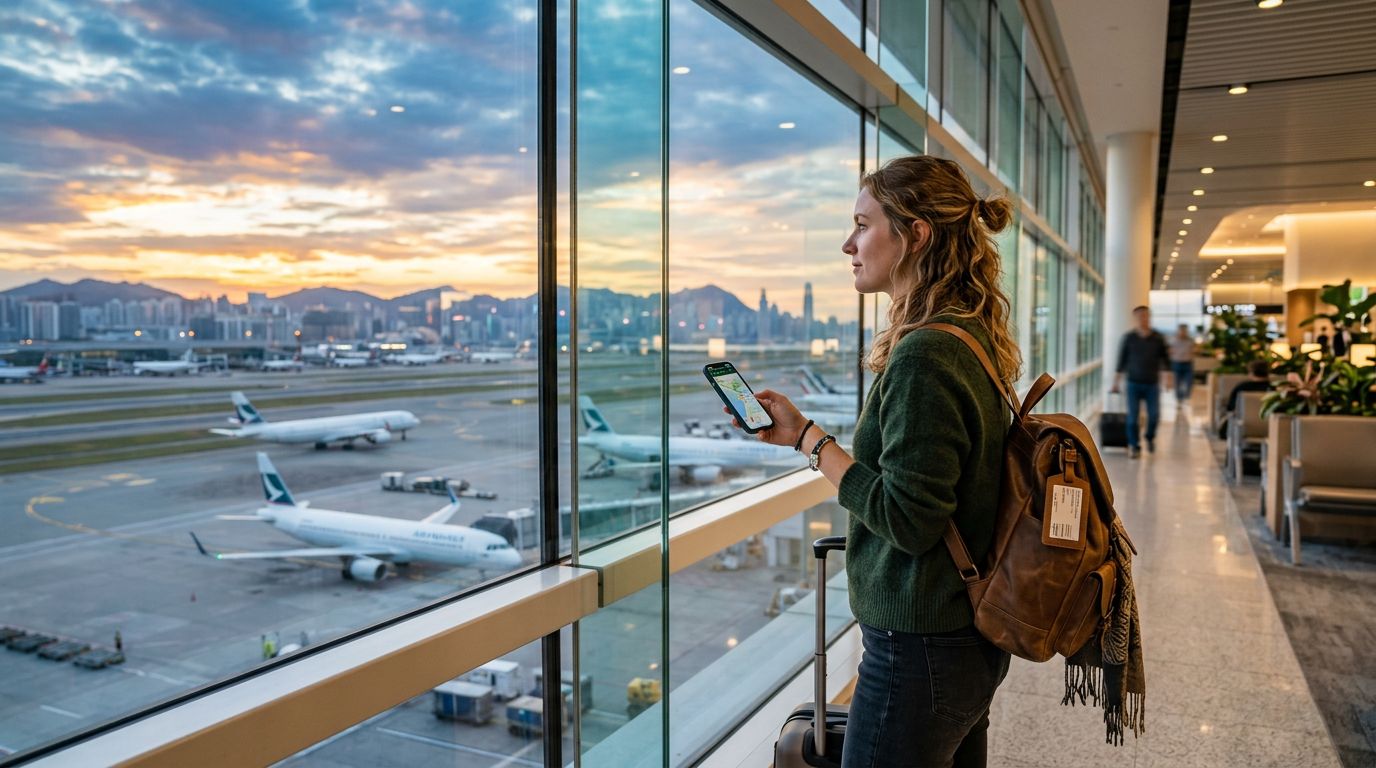
If you are traveling internationally, the need for connectivity is even more pronounced. You may need to translate signs, use maps to find your way to a different terminal, or contact local transportation services. OneTapSIM provides a seamless way to stay connected in these environments, allowing you to switch on your data as soon as you land or arrive at your gate without the hassle of swapping physical plastic cards.
Ultimately, standby travel is about managing variables. You cannot control the number of passengers who show up for a flight, nor can you control weather delays or mechanical issues. You can, however, control how you prepare for those variables. By combining a flexible attitude with the right tools—such as a reliable data plan that keeps you connected regardless of where you are in the world—you can turn the stress of standby travel into a manageable, and often rewarding, way to see the world. Whether you are chasing a last-minute seat for a weekend getaway or trying to catch an earlier flight home after a long trip, staying connected keeps you in control of your journey.