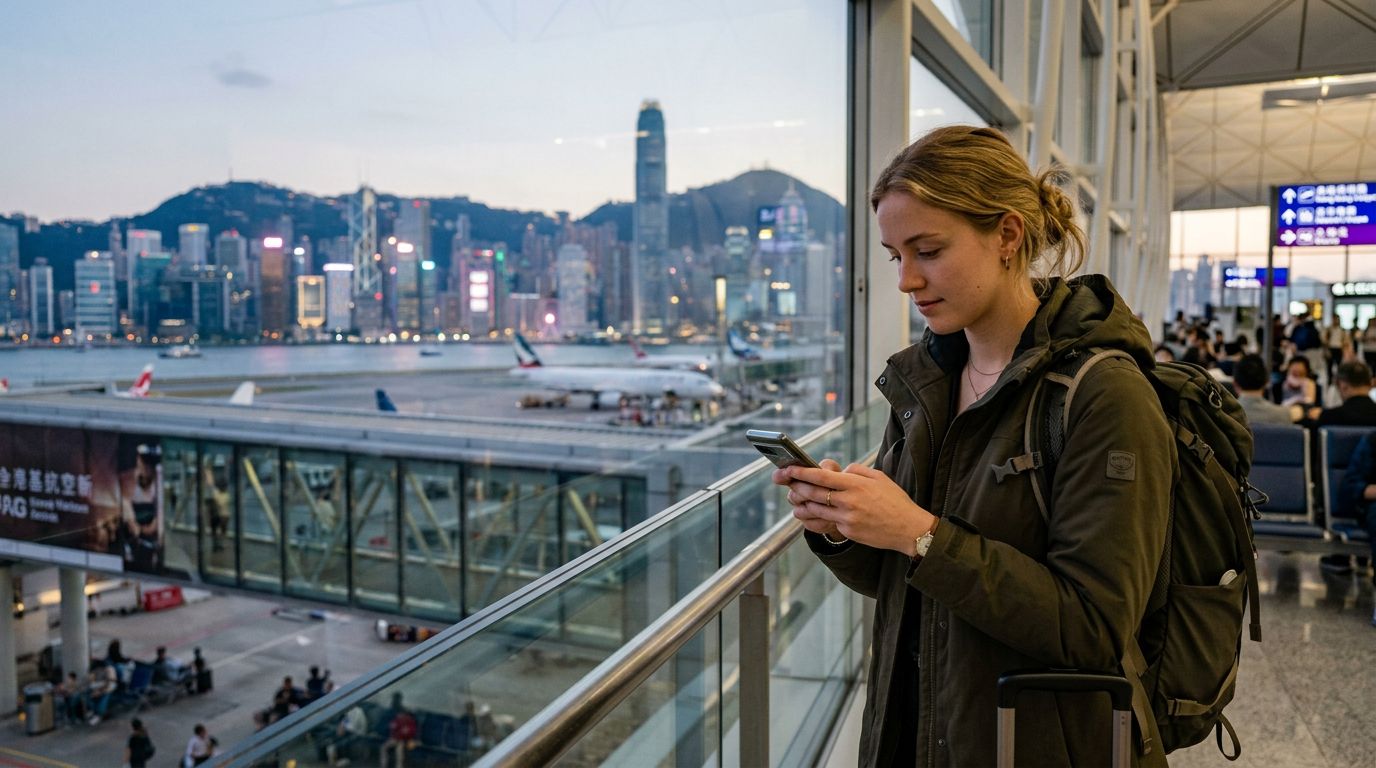
Why Dual SIM is Essential for Hong Kong Travel
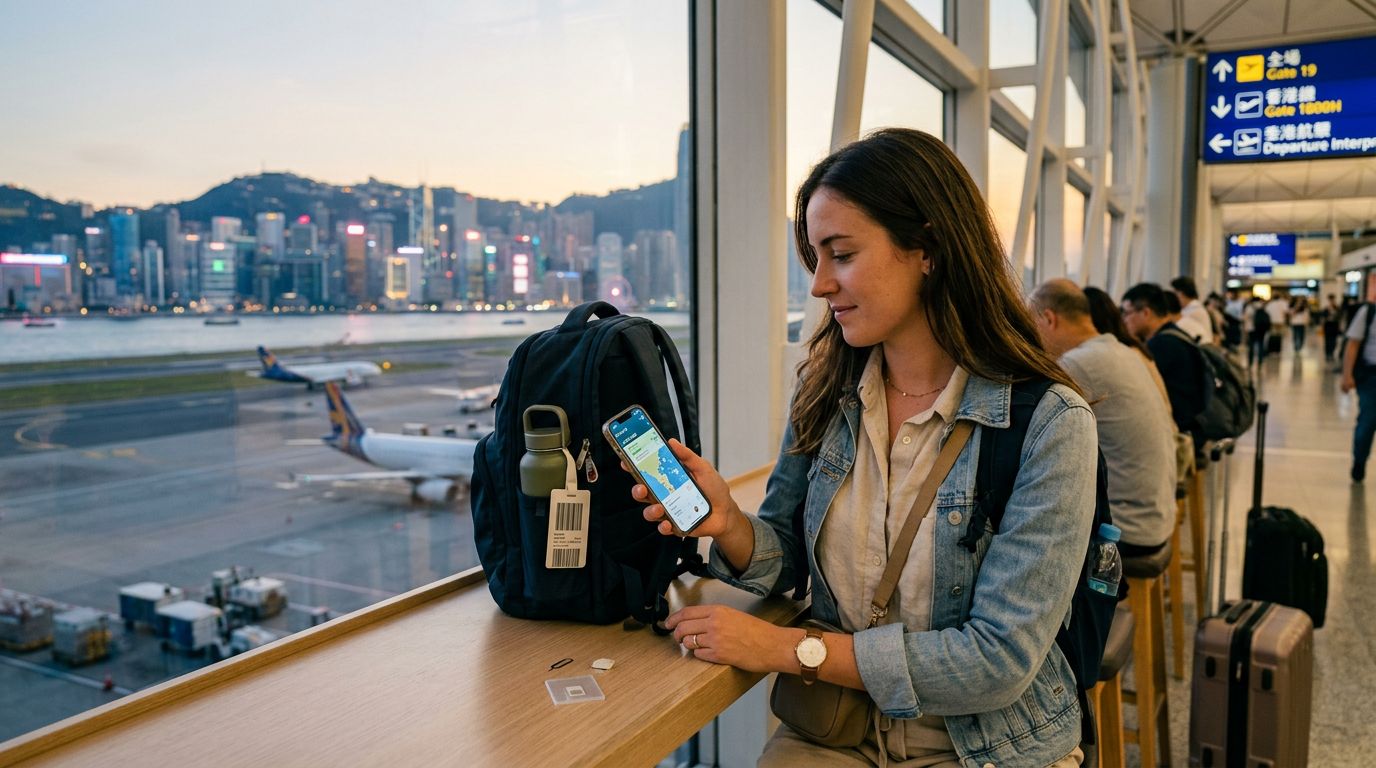
Hong Kong is a high-energy metropolis where connectivity is not just a convenience; it is a necessity. Whether you are navigating the intricate MTR subway system, finding the best hidden dim sum spots in Mong Kok, or sharing photos of the skyline from Victoria Peak, having a reliable data connection is vital. For international travelers, the most efficient way to maintain this connectivity is by using dual SIM technology.
Most modern smartphones are equipped with dual SIM capabilities, allowing you to use two different networks simultaneously. This is particularly advantageous in a city like Hong Kong, where you can keep your home number active for essential calls or two-factor authentication texts while using a secondary eSIM for high-speed local data. By using dual SIM in Hong Kong, you avoid the exorbitant roaming charges imposed by many home carriers. You no longer need to hunt for physical SIM card kiosks at the airport or worry about losing your original SIM card while swapping it out.
The flexibility of a dual SIM setup means you can designate one line for calls and messages and the other exclusively for mobile data. This separation ensures you stay reachable for emergencies or work-related calls on your primary number, while your data-heavy activities—like using GPS, translating menus, or streaming music—are handled by a cost-effective local connection. OneTapSIM provides a seamless way to manage this transition, allowing you to install a data-only profile before you even land, ensuring you are connected the moment your plane touches down at Chek Lap Kok.
Setting Up Your Device for Dual SIM Connectivity
Before you travel, it is important to confirm that your device is compatible with eSIM technology. Most flagship smartphones released in the last few years support this feature. If you have an unlocked device, you are generally ready to go. The process of setting up a second line is straightforward, but it requires a few specific steps depending on your operating system.
For iPhone users, you can manage your cellular plans through the settings menu. You can label your plans, such as "Primary" for your home service and "Travel" for your Hong Kong eSIM. This labeling makes it easy to distinguish between the two when you are checking your settings or managing your data usage. Apple provides detailed support documentation on their official website regarding how to manage these cellular plans and choose which line handles your data.
Android users will find a similar interface within their network settings. You can designate one SIM as the preferred SIM for mobile data, while keeping the other active for voice calls and SMS. Google’s support pages offer guidance on how to toggle these settings to ensure your phone does not accidentally switch to your home provider’s roaming data.
When you purchase an eSIM from a provider like OneTapSIM, you will typically receive a QR code or an activation string. Scanning this code adds the new plan to your device as a secondary cellular profile. Once installed, you can toggle it on or off as needed. The beauty of this system is that it does not overwrite your home SIM. You are essentially running two independent networks on one piece of hardware, which is the most reliable way to stay connected while traveling.
Best Practices for Managing Data While Abroad
Managing your data usage is a key part of the travel experience. Even with a generous data plan, it is wise to be mindful of how your apps consume bandwidth. When you are using dual SIM in Hong Kong, your phone might try to prioritize your home network if it detects a signal, which can lead to unexpected roaming charges. To prevent this, you should always ensure that "Data Roaming" is turned off for your primary home SIM and enabled exclusively for your travel eSIM.
Another effective strategy is to download offline maps and language packs before you leave home. While Hong Kong has excellent cellular coverage, having an offline version of the city map can save data and provide peace of mind if you find yourself in a dead zone or a deep basement in a shopping mall. Furthermore, you can adjust your phone settings to restrict background data usage for non-essential applications. This ensures that your local data allowance is reserved for navigation, ride-sharing apps, and communication tools.
If you find yourself running low on data during your trip, many modern eSIM platforms allow you to top up your plan remotely. This is one of the primary benefits of choosing a digital solution over a physical SIM card. You do not need to find a store or interact with a clerk; you simply purchase additional data through the app or website, and it is pushed to your device instantly.
Finally, remember that public Wi-Fi is widely available in Hong Kong, including at many MTR stations, public libraries, and shopping centers. While these networks are convenient, it is best practice to use a VPN if you are accessing sensitive information like banking apps. By combining the reliability of a local eSIM with smart data management habits, you can enjoy a stress-free trip to Hong Kong, knowing that your device is optimized for the best possible performance. Whether you are navigating the dense streets of Central or exploring the outlying islands, your dual SIM setup will ensure you remain connected every step of the way.