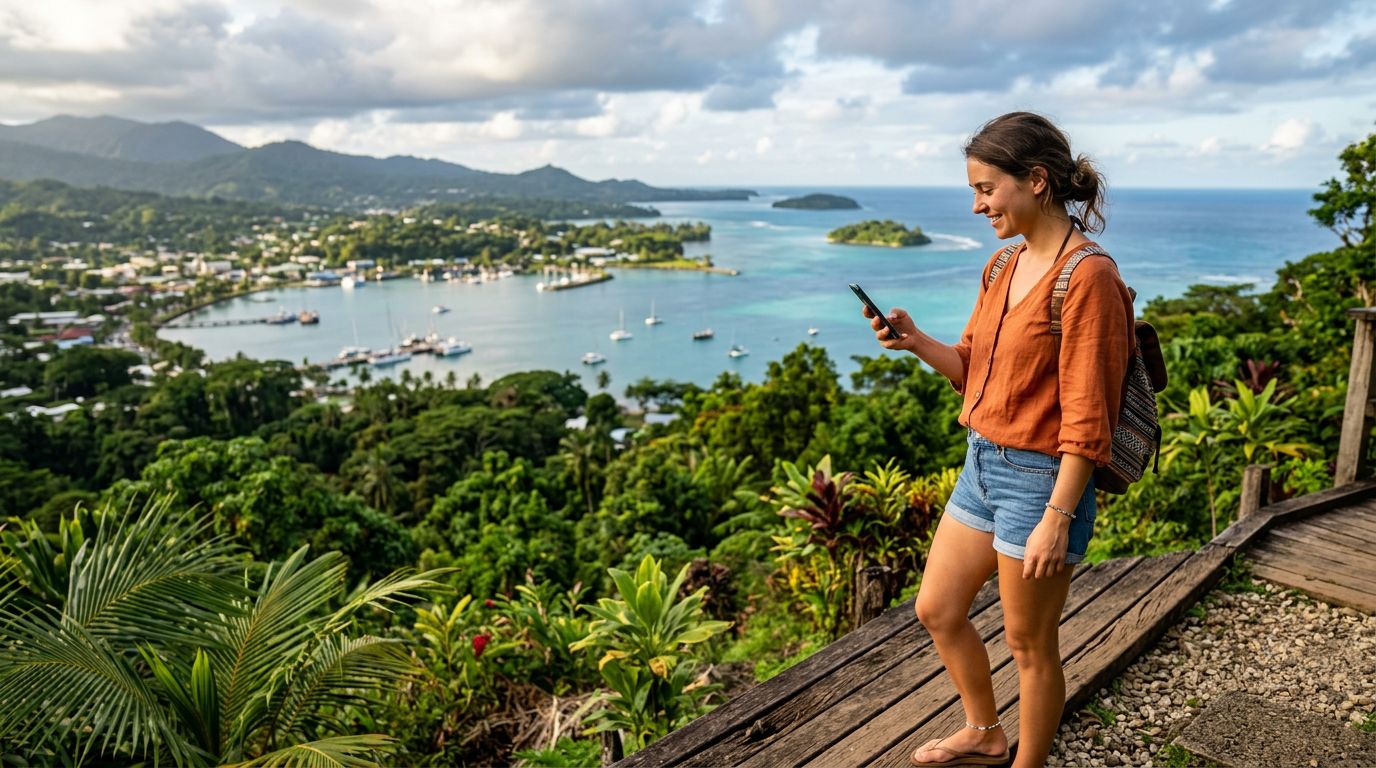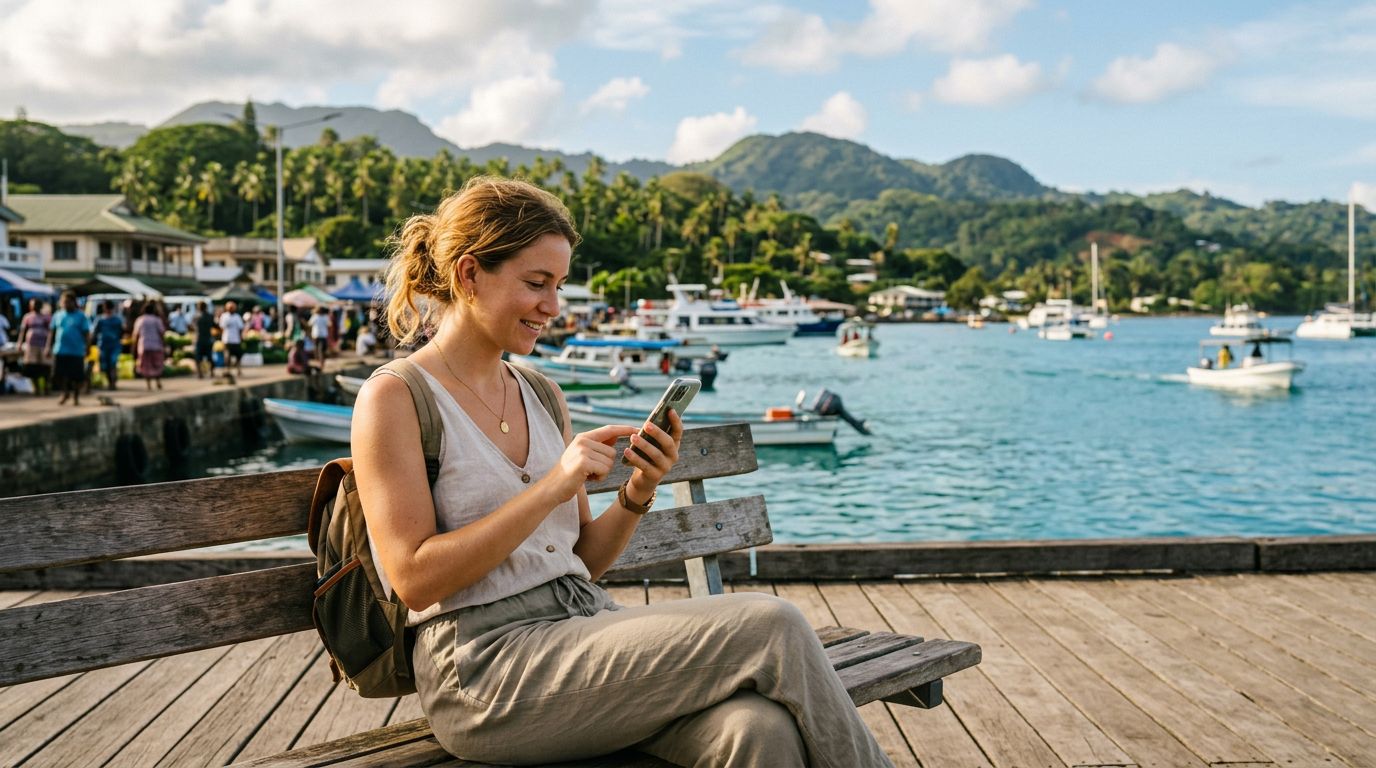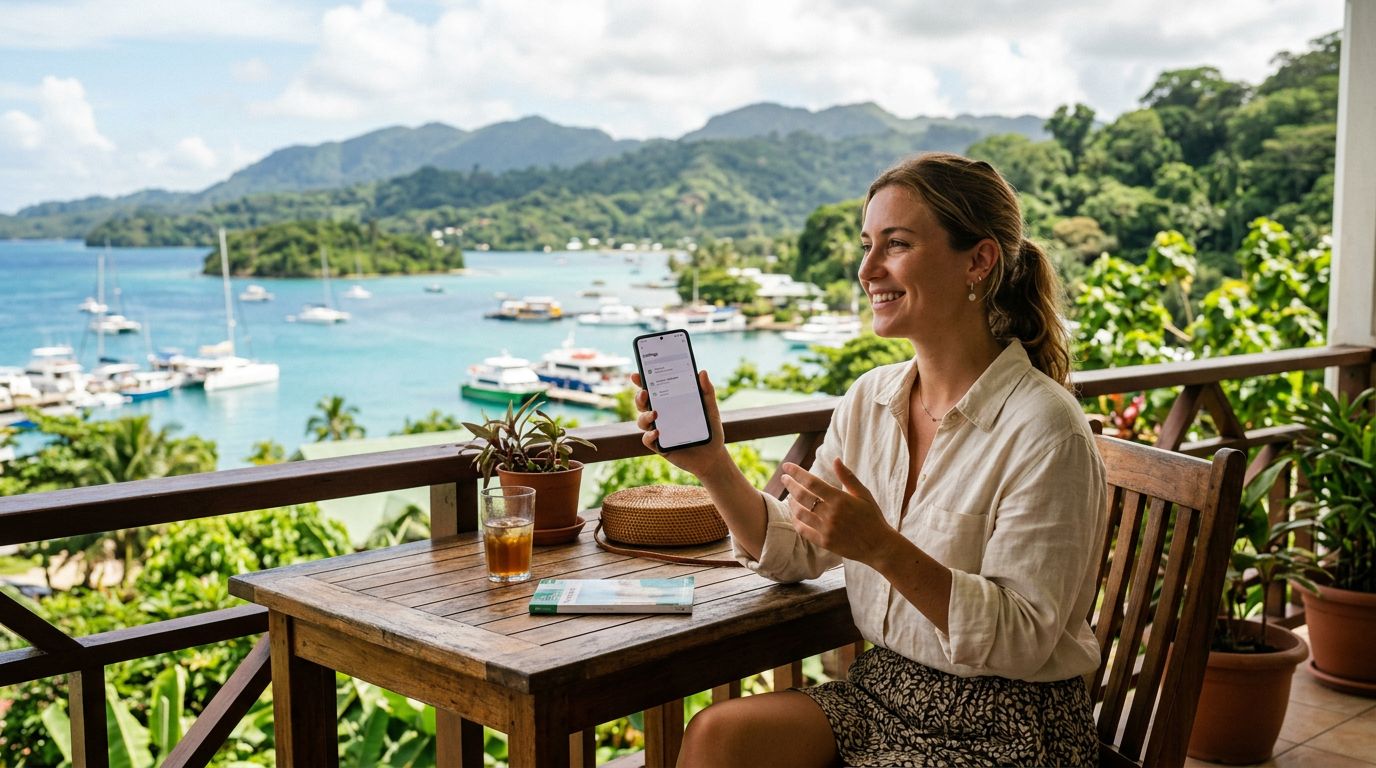
Vanuatu is an archipelago of stunning beauty, offering everything from active volcanoes and lush rainforests to pristine coral reefs. Whether you are trekking across Tanna Island or relaxing on the white sands of Espiritu Santo, staying connected is essential for safety, navigation, and sharing your journey. For many travelers, the most effective way to manage connectivity is by using dual SIM for travel in Vanuatu.
By utilizing both your primary home SIM and a travel-specific eSIM, you can maintain your regular phone number for important calls or two-factor authentication while enjoying the convenience of local data. This setup eliminates the need to swap physical cards or deal with the risk of losing your home SIM while moving between islands.
Understanding the Dual SIM Advantage
Modern smartphones are increasingly equipped with eSIM technology, which allows you to store multiple digital SIM profiles on a single device. When you travel, this capability transforms how you manage your mobile service. Instead of relying on a single carrier that might impose high roaming fees, a dual SIM configuration allows you to keep your home line active for incoming messages while routing all your data traffic through a secondary profile.
When you arrive in Vanuatu, having a dedicated data plan ready to go ensures you are not left searching for public Wi-Fi or struggling with expensive roaming packages. You can set your phone to use your home SIM for voice and SMS, while designating your travel eSIM as the primary source for cellular data. This prevents accidental data roaming charges on your home account.
OneTapSIM is designed to simplify this process. By installing a digital profile before you even board your flight, you ensure that your phone is ready to connect the moment you land. Because the eSIM is entirely digital, you avoid the physical hassle of finding a local shop to purchase a plastic card, which can be particularly difficult if you are arriving in remote areas or outside of standard business hours.
Setting Up Your Device for Vanuatu
Before you begin your trip, verify that your smartphone is unlocked and compatible with eSIM technology. Most flagship devices released in the last few years support this feature. You can confirm your device status by checking the settings menu under your cellular or mobile data section. If you see an option to "Add eSIM" or "Add Cellular Plan," your device is ready.
Once you have confirmed compatibility, the setup process is straightforward. You will typically receive a QR code or an activation link that allows you to download your service profile. Once installed, you can label your SIMs in your phone settings—for example, naming one "Home" and the other "Vanuatu Data." This labeling makes it easy to toggle between them or adjust settings on the fly.
When you land in Vanuatu, navigate to your cellular settings and ensure that your travel eSIM is enabled. You should also verify that "Data Roaming" is switched on for the eSIM profile, as this is often required for the local network to recognize your connection. At the same time, keep data roaming turned off for your home SIM to ensure you do not incur unexpected costs. If you need to make a voice call, you can temporarily switch your primary data line, but for the majority of your trip, keeping the data routed through your eSIM will be the most efficient approach.
Practical Tips for Connectivity Across the Islands
Vanuatu’s geography presents unique challenges for mobile coverage. While the main centers like Port Vila and Luganville have reliable signal strength, connectivity can become intermittent as you venture into more rural areas or move between the smaller islands. Using dual SIM for travel in Vanuatu gives you the best chance of maintaining a connection because it allows you to rely on a stable data provider while keeping your home line on standby.
To maximize your battery life and data usage, consider downloading offline maps for the specific islands you plan to visit. While your eSIM will provide the data you need for browsing and communication, offline maps ensure you can navigate even if you find yourself in a dead zone. Additionally, adjust your phone’s settings to restrict background data usage for apps you do not need while traveling. This ensures that your data allowance is reserved for essential tasks like checking local ferry schedules, booking accommodation, or contacting local tour operators.
If you find that you are running low on data, having a digital-first solution is a major benefit. With providers like OneTapSIM, you can often manage your usage through your device settings or a web interface, allowing you to monitor your consumption in real time. This level of control is far superior to traditional prepaid cards, which often require you to visit a store or purchase a scratch-off voucher to top up your balance.
Finally, remember that your home SIM will still function for incoming SMS messages. This is particularly useful if you have bank alerts or security codes sent to your phone. By keeping your home SIM active but data-restricted, you stay reachable for emergencies without paying for international data roaming. This balance of connectivity and cost-efficiency is exactly why dual SIM setups have become the gold standard for international travel. By preparing your device before you depart, you can focus on the breathtaking landscapes and vibrant culture of Vanuatu, knowing that your digital connection is handled seamlessly in the background.
Get an eSIM for
Plans for the destinations covered in this guide, with instant QR delivery.