Understanding the Dual SIM Advantage
Travelers have long struggled with the trade-off between staying connected and avoiding exorbitant roaming fees. Traditionally, this meant either switching out physical SIM cards at every border, relying on spotty hotel Wi-Fi, or paying a premium to your home carrier for international data. The introduction of eSIM technology has fundamentally changed this landscape, allowing travelers to manage multiple profiles on a single device. By using dual SIM for data abroad, you can maintain your primary phone number for essential calls and texts while dedicating a secondary eSIM profile exclusively to high-speed data.
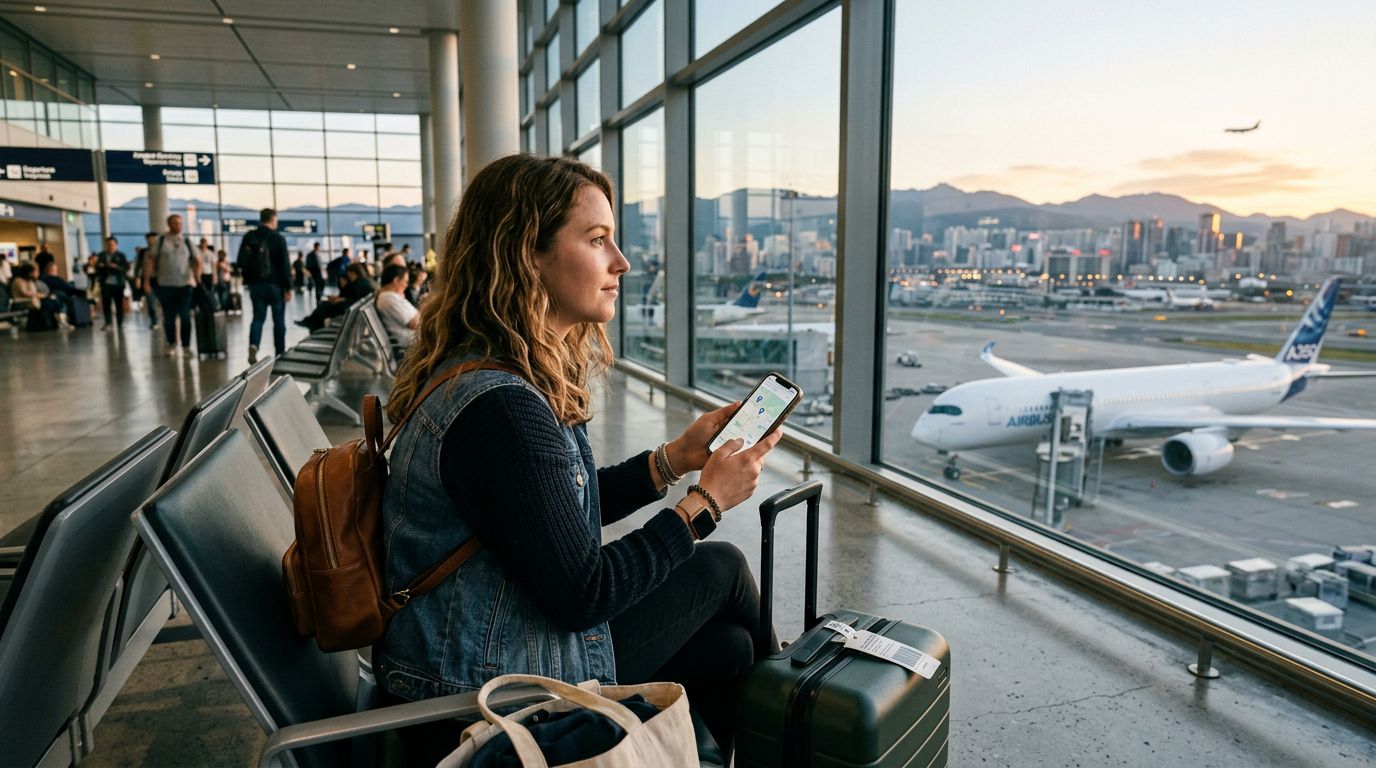
The beauty of this setup lies in its seamless integration. Modern smartphones allow you to keep your home SIM active for SMS verification codes or urgent voice calls, while simultaneously routing all your internet traffic—maps, navigation, translation apps, and social media uploads—through a local or regional data plan. This prevents the "bill shock" that occurs when your home carrier automatically triggers a daily roaming pass. With a solution like OneTapSIM, you can pre-install your data plan before you even board your flight, ensuring that as soon as the wheels touch the tarmac, you are ready to navigate your new surroundings without hunting for a local kiosk or a stable Wi-Fi signal.
Setting Up Your Device for Seamless Connectivity
Configuring your phone to handle two SIMs simultaneously is a straightforward process, provided you understand how your operating system manages cellular data. Whether you are using an iPhone or a modern Android device, the core principle remains the same: you designate one SIM for voice and the other for data.
On an iPhone, you can manage these settings by visiting the Cellular or Mobile Data menu. You have the ability to label each SIM—such as "Personal" for your home card and "Travel" for your OneTapSIM profile. The critical step is ensuring that "Allow Cellular Data Switching" is turned off. If this feature is left on, your phone might attempt to use your home carrier’s data if the signal is slightly stronger, which could inadvertently trigger roaming charges. By locking your data usage to your travel eSIM, you maintain full control over your connectivity costs.
Android users will find similar options under Network & Internet settings. You can typically select a preferred SIM for mobile data, calls, and SMS. The flexibility here is significant; you can keep your home SIM active for receiving important SMS notifications (like bank alerts or two-factor authentication codes) while offloading all heavy data tasks to your travel eSIM. Because OneTapSIM operates independently of your home provider, you gain the benefit of local network speeds, which are often faster and more reliable than the throttled connections provided by international roaming agreements.
Why Travelers Are Switching to eSIMs
The shift toward eSIM technology is driven by convenience, security, and efficiency. Physical SIM cards are small, easy to lose, and require a specialized tool to eject from your phone. In contrast, an eSIM is entirely digital. You do not need to worry about damaging your primary SIM card or losing it in a hotel room while you swap it out.
Security is another major factor. Public Wi-Fi networks in airports, cafes, and hotels are notoriously insecure. By using your own dedicated data plan through a travel eSIM, you create a private connection that does not rely on potentially compromised hotspots. This is especially important for business travelers or anyone handling sensitive information while away from home.
Furthermore, using dual SIM for data abroad allows for greater flexibility during multi-country trips. If you are traveling through Europe or Southeast Asia, you can often select a regional plan that covers multiple countries, eliminating the need to reconfigure your phone every time you cross a border. OneTapSIM provides a streamlined interface for managing these plans, allowing you to monitor your data usage in real-time. This visibility is vital for long-term travelers who need to manage their digital consumption throughout their journey.
When you land in a new destination, the last thing you want to do is spend your first hour searching for a physical SIM card vendor. By opting for a digital solution, you reclaim that time. You can walk out of the airport, open your maps app, and call a rideshare service immediately. The integration of dual SIM functionality into standard smartphone hardware has effectively democratized travel connectivity, making it accessible to anyone with a compatible device. By planning ahead and understanding how to toggle your data settings, you can ensure that your phone remains a tool for discovery rather than a source of stress. Whether you are checking flight updates, uploading photos, or keeping in touch with family, a reliable data connection is the backbone of a successful trip. By leveraging the dual SIM capabilities of your phone alongside a dedicated travel data provider, you ensure that you stay connected on your own terms, without the hidden costs or the technical headaches of traditional roaming.
Get an eSIM for
Plans for the destinations covered in this guide, with instant QR delivery.