Planning Your European Rail Adventure
Europe is a continent designed for rail travel. From the high-speed arteries connecting major capitals to the scenic, winding tracks that climb through the Alps, the train network is arguably the most efficient and enjoyable way to see the landscape. However, the sheer scale of the network can be overwhelming for those planning their first multi-country itinerary.
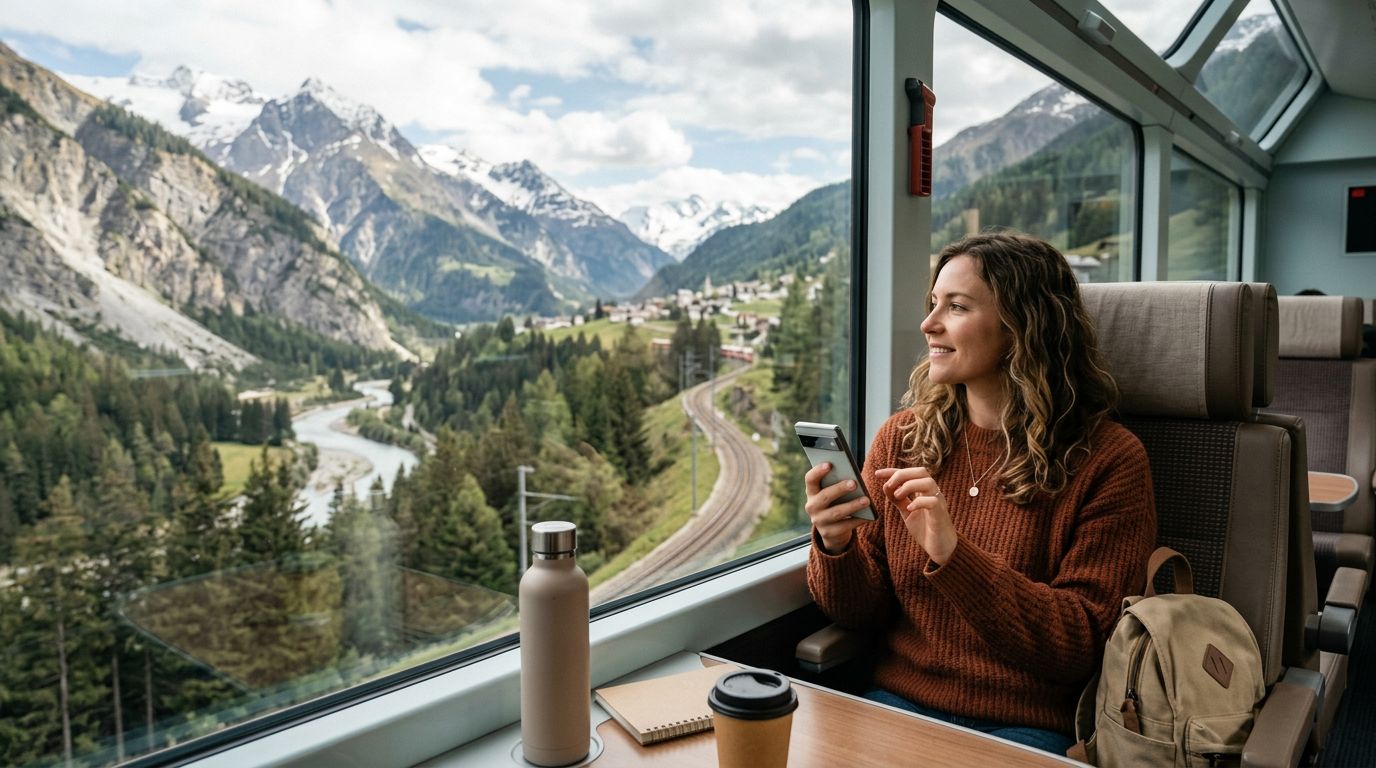
The primary rule of European rail travel is to prioritize connectivity. While it is tempting to pack your schedule with as many cities as possible, the most rewarding journeys often involve longer stays in fewer locations. When mapping out your route, consider the difference between high-speed trains and regional lines. High-speed services, such as the TGV in France or the ICE in Germany, are perfect for crossing borders quickly. Conversely, regional trains are your best friends for exploring hidden gems, smaller towns, and coastal routes where the journey itself is the main event.
Before you depart, ensure you have a clear understanding of your transit hubs. Many European cities have multiple train stations, and arriving at the wrong one can cause significant stress. Always verify the specific station name on your ticket—not just the city name. Additionally, look into the luggage policies for the specific lines you are using. While most trains offer ample overhead space, some older carriages or smaller regional trains may have limited storage, making a compact, manageable suitcase essential for a smooth experience.
Staying Connected Across Borders
One of the biggest challenges when moving between countries by rail is maintaining a reliable internet connection. Whether you need to check your next train platform, translate a menu, or call a ride-share service upon arrival, having data is non-negotiable. Traditional roaming plans often come with restrictive caps or unpredictable performance as you cross borders, which is why many savvy travelers now opt for a digital solution.
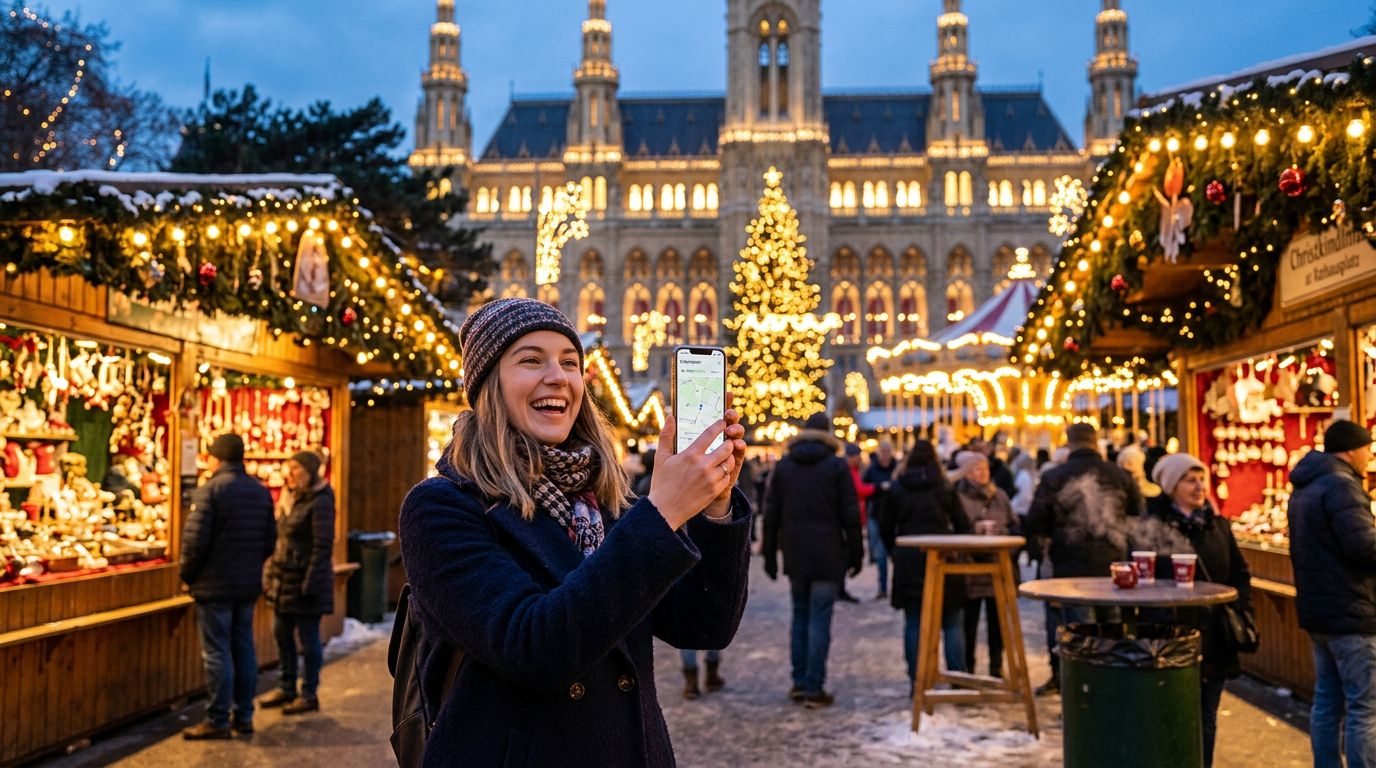
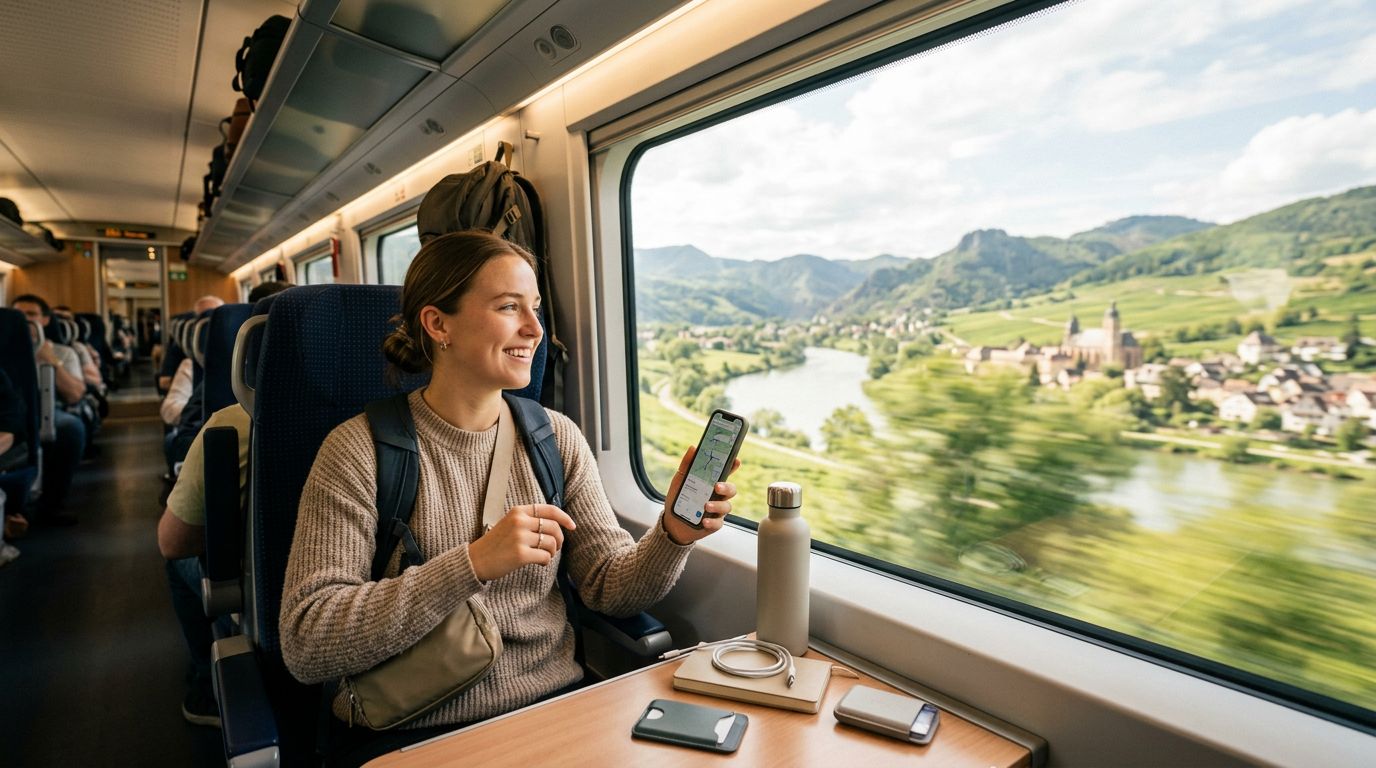
Using a travel eSIM like OneTapSIM allows you to switch between local networks seamlessly without the need to physically swap out a small plastic card. As your train crosses from one country to the next, your device can maintain connectivity, ensuring that your maps update and your messaging apps remain active. This is particularly useful when you are navigating a new station in a country where you do not speak the language. Having the ability to look up your platform number or a nearby cafe while you are still in transit provides a level of peace of mind that is difficult to replicate with traditional roaming.
Beyond convenience, digital connectivity is a matter of safety and efficiency. If a train is delayed or a connection is missed, having immediate access to real-time updates and scheduling tools allows you to pivot your plans instantly. Instead of searching for public Wi-Fi in a crowded station, you can handle your logistics directly from your seat, keeping your travel flow uninterrupted.
Mastering the On-Board Experience
The train travel experience in Europe is distinct from air travel. You are rarely confined to a seat for the entire duration, and the atmosphere is generally more relaxed. To maximize your comfort, arrive at the station at least twenty minutes before your departure. This gives you enough time to locate your platform, navigate the station, and find your carriage without rushing.
Once you are on board, take advantage of the amenities. Many long-distance trains feature dining cars or snack trolleys. While the food is convenient, it is always a good idea to pack your own water and a few snacks, especially if you are traveling on a regional line that may not offer food service. If you are traveling during the summer months, be aware that some older regional trains may not have air conditioning, so dressing in layers is a smart strategy.
Charging your devices is another critical aspect of the journey. While most modern trains offer power outlets at every seat, it is wise to carry a universal travel adapter. European plugs vary by region, and having an adapter ensures you can keep your phone, camera, and laptop charged regardless of which country you are passing through.
Finally, keep your physical and digital documents organized. While many tickets are now digital, it is helpful to have a folder or a dedicated section in your phone for your itinerary and identification. Conduct a quick check of your essential items—passport, phone, and tickets—every time you prepare to disembark. By staying organized and maintaining a consistent connection throughout your trip, you can focus on the changing scenery outside your window rather than the stress of logistics. Whether you are traveling through the rolling hills of Tuscany or the rugged mountains of Switzerland, the right preparation turns a simple transit into a memorable part of your European adventure.
Get an eSIM for
Plans for the destinations covered in this guide, with instant QR delivery.