Guyana is a destination that captures the imagination. From the mist-shrouded peaks of Mount Roraima to the thunderous roar of Kaieteur Falls, this South American gem offers experiences that are truly off the beaten path. However, when you are trekking through dense rainforests or exploring the vibrant streets of Georgetown, staying connected can be a challenge. Travelers often find themselves weighing the pros and cons of traditional roaming versus modern digital solutions. Understanding the nuances of roaming vs eSIM for Guyana is essential to ensuring you have a smooth, stress-free adventure.
The Reality of International Roaming in Guyana
For many travelers, the most convenient-sounding option is to keep their existing home SIM card active and simply turn on international roaming. It feels like the path of least resistance because you do not have to swap physical cards or configure new settings upon arrival. You keep your primary phone number active, meaning you can still receive SMS codes for banking or important calls from back home.
However, the convenience of roaming often masks significant drawbacks. The most immediate concern is the lack of transparency regarding usage. When you rely on your home carrier, you are at the mercy of their international roaming agreements. In countries like Guyana, where infrastructure can vary significantly between urban centers and remote interior regions, your home carrier’s partner networks might not offer the best coverage or data speeds.
Furthermore, relying on your home carrier often leads to "bill shock." Even if you have an international plan, these are rarely designed for high-data usage like uploading photos of your trip, using GPS for navigation, or streaming music during long bus rides. If you exceed your plan’s limits, the overage fees can be substantial. For a trip to a destination like Guyana, where you might need to use maps frequently to navigate or search for local transport information, these costs can accumulate faster than you might expect.
Why eSIM Technology is Changing Travel Connectivity
An eSIM, or embedded SIM, is a digital version of a traditional physical SIM card. It is built directly into the hardware of modern smartphones, allowing you to activate a cellular plan without needing to insert a physical chip. This technology has revolutionized how travelers approach connectivity, particularly in regions where local physical SIM cards might be difficult to acquire or register.
When comparing roaming vs eSIM for Guyana, the primary advantage of the eSIM is control. With a digital plan, you are opting into a pre-paid service that is specifically tailored for travelers. You know exactly what you are getting before you land. Because OneTapSIM offers plans designed for specific regions, you can secure your data connection in advance, ensuring that you are ready to go the moment your plane touches down at Cheddi Jagan International Airport.
Another major benefit is the ability to manage dual SIM functionality. Most modern smartphones allow you to keep your home SIM active for calls and texts while designating your eSIM as the primary source for cellular data. This is the ideal setup for a trip to Guyana. You maintain your ability to receive important two-factor authentication codes from your home bank, but you use the cost-effective, high-speed data provided by your eSIM for all your internet-related tasks. This separation of services protects you from the unpredictable costs associated with roaming data while keeping you connected to your primary network when necessary.
Practical Considerations for Your Guyana Itinerary
Guyana’s geography is diverse, ranging from the coastal plains to the deep interior highlands. When you are planning your trip, connectivity should be treated as a utility that supports your safety and convenience. If you are planning to visit remote areas, it is worth noting that no single provider—whether it is a roaming partner or a local network—will have perfect coverage everywhere. However, an eSIM allows you to access local networks more efficiently than a roaming connection, which often routes data through your home country’s servers, leading to higher latency and slower speeds.
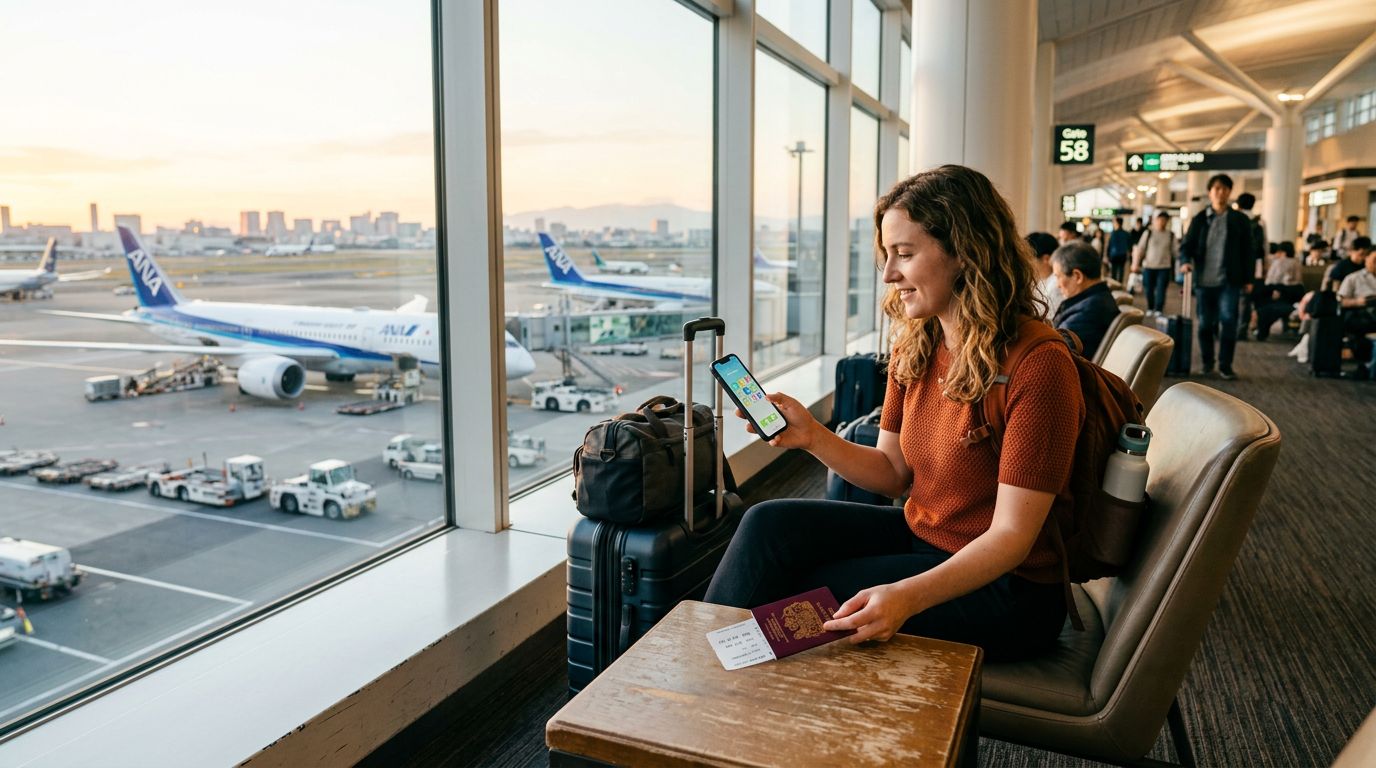
Installation is straightforward. Before you leave, you can purchase your plan through a provider like OneTapSIM. You will receive a QR code or an activation link. Once you scan this, your phone will download the necessary network credentials. You can set this up while you are still at home on your Wi-Fi, meaning you won't be scrambling to find a connection at the airport. Upon arrival in Guyana, you simply toggle your data settings to the eSIM, and you are connected.
If you are unsure if your device is compatible, you can check your phone’s settings menu to confirm if it supports eSIM functionality. Most smartphones released in the last few years have this capability. If you are using an iPhone or a modern Android device, the process is usually handled within the cellular settings menu.
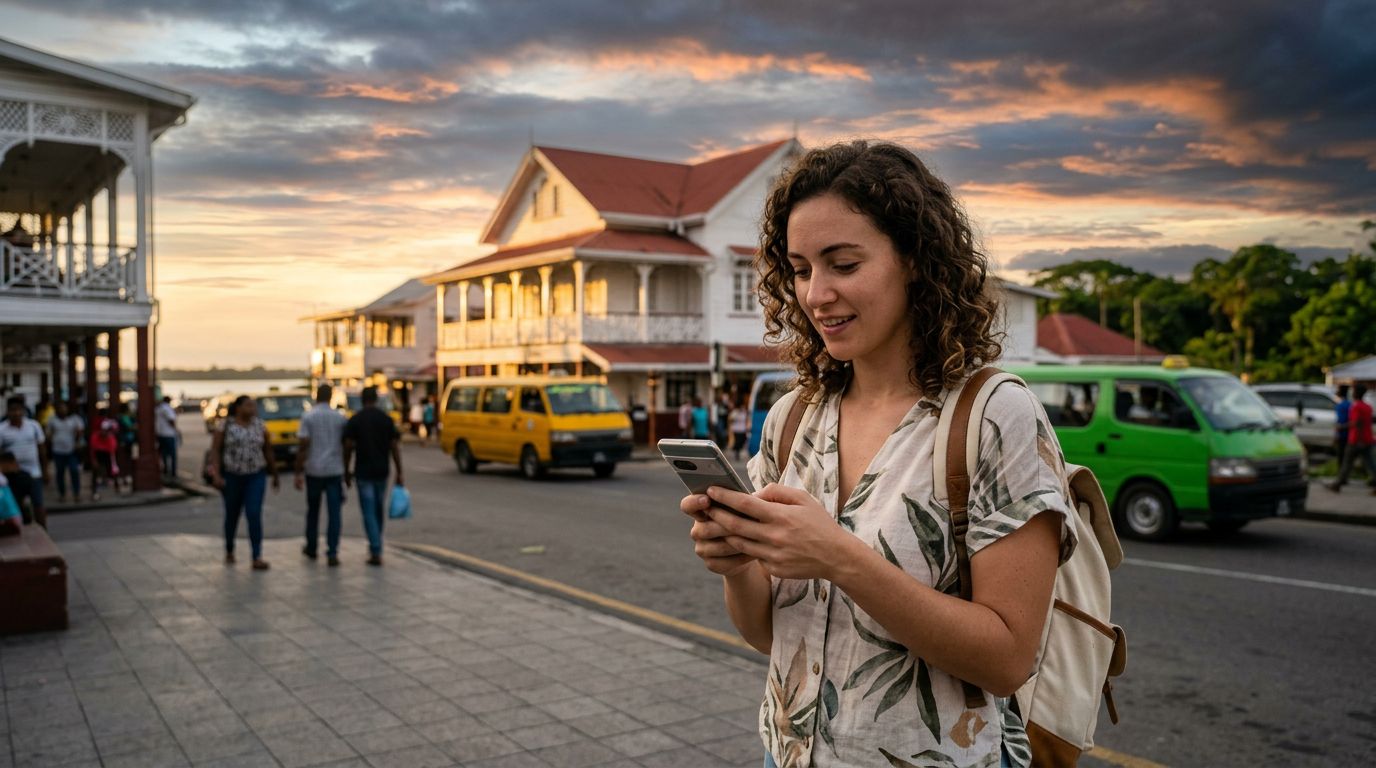
Beyond the technical setup, consider how you intend to use your phone. If you are a solo traveler, having reliable data is a safety net. It allows you to use ride-sharing apps, translate local dialects, or look up contact information for tour operators on the fly. If you are traveling in a group, having a data-only eSIM allows you to coordinate plans without being tethered to a hotel’s Wi-Fi. By choosing an eSIM, you are essentially investing in the freedom to explore Guyana on your own terms, without the anxiety of monitoring your data usage or worrying about unexpected charges on your next monthly statement.
Ultimately, the choice comes down to whether you prefer the "set it and forget it" approach of roaming—which carries higher risks and costs—or the modern, transparent, and flexible approach of an eSIM. For a destination as unique as Guyana, where you want to focus on the experience rather than the logistics of your phone bill, the eSIM is the clear winner for the modern traveler.
Get an eSIM for
Plans for the destinations covered in this guide, with instant QR delivery.