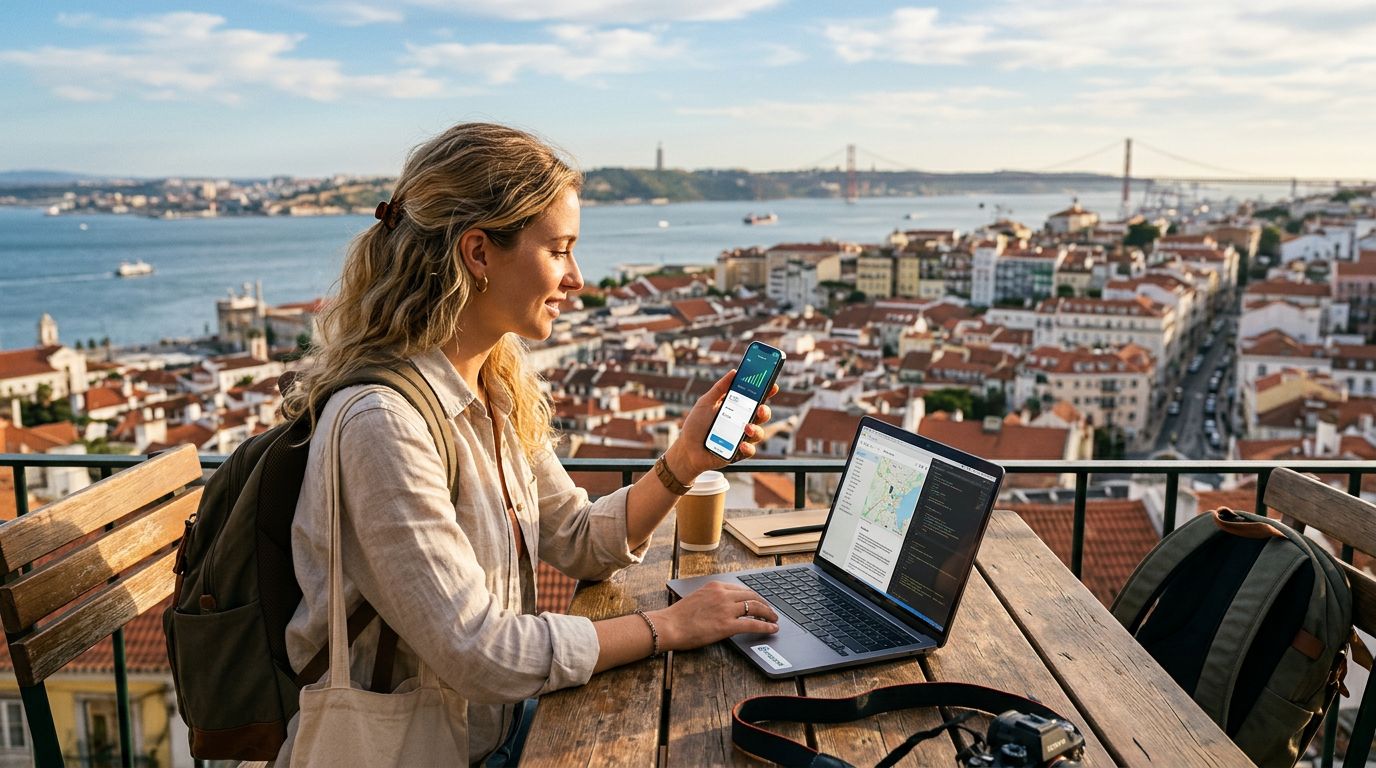
For digital nomads, the ability to stay connected is not just a convenience; it is a professional requirement. Whether you are working from a cafe in Lisbon, a co-working space in Bali, or a remote cabin in the mountains, your internet connection is your lifeline. When deciding how to handle mobile data abroad, the debate between traditional roaming and eSIM technology is a primary concern. Understanding how these options function will help you make the best choice for your lifestyle.
Understanding Traditional Roaming
Traditional roaming occurs when your home mobile carrier establishes a partnership with a foreign network provider. When you land in a new country, your device automatically connects to a local tower, and your home carrier facilitates the data transfer. While this is often the simplest method because it requires no setup, it comes with significant drawbacks.
The primary issue with roaming is the lack of transparency and control. Because you are relying on your home provider’s agreements, you are essentially a guest on a network that has no incentive to offer you competitive rates. Many nomads find that their home carriers throttle speeds significantly when they are abroad, or they impose strict data caps that are difficult to track in real-time. Furthermore, if you accidentally leave your roaming settings enabled, you risk incurring massive charges that can derail your monthly budget.
Another technical limitation is the reliance on your home SIM card. If you are in a region where your home provider has poor roaming partnerships, your signal quality will suffer. You are tethered to the infrastructure of your home country, which may not be optimized for the specific cellular bands used in your current location. For a digital nomad who requires reliable video conferencing and large file uploads, this lack of optimization can lead to dropped calls and unstable connections.
The Advantages of eSIM Technology
An eSIM, or embedded SIM, is a digital version of the physical SIM card you have used for years. Instead of needing to swap out a plastic chip, you download a data profile directly to your device. This technology has revolutionized travel connectivity because it allows you to switch between local networks instantly.
The most significant benefit of an eSIM is the ability to maintain your home number for critical authentication—such as two-factor verification for banking—while using a separate, dedicated data plan for your work. By using a service like OneTapSIM, you can provision a data-only profile that connects you directly to local cellular towers. This bypasses the middleman of your home carrier, providing a much more stable and faster connection.
Because eSIMs are software-based, they offer unparalleled flexibility. You can purchase and activate a plan before you even board your flight. Once you land, you simply toggle your data settings to the new eSIM profile, and you are online within seconds. This eliminates the need to hunt for local kiosks in airports or deal with language barriers when trying to purchase a physical SIM card. For nomads who move between countries frequently, the ability to manage multiple profiles on a single device is a major productivity booster.
Roaming vs eSIM for Digital Nomads: Making the Right Choice
When comparing roaming vs eSIM for digital nomads, the decision usually comes down to reliability and control. Traditional roaming is a passive solution, but it is often inefficient. It forces you to rely on a system designed for short-term tourists rather than long-term remote workers who need consistent, high-speed access.
eSIM technology provides a proactive approach. By choosing a local or regional data profile, you ensure that your device is communicating with the best available towers in your immediate vicinity. This is critical for tasks like cloud syncing, remote desktop access, and high-definition video calls. With tools like OneTapSIM, you gain the ability to monitor your data usage through a clear interface, ensuring you never run out of bandwidth during a critical project deadline.
Compatibility is also a factor to consider. Most modern smartphones support eSIM functionality. You can verify your device's capabilities through your manufacturer's support pages, such as those provided by Apple or Google. If your device is compatible, the transition to eSIM is seamless. You keep your physical SIM slot free, which can be useful if you ever find yourself in a location where you need a local physical SIM for specific services or emergency calls.
Security is another often overlooked aspect. Public Wi-Fi in cafes and airports is notoriously insecure, making it a risky choice for accessing sensitive work documents. Relying on a dedicated eSIM data plan provides a private, secure connection that is entirely under your control. You are not sharing bandwidth with other patrons, and you are not exposed to the risks associated with open, public networks.
Ultimately, the digital nomad lifestyle demands tools that adapt to your environment rather than forcing you to adapt to them. While roaming might work for a quick weekend getaway, it is rarely sufficient for someone who works full-time while traveling. The move toward eSIM technology represents a shift toward greater autonomy. By taking control of your connectivity through platforms like OneTapSIM, you ensure that your work remains uninterrupted, regardless of your physical coordinates. As you plan your next destination, consider the stability, security, and efficiency that a dedicated eSIM profile brings to your workflow. It is a small change in how you manage your mobile data, but it makes a significant impact on your ability to work effectively from anywhere in the world.