Understanding the Differences Between Physical SIM Cards and eSIMs in Qatar
Planning a trip to Qatar involves checking off many boxes, from booking your stay to organizing your itinerary for Doha’s vibrant markets and modern architecture. One of the most important aspects of your preparation is ensuring you have reliable mobile connectivity. When researching your options, you will frequently encounter the debate regarding a Qatar SIM card vs eSIM. Understanding the technical and practical differences between these two options is the first step toward a stress-free travel experience.
A traditional physical SIM card is a small, removable chip that you insert into your device. For years, this was the standard method for international travelers. To get one in Qatar, you typically visit a mobile provider’s kiosk at the airport or a retail store in the city. You must present your passport, register your details, and physically swap out your home SIM card. This process can be time-consuming, especially after a long flight when you simply want to reach your hotel.
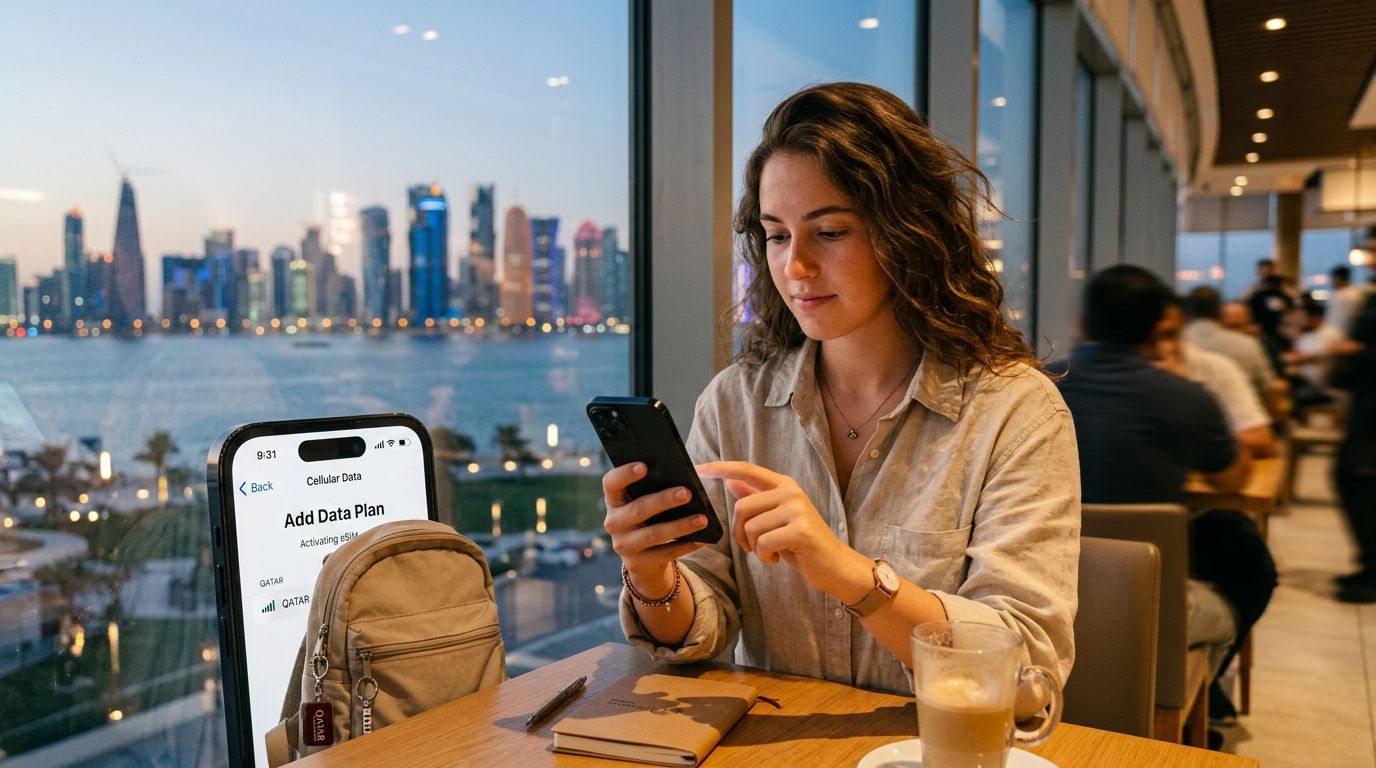
An eSIM, or embedded SIM, is a digital version of that physical chip. It is already built into the hardware of modern smartphones. Instead of handling a tiny piece of plastic, you download a data profile via a QR code or an app. This allows you to activate your mobile service remotely. Because it is digital, you do not need to remove your primary SIM card, which means you can keep your home number active for important calls or SMS verification codes while simultaneously using your eSIM for local data. This dual-capability is a significant advantage for travelers who need to stay reachable on their primary line while navigating a new country.
Why Travelers Are Choosing eSIMs for Their Qatar Adventures
The shift toward eSIM technology has been driven by the desire for convenience and efficiency. When you compare a Qatar SIM card vs eSIM, the primary benefits of the digital option revolve around timing and ease of use. With an eSIM, you can set up your connection before you even leave your home country. By the time your plane touches down at Hamad International Airport, your device is ready to connect to the local network the moment you switch off airplane mode.
Another major advantage is the preservation of your physical hardware. Physical SIM cards are notoriously easy to lose, especially when you are juggling luggage, passports, and travel documents. If you have ever struggled to find the small pin tool required to open your SIM tray, you understand the frustration of trying to swap cards in a busy terminal. An eSIM eliminates this risk entirely. There is no risk of dropping your home SIM card on a dirty airport floor or damaging the delicate tray mechanism of your phone.
Furthermore, managing your data becomes much simpler. With services like OneTapSIM, the process is streamlined to remove the technical hurdles often associated with manual configuration. You are provided with clear instructions to install your profile, ensuring that your transition to a local network is seamless. For travelers visiting multiple destinations or those who prefer to keep their travel arrangements organized in one digital space, the eSIM offers a level of flexibility that physical cards simply cannot match. It is a modern solution that aligns with the way we travel today, prioritizing autonomy and reliability.
Evaluating Connectivity and Compatibility for Your Trip
Before deciding between a physical SIM card and an eSIM, you must verify that your device is compatible. Most flagship smartphones released in the last few years support eSIM technology. You can check your device settings or consult the manufacturer's support documentation to confirm if your phone is carrier-unlocked and eSIM-ready. If your device does not support eSIM, a physical SIM card remains your only viable option.
When choosing a provider, reliability is the most important factor. Qatar has excellent mobile infrastructure, and you want to ensure your chosen service connects to the most stable networks available. OneTapSIM focuses on providing high-quality data access that allows you to use navigation apps, translation tools, and social media without interruption. Whether you are wandering through the Souq Waqif or exploring the Museum of Islamic Art, having a consistent data connection is essential for looking up information on the fly or sharing your experiences in real time.
The choice between a Qatar SIM card vs eSIM ultimately comes down to your personal preference for hardware management versus digital convenience. If you value the ability to land in a country and have your data ready instantly without visiting a store, the eSIM is the clear winner. It removes the language barriers that can sometimes occur at retail kiosks and saves you the time you would otherwise spend queuing for service. By preparing your connectivity ahead of time, you allow yourself more freedom to enjoy the sights, sounds, and culture of Qatar from the moment you arrive.
For many travelers, the peace of mind that comes with having a pre-configured data plan is worth the transition to eSIM technology. It simplifies the logistics of international travel, allowing you to focus on your itinerary rather than your connectivity. As you finalize your plans, consider how much value you place on convenience and the ability to manage your mobile settings independently. For most modern travelers, the digital path offered by an eSIM is the most efficient way to stay connected throughout their stay in Qatar.
Get an eSIM for
Plans for the destinations covered in this guide, with instant QR delivery.