Planning Your California Dream Drive
The Pacific Coast Highway, often referred to as Highway 1, is more than just a road; it is a ribbon of asphalt draped over the dramatic edge of the American West. Stretching from the misty forests of the north to the sun-drenched cliffs of the south, this route offers some of the most spectacular coastal scenery on the planet. Whether you are planning a quick weekend getaway or a week-long expedition, preparation is the key to enjoying the journey without the stress of logistics.
Before you set off, you need to decide on your direction. Driving from north to south—from San Francisco toward Los Angeles—is the classic choice. This orientation keeps your vehicle in the lane closest to the ocean, providing unobstructed views of the crashing waves and easier access to the many scenic pull-offs along the cliffside. Regardless of your direction, the route is filled with hidden gems that require a bit of research.
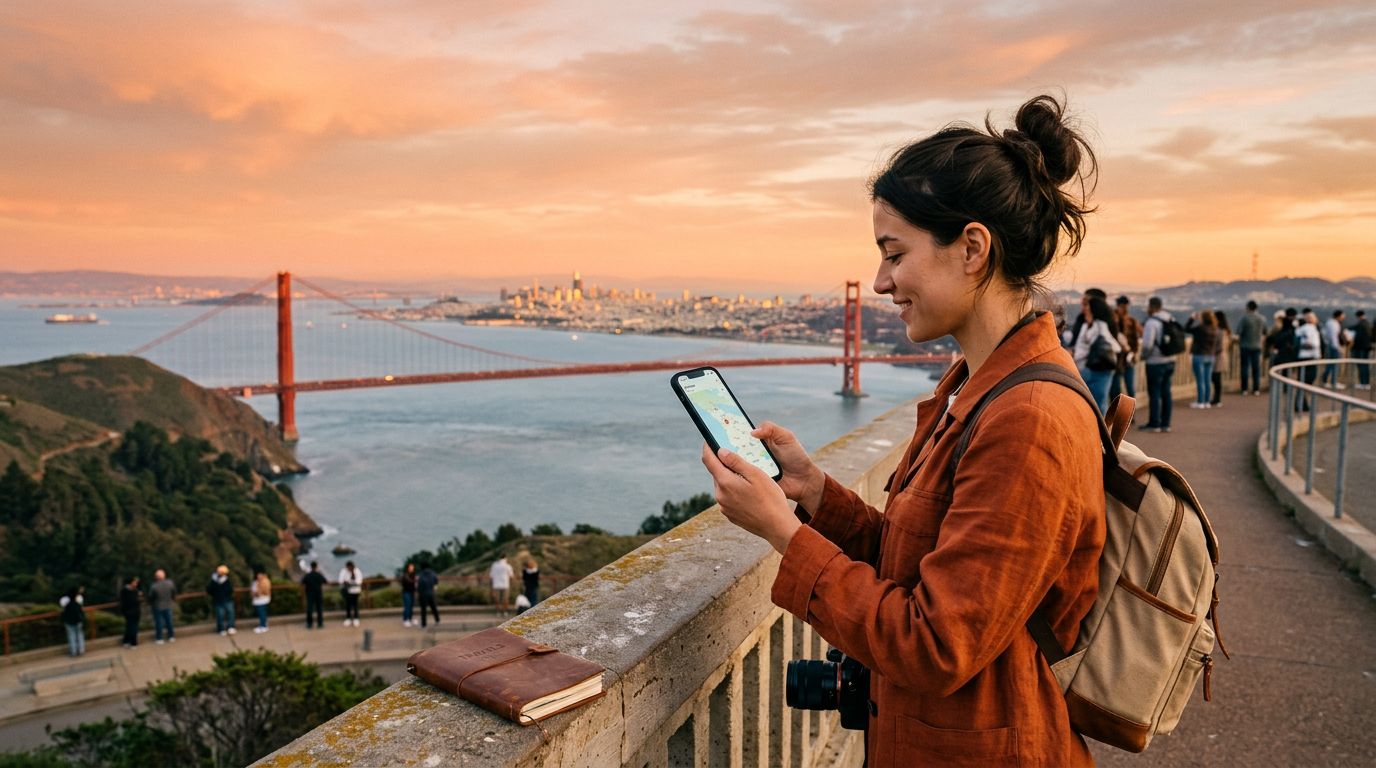
Reliable connectivity is essential for a successful road trip. You will rely on your smartphone for real-time traffic updates, finding the best local diners, and navigating the winding stretches where cell signals can be notoriously spotty. Using a travel eSIM from OneTapSIM ensures that you have a stable data connection as you transition between rural coastal zones and urban hubs. By installing your eSIM before you leave, you avoid the hassle of hunting for local physical SIM cards or dealing with roaming restrictions. Having constant access to maps and travel apps allows you to focus on the horizon rather than worrying about losing your signal in the canyons of Big Sur.
Essential Stops Along the Route
The beauty of the Pacific Coast Highway lies in its variety. You transition from the towering redwoods near the Oregon border to the Mediterranean-style architecture of Santa Barbara. One of the most iconic segments is the stretch through Big Sur. Here, the Santa Lucia Mountains rise abruptly from the Pacific Ocean, creating a rugged landscape that feels untouched by time. The Bixby Creek Bridge is a mandatory stop; its soaring concrete arch is a marvel of engineering and a perfect spot for photography.
Further south, the landscape softens into the rolling hills of San Luis Obispo and the charming Danish-inspired village of Solvang. This region is a paradise for those who enjoy local food and wine. Because many of these smaller towns are tucked away in valleys or along winding coastal roads, having a consistent data connection is vital. Whether you are checking reviews for a farm-to-table restaurant or looking up the opening hours for a historic mission, your OneTapSIM keeps you tethered to the information you need.
Do not overlook the smaller state parks that dot the coastline. Places like Julia Pfeiffer Burns State Park offer short, rewarding hikes that lead to hidden waterfalls dropping directly onto the sand. These areas are often located in "dead zones" for traditional carrier roaming, but a high-quality travel eSIM helps maintain your connection, allowing you to share your experiences or adjust your itinerary on the fly. When you are traveling through remote stretches, knowing that your device is ready to go provides a layer of security that allows you to fully immerse yourself in the scenery.
Practical Tips for a Seamless Experience
A road trip of this magnitude requires a balance between structure and spontaneity. While it is tempting to book every minute of your itinerary, the Pacific Coast Highway is best enjoyed when you leave room for the unexpected. You might find a roadside fruit stand that demands a stop, or a quiet beach where you want to spend an extra hour watching the sunset.
To keep your journey smooth, keep your digital tools organized. Ensure your device is compatible with eSIM technology before your trip. If you are unsure about your device settings, you can find helpful guides at support.apple.com or support.google.com to verify your phone's capabilities. Once you have confirmed compatibility, setting up your OneTapSIM is a straightforward process that takes only a few minutes. This digital approach is perfect for road-trippers who want to travel light, as it eliminates the need to carry extra hardware or manage small plastic cards.
Beyond connectivity, consider your vehicle and your supplies. The Pacific Coast Highway features many steep grades and sharp turns, so ensure your rental car is in good condition and that you have a physical backup of your maps in case of extreme weather or total signal loss. However, for the vast majority of your trip, your smartphone will be your primary tool for everything from booking last-minute hotel rooms to streaming your favorite driving playlist.
Finally, remember to respect the environment. The coastline is a fragile ecosystem. Always pack out what you pack in, stay on marked trails, and be mindful of local wildlife. By traveling responsibly and staying prepared with the right digital tools, you turn a simple drive into a memorable adventure. The Pacific Coast Highway is a bucket-list experience for a reason, and with a bit of planning and the right support, it is a trip you will remember for the rest of your life. Whether you are driving solo or with friends, the freedom of the open road is best enjoyed when you are connected, informed, and ready for whatever lies around the next bend.
Get an eSIM for
Plans for the destinations covered in this guide, with instant QR delivery.