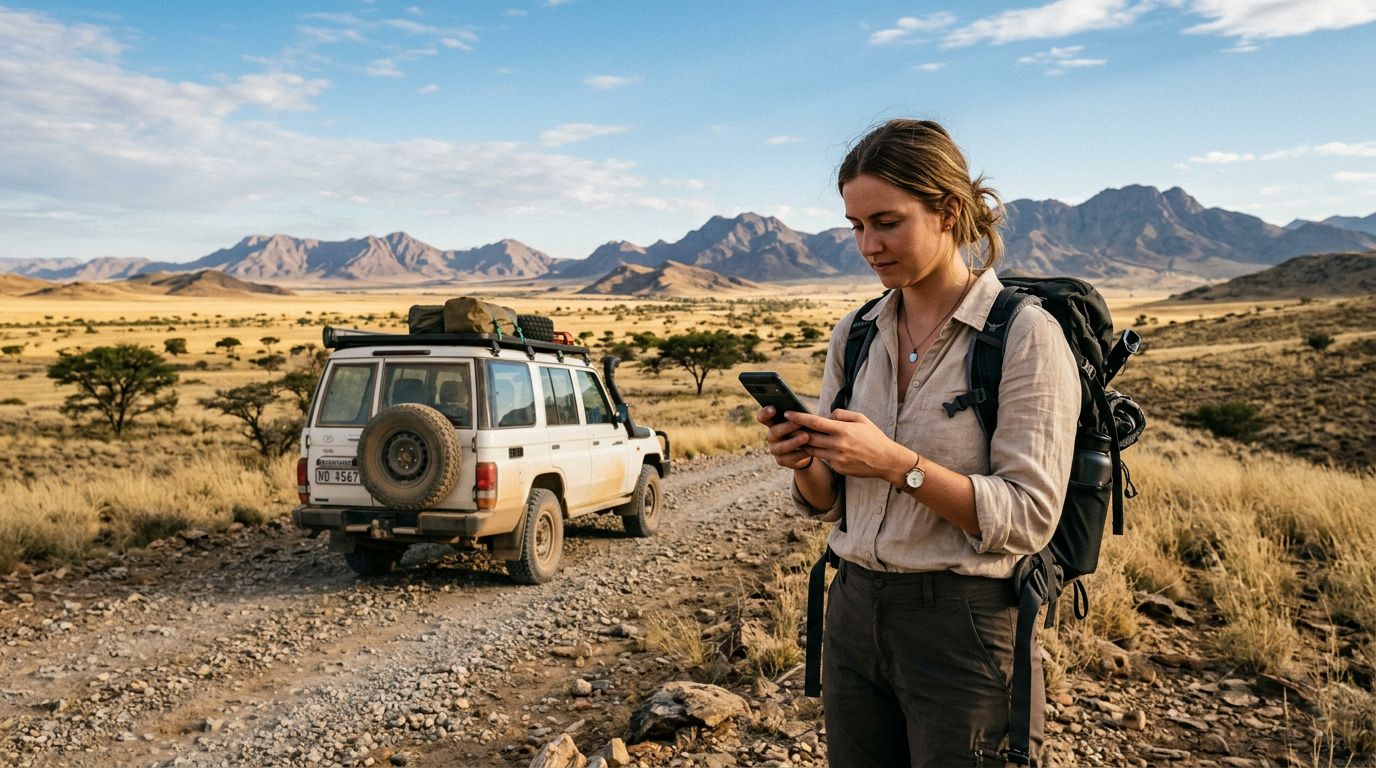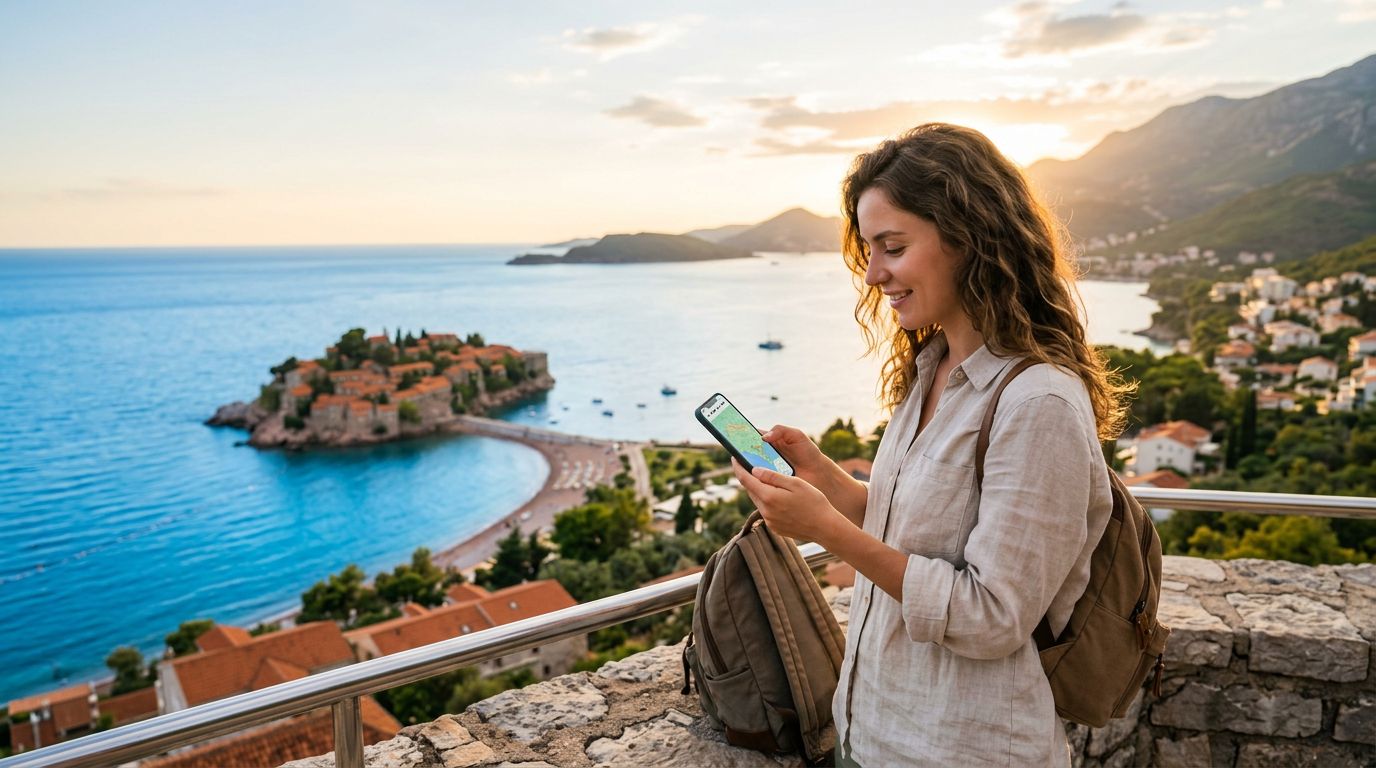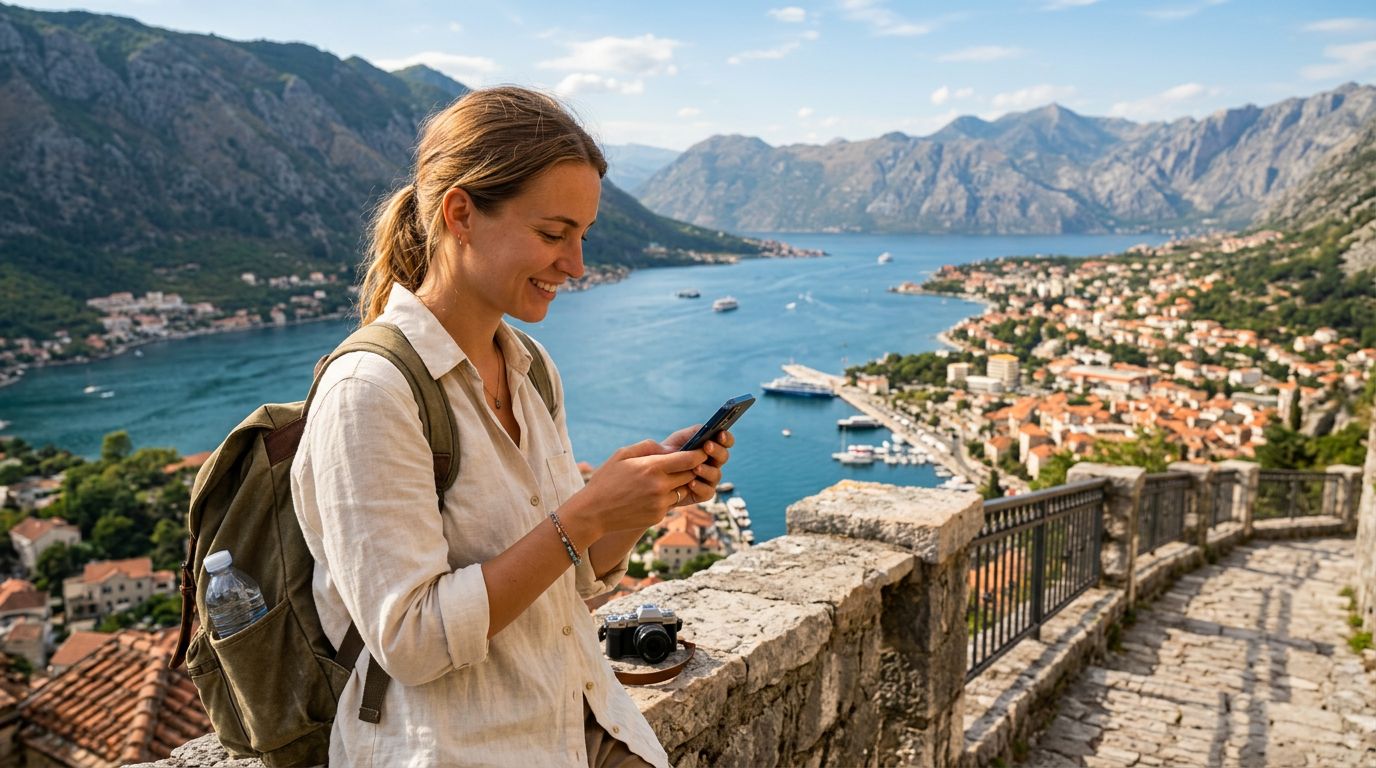
Montenegro is a destination defined by its dramatic landscapes, from the turquoise waters of the Bay of Kotor to the rugged peaks of Durmitor National Park. Whether you are planning to hike through ancient forests or explore the historic stone streets of Budva, staying connected is essential for accessing maps, translation tools, and travel updates. However, managing mobile data usage in Montenegro requires a bit of foresight to avoid unexpected connectivity issues or excessive roaming charges from your home provider.
Understanding Data Consumption While Traveling
The primary challenge for most travelers is that their smartphones are constantly consuming data in the background. Even when you are not actively browsing the web, apps are frequently syncing, updating, and fetching new information. When you are abroad, these background processes can quickly eat through your data allowance.
Before you arrive in Montenegro, spend a few minutes reviewing your phone’s settings. On iOS, you can navigate to your cellular settings to see exactly which apps have been consuming the most data. On Android, a similar data usage menu allows you to monitor your consumption patterns. By identifying the "data-hungry" applications—usually social media platforms, video streaming services, and cloud backup tools—you can make informed decisions about which ones to restrict while you are on the move.
One effective strategy is to disable background app refresh for non-essential applications. This ensures that apps only update when you manually open them. Furthermore, consider turning off automatic app updates. If your phone is set to update software or applications over cellular data, it might initiate a large download the moment you connect to a local network, potentially exhausting your data pool instantly.
Practical Steps for Efficient Data Management
Once you have arrived in Montenegro, your priority should be optimizing your data usage to ensure your connection lasts throughout your trip. The most effective way to manage your mobile data usage in Montenegro is to rely on offline resources whenever possible. Download maps of your destination in advance so you can navigate the winding coastal roads or mountain trails without needing a live connection. Many navigation apps allow you to save specific regions for offline use, which is a lifesaver when you are in remote areas where cellular coverage might be intermittent.
Another tip is to adjust your media settings. If you use streaming platforms for music or podcasts, download your playlists and episodes while you are connected to a stable Wi-Fi network at your accommodation. If you must use mobile data, lower the streaming quality in the app settings. High-definition video and audio consume significantly more data than standard-quality versions, and the difference is often negligible on a small smartphone screen while you are outdoors.
For those who need to stay in touch with work or family, prioritize text-based communication over video calls. Video conferencing requires a constant, high-speed stream of data that can drain your allowance in minutes. If you need to share photos or videos, wait until you are back at your hotel or a cafe with reliable Wi-Fi. By shifting these high-bandwidth activities to local networks, you preserve your mobile data for essential tasks like checking train schedules, confirming reservations, or searching for nearby restaurants.
Choosing the Right Connectivity Solution
Relying on your home carrier’s international roaming plan is often the most expensive and least transparent way to stay connected. These plans can be difficult to track, and you may find yourself with a hefty bill upon returning home. This is where modern connectivity solutions like OneTapSIM become incredibly valuable.
By opting for a travel eSIM, you gain more control over your mobile data usage in Montenegro. An eSIM allows you to activate a local data plan directly on your device without the need for a physical SIM card swap. Because these plans are prepaid and digital, you know exactly how much data you have available from the start. There are no hidden fees or surprise roaming charges because you are using a dedicated data allocation designed specifically for travelers.
Managing your data becomes much simpler when you have a clear, dedicated plan. With an eSIM, you can keep your primary number active for calls or texts if necessary, while routing all your data traffic through the travel plan. This separation makes it easier to monitor your usage and prevents your home carrier from charging you for background data roaming.
If you find that your data needs change during your trip—perhaps you decide to stay longer or you find yourself using more navigation than expected—many eSIM providers allow you to top up your data balance easily. This flexibility is far superior to traditional roaming, which often locks you into rigid, high-cost daily rates. By planning ahead and choosing a solution that provides clear visibility into your data consumption, you can focus on enjoying the beauty of Montenegro rather than worrying about your connectivity status.
Ultimately, the goal of managing your mobile data is to ensure that technology serves your travel experience rather than hindering it. By adjusting your device settings, downloading offline content, and utilizing a transparent, prepaid eSIM solution, you can maintain the connectivity you need to navigate Montenegro with confidence. Whether you are uploading a photo of the sunset over the Adriatic or finding the best local bakery in the old town, having a reliable and controlled data plan will make your journey smoother and more enjoyable.
Consigue una eSIM para
Planes para los destinos de esta guía, con entrega instantánea por QR.