Understanding Connectivity Options in Liechtenstein
Planning a trip to the heart of Europe often involves balancing breathtaking mountain views with the practical need to stay connected. Liechtenstein, while small, offers a modern infrastructure that supports high-quality mobile data. When you arrive, you are faced with a fundamental choice: sticking with a traditional physical SIM card or upgrading to the flexibility of an eSIM.
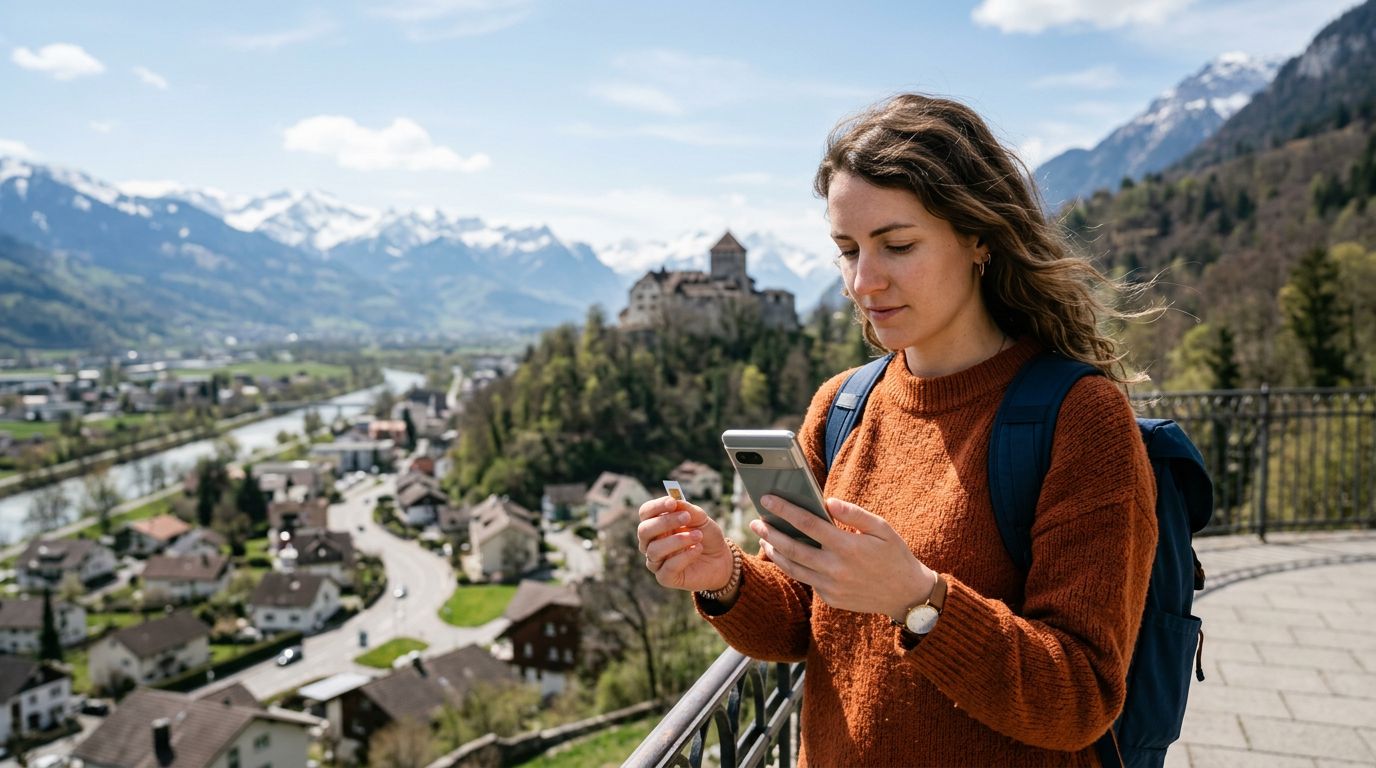
A physical SIM card is the legacy standard. It requires you to physically open your phone’s SIM tray, remove your home carrier’s chip, and replace it with a local one. While this method is familiar, it comes with inherent risks. You have to handle a tiny, fragile piece of plastic that is easily lost or damaged. Furthermore, you must keep track of your original SIM card for the duration of your trip, which creates a high chance of misplacing it in your hotel room or luggage.
In contrast, an eSIM—or embedded SIM—is a digital version of that same technology. It is built directly into the hardware of modern smartphones. Instead of swapping out physical components, you simply download a profile to your device. This allows you to maintain your home number for essential calls or texts while using a secondary data plan for your browsing, navigation, and social media needs. Services like OneTapSIM streamline this process, allowing travelers to activate their connection almost immediately upon landing or even before they leave home.
Comparing Convenience and Installation
The most significant difference between a Liechtenstein SIM card and an eSIM lies in the installation experience. If you choose a physical SIM, you are often at the mercy of local retail hours. Upon arriving at the airport or reaching the city center, you may find yourself searching for a mobile shop, waiting in line, and attempting to communicate with staff to find a plan that suits your data needs. This can be a frustrating start to a vacation, especially after a long flight.
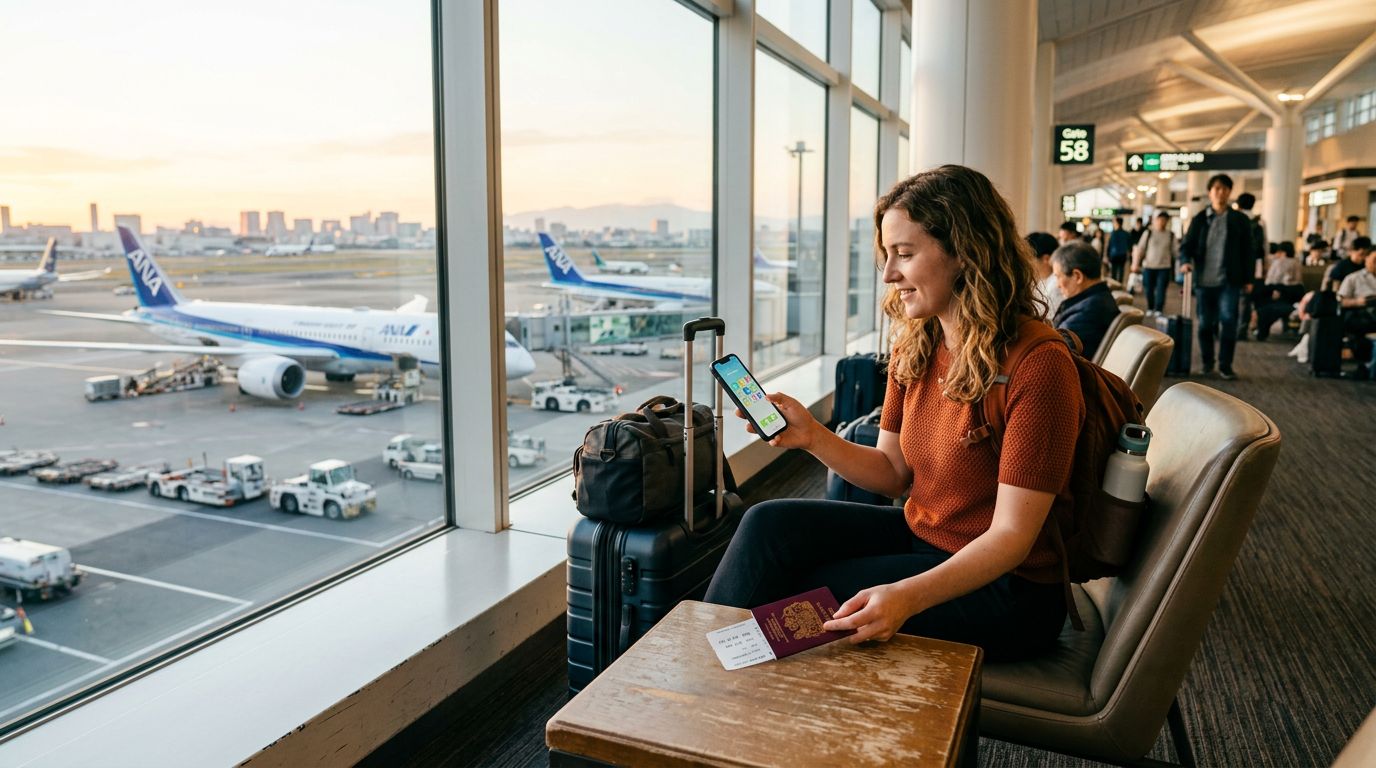
With an eSIM, the process is entirely remote. You can purchase your data plan before your plane even touches down in Switzerland or Liechtenstein. Once you have a stable internet connection, perhaps at the airport terminal or your hotel, you scan a QR code or follow the setup instructions provided by your service provider. The digital profile installs in seconds.
This is particularly beneficial for travelers who value efficiency. Because you do not need to visit a physical store, you avoid the potential language barriers or confusing local documentation requirements that sometimes accompany purchasing a physical card in a foreign country. With OneTapSIM, the focus is on removing these logistical hurdles, ensuring that you can get online the moment you arrive. You retain your primary SIM, meaning you do not have to worry about losing your home number or missing urgent messages from back home.
Performance and Compatibility Considerations
When deciding between these two options, it is important to consider your device’s compatibility. Most smartphones manufactured within the last few years support eSIM technology. You can verify this by checking the settings menu on your phone or by consulting the official support documentation from manufacturers like Apple or Google. If your device is locked to a specific carrier, you may need to contact them to ensure you are authorized to use a secondary SIM profile.
Performance in Liechtenstein is generally excellent regardless of whether you use a physical SIM or an eSIM. Both methods connect to the same local cellular towers. You will experience the same network coverage, signal strength, and data speeds. The choice between the two is therefore not about the quality of the signal, but about the quality of your travel experience.
Using an eSIM also provides a layer of security. Since the digital profile is tied to your device, there is no risk of the card falling out of a tray or being stolen during a SIM swap. If you are traveling through multiple countries in Europe, an eSIM is even more advantageous. You can manage multiple profiles on a single device, switching between them as you cross borders, without ever needing to open your phone’s hardware.
Making the Right Choice for Your Travels
The decision ultimately comes down to your personal comfort level with technology and your desire for convenience. If you prefer a traditional, tactile experience and do not mind the potential hassle of visiting a local shop, a physical SIM card remains a viable option. However, for those who want to maximize their time exploring the castles and alpine trails of Liechtenstein, the eSIM is the clear winner.
By choosing an eSIM, you eliminate the downtime associated with finding a shop and the anxiety of handling physical hardware. You can arrive in Vaduz or any other part of the country with the confidence that your maps, translation apps, and communication tools are already active.
As you prepare for your trip, take a moment to check your device settings to confirm eSIM compatibility. Once confirmed, you can look for a provider that offers clear, straightforward data plans. OneTapSIM is designed to offer this level of simplicity, ensuring that your connectivity is one less thing to worry about. Whether you are visiting for a weekend or an extended stay, having a reliable digital connection allows you to focus on the experience of Liechtenstein rather than the logistics of staying online. By choosing the digital route, you are opting for a modern, stress-free way to remain connected in one of Europe’s most beautiful destinations.
Get an eSIM for
Plans for the destinations covered in this guide, with instant QR delivery.