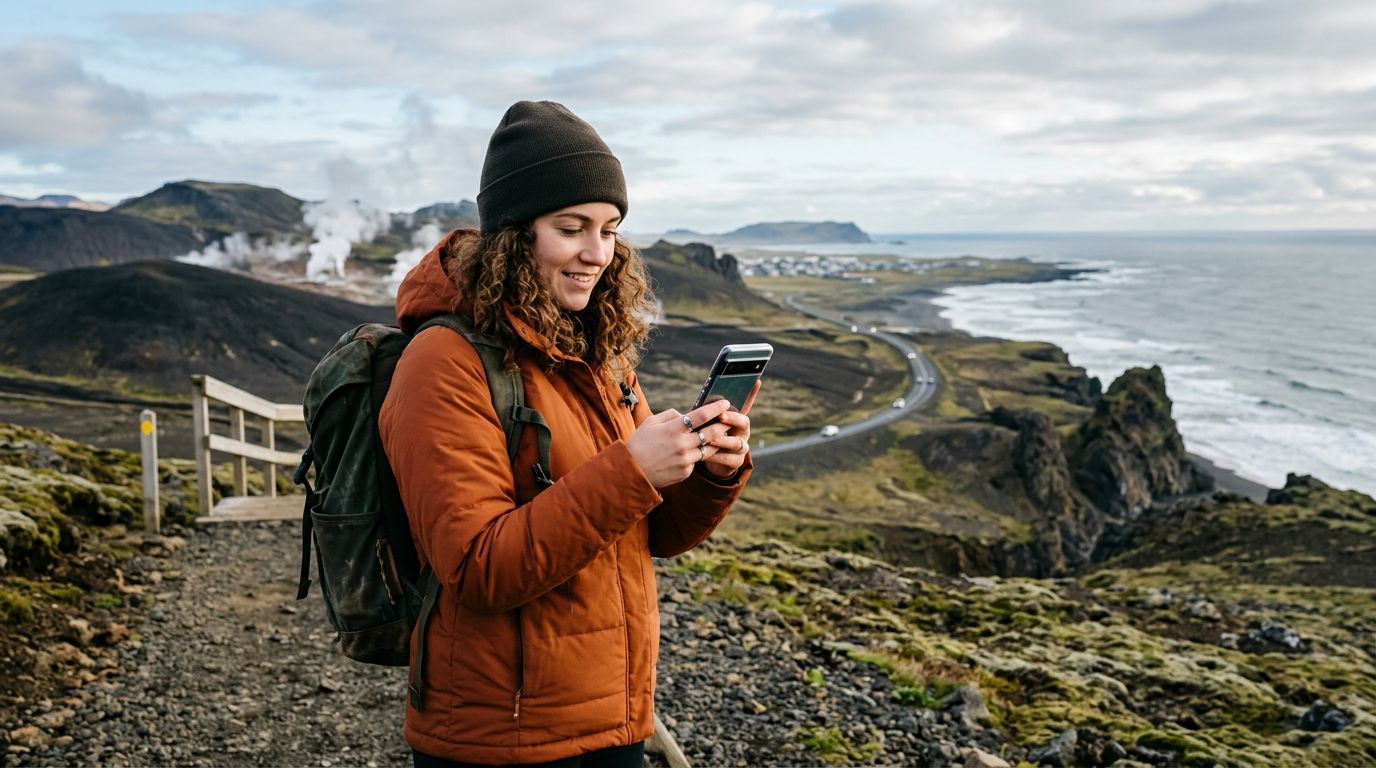
Understanding the Connectivity Landscape in Iceland
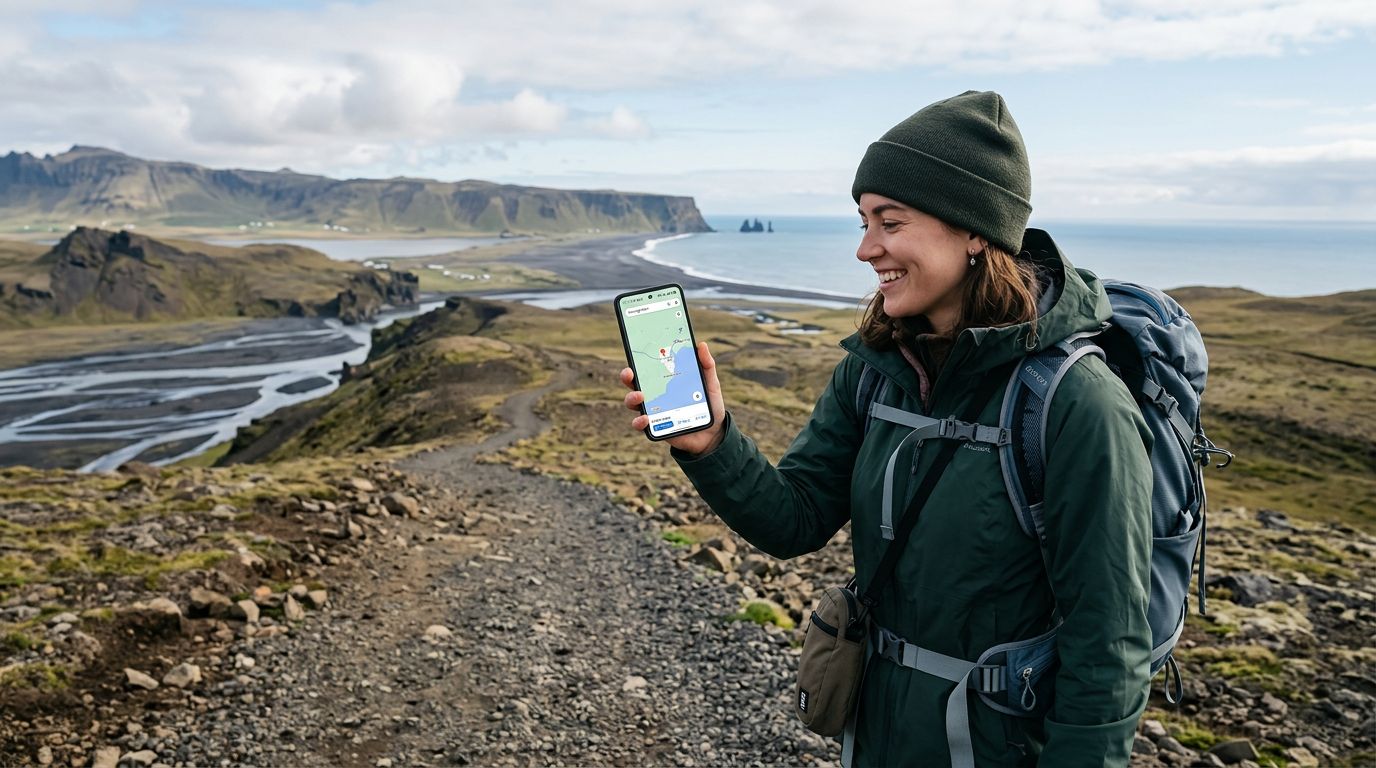
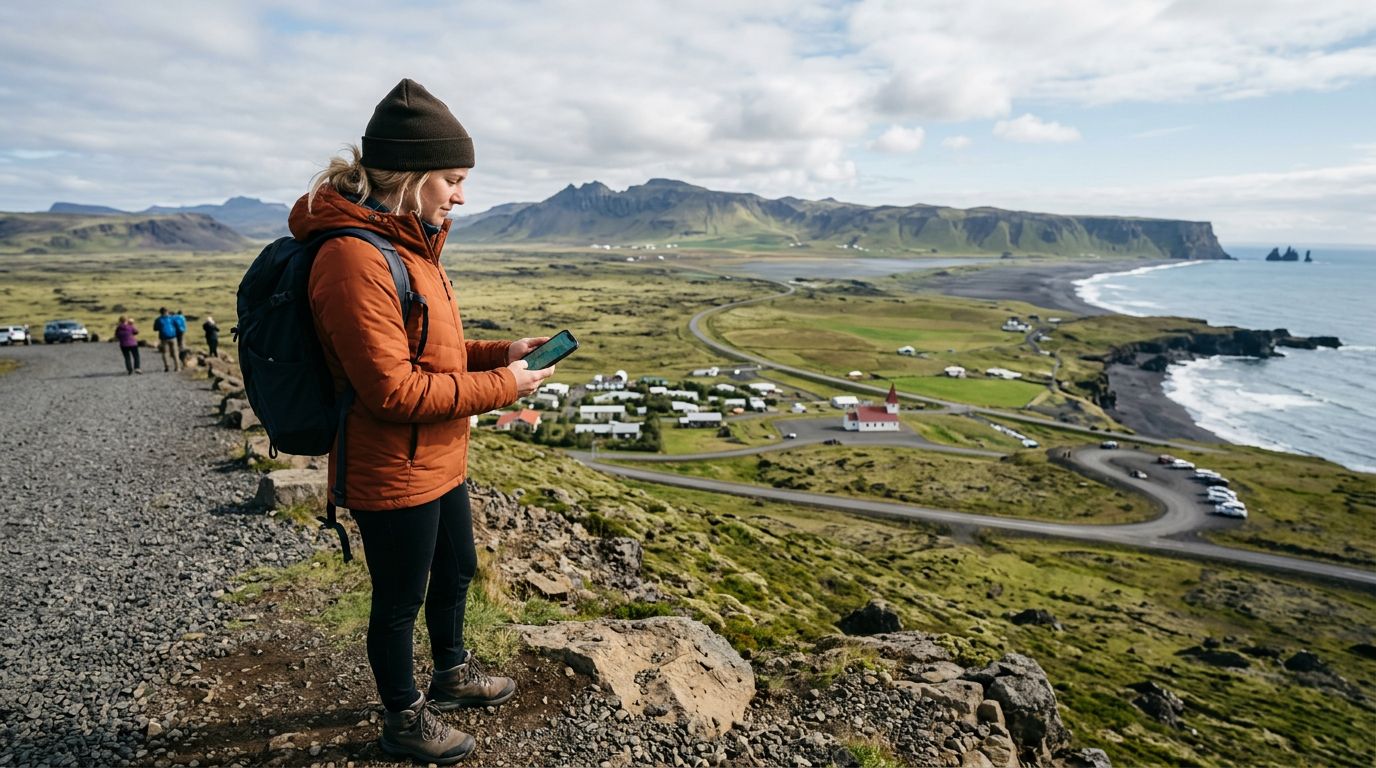
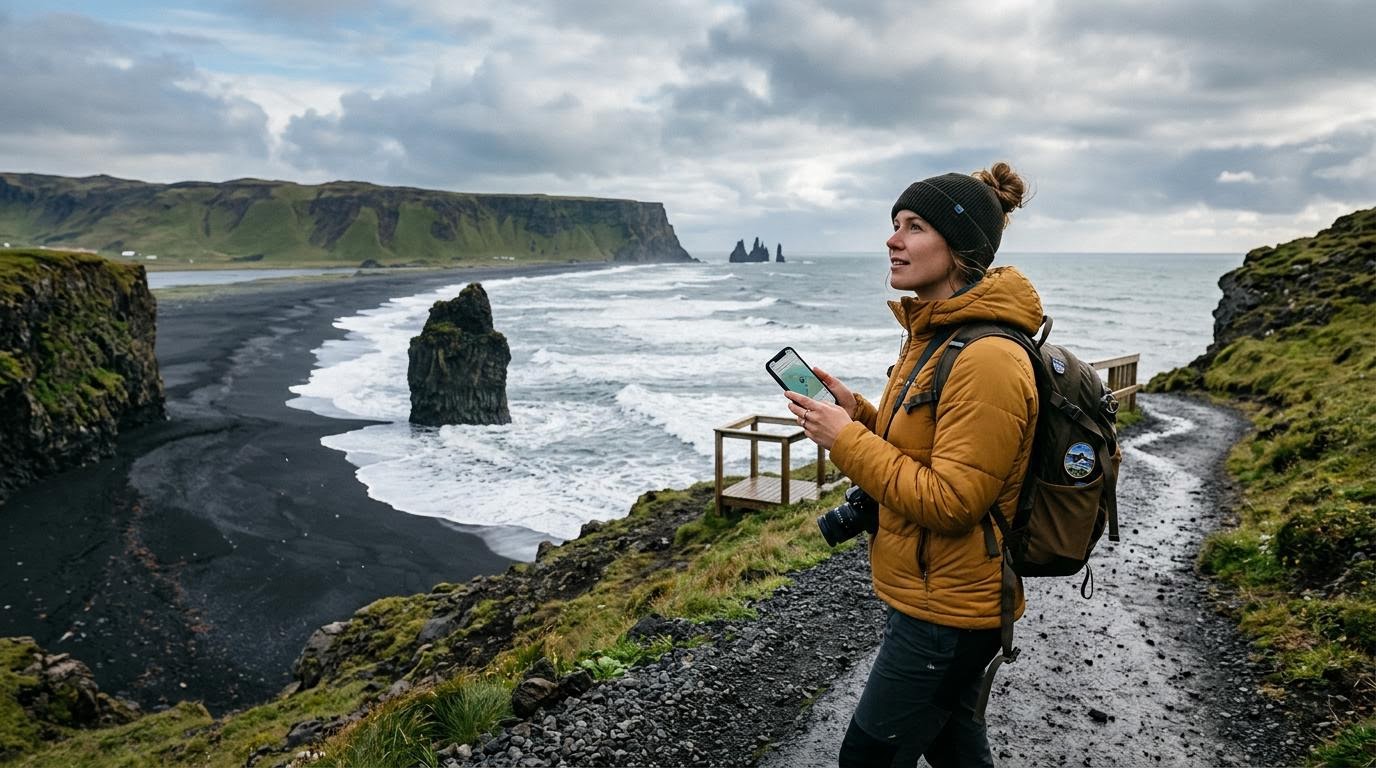
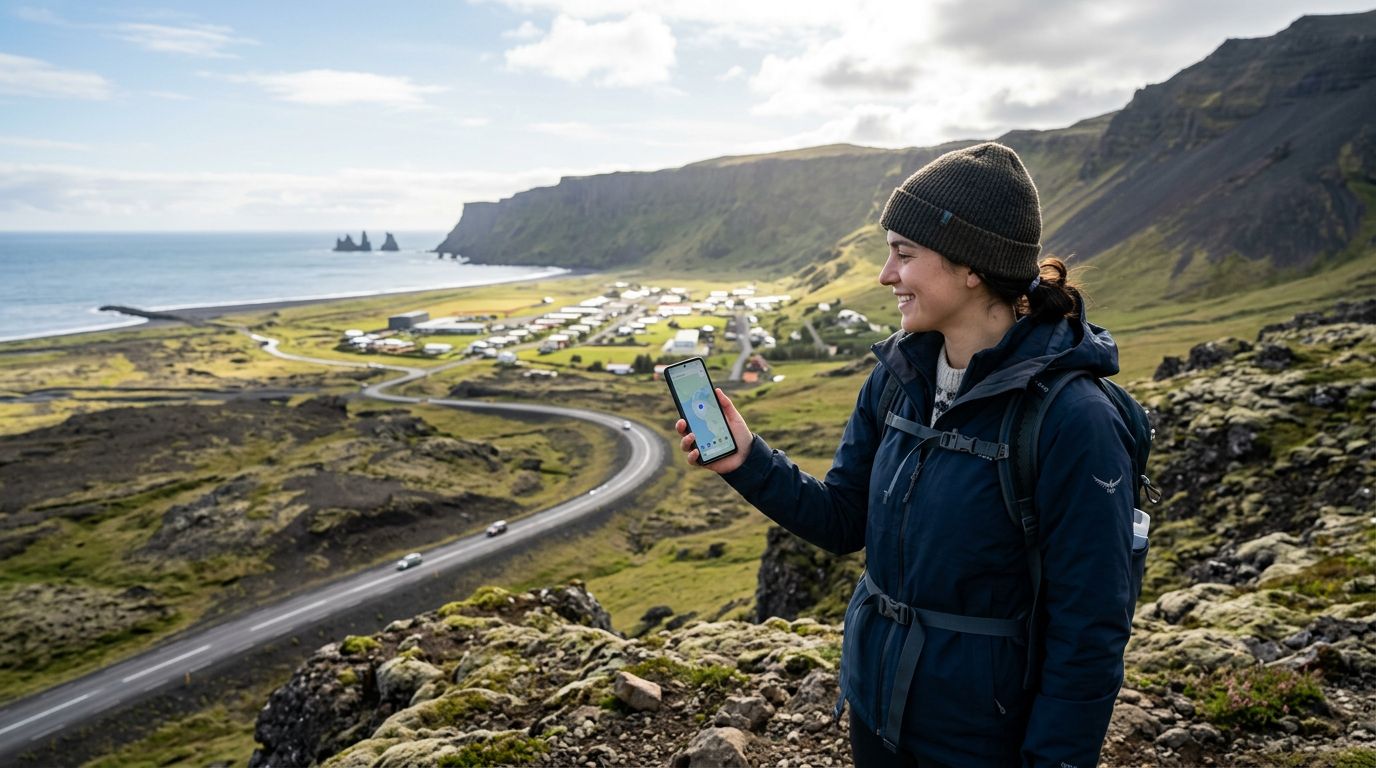
Iceland is a land of dramatic contrasts, where fire meets ice and remote highlands give way to vibrant, modern cities. Whether you are planning to traverse the Golden Circle, hike the rugged trails of Landmannalaugar, or hunt for the Northern Lights in the depths of winter, staying connected is essential. Reliable internet access is not just about posting photos to social media; it is a vital tool for checking real-time weather reports, monitoring road conditions, and using GPS navigation to ensure you reach your accommodation safely.
When planning your trip, you will inevitably face the choice between a traditional physical SIM card and the modern alternative, an eSIM. The debate of Iceland SIM card vs eSIM is common among travelers, as both methods offer distinct advantages depending on your phone model and your travel style. While physical cards have been the standard for decades, eSIM technology has fundamentally changed how we manage international roaming. Understanding the differences between these two options is the first step toward a stress-free Icelandic adventure.
The Traditional Approach: Physical SIM Cards
For many years, the physical SIM card was the only way to get local cellular service abroad. Upon arriving at Keflavík International Airport, travelers would often head straight to a kiosk or a convenience store to purchase a local card. This process involves physically removing your home SIM card from your device and inserting the new one.
The primary benefit of a physical SIM is its universal compatibility. If you are using an older smartphone that does not support eSIM functionality, a physical card is your only viable path to local data rates. Furthermore, if you are someone who prefers a tangible product that you can hold, swap, and store, the physical card feels familiar.
However, the drawbacks are significant. The most obvious issue is the physical logistics. You must keep track of your home SIM card; if you lose it, you lose your primary phone number and access to your home network. Additionally, the process of swapping cards is delicate, especially when you are standing in a busy airport or a windy parking lot. There is always a risk of dropping the tiny card or damaging the SIM tray of your phone. Furthermore, relying on physical cards means you are dependent on finding a shop that is open during your arrival time. If your flight lands late at night or during a holiday, you might find yourself without connectivity until the next business day.
The Modern Solution: eSIM Technology
An eSIM, or embedded SIM, is a digital version of a physical SIM card. It is built directly into the hardware of your smartphone. Instead of swapping a physical chip, you simply activate a digital profile through your device settings. This technology has become the preferred choice for tech-savvy travelers, and services like OneTapSIM have simplified the process to ensure you are connected the moment you land.
The convenience of an eSIM is unmatched. Because it is entirely digital, you can purchase and set up your connection before you even leave home. Once you land in Iceland, your phone automatically detects the local network, and you can switch to your data plan with a simple tap. There is no need to visit a store, stand in line, or fumble with small plastic cards and tiny ejector tools.
Another major advantage is the ability to keep your home SIM card active simultaneously. Most modern smartphones support dual-SIM functionality, meaning you can keep your primary number active for important calls or SMS verification codes while using your eSIM for high-speed data. This is particularly useful for travelers who need to stay reachable for work or family emergencies while exploring the Icelandic wilderness.
OneTapSIM integrates seamlessly into this experience, providing a straightforward interface that removes the technical hurdles often associated with manual APN settings or complex configuration profiles. By choosing an eSIM, you eliminate the risk of losing your original SIM card and gain the flexibility to manage your data usage directly from your phone’s settings menu.
Making the Right Choice for Your Trip
When deciding between an Iceland SIM card vs eSIM, consider your specific device capabilities and your travel itinerary. If you own a modern smartphone, the eSIM is almost always the superior choice due to its ease of use, security, and convenience. It allows you to maintain your home connection while enjoying the benefits of local data rates.
If you are traveling to remote areas, remember that network coverage is generally excellent in Iceland, but it can vary depending on the provider. Whether you use a physical card or an eSIM, the underlying network infrastructure remains the same. The difference lies in how you access that network. By opting for an eSIM, you are choosing a more reliable and streamlined way to handle your connectivity.
For those who prioritize efficiency and want to avoid the hassle of airport kiosks, digital solutions represent the future of travel. You can manage your data, monitor your usage, and ensure you are never left without a map or a translation tool in the middle of a remote volcanic field. As you prepare for your journey to the land of fire and ice, take the time to check if your device is eSIM-compatible. If it is, transitioning to a digital plan will likely make your trip smoother, allowing you to focus on the breathtaking landscapes rather than the mechanics of your mobile connection. With the right setup, you can enjoy the peace of mind that comes with knowing your digital life is as prepared for the Icelandic wilderness as you are.
Get an eSIM for
Plans for the destinations covered in this guide, with instant QR delivery.