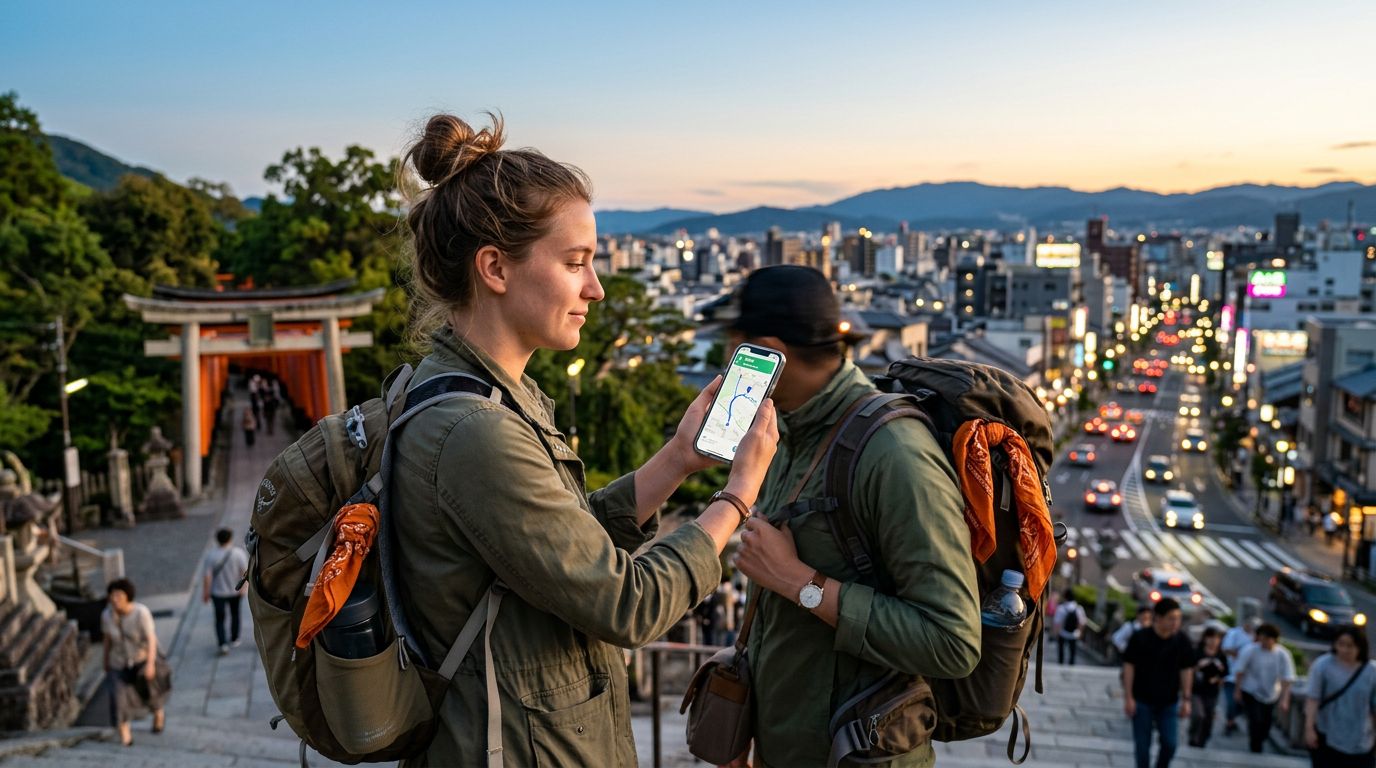
Thailand is a land of vibrant street markets, serene temples, and bustling urban centers. Whether you are trekking through the northern mountains of Chiang Mai, island-hopping in the south, or exploring the neon-lit streets of Bangkok, staying connected is vital for a smooth journey. Relying solely on hotel Wi-Fi or public hotspots can be frustrating and unreliable. To make the most of your trip, you need a reliable digital toolkit that keeps you on track, fed, and informed.
Essential Communication and Navigation Tools
The foundation of any successful trip to Thailand is a stable internet connection. Without it, your favorite apps become useless the moment you step out of your accommodation. A travel eSIM from OneTapSIM is the most efficient way to ensure you have data the moment you land at Suvarnabhumi or Don Mueang airports. By activating your digital SIM before you arrive, you bypass the long queues at physical mobile carrier kiosks and avoid the hassle of swapping out your home physical SIM card.
Once you have your data sorted, navigation becomes your best friend. Google Maps is the industry standard for a reason. In Thailand, it is exceptionally accurate for finding walking routes, public transit timings, and reviews of local businesses. You can download offline maps for specific regions to save data, though having a constant connection allows for real-time traffic updates, which are crucial if you are traveling by taxi or private car in Bangkok’s heavy congestion.
For communication, most locals and fellow travelers use Line. While WhatsApp is popular globally, Line is the primary messaging platform in Thailand. Many businesses, tour operators, and even local restaurants use it for reservations and customer service. Having it installed and ready to go will make it much easier to coordinate with your hosts or local guides.
Transportation and Logistics Applications
Thailand’s transportation network is diverse, ranging from the efficient BTS Skytrain and MRT subway in Bangkok to motorcycle taxis and long-tail boats in the islands. To manage this, Grab is an indispensable app. It functions similarly to other ride-hailing services but is deeply integrated into the Thai lifestyle. Beyond just booking cars, you can use Grab to order food from local vendors, which is a lifesaver when you are tired after a long day of sightseeing and want to sample authentic Thai cuisine from the comfort of your hotel.
If you are planning to travel between cities, Bolt is another popular alternative for ride-hailing that many travelers find useful. For public transport, the ViaBus app is a hidden gem. It provides real-time tracking for buses in many Thai cities, showing you exactly where your bus is and when it will arrive at your stop. This takes the guesswork out of navigating the city’s complex bus routes.
For those venturing further afield, train travel is a scenic and affordable option. While you can book tickets at stations, using official railway websites or authorized third-party booking apps can save you time. Always keep your digital tickets saved in your phone’s wallet or a dedicated folder so you can access them quickly when a conductor asks to see your pass.
Enhancing Your Thai Experience with Local Services
Beyond the basics of getting around and staying connected, several apps can significantly improve your daily experience. Food culture is the heart of Thailand, and apps like Wongnai are excellent for finding highly-rated local spots that might not appear on international travel blogs. It is essentially the Thai version of a restaurant review site, offering authentic insights from local residents.
When it comes to language, Google Translate is a powerful tool, especially with its camera translation feature. Simply pointing your phone at a menu, a sign, or a document can provide you with an instant translation. It is not always perfect, but it is more than enough to help you understand basic instructions or identify ingredients in a dish. For more complex interactions, having a basic understanding of Thai phrases is helpful, but these digital tools bridge the gap when you hit a communication barrier.
Financial management is another area where technology helps. While cash is still king in many street markets, digital payments are growing rapidly. Many vendors now accept QR code payments. While you may not be able to set up a local bank account, keeping your banking app updated and ensuring you have access to your digital wallet will make your transactions smoother. If you find yourself in a remote area, having an eSIM that supports high-speed roaming ensures that your banking apps can verify your identity without delay, keeping your finances secure and accessible.
Finally, consider the importance of cloud storage and backup apps. You will likely take hundreds of photos and videos of your trip. Using an automatic cloud backup service ensures that if your phone is lost, stolen, or damaged, your memories remain safe. Before you head out for the day, check that your phone is fully charged and that you have a portable power bank. Your apps are only as useful as the battery life of your device.
By combining the seamless data connectivity provided by OneTapSIM with these essential applications, you create a safety net that allows you to explore Thailand with confidence. You spend less time worrying about logistics and more time enjoying the incredible food, culture, and scenery that make Thailand one of the most popular destinations in the world. Whether you are navigating a bustling night market or trying to find the quietest beach on a remote island, these tools ensure you are never truly lost and always connected to what matters most.
Get an eSIM for
Plans for the destinations covered in this guide, with instant QR delivery.