Why an eSIM is Essential for Your South Korea Adventure
South Korea is a country that seamlessly blends ancient traditions with cutting-edge technology. From the bustling streets of Seoul to the serene coastal beauty of Busan, you will want a reliable internet connection to translate menus, call for rides, and share your experiences in real-time. While physical SIM cards have been the standard for decades, they are increasingly becoming a relic of the past. Fiddling with tiny plastic cards, keeping track of your original SIM so you do not lose it, and waiting in lines at airport kiosks are all unnecessary hassles.
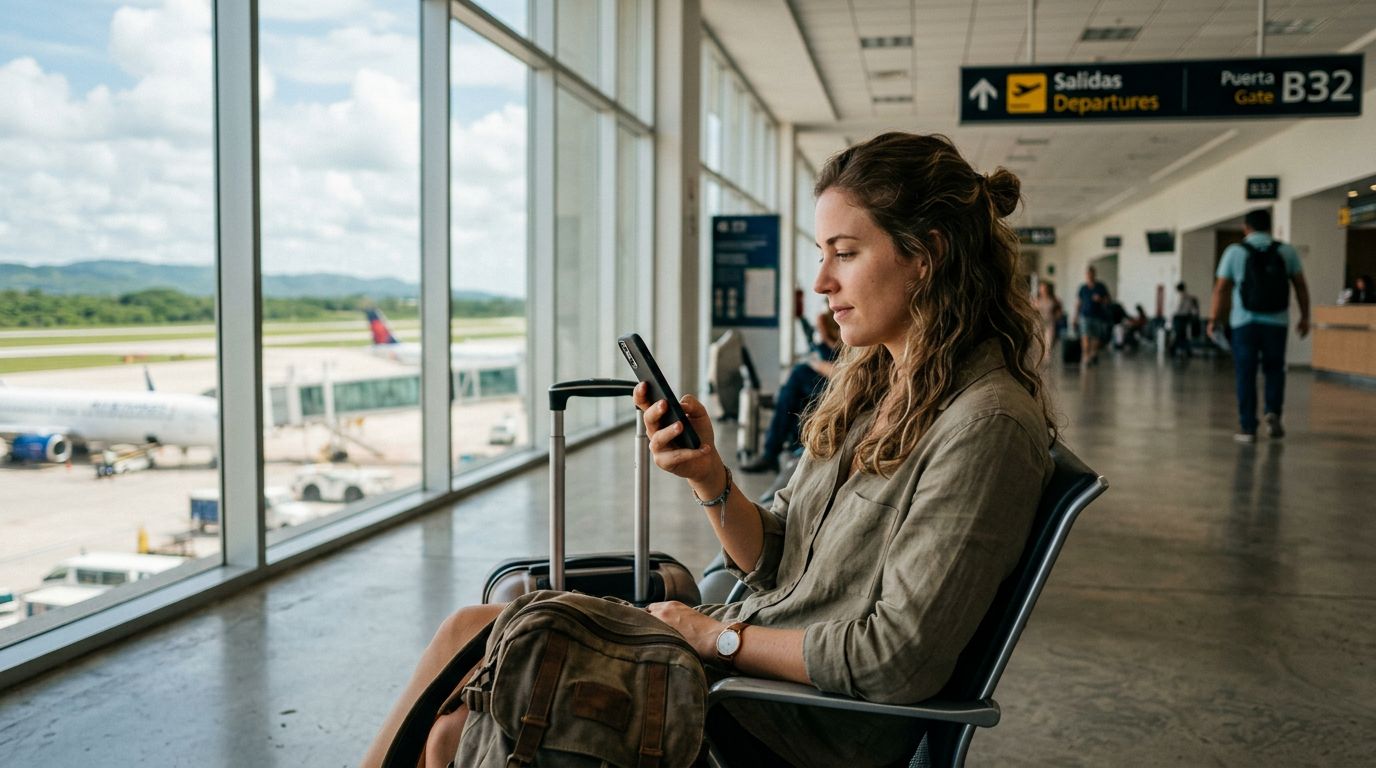
An eSIM, or embedded SIM, is a digital version of a traditional SIM card. It is built directly into the hardware of modern smartphones. By choosing an eSIM for South Korea travel, you gain the ability to activate a local data plan before your plane even touches the runway. This means that as soon as you land at Incheon or Gimpo airport, you are ready to navigate the transit system or message your hotel. It is a seamless transition that keeps your primary phone number active for calls and texts while allowing you to use a dedicated data stream for your travels.
Beyond convenience, security is a major advantage. You no longer have to hand your phone over to a stranger at a kiosk or worry about the physical security of a removable card. With OneTapSIM, the process is handled entirely through your device settings, ensuring that your connection is managed by you, for you. Whether you are planning to spend your days exploring Gyeongbokgung Palace or visiting the neon-lit districts of Gangnam, having a stable, high-speed data connection is the foundation of a stress-free trip.
How to Check Compatibility and Prepare Your Device
Before you commit to an eSIM for your trip, you must ensure your device is capable of supporting the technology. Most smartphones released within the last few years are compatible, but it is always wise to verify. Generally, you can check your settings menu to see if you have an option to "Add Cellular Plan" or "Add eSIM." If your phone was purchased from a carrier, ensure that it is unlocked. A carrier-locked phone will not accept a third-party eSIM, which could leave you without data upon arrival.
If you are unsure about your device's capabilities, you can consult the official documentation provided by your device manufacturer. Apple provides comprehensive guides on how to add and manage eSIMs on iPhones, while Google offers similar resources for their Pixel lineup. Always make sure your phone’s operating system is updated to the latest version before you attempt to install your travel plan.
The beauty of using a service like OneTapSIM is the simplicity of the installation process. Once you have selected your plan, you will typically receive a QR code or an activation link. You simply scan the code with your camera or enter the details manually in your cellular settings. Because the setup happens over the air, you do not need to be physically present at a store. You can set everything up from the comfort of your home, days before your departure. Once the profile is installed, you can toggle it off until you land, at which point you simply switch it on and connect to the local network. It is a streamlined approach that removes the technical barriers often associated with international roaming.
Maximizing Your Connectivity While Exploring South Korea
Once you have your eSIM activated, you are ready to experience everything South Korea has to offer without being tethered to public Wi-Fi. Many travelers make the mistake of relying solely on café or subway Wi-Fi, but this can be unreliable and often requires intrusive sign-up processes that demand personal information. With a dedicated data plan, you have the freedom to move at your own pace.
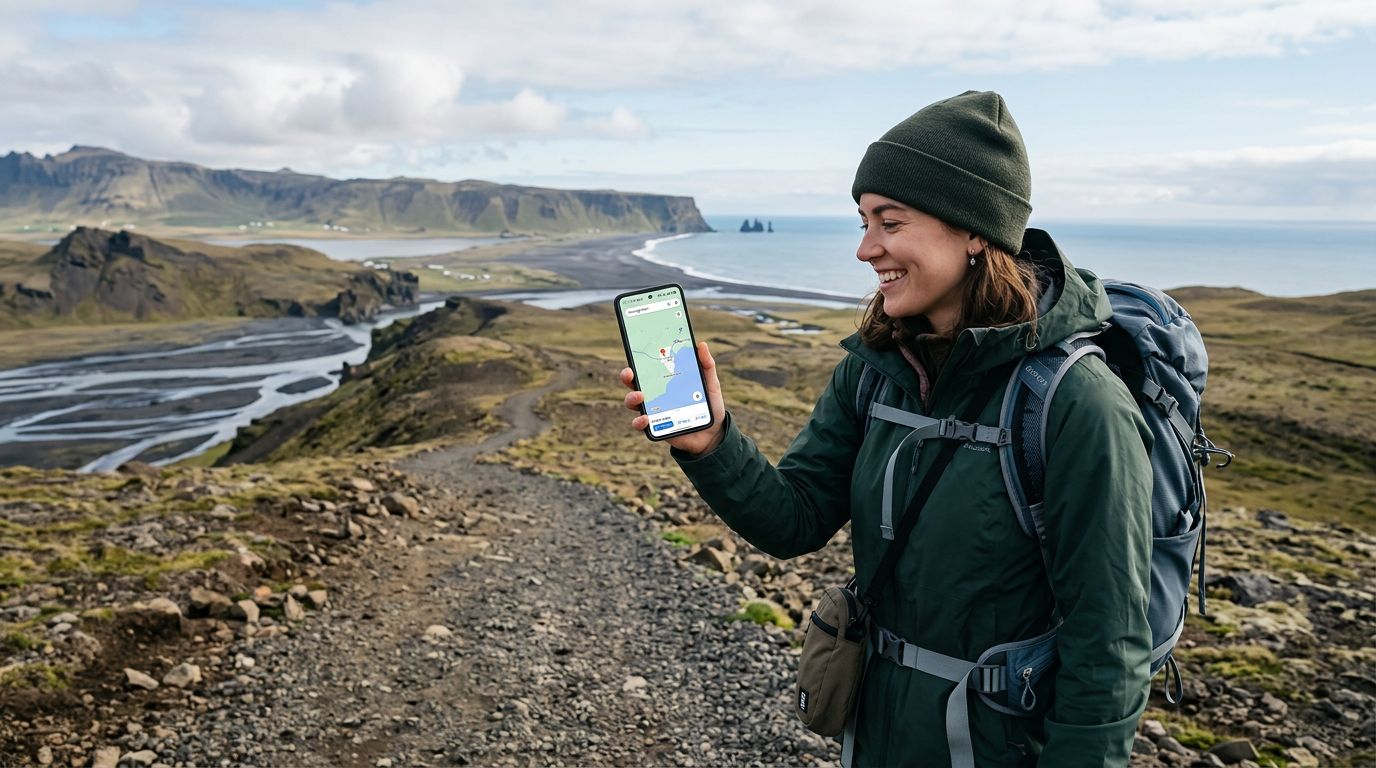
Navigation is perhaps the most critical use case for mobile data. While Google Maps is widely used, it does not always provide the most granular walking directions in South Korea due to local regulations. Having a solid data connection allows you to use specialized local mapping applications that provide real-time bus arrival times, subway navigation, and precise walking routes to hidden gems in narrow alleyways. You will find that having the ability to search for information on the fly makes your trip significantly more spontaneous.
Furthermore, language barriers are easily overcome with a reliable connection. Real-time translation apps allow you to communicate with locals, read signs, and understand cultural context instantly. Whether you are trying to order food at a traditional market or asking for directions to a bus stop, your smartphone acts as a portable translator. OneTapSIM provides the high-speed connectivity needed to ensure these apps load instantly, preventing any awkward pauses in your interactions.
Finally, consider the benefit of staying connected with your travel companions. If you are traveling in a group, being able to share your live location or coordinate meeting points is invaluable. If you get separated in the crowded markets of Myeong-dong, a quick message or a voice call over data ensures that you can reconnect without panic. By choosing an eSIM for South Korea travel, you are investing in peace of mind. You are choosing a path that prioritizes efficiency, security, and constant access to the information that makes your journey memorable. When you land in South Korea, the last thing you want to worry about is finding a shop to buy a SIM card; with your setup already handled, you can walk out of the airport and start your adventure immediately.
Get an eSIM for
Plans for the destinations covered in this guide, with instant QR delivery.