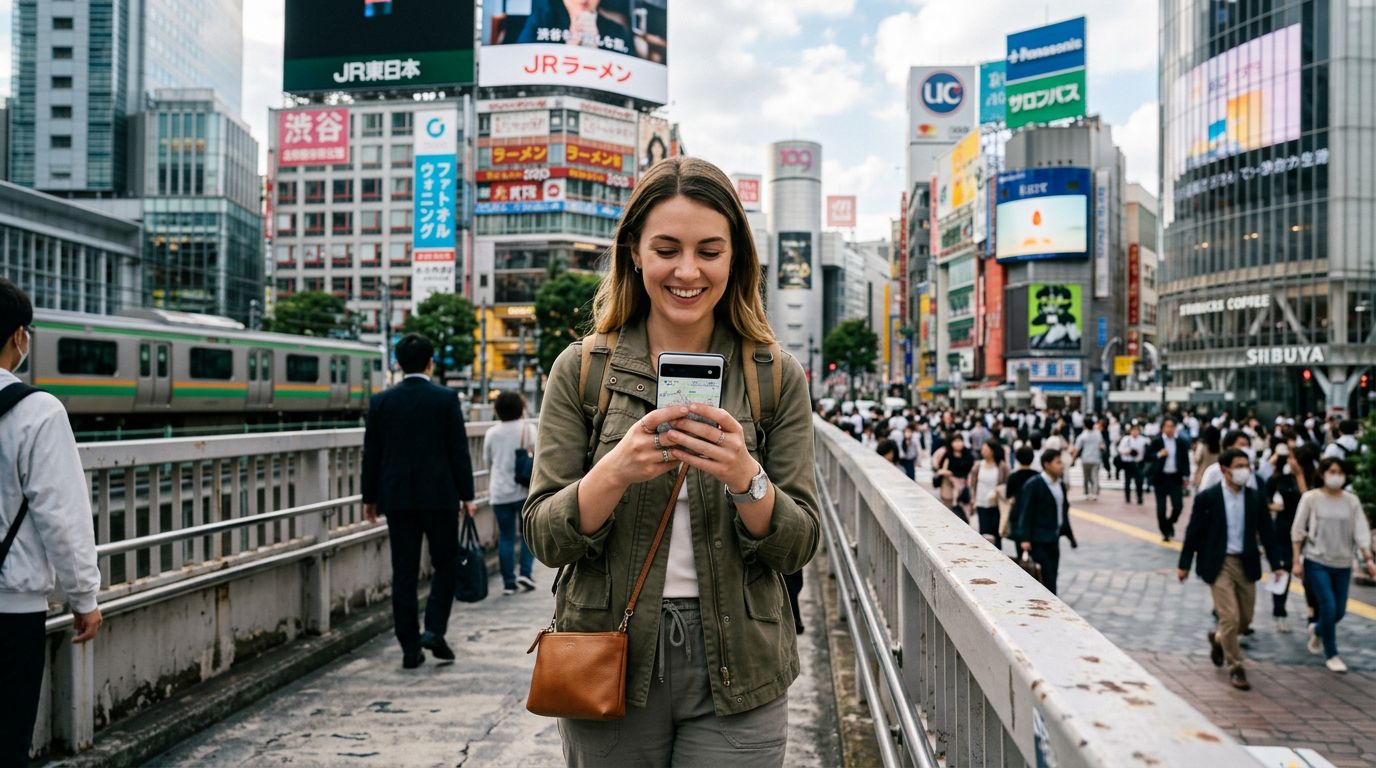
Traveling to Japan is a dream for many, offering a blend of ancient traditions and futuristic technology. From the neon-lit streets of Tokyo to the serene temples of Kyoto, the country is packed with experiences that you will want to share, document, and research on the go. However, staying connected while abroad can often feel like a hurdle. Traditional roaming plans are frequently expensive, and hunting for physical SIM cards at airports can eat into your precious vacation time. This is where modern mobile technology changes the game.
Understanding eSIM Technology for Japan
An eSIM, or embedded SIM, is a digital version of the physical SIM card you have used in your phone for years. Instead of needing a small plastic chip to connect to a cellular network, the information is downloaded directly onto your device’s internal hardware. For international travelers, this means you can switch to a local network provider without physically swapping out your home SIM card.
When you are looking for the best eSIM for Japan travel connectivity, you are essentially choosing a digital bridge that connects your phone to Japan’s high-speed mobile infrastructure. Because Japan has some of the most advanced 5G and 4G LTE networks in the world, having a reliable digital connection allows you to use navigation apps, translation tools, and ride-sharing services with ease.
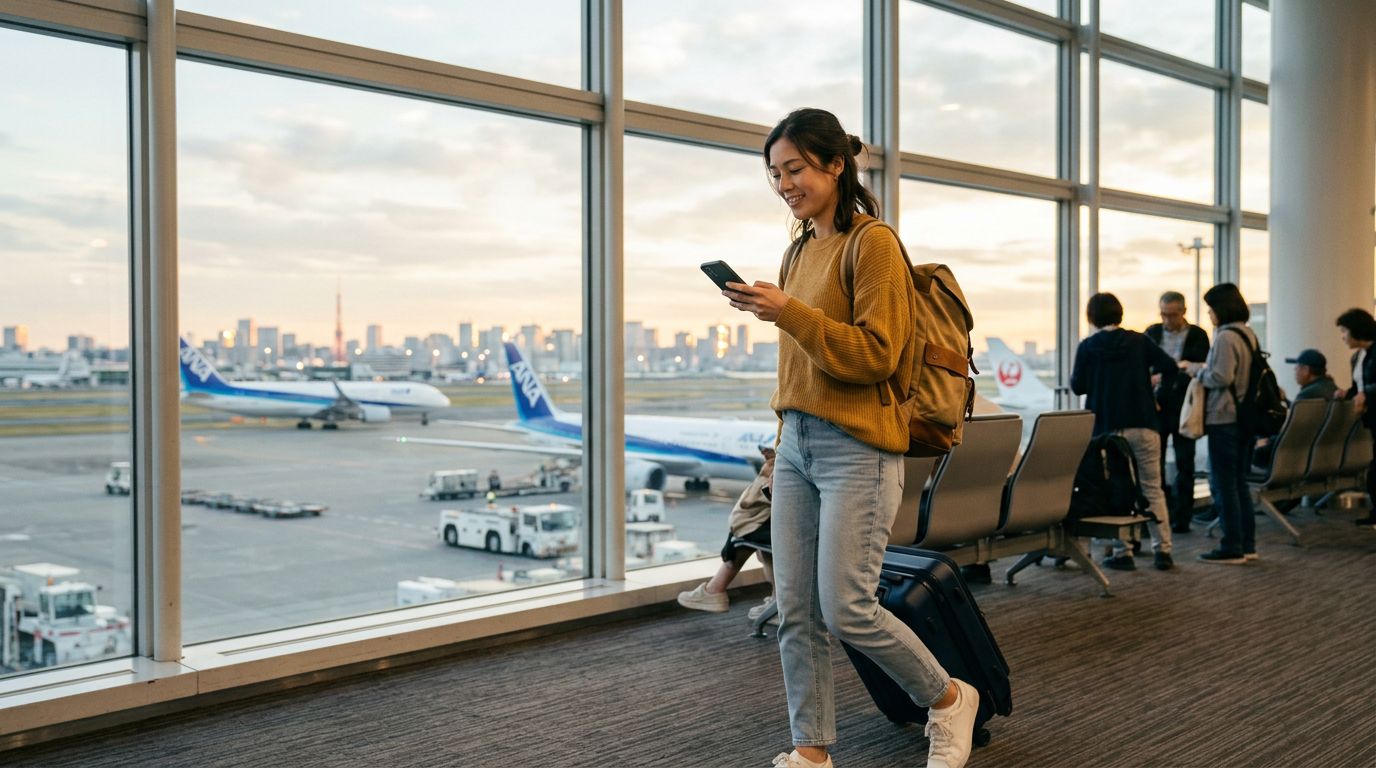
The primary advantage of using an eSIM is convenience. You can set up your connection before you even board your flight. Once you land, your phone automatically registers with the local network, allowing you to bypass the long queues at airport kiosks. This seamless transition is why travelers are increasingly moving away from physical cards and opting for digital solutions like OneTapSIM to manage their data needs while exploring the country.
Why Connectivity is Essential for Your Japan Itinerary
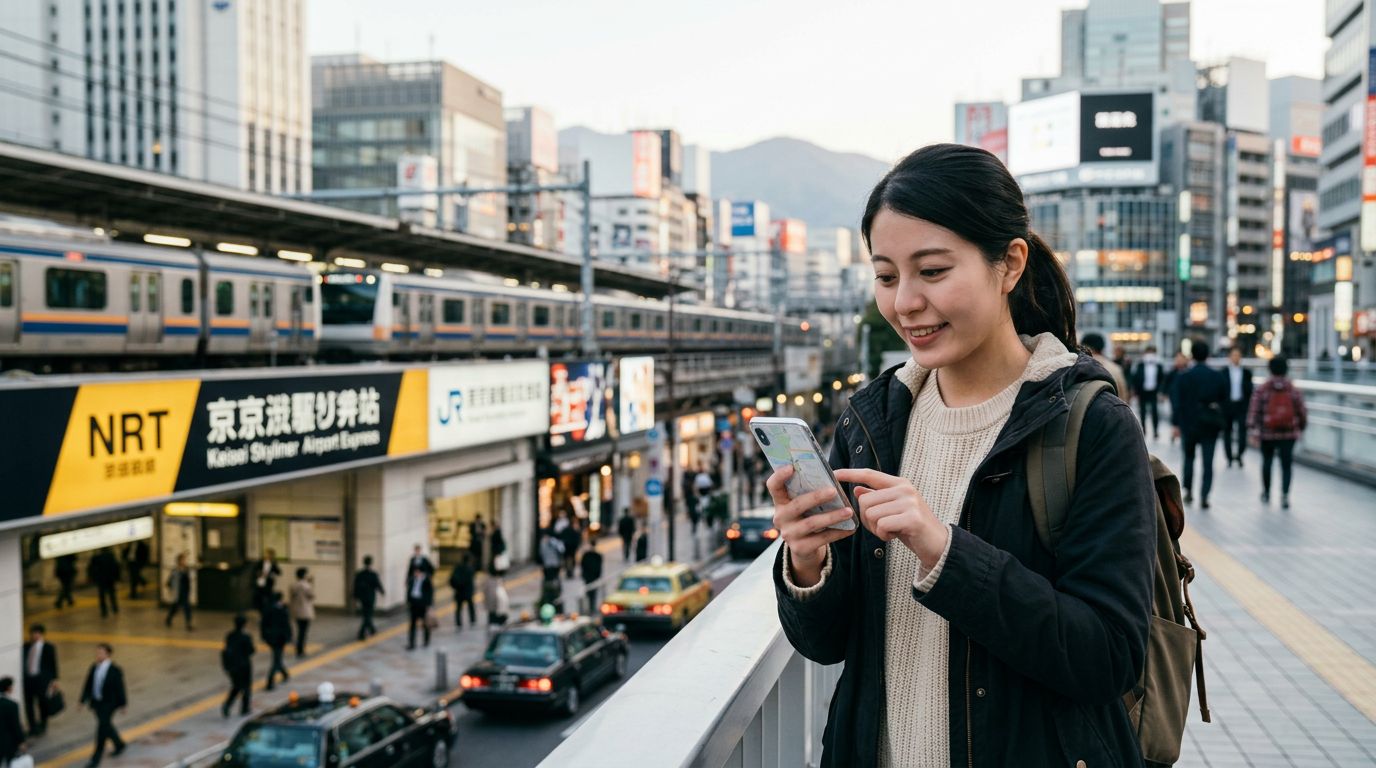
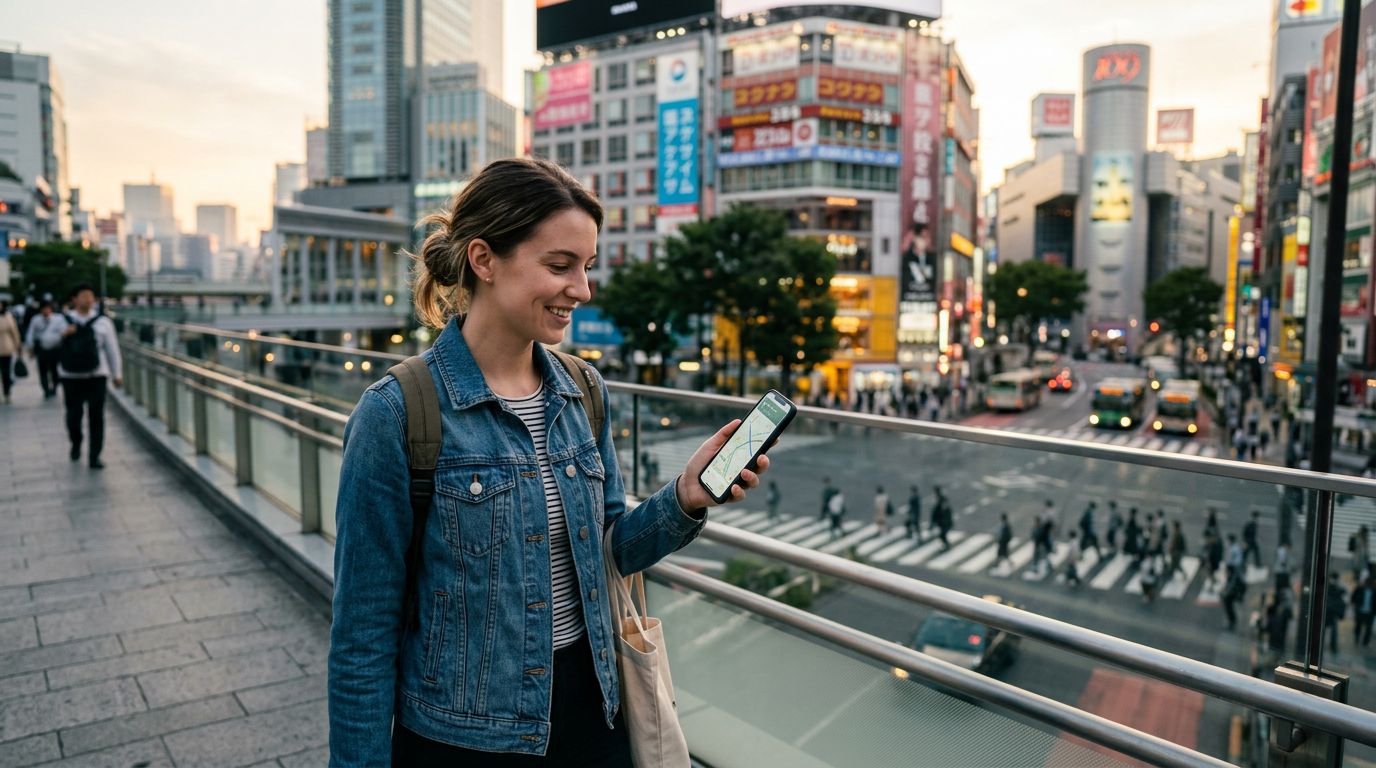
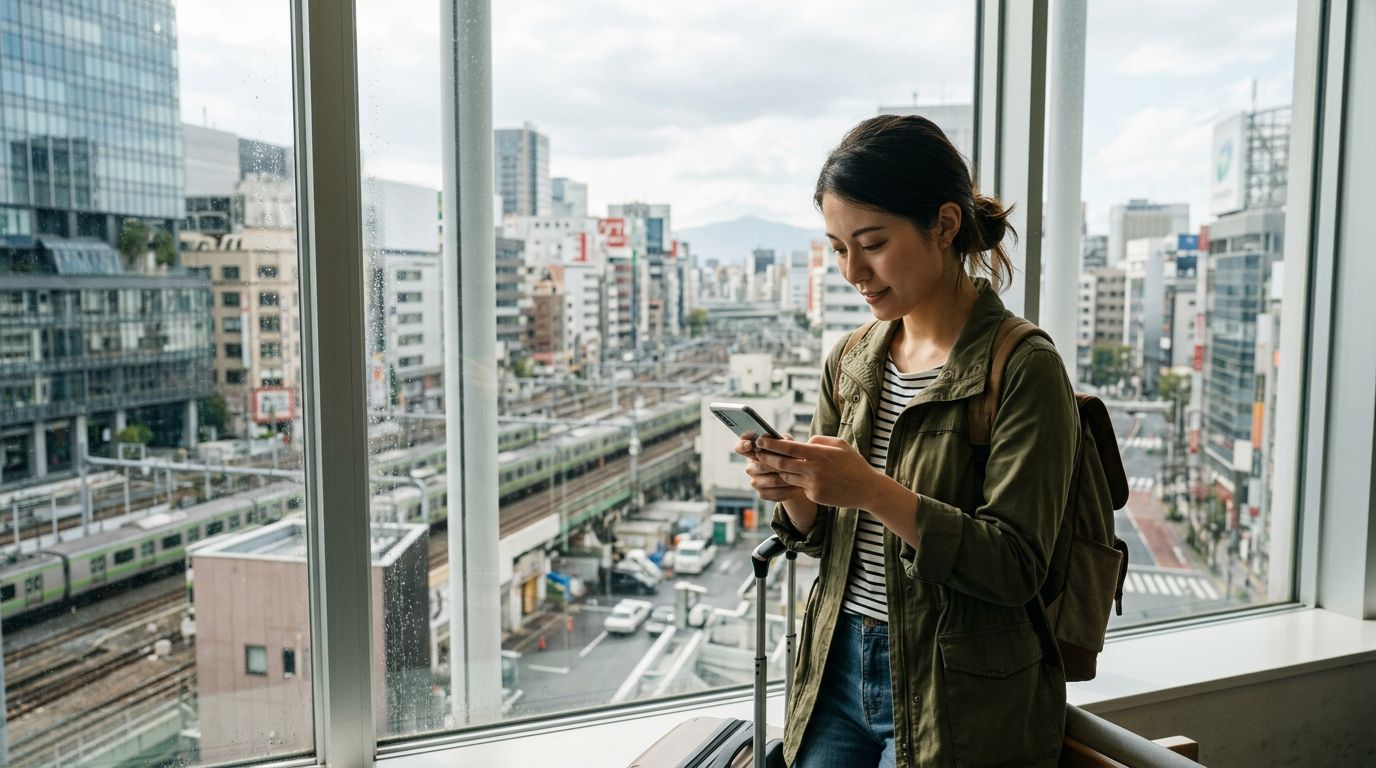
Japan is a country that rewards those who are prepared. While the public transportation system is world-class, it can also be complex. Having a reliable data connection is vital for using real-time transit apps. Whether you are trying to figure out which platform your Shinkansen departs from or searching for the quickest route through the labyrinthine subway stations of Shinjuku, constant internet access is your best tool.
Beyond transportation, language barriers can occasionally present a challenge. Translation apps that offer real-time voice or text translation are incredibly helpful when reading menus or asking for directions. These tools require a stable internet connection to function accurately. Furthermore, Japan is a highly digital society where many local businesses, restaurants, and hidden gems rely on online reservation systems or digital menus.
Connectivity also plays a role in your safety and peace of mind. Being able to access maps, check the weather, or contact emergency services if needed provides a level of security that makes solo travel or navigating remote areas much less stressful. With a service like OneTapSIM, you ensure that your device remains a functional tool rather than just a camera, keeping you tethered to the information you need to make the most of your trip.
How to Set Up Your eSIM Before You Depart
Before choosing your plan, you must ensure your device is compatible. Most modern smartphones support eSIM technology. You can verify your device's capability by checking your phone’s settings menu or by visiting the official manufacturer support pages for Apple or Google. If your phone is unlocked and supports eSIM, you are ready to proceed.
The installation process is designed to be user-friendly. Once you select a plan, you will receive a QR code or an activation link. You simply go to your phone’s cellular settings, select the option to add a new plan, and scan the QR code. The eSIM profile will download to your device in a matter of moments. It is important to note that you do not need to activate the plan until you arrive in Japan. You can install it while you are still at home, ensuring that you are ready the second your plane touches down at Narita or Haneda.
When you arrive in Japan, ensure that data roaming is turned on for your new eSIM line and that your primary home SIM is set to either "off" or "voice only" to avoid accidental roaming charges from your home carrier. Your phone will then prioritize the eSIM for data, allowing you to use your apps as you would at home.
Managing your data usage is also straightforward. Most devices allow you to monitor how much data you have consumed in your settings menu. If you find that you are using more data than expected—perhaps due to uploading high-resolution videos or frequent video calls—many providers offer easy ways to top up or extend your coverage. By planning ahead and securing your eSIM for Japan travel connectivity, you eliminate the stress of searching for Wi-Fi hotspots and can focus entirely on the sights, sounds, and flavors of your journey.
Whether you are visiting for a short weekend break or a month-long exploration of the Japanese countryside, having a reliable, pre-installed connection is the smartest way to travel. It transforms your smartphone into a local guide, translator, and navigator, ensuring that your trip is as smooth and enjoyable as possible. By choosing a dedicated service, you gain the freedom to explore without boundaries, knowing that your digital connection is as reliable as the Japanese trains themselves.
Get an eSIM for
Plans for the destinations covered in this guide, with instant QR delivery.