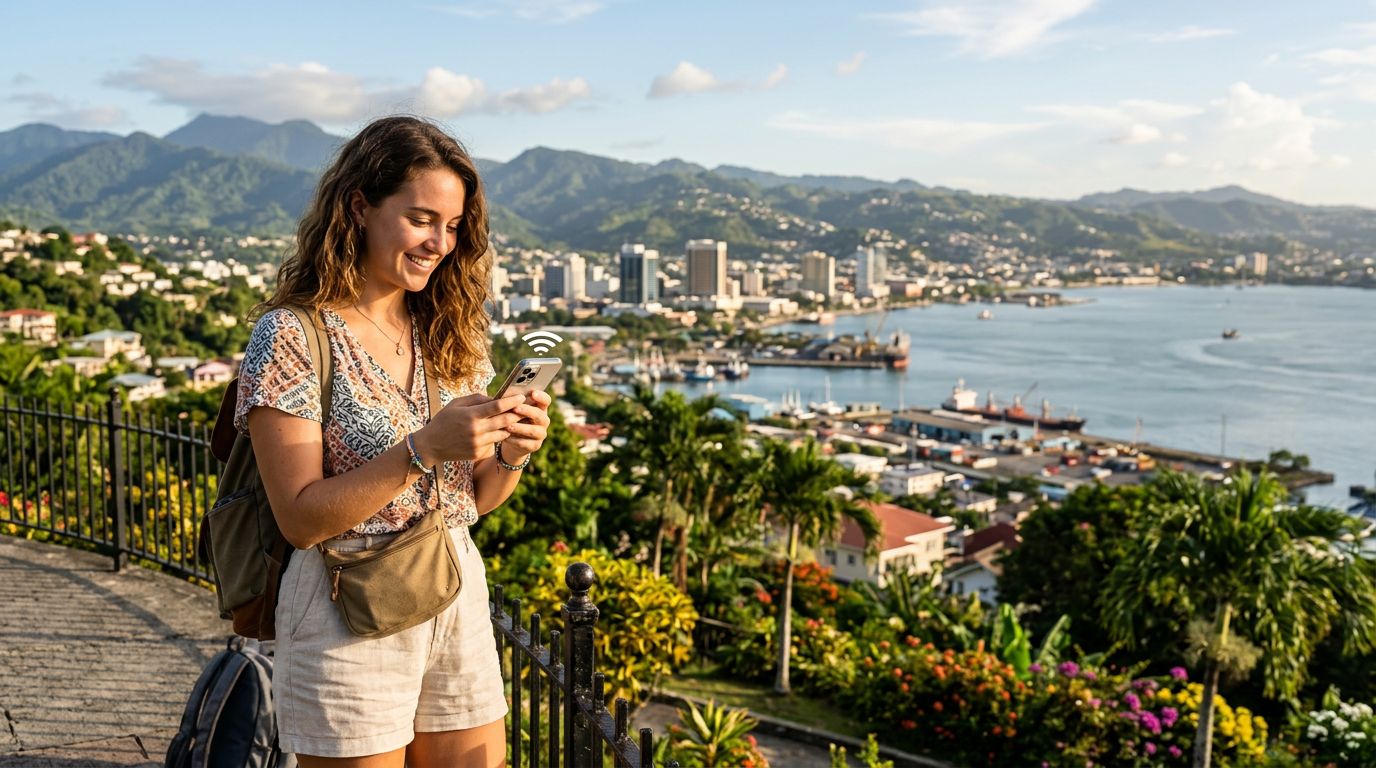
Traveling to the twin-island nation of Trinidad and Tobago offers a unique mix of vibrant culture, bustling urban centers, and serene tropical escapes. Whether you are heading to the lively streets of Port of Spain or the tranquil beaches of Tobago, staying connected is essential for maps, translation, and sharing your experiences. Many travelers ask the common question: does eSIM work in Trinidad and Tobago? The short answer is yes, and it is quickly becoming the preferred method for tourists to maintain mobile data access without the hassle of physical hardware.
Why eSIM Technology is Ideal for Caribbean Travel
Traditional roaming methods often come with unexpected complications. Using your home carrier’s international roaming plan can be unreliable or difficult to manage, often leading to bill shock upon your return. Physical SIM cards, while effective, require you to visit a local provider, provide identification, and physically swap out your original card. This process risks losing your primary SIM card, which is a major inconvenience for most travelers.
An eSIM, or embedded SIM, is a digital version of a traditional SIM card that is built directly into the hardware of modern smartphones. Because it is software-based, you can activate your connection before you even land at Piarco International Airport. This allows you to have data access the moment you step off the plane, enabling you to call a ride, check your hotel reservation, or look up local attractions immediately.
OneTapSIM provides a streamlined way to manage this connectivity. By utilizing an eSIM, you avoid the need to hunt for a local kiosk or deal with language barriers when setting up a new service. The convenience of having your data plan ready on your device allows you to focus on your trip rather than the logistical hurdles of mobile infrastructure.
Device Compatibility and Setup Requirements
Before you decide to use an eSIM for your trip, you must ensure that your mobile device is compatible. Most smartphones released in the last few years support this technology, but it is always wise to check your specific model. You can verify this by checking the official documentation provided by your device manufacturer, such as the resources available on apple.com or google.com.
To use an eSIM, your phone must be carrier-unlocked. If you purchased your phone through a mobile service provider on a contract, it might be locked to their network. If your device is locked, it will not accept an eSIM from a different provider, regardless of whether the hardware supports it. You can usually check your device settings or contact your home carrier to confirm that your phone is unlocked and ready for international use.
The setup process is straightforward. Once you purchase a plan through a service like OneTapSIM, you will receive a QR code or a set of activation details. You navigate to the cellular settings on your phone, select the option to add a new plan, and scan the code. From there, your phone will download the necessary profile, and you can toggle your data usage to the eSIM while keeping your primary number active for calls or texts if needed. This dual-SIM functionality is a major advantage for travelers who want to remain reachable on their home number while using a local data plan for internet-heavy tasks.
Optimizing Your Connectivity in Trinidad and Tobago
When you arrive in Trinidad and Tobago, you will find that cellular coverage is generally robust in populated areas, particularly in Port of Spain, San Fernando, and the main tourist hubs of Tobago. However, like many island nations, signal strength can fluctuate when you venture into remote forested areas or isolated beaches.
To get the most out of your eSIM, it is helpful to adjust your phone settings. Ensure that "Data Roaming" is turned on for your eSIM profile, as this is often required for the digital SIM to communicate with the local partner networks. You should also keep your primary SIM’s data roaming turned off to prevent your home carrier from charging you for unintended background data usage.
Using an eSIM also allows you to manage your data consumption more effectively. Because you are using a dedicated data plan, you can easily track how much you have used through your device’s settings menu. This transparency helps you avoid running out of data at an inconvenient time. If you find yourself using more data than expected for navigation or uploading photos, you can often top up your plan digitally without needing to visit a store.
Another benefit of using an eSIM in the Caribbean is the ability to maintain security. Public Wi-Fi networks in cafes or airports are often unencrypted and can expose your personal information to malicious actors. By relying on your own private eSIM data connection, you ensure that your browsing remains secure. Whether you are checking your bank account or accessing sensitive work emails, having a private, dedicated connection provides peace of mind that public networks simply cannot offer.
Finally, consider the environmental impact of your travel choices. Physical SIM cards are made of plastic and require individual packaging and shipping, contributing to unnecessary waste. An eSIM is entirely digital, making it a more sustainable choice for the eco-conscious traveler. By choosing a digital solution, you reduce your physical footprint while ensuring that your trip to Trinidad and Tobago is supported by reliable, high-speed mobile data. When you plan your trip, look for providers that prioritize ease of use and consistent network performance, ensuring that your digital experience is as smooth as your island vacation.
Get an eSIM for
Plans for the destinations covered in this guide, with instant QR delivery.