Understanding eSIM Technology in Qatar
Travelers visiting the Middle East often prioritize staying connected to navigate unfamiliar cities, translate local signs, or share experiences with family back home. If you are planning a trip to the Gulf, you might be wondering: does eSIM work in Qatar? The short answer is yes. Qatar has embraced digital telecommunications, and eSIM technology is fully supported by major local carriers and international providers.
An eSIM, or embedded SIM, is a digital version of the physical SIM card you have used for years. Instead of inserting a small plastic chip into your phone, you download a data profile that activates your cellular service. Because it is software-based, it eliminates the need to visit a retail store upon arrival or fumble with tiny cards and ejector tools while standing in a busy airport terminal.
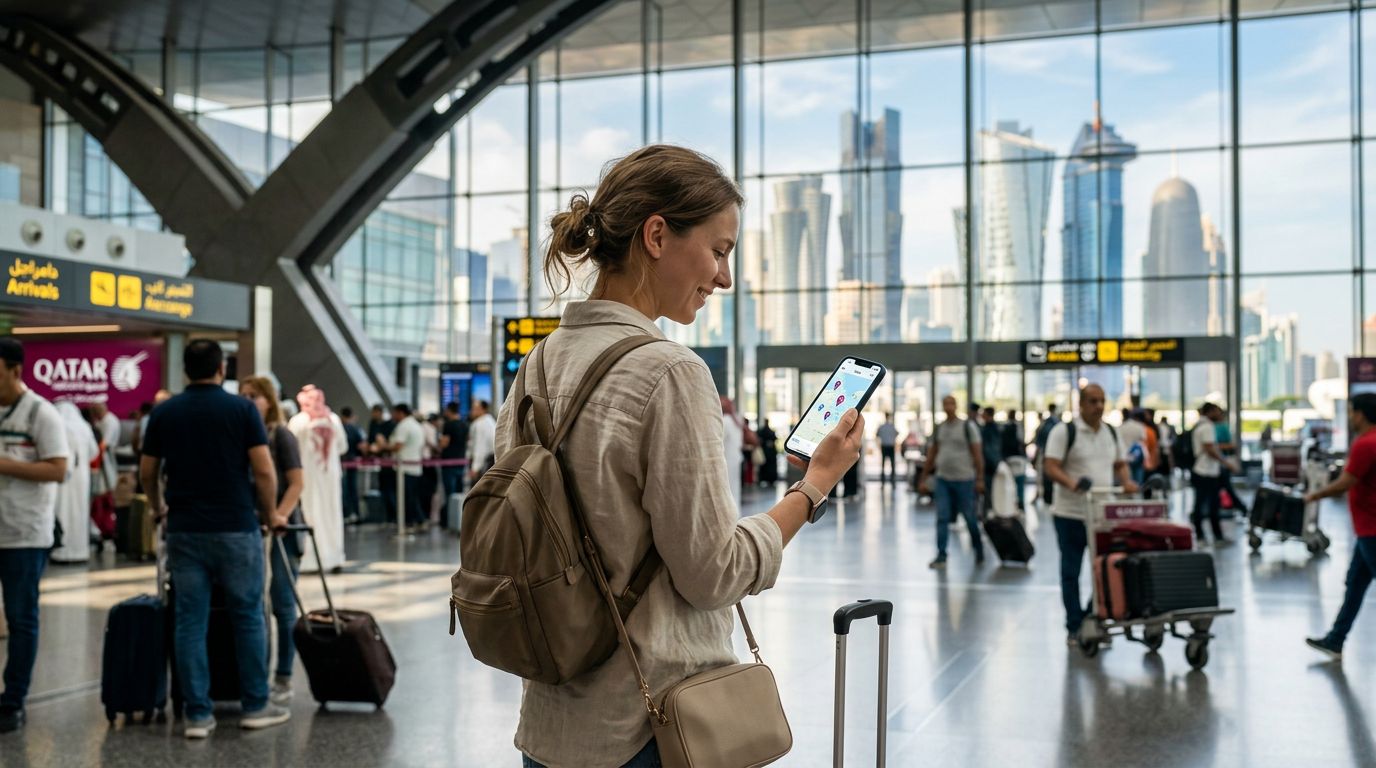
For visitors arriving in Doha, the convenience of having connectivity the moment the plane touches the runway is significant. Whether you are visiting for business meetings in West Bay or exploring the cultural landmarks of Katara, having a reliable data connection ensures you can access maps, ride-sharing applications, and communication tools without interruption. OneTapSIM offers a seamless way to manage this transition, allowing you to install your data profile before you even leave your home country.
Why Choose an eSIM for Your Qatari Adventure
The primary advantage of using an eSIM in Qatar is the ability to bypass the traditional roaming hurdles associated with your home mobile provider. Many domestic carriers charge exorbitant daily fees for international roaming, which can lead to unexpected costs on your monthly bill. By opting for a dedicated travel eSIM, you gain control over your data usage and costs.
Another major benefit is the ability to maintain your home number for essential calls or SMS while using your eSIM for data. Most modern smartphones allow for dual-SIM functionality, meaning your physical SIM or primary eSIM can remain active for voice calls, while your OneTapSIM profile handles all your internet requirements. This setup prevents you from missing important messages from your bank or office while ensuring you have high-speed data for your travels.
Furthermore, the digital nature of the service means there is no risk of losing a physical SIM card. If you have ever traveled with multiple SIMs, you know the stress of keeping track of tiny pieces of plastic. With a digital profile, your connectivity is tied to your device’s unique EID number. This makes the process significantly more secure and reliable. The installation process generally involves scanning a QR code or entering manual details provided after your purchase, which takes only a few minutes to complete through your phone’s settings menu.
Compatibility and Device Readiness
Before you commit to an eSIM for your trip, it is vital to verify that your smartphone is compatible. Most flagship devices released in the last few years support eSIM technology. To check if your device is ready, you can consult the official support pages for your manufacturer, such as those provided by Apple or Google. Generally, if your phone was purchased as an unlocked device, it will support eSIM functionality.
It is also important to ensure your phone is carrier-unlocked. If your device is locked to a specific network provider, it may prevent you from adding a secondary data plan, even if the hardware is technically capable of supporting an eSIM. You can usually confirm your lock status by checking your device settings or contacting your home network provider.
Once you have verified compatibility, the setup process is straightforward. When you choose a service like OneTapSIM, you receive clear instructions tailored to your specific operating system. On an iPhone, you typically navigate to the cellular settings to add a new plan, while Android users will find similar options under their network or SIM card management menus. By setting this up while you are still connected to a stable Wi-Fi network at home, you ensure that your data connection is ready to activate the moment you land in Qatar.
Tips for a Smooth Connectivity Experience
To maximize your experience while visiting Qatar, consider a few best practices regarding data management. First, turn off "Data Roaming" for your primary SIM card before you arrive. This prevents your home carrier from accidentally triggering expensive roaming charges while your phone searches for a signal. You should keep your primary SIM active only if you need to receive calls or texts on your home number.
Second, monitor your data consumption. While travel eSIMs are excellent for navigation, social media, and web browsing, streaming high-definition video can consume data quickly. Most smartphones provide a breakdown of which apps are using the most data, allowing you to restrict background usage for non-essential applications. If you find yourself running low on data, many providers allow you to purchase a top-up or a new plan easily through their platform.
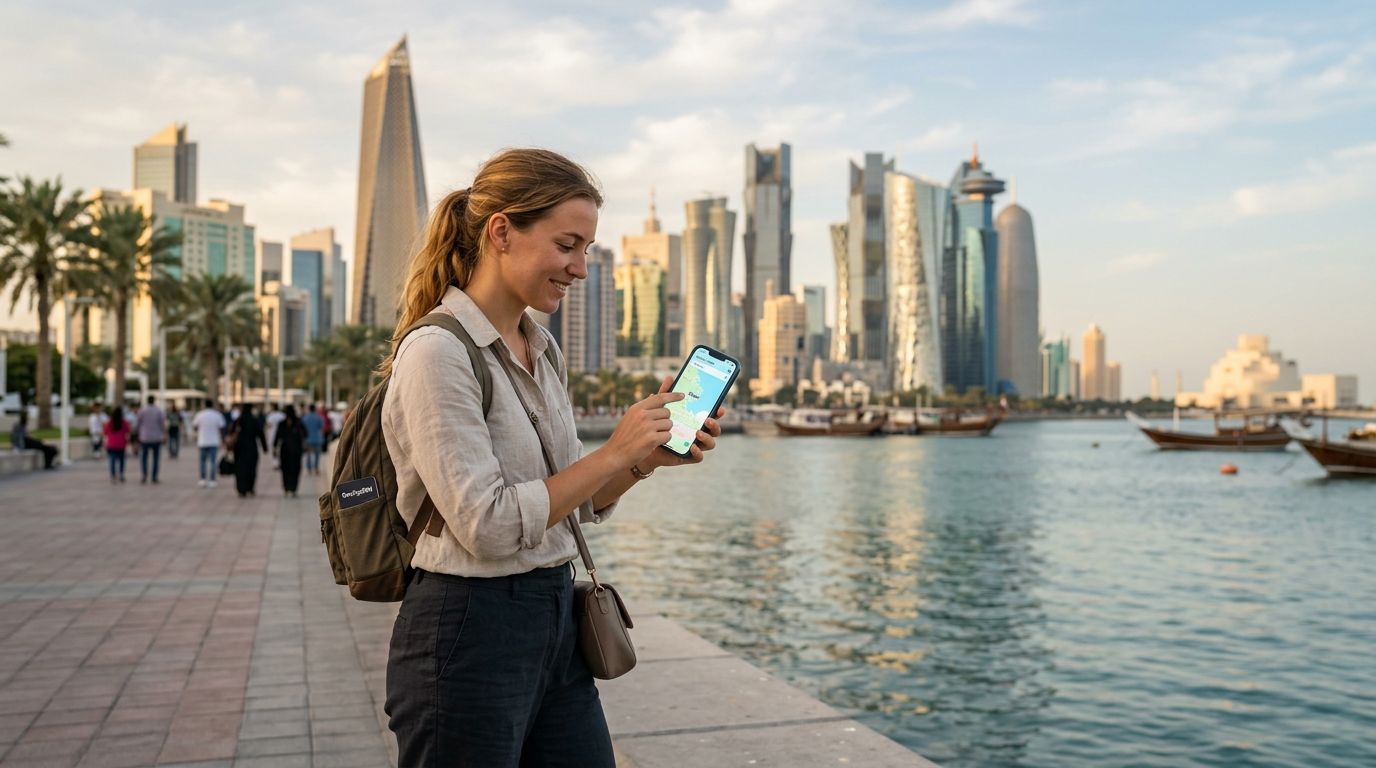
Finally, keep your software updated. Operating system updates often include improvements to cellular connectivity and eSIM management. Ensuring your phone is running the latest version of its software will help avoid bugs and ensure the best possible performance on local Qatari networks. By preparing your device in advance and understanding how to manage your dual-SIM setup, you can focus entirely on enjoying the architecture of the National Museum of Qatar, the vibrant atmosphere of Souq Waqif, and the beautiful coastline, knowing that your connectivity is handled.
Get an eSIM for
Plans for the destinations covered in this guide, with instant QR delivery.