Connectivity Challenges in Kiribati
Kiribati is a remote Pacific island nation known for its stunning lagoons, unique culture, and vast maritime territory. For travelers, reaching this destination often feels like stepping off the map. Because of its geographical isolation, staying connected can be a complex task. Many visitors wonder, "does eSIM work in Kiribati," and the answer requires understanding the local telecommunications infrastructure.
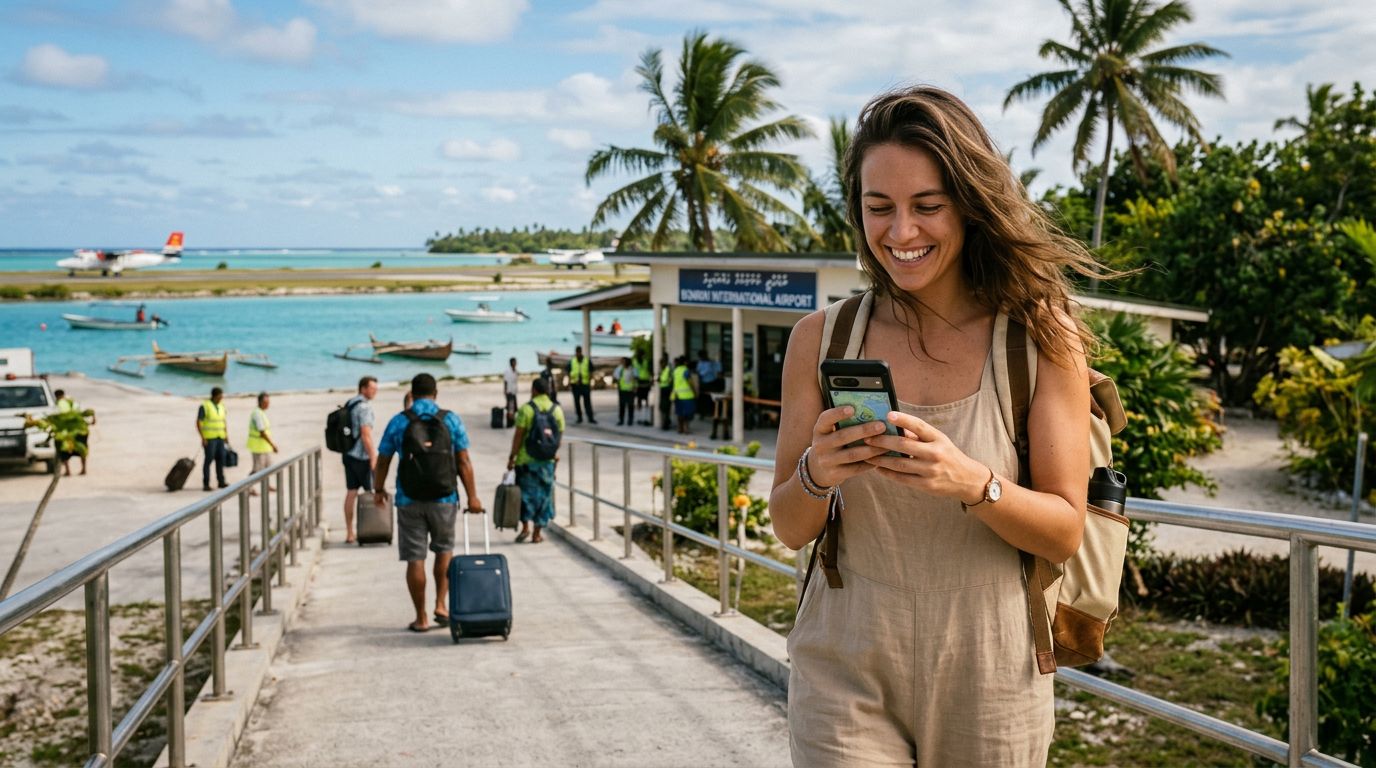
The telecommunications landscape in Kiribati is primarily managed by a single state-owned provider. This means that traditional roaming services are often limited or prohibitively expensive for international travelers. When you arrive at Bonriki International Airport, you might find that your home carrier does not have a roaming agreement in place, or if they do, the speeds are throttled to a point where basic web browsing becomes difficult.
Traditional physical SIM cards have been the standard for years, but they require you to visit a local retail outlet, wait in line, and manage a small piece of plastic that is easy to lose. This is where digital solutions become relevant. An eSIM allows you to bypass the physical exchange of cards, provided that your device is compatible and the local network supports the technology. While Kiribati is still developing its digital infrastructure, the shift toward eSIM technology is beginning to influence how travelers manage their data needs in remote regions.
How eSIM Technology Functions for Travelers
An eSIM, or embedded SIM, is a digital version of the traditional SIM card. It is built directly into the hardware of modern smartphones. Instead of inserting a physical chip, you download a data profile that allows your phone to connect to a cellular network. This technology is particularly useful for international travel because it allows you to maintain your home number for calls and texts while using a separate data plan for your internet needs.
To determine if your device can use this technology, you should verify its compatibility. Most flagship smartphones released in the last few years support eSIM functionality. You can check your device settings or visit the official support pages for Apple or Google to confirm if your specific model is eSIM-ready. If your phone is carrier-locked, you will need to contact your home provider to have it unlocked before you can add an international data plan.
Using an eSIM through a service like OneTapSIM simplifies the process significantly. Instead of hunting for a local shop upon arrival, you can set up your connection before you even leave home. Once you land in Kiribati, your device can switch to the local network profile, allowing you to access maps, messaging apps, and travel information immediately. This removes the stress of being disconnected in a foreign environment and ensures that you have a reliable way to communicate with family or manage your travel itinerary.
Practical Tips for Staying Connected in Kiribati
If you are planning a trip to Kiribati, preparation is the most important factor for maintaining connectivity. Because the islands are spread across a massive area of the Pacific, signal strength can vary significantly between the main hub of South Tarawa and the more remote outer islands.
First, ensure your phone is updated to the latest operating system. Software updates often include carrier settings that improve how your device interacts with international networks. Second, manage your data usage carefully. Even with a reliable data plan, high-definition video streaming or large file downloads can consume your data allowance quickly. Use offline maps and download necessary documents before you depart to conserve your bandwidth.
When you use OneTapSIM to manage your connectivity, you gain the advantage of a streamlined interface that helps you monitor your data usage. If you find that you need more data, you can often manage your plan settings through your account dashboard. This level of control is a significant improvement over traditional roaming, where you might be hit with unexpected charges or find yourself unable to top up your account without visiting a physical store.
It is also wise to have a backup plan. In remote destinations, technical issues can occur due to weather or infrastructure maintenance. Carrying a portable power bank is essential, as searching for a signal can drain your battery faster than usual. Additionally, keep a printed copy of your accommodation address and emergency contacts in your bag, as you should never rely solely on a digital device for critical information in a location where network coverage can be intermittent.
By understanding the limitations of the local network and utilizing modern tools, you can enjoy your time in Kiribati without the frustration of being completely offline. While the infrastructure is still evolving, the convenience of digital SIM technology provides a practical path forward for travelers who need to stay reachable while exploring one of the most remote corners of the globe. Whether you are visiting for the unique marine life or the historical significance of the islands, having a plan for your connectivity ensures that you can focus on the experience rather than the logistics of your mobile service.
Get an eSIM for
Plans for the destinations covered in this guide, with instant QR delivery.