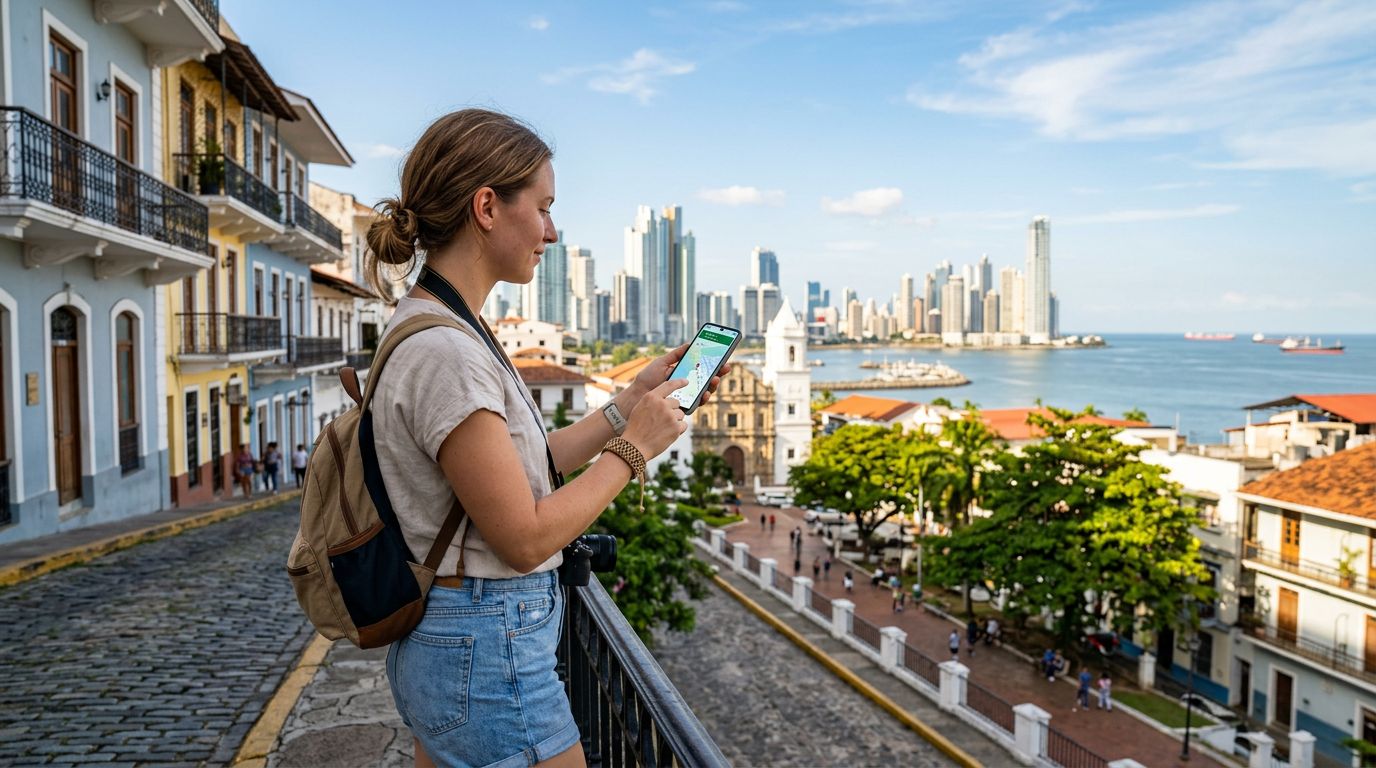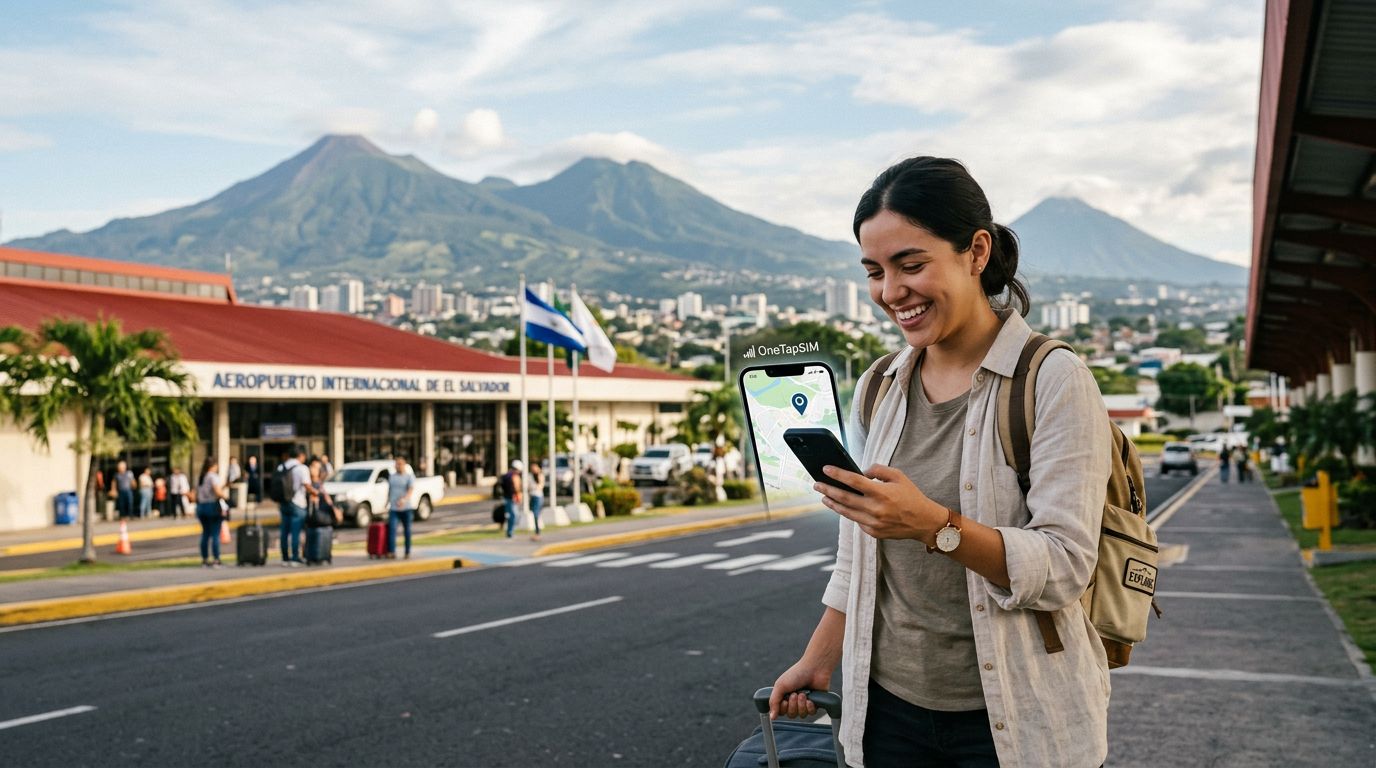
El Salvador is quickly becoming a premier destination for travelers seeking a mix of volcanic landscapes, world-class surfing, and rich colonial history. As you prepare for your journey to the "Land of Volcanoes," staying connected is likely at the top of your checklist. Whether you are navigating the winding streets of Suchitoto, checking surf conditions at El Tunco, or sharing photos of the Santa Ana volcano, having a reliable internet connection is essential.
If you are wondering, "does eSIM work in El Salvador," the short answer is yes. eSIM technology has transformed how international travelers access mobile data, allowing you to bypass the traditional search for physical SIM card kiosks at the airport. By using an eSIM, you can maintain your home phone number for essential calls while enjoying local data speeds throughout your trip.
Why eSIM is the Best Choice for El Salvador
Traditional physical SIM cards are becoming a relic of the past for frequent travelers. In the past, arriving in a new country meant hunting for a local mobile provider, waiting in line, and carefully swapping out your home SIM card—risking the loss of a tiny piece of plastic in the process. With an eSIM, these logistical hurdles disappear.
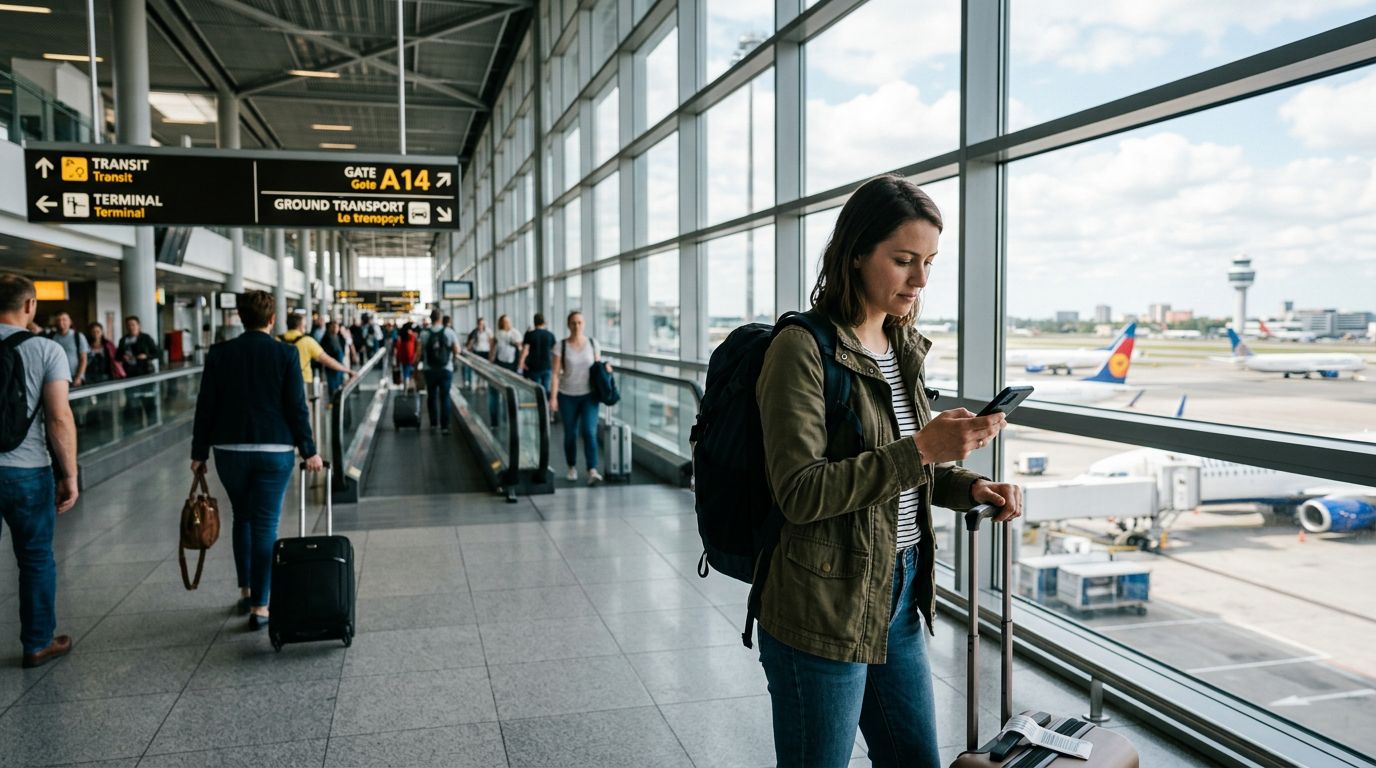
An eSIM is a digital version of a SIM card that is embedded directly into your device's hardware. Because it is software-based, you can purchase and activate your data plan before your plane even touches down at Monseñor Óscar Arnulfo Romero International Airport. Once you land, your phone will automatically connect to the local network, providing you with instant access to maps, ride-sharing apps, and messaging services.
For those traveling to El Salvador, the primary benefit of using a service like OneTapSIM is the seamless transition between countries or regions. If you are on a multi-country tour of Central America, you can manage your connectivity through a single interface. Furthermore, because you are not removing your physical SIM, you eliminate the risk of losing your primary card. This allows you to receive important SMS notifications or two-factor authentication codes from your home bank or email provider without incurring expensive roaming fees.
Compatibility and Device Requirements
Before you commit to an eSIM for your trip, it is important to ensure your device is compatible. Most modern smartphones released in the last few years support eSIM functionality. Generally, if you are using an iPhone from the XS series or newer, or a recent Android flagship device, you should have no issues.
To verify your device's capabilities, you can check the settings menu on your phone. On iOS devices, this information is typically found under the Cellular or Mobile Data section. Android devices usually list this under Network & Internet or SIM Card Manager. If you see an option to "Add eSIM" or "Add Cellular Plan," your device is ready to go.
It is equally important to ensure your phone is carrier-unlocked. If you purchased your phone through a mobile provider on a contract, it might be locked to that specific carrier's network. A locked phone will not accept an eSIM from a third-party provider, regardless of whether the hardware supports it. You can usually verify this status by contacting your home carrier or checking the network settings on your phone. If your device is locked, you must request an unlock from your carrier before you travel to El Salvador.
Once you confirm your device is compatible and unlocked, the setup process is straightforward. OneTapSIM provides a digital QR code or manual activation details that you scan or input into your phone’s settings. The entire process takes only a few minutes and can be completed via Wi-Fi at your home or hotel before you depart.
Tips for Staying Connected Throughout Your Trip
El Salvador offers a diverse range of environments, from dense urban centers like San Salvador to remote mountainous regions and coastal surf towns. While major metropolitan areas and popular tourist hubs usually have excellent 4G and 5G coverage, connectivity can occasionally be patchy in deep rural areas or national parks.
To maximize your experience, consider these practical tips for managing your data:
First, monitor your data usage. While it is tempting to upload high-resolution videos or stream music while on the go, these activities can exhaust your data allotment quickly. Use Wi-Fi at your hotel or cafe for large downloads or updates, and save your mobile data for essential tasks like navigation, messaging, and quick web searches.
Second, familiarize yourself with offline maps. Even with a reliable eSIM, there may be instances where you encounter a dead zone. Downloading offline maps for El Salvador via your preferred navigation app ensures that you can always find your way back to your accommodation, regardless of signal strength.
Third, adjust your phone’s settings to prevent background data consumption. Many apps, such as social media platforms and cloud photo backup services, consume data in the background without you realizing it. By restricting background data for non-essential applications, you ensure that your data remains available for the tasks that truly matter during your trip.
Finally, keep a portable power bank in your daypack. Using mobile data, GPS, and camera apps simultaneously can drain your battery faster than usual. Having a backup power source ensures that your phone—and your connection—stays active throughout the day.
By opting for an eSIM through a provider like OneTapSIM, you are choosing a modern, efficient, and stress-free way to stay connected. You gain the freedom to explore El Salvador on your own terms, knowing that you have a reliable link to the digital world whenever you need it. Whether you are trekking through El Imposible National Park or enjoying the vibrant nightlife in San Salvador, your connectivity will be as smooth and effortless as the rest of your adventure.
Get an eSIM for
Plans for the destinations covered in this guide, with instant QR delivery.