Connectivity in Croatia: Why eSIM is the Modern Choice
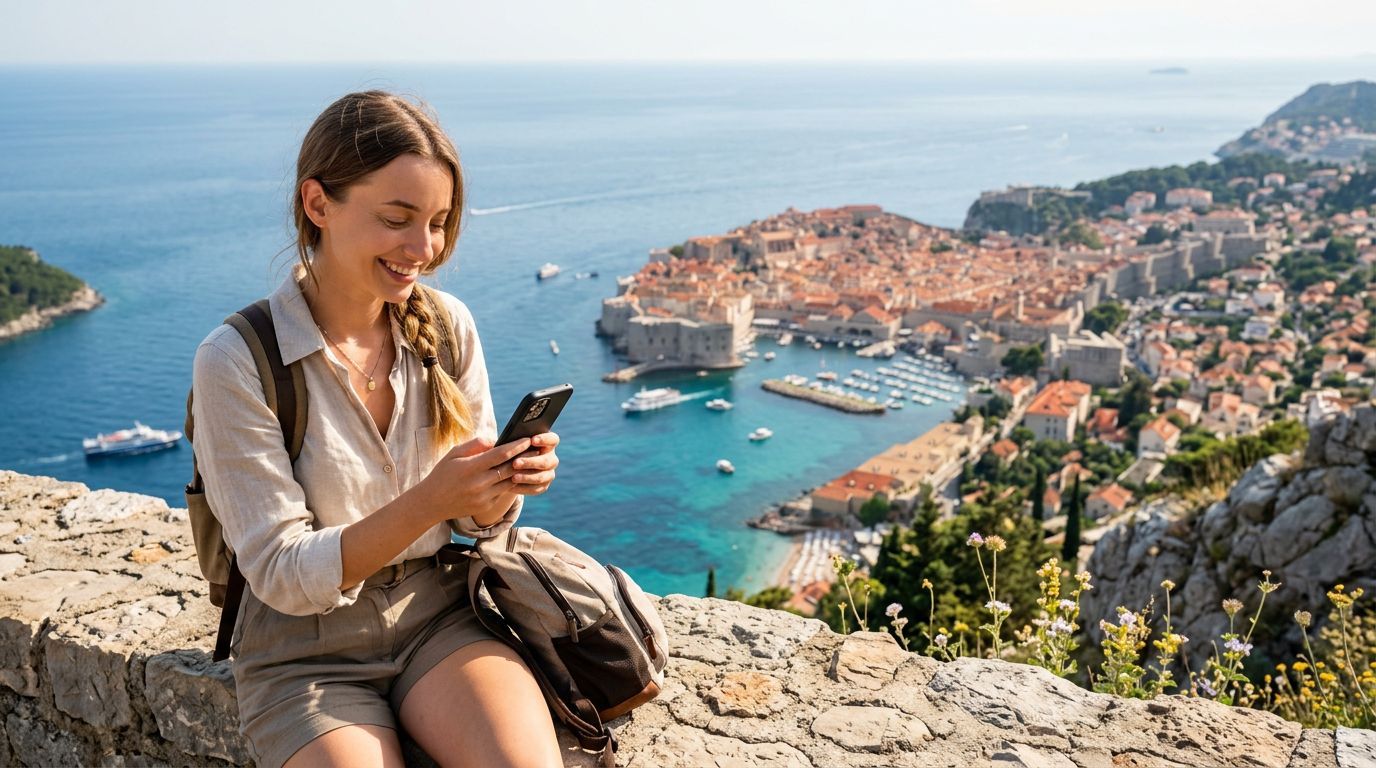
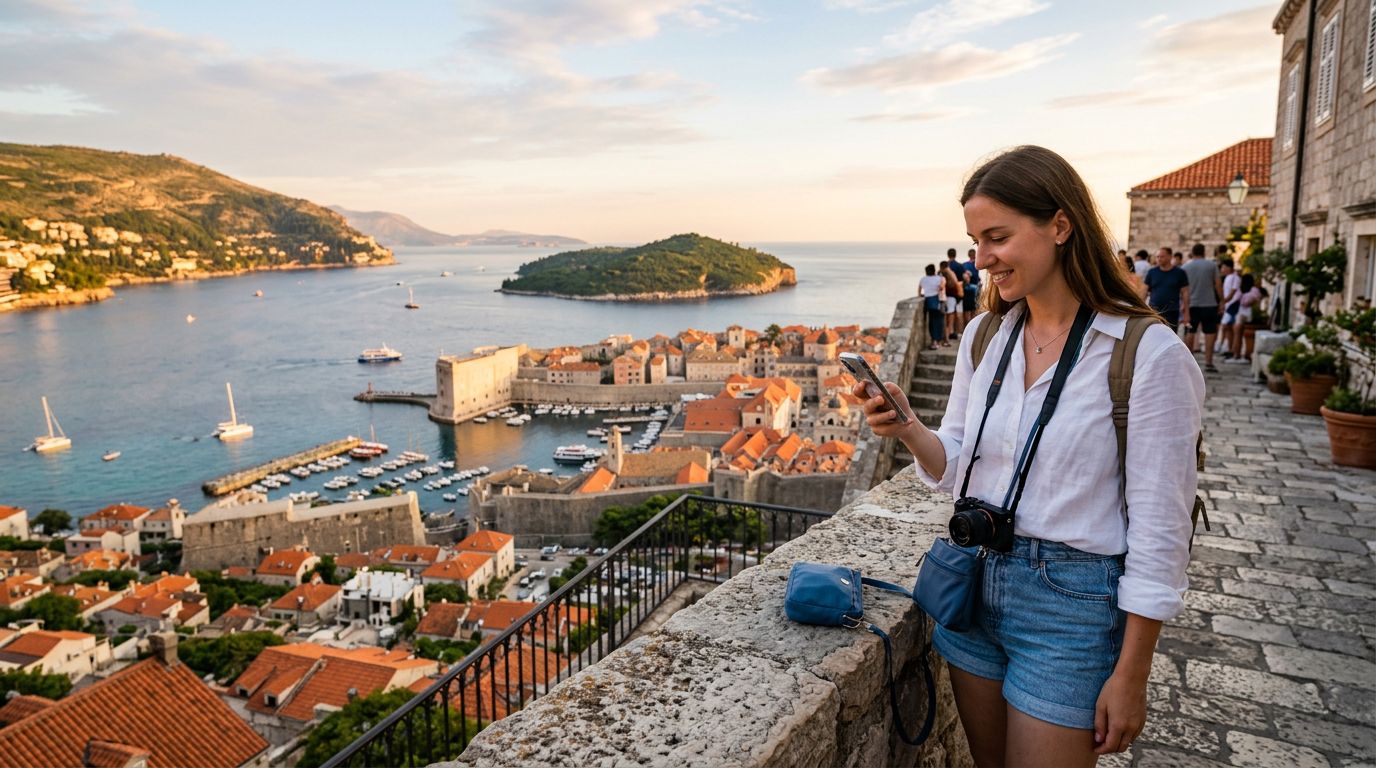
Travelers planning a trip to Croatia often find themselves weighing the pros and cons of various connectivity options. Whether you are exploring the historic walls of Dubrovnik, island-hopping through the Dalmatian coast, or wandering the waterfalls of Plitvice Lakes, staying connected is essential for maps, reservations, and sharing your journey. The question "does eSIM work in Croatia?" is one of the most common inquiries from modern travelers, and the answer is a resounding yes.
Traditional roaming has long been the default, but it frequently comes with unpredictable costs and the hassle of physical SIM card swaps. An eSIM, or embedded SIM, changes this dynamic entirely. Because it is a digital version of a standard SIM card, it is built directly into the hardware of your smartphone. Instead of visiting a local kiosk or waiting for a physical package to arrive, you can activate your service before you even board your flight.
Croatia has a robust telecommunications infrastructure. Major local providers have invested heavily in 4G and 5G coverage, ensuring that even in more remote coastal areas or mountainous regions, you can maintain a stable connection. By opting for an eSIM, you tap into these local networks without the need to remove your home SIM card. This allows you to keep your primary number active for critical calls or two-factor authentication texts while using a data-only eSIM for your browsing, navigation, and social media needs.
How to Check if Your Device Supports eSIM
Before you commit to a digital solution, you must confirm that your hardware is compatible. Most flagship smartphones released within the last several years include eSIM functionality. If you are using a recent model from major manufacturers, your device is likely ready to go.
To verify compatibility, you can check your device settings. On an iPhone, navigate to the cellular or mobile data section in your settings menu. If you see an option to "Add eSIM" or "Add Cellular Plan," your device is compatible. Similarly, on Android devices, you should look under the network or connections menu for SIM card management settings. If the device allows you to add a network profile digitally, you are all set.
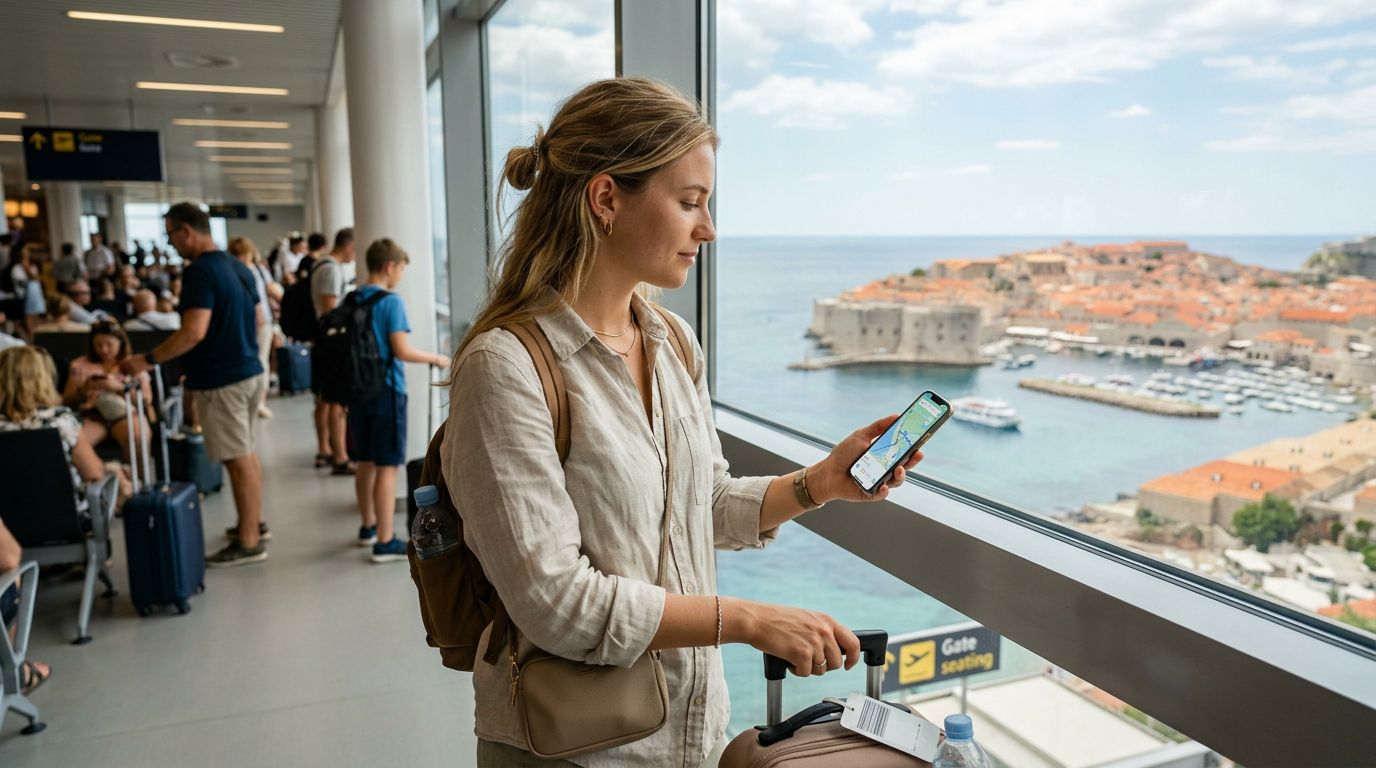
When you choose a service like OneTapSIM, the process is streamlined to ensure that you spend less time configuring settings and more time enjoying your vacation. Because the eSIM profile is delivered digitally, you can install it while sitting at home or even at the airport. Once you arrive in Croatia, your device will automatically detect the local network, provided you have enabled data roaming for that specific eSIM profile in your settings. This seamless transition is why many travelers are moving away from physical cards entirely.
Practical Tips for Using Your eSIM in Croatia
Once you have confirmed that your device is compatible and you have your eSIM ready, there are a few best practices to ensure a smooth experience. First, it is important to understand how to manage your dual-SIM setup. Most modern phones allow you to label your SIMs. You might label your primary SIM as "Home" and your eSIM as "Croatia." This makes it easy to toggle between them if you need to perform specific tasks.
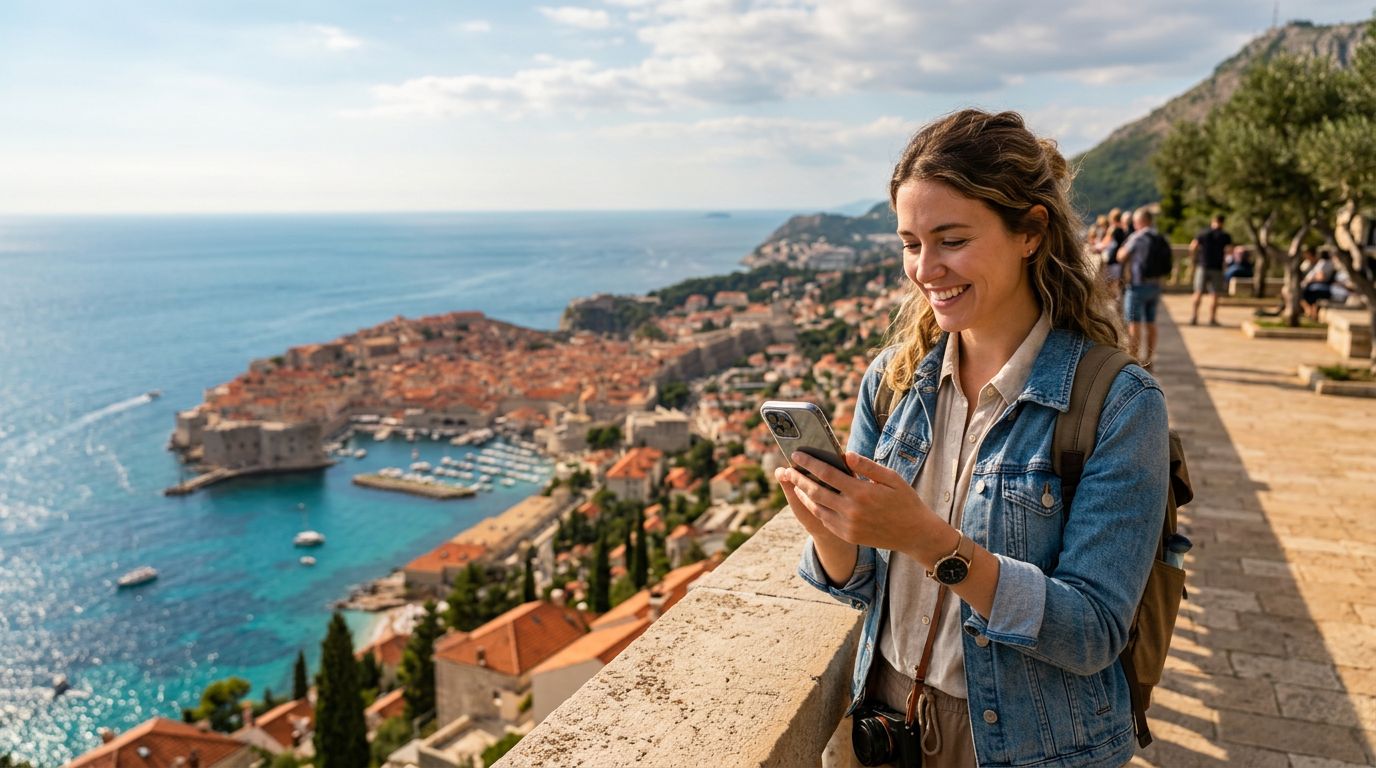
Many travelers worry about data consumption. When you land in Croatia, ensure that your phone is set to use the eSIM for cellular data. If you accidentally leave your primary SIM set as the primary data source, you might trigger international roaming charges from your home carrier. By setting your eSIM as the primary data line, you ensure that all your internet traffic—including GPS, messaging apps, and web browsing—runs through your local data plan.
Another advantage of using an eSIM is the ability to manage multiple profiles. If your trip involves crossing borders into neighboring countries like Slovenia, Bosnia and Herzegovina, or Montenegro, you can often find regional eSIM plans that cover the entire Balkan area. This eliminates the need to purchase a new SIM card every time you cross a border. With OneTapSIM, you can manage these profiles directly from your phone, keeping your connectivity consistent throughout your entire European itinerary.
Battery management is another consideration. Keeping your phone in a high-coverage area is generally fine, but if you are hiking in remote parts of Croatia, your phone may work harder to find a signal, which drains the battery. To conserve power, download offline maps for the areas you plan to visit. While your eSIM will provide excellent coverage, having a backup map ensures that you are never stranded if you venture into a spot with limited reception.
Finally, remember that your eSIM is a data-only tool. It is designed to provide you with the internet access required for modern travel. If you need to make traditional voice calls, you can still use apps like WhatsApp, FaceTime, or Skype, which rely on your data connection. These services work perfectly over the high-speed networks available in Croatia, providing a clear and reliable way to stay in touch with friends and family back home. By preparing your device ahead of time and understanding how to toggle your network settings, you can enjoy a stress-free trip, knowing that your digital connectivity is handled. Whether you are navigating the streets of Split or relaxing on the beaches of Hvar, having a reliable eSIM ensures you remain connected to the information you need, exactly when you need it.
Get an eSIM for
Plans for the destinations covered in this guide, with instant QR delivery.