Understanding eSIM Technology for Your Brunei Travels
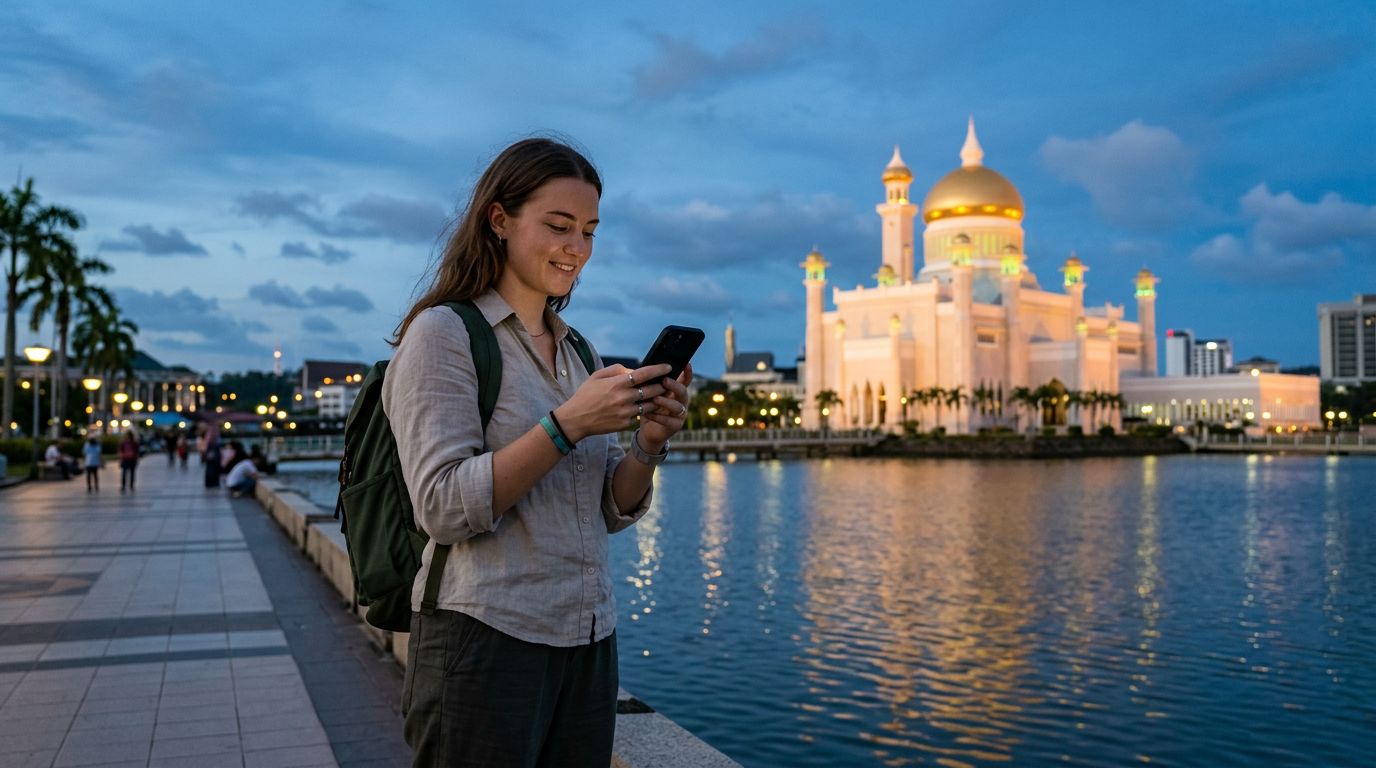
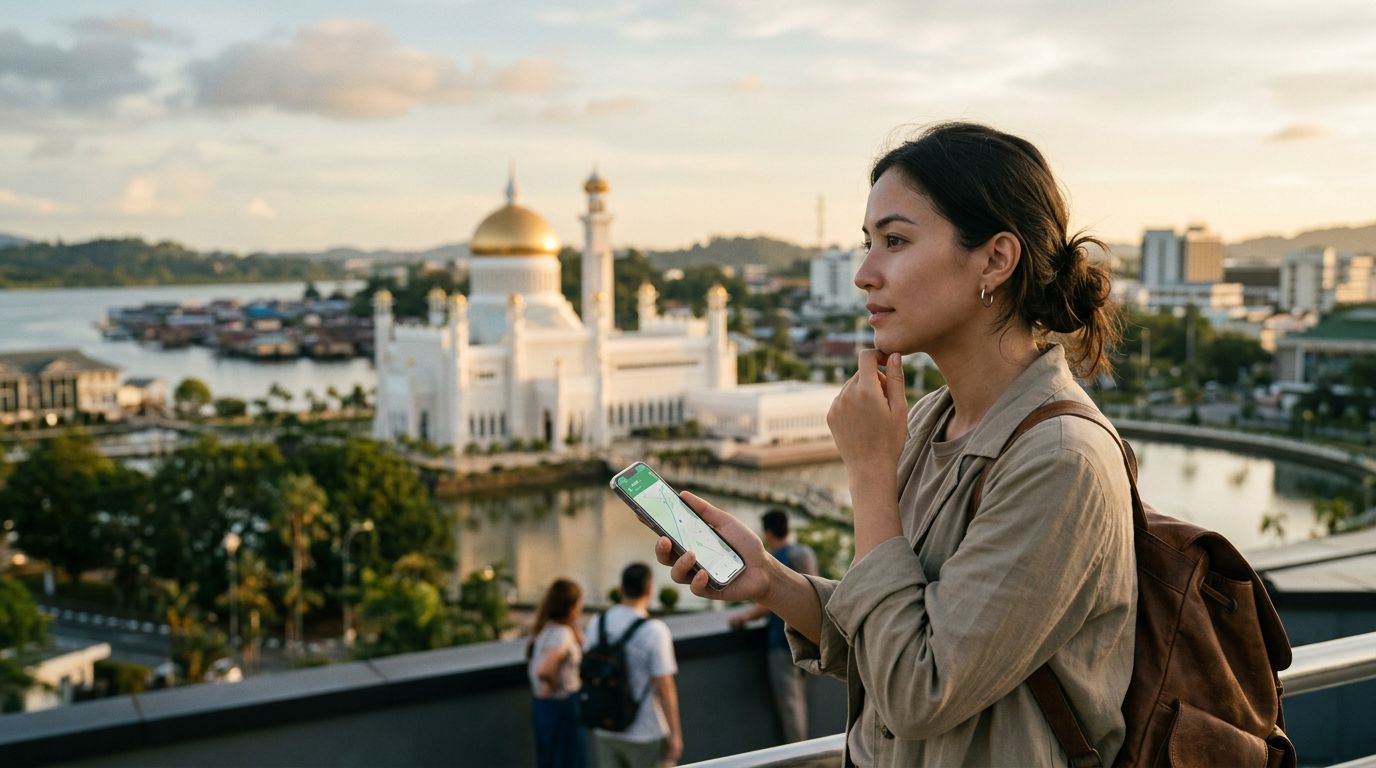
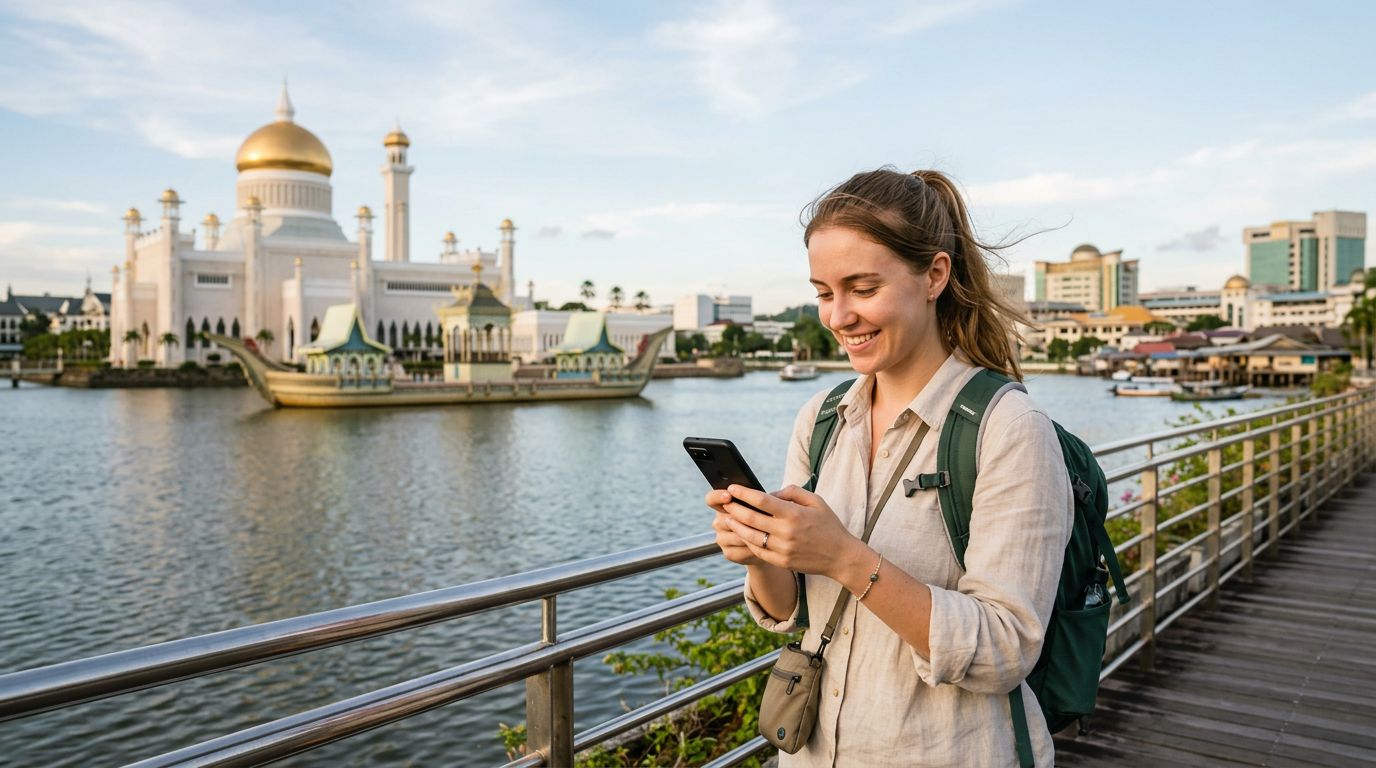
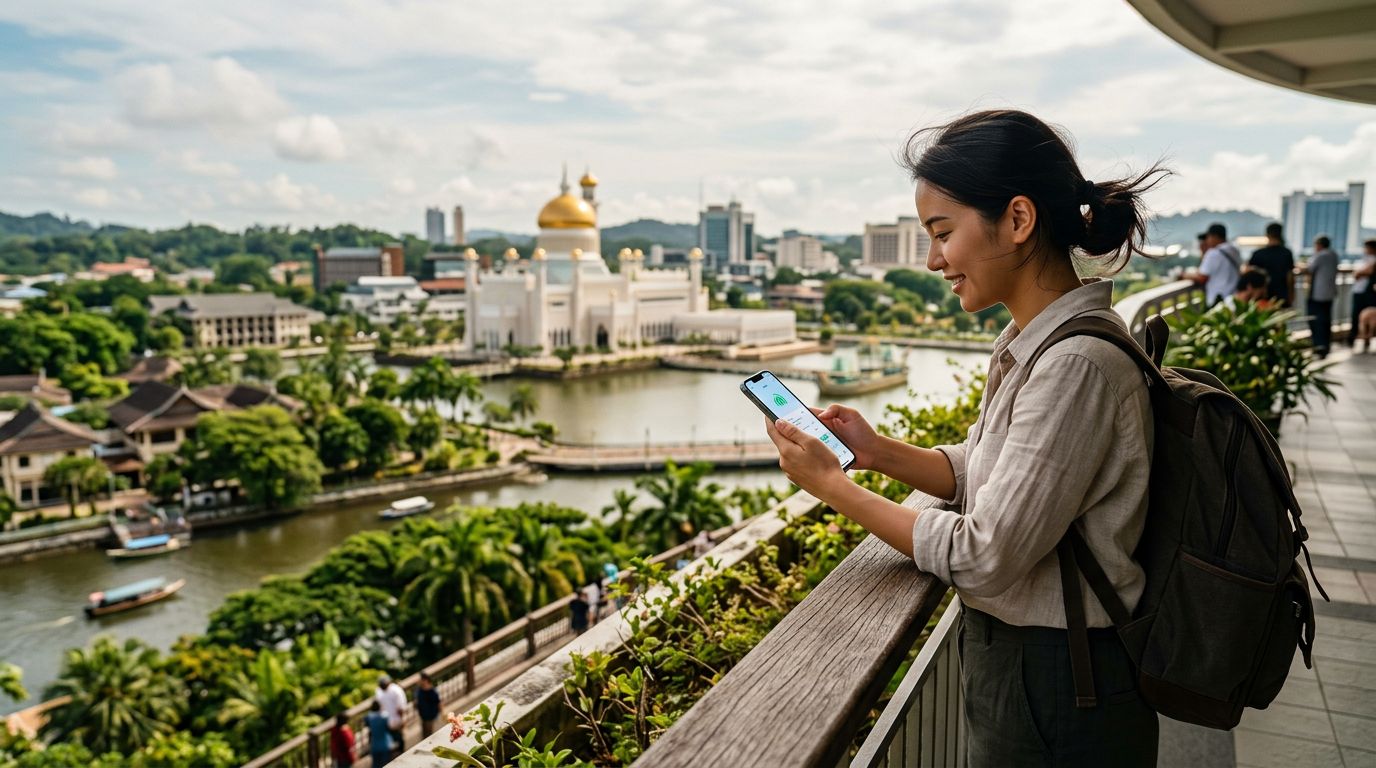
Planning a trip to Brunei Darussalam offers a unique opportunity to explore one of Southeast Asia's most tranquil and culturally rich nations. From the stunning Omar Ali Saifuddien Mosque to the lush rainforests of Ulu Temburong National Park, there is much to document and share. However, maintaining a reliable internet connection is essential for navigation, translation, and staying in touch with family back home. Many travelers often ask, "does esim work in brunei?" The answer is a definitive yes.
An eSIM, or embedded SIM, is a digital version of the traditional physical SIM card. Instead of inserting a small plastic chip into your phone, you download a data profile directly to your device. This technology has revolutionized international travel because it eliminates the need to visit local kiosks or swap out your original SIM card, which carries the risk of loss or damage.
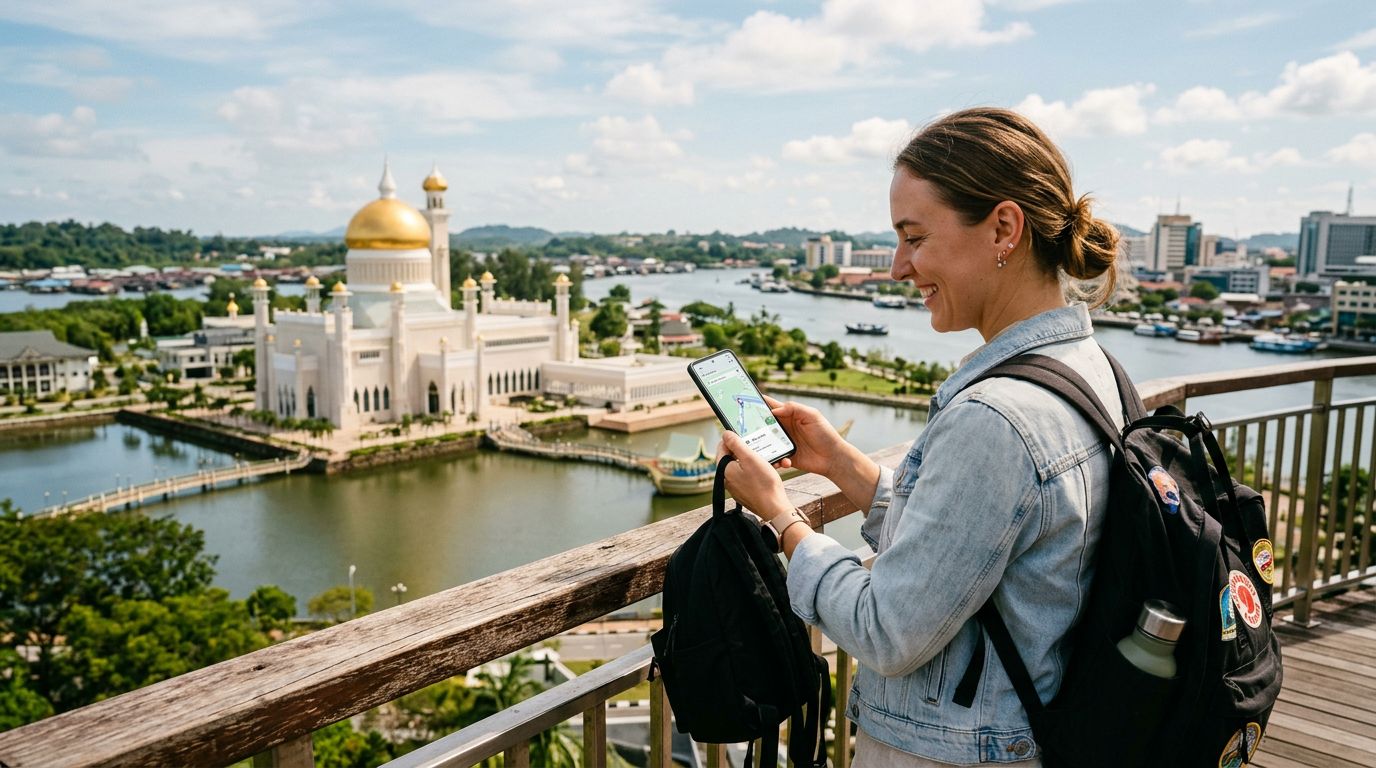
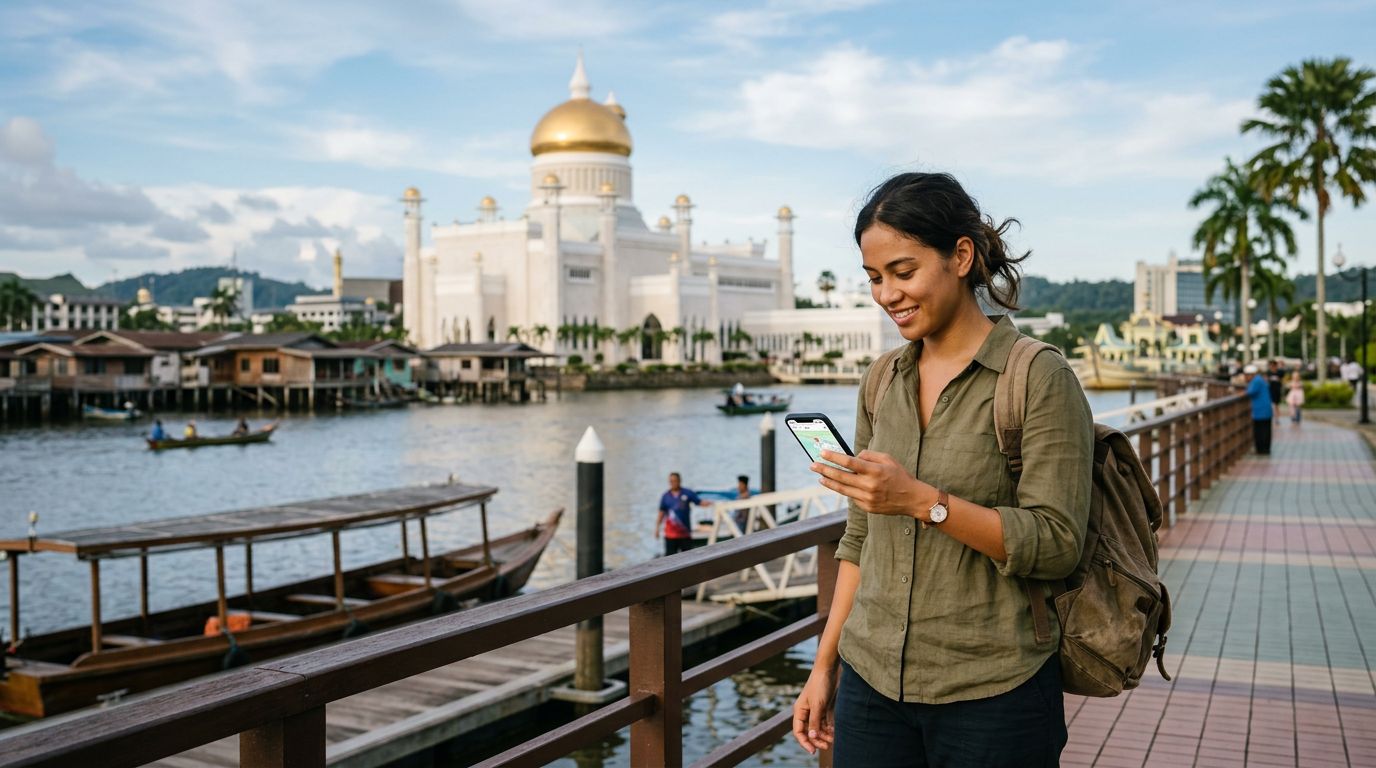
When you use an eSIM, your phone functions just as it would with a local provider, but without the logistical headache of physical hardware. For those traveling to Brunei, a digital SIM provides immediate access to local networks the moment you land. Whether you are using ride-sharing apps to get around Bandar Seri Begawan or uploading photos of the Royal Regalia Museum, having a stable connection is a fundamental part of a smooth travel experience.
Why Choose an eSIM for Your Brunei Journey
The primary advantage of using an eSIM in Brunei is the convenience of pre-activation. With a service like OneTapSIM, you can set up your connectivity before you even leave your home country. By installing the profile ahead of time, you ensure that your device is ready to connect to a local network as soon as you touch down at Brunei International Airport.
Beyond convenience, security is a major factor. Relying on public Wi-Fi networks in cafes or hotels can expose your personal data to potential risks. By using your own dedicated data connection via an eSIM, you maintain a private and secure link to the internet. This is particularly important if you need to access banking applications, professional emails, or other sensitive accounts while traveling.
Another significant benefit is the ability to keep your primary phone number active. Many travelers worry that removing their home SIM card will prevent them from receiving important SMS verification codes or calls. With an eSIM, you can often keep your primary SIM active for calls and texts while using the eSIM specifically for data. This dual-SIM functionality allows you to stay reachable on your home number while avoiding the exorbitant roaming fees typically charged by domestic carriers when they detect a foreign network.
Managing your data usage is also more transparent. Traditional roaming plans often come with hidden costs or complicated daily caps. With a dedicated travel eSIM, you know exactly how much data you have purchased. If you find yourself needing more, you can often manage your usage through your provider’s interface, ensuring you stay connected without the surprise of a massive bill upon your return home.
Getting Started: Compatibility and Installation
Before you decide to use an eSIM, it is important to confirm that your smartphone supports the technology. Most modern flagship devices released in the last few years are compatible. You can verify your device’s capabilities by checking the official support pages for Apple or Google, which provide comprehensive lists of eSIM-capable hardware. Generally, if you have a phone manufactured within the last three to four years, it is highly likely that your device is ready for an eSIM.
The installation process is straightforward. Once you have purchased your plan, you will receive a QR code or a set of manual installation instructions. You simply navigate to your phone's cellular settings, select the option to add a new plan, and follow the prompts to scan the code or enter the provided details. The entire process takes only a few minutes.
Once installed, the eSIM remains dormant until you reach your destination. Upon arrival in Brunei, you simply toggle the eSIM on in your cellular settings. Your phone will then automatically search for and connect to the local partner network. If you encounter any issues, a quick toggle of "Airplane Mode" usually prompts the device to re-scan for available towers.
It is helpful to keep a few tips in mind for a seamless experience: 1. Ensure your phone is carrier-unlocked. If your device is locked to a specific network provider in your home country, it may not accept an eSIM from a different provider. 2. Disable "Data Roaming" on your primary SIM card to prevent your home carrier from triggering expensive roaming charges, but keep the eSIM data roaming enabled, as this is how the digital profile communicates with the local network. 3. If you are traveling to multiple countries in the region, check if your eSIM plan covers those destinations as well. Some plans offer regional coverage, which is ideal if you are planning a multi-stop trip through Southeast Asia.
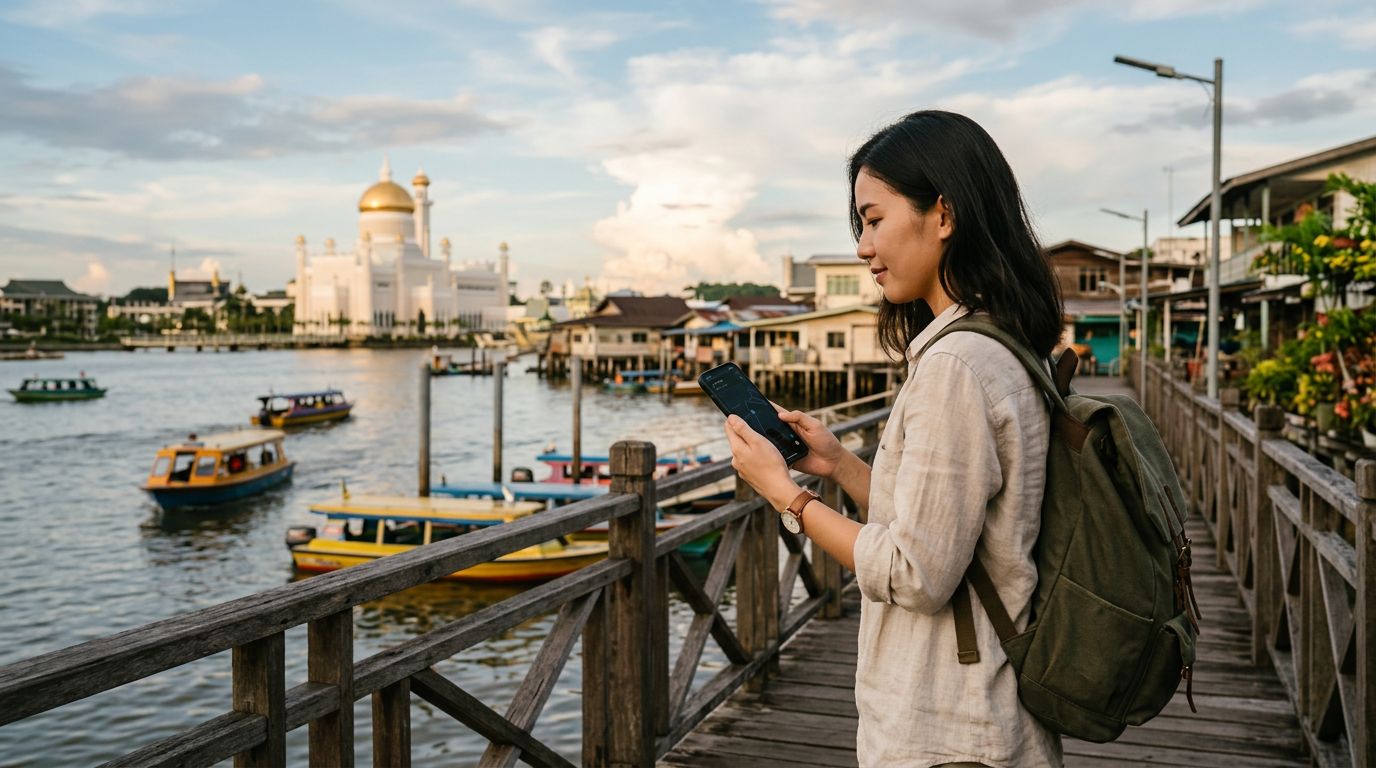
By preparing your connectivity in advance, you remove one of the most stressful aspects of international travel. Instead of searching for a store to buy a physical SIM card or struggling with language barriers at an airport kiosk, you can step off the plane and immediately start using your maps, messaging apps, and travel guides. Embracing this technology allows you to focus on the beauty of Brunei, knowing that your digital needs are handled efficiently and reliably. Whether you are navigating the water villages or enjoying the local cuisine, having a consistent connection ensures you can capture every moment and share your journey with ease.
Get an eSIM for
Plans for the destinations covered in this guide, with instant QR delivery.