The Path to Statehood: A Historical Overview
Hawaii is a destination that captures the imagination of millions, known for its lush landscapes, volcanic terrain, and rich cultural heritage. While many visitors travel to the islands to experience the spirit of Aloha, few stop to consider the complex political history that led to Hawaii becoming the 50th state of the United States. Understanding this history provides a deeper appreciation for the unique blend of cultures that define the islands today.
The transition of Hawaii from an independent kingdom to a U.S. territory, and eventually a state, was a process spanning several decades. Following the overthrow of the Hawaiian monarchy in 1893, the islands were annexed by the United States in 1898 through the Newlands Resolution. For the next sixty years, Hawaii operated as an organized incorporated territory. During this time, the islands saw significant demographic changes, economic growth driven by the sugar and pineapple industries, and a strategic military expansion that became vital during the mid-twentieth century.
The push for statehood gained significant momentum following World War II. Residents of the territory, including veterans who had served the United States during the war, felt that they deserved the full rights and responsibilities of American citizenship. After years of political debate in Washington and local advocacy within the islands, the Hawaii Admission Act was passed by Congress and signed into law by President Dwight D. Eisenhower.
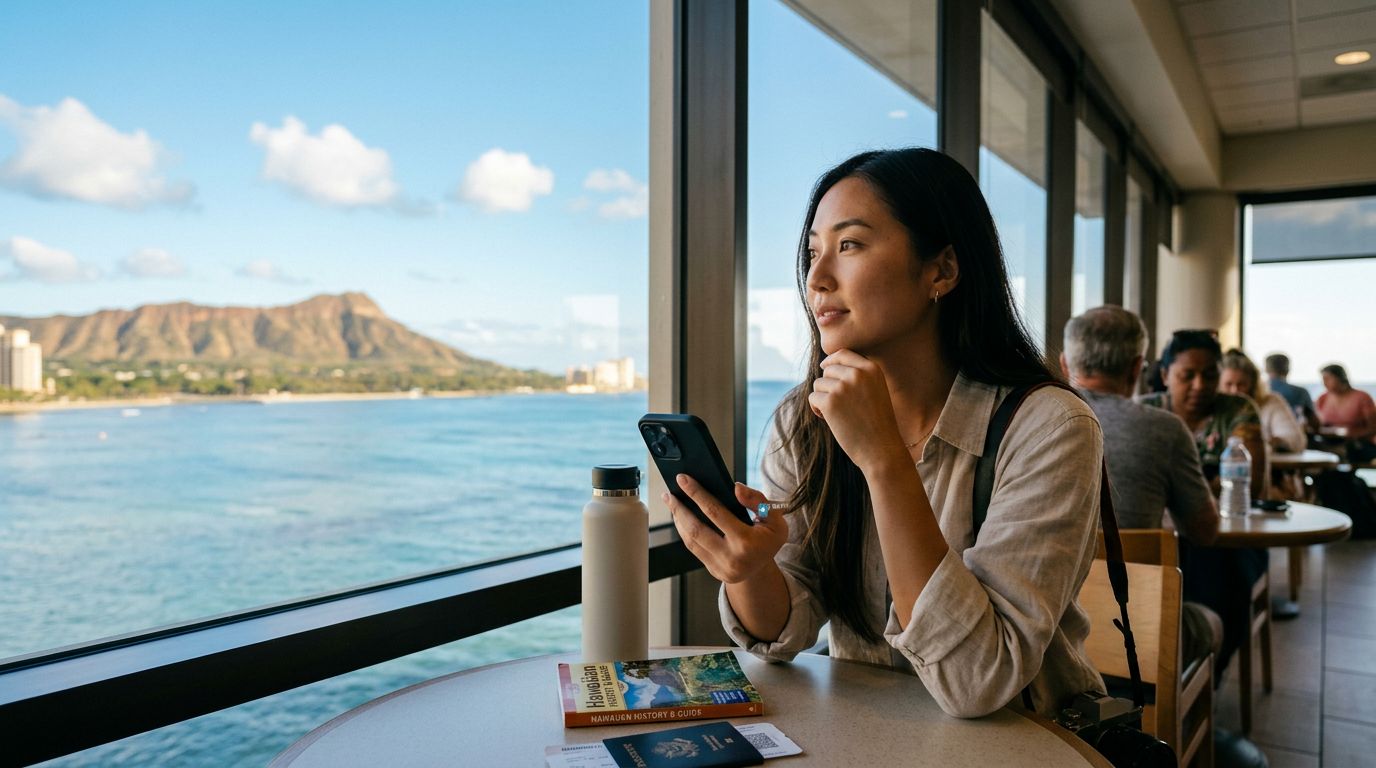
So, when did Hawaii become a state? The official date is August 21, 1959. This momentous occasion marked the end of territorial status and the beginning of Hawaii’s role as the final state to join the Union. This history is preserved today in various museums and cultural centers across Oahu and the other islands, offering travelers a chance to learn about the transition while they explore the stunning natural scenery.
Planning Your Trip to the 50th State
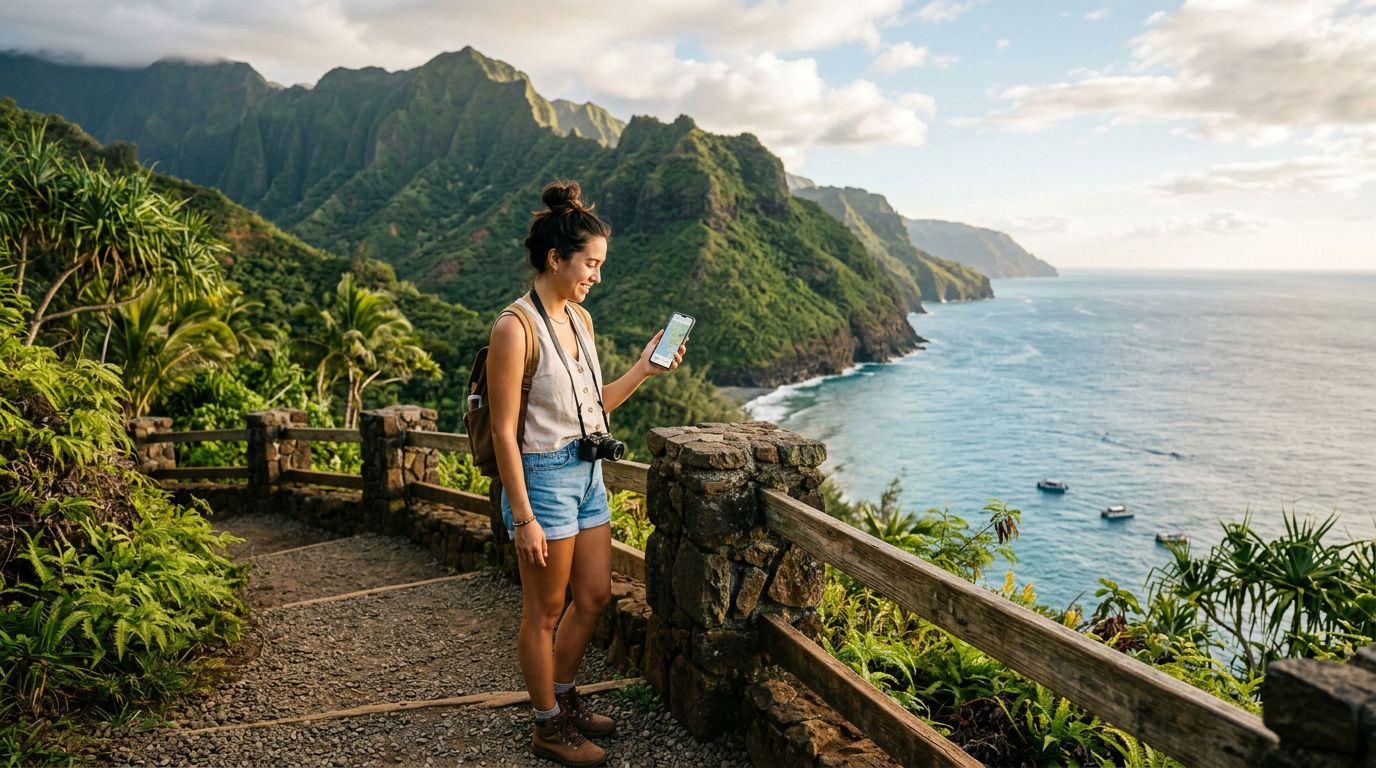
Traveling to Hawaii requires careful preparation, especially when it comes to staying connected. Whether you are planning to hike the trails of the Na Pali Coast, surf the legendary waves of the North Shore, or visit the historic sites related to the state’s admission, having a reliable internet connection is essential. Modern travelers rely on their smartphones for everything from navigating maps and checking weather forecasts to translating local phrases and sharing photos of their journey.
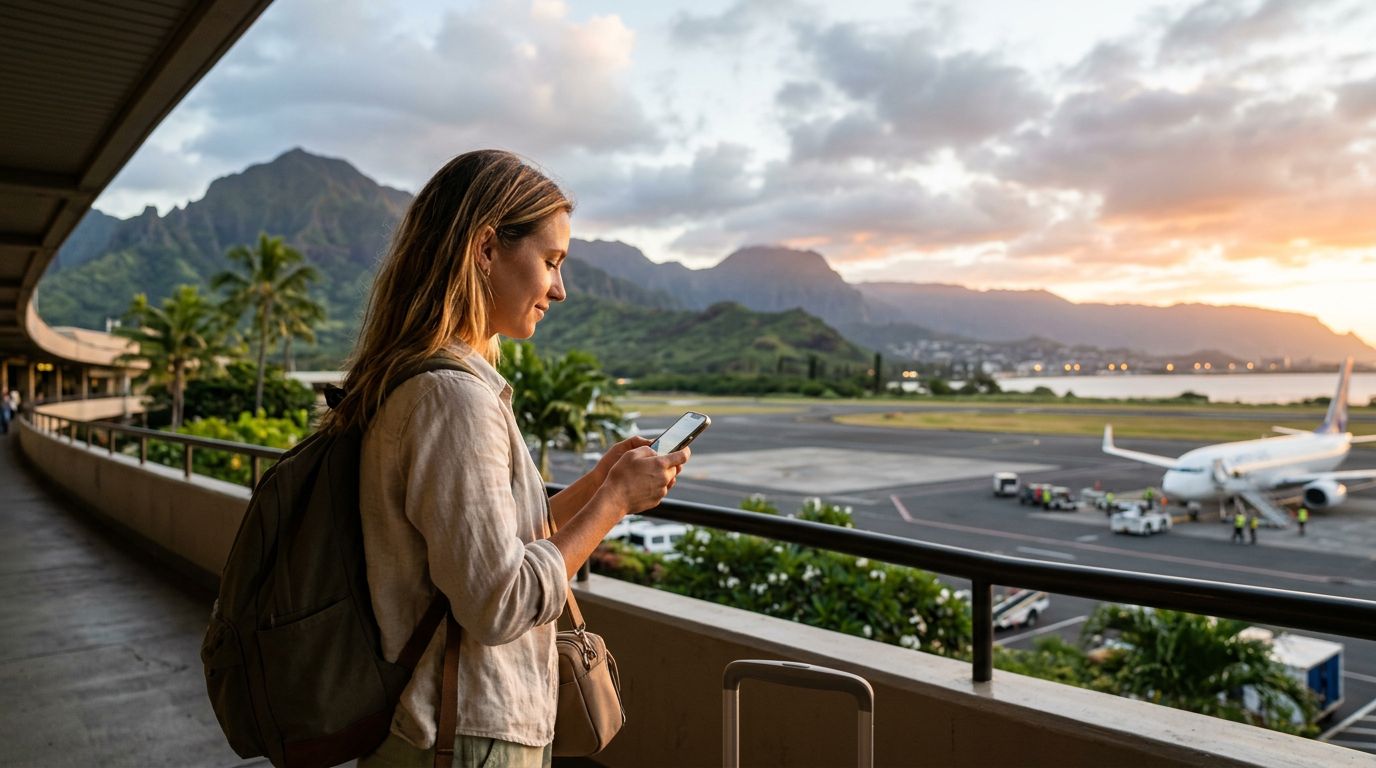
When you arrive at the airport, the last thing you want is the hassle of finding a local store to purchase a physical SIM card or worrying about excessive roaming charges from your home carrier. This is where modern connectivity solutions come into play. Using a digital eSIM allows you to activate a mobile data plan directly on your device before you even land. For those who want a seamless experience, OneTapSIM offers a convenient way to manage your mobile data needs. By setting up your connection ahead of time, you can ensure that your phone is ready to go the moment you step off the plane.
Connectivity is particularly important when exploring the more remote areas of the islands. While the major hubs like Honolulu are well-connected, the beauty of Hawaii often lies in its secluded beaches and mountain lookouts. Having a stable data connection ensures that you can access real-time information, safety alerts, and travel guides whenever you need them. Whether you are using an iPhone or a modern Android device, the process of installing an eSIM is straightforward and efficient, allowing you to focus on the experience rather than the logistics of your mobile service.
Cultural Etiquette and Travel Tips for Hawaii
As you explore the history of Hawaii and celebrate its status as a state, it is important to remember that you are visiting a place with a deep-rooted culture. The concept of "Aloha" is more than just a greeting; it is a way of life that emphasizes kindness, respect, and harmony. As a visitor, practicing mindful tourism helps preserve the islands for future generations.
One of the best ways to show respect is to learn about the local customs. For instance, when visiting historical sites, pay attention to signage and respect any areas that are designated as sacred or off-limits. Many of the locations associated with the history of the Hawaiian monarchy are managed with great care, and visitors are expected to maintain a quiet and respectful demeanor.
Additionally, consider the environmental impact of your visit. Hawaii’s ecosystem is fragile, and the islands are home to many endemic species that cannot be found anywhere else on Earth. Stick to marked trails when hiking to avoid damaging local flora, and always follow guidelines regarding marine life. When you are out exploring, keep your mobile device charged and your data active so you can easily access information about park rules and conservation efforts. If you find yourself needing to look up the history of a specific landmark or check the status of a park, having a reliable data plan through a service like OneTapSIM can make your research quick and easy.
Finally, remember that Hawaii is a diverse state with a unique fusion of Polynesian, Asian, and Western influences. Take the time to sample local cuisine, listen to traditional music, and engage with the local community. By moving beyond the typical tourist path and seeking out authentic experiences, you will gain a much better understanding of why Hawaii is such a special place. Whether you are interested in the political history of how and when Hawaii became a state or simply want to relax on the beach, the islands offer a wealth of knowledge and beauty that is well worth the journey. With your travel plans set and your digital connectivity sorted, you are ready to enjoy everything that the Aloha State has to offer.
Kup eSIM na
Plany dla kierunków opisanych w tym poradniku, z natychmiastową dostawą QR.