Understanding Your Connectivity Needs in Sweden
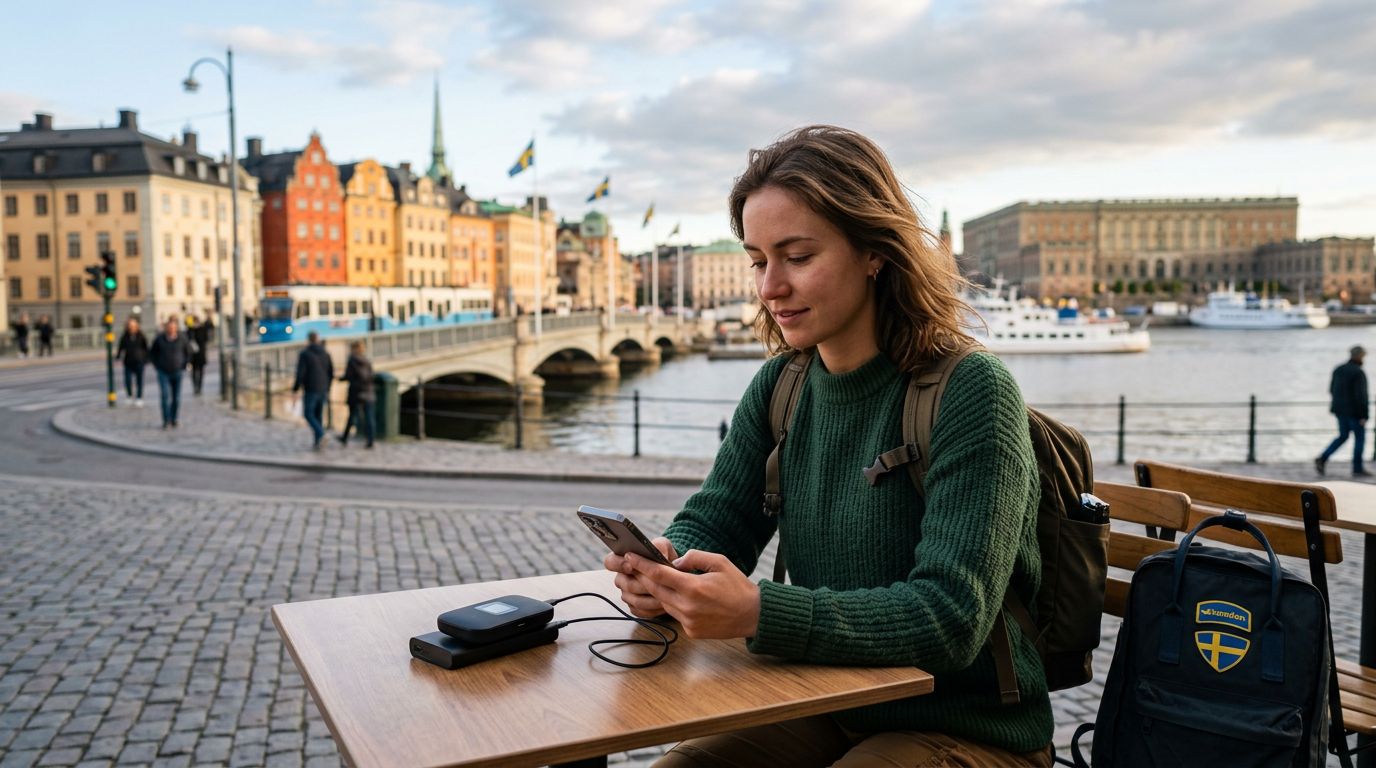
Sweden is a country that blends modern urban efficiency with vast, breathtaking wilderness. Whether you are exploring the cobblestone streets of Gamla Stan in Stockholm, visiting the design districts of Gothenburg, or venturing into the northern reaches of Lapland to witness the Aurora Borealis, staying connected is essential. Reliable internet allows you to use navigation apps, translate menus, share photos, and stay in touch with family back home. When planning your trip, the debate between pocket WiFi vs eSIM for Sweden often comes down to convenience, device compatibility, and your specific travel style.
A pocket WiFi device is a portable router that creates a private wireless network. You carry it with you, and it connects to local cellular towers to provide internet access to your devices. An eSIM, or embedded SIM, is a digital version of a traditional physical SIM card. It is built into the hardware of your smartphone or tablet, allowing you to activate a cellular data plan digitally without needing to swap out a physical card. Because Sweden has an exceptionally high rate of digital adoption and robust 5G coverage, both options are technically viable, but they offer vastly different user experiences.
The Case for Pocket WiFi
Pocket WiFi devices have been a popular choice for travelers for many years. Their primary advantage is the ability to share a single data connection among multiple devices. If you are traveling as a family or a group of friends, one pocket WiFi router can support several smartphones, laptops, and tablets simultaneously. This can be cost-effective if everyone stays together, as you only need to manage one device.
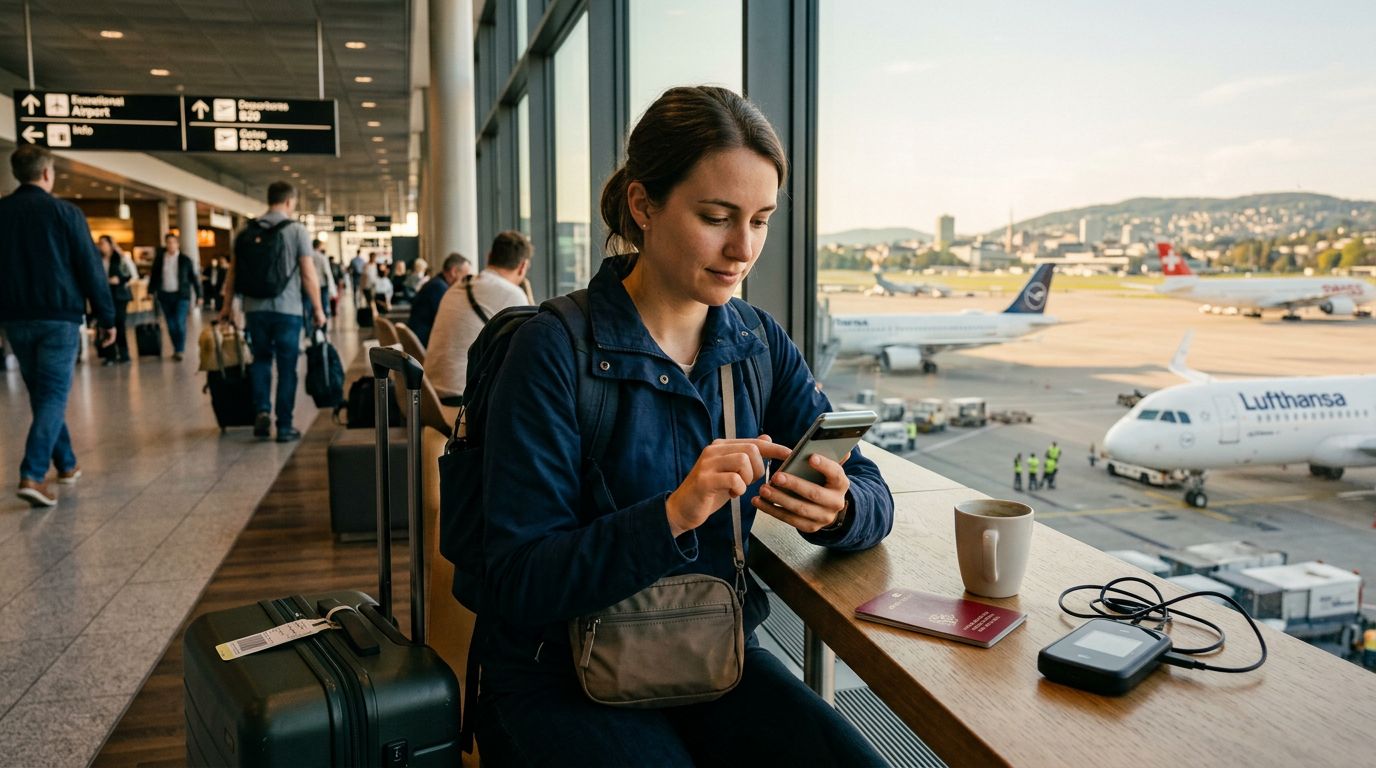
However, there are significant logistical downsides to consider. First, you must carry the device, which adds weight and bulk to your day bag. You also have to manage its battery life. Most pocket WiFi units require daily charging, meaning you must carry extra cables and power banks to ensure you do not lose connectivity halfway through a sightseeing day. Furthermore, you are responsible for the hardware. If the device is lost, stolen, or damaged during your trip, you may be liable for significant replacement fees.
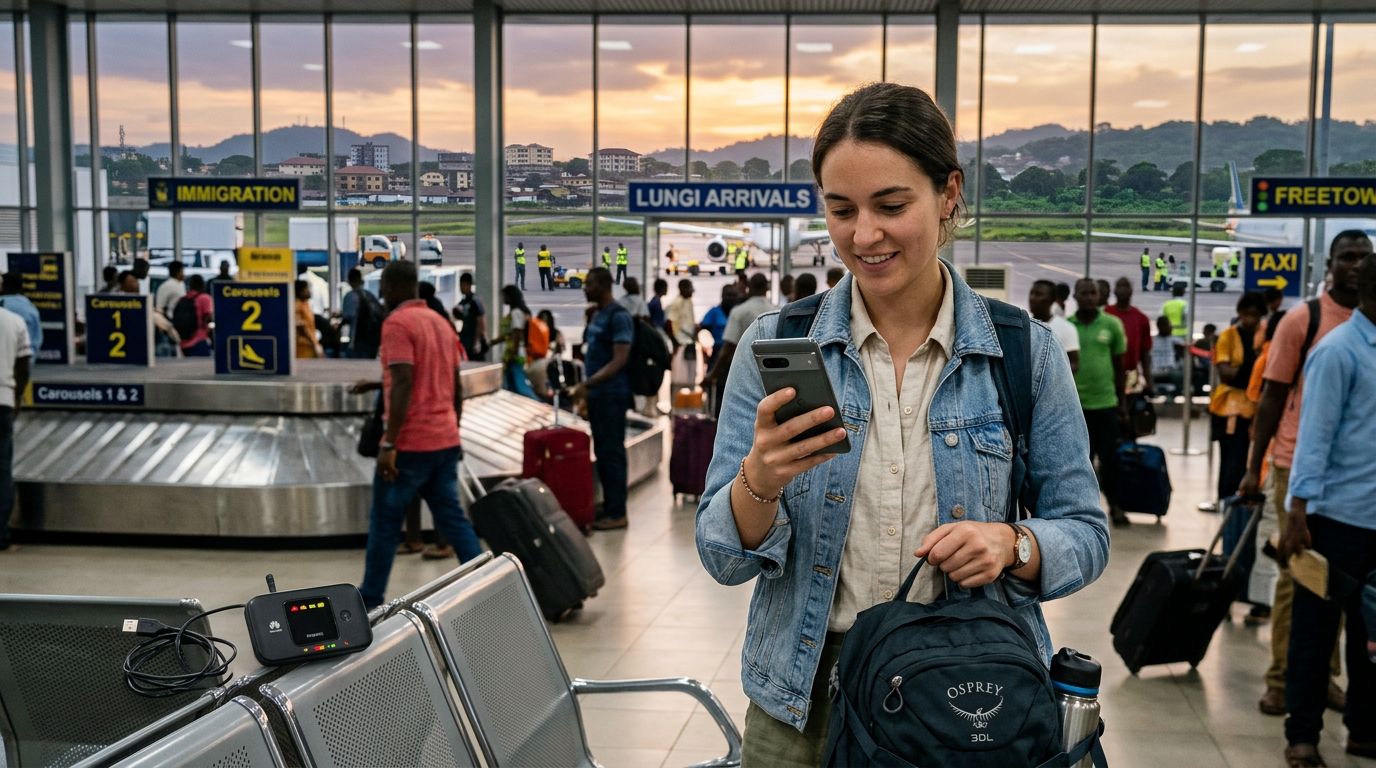
There is also the matter of logistics. You typically need to pick up the device at an airport kiosk or have it shipped to your hotel. If your flight is delayed or you arrive at an odd hour, this can become a point of stress. You must also remember to return the device before you depart, which can be an inconvenient final chore at the airport when you are already rushing to catch your flight.
Why eSIM is the Modern Standard for Sweden
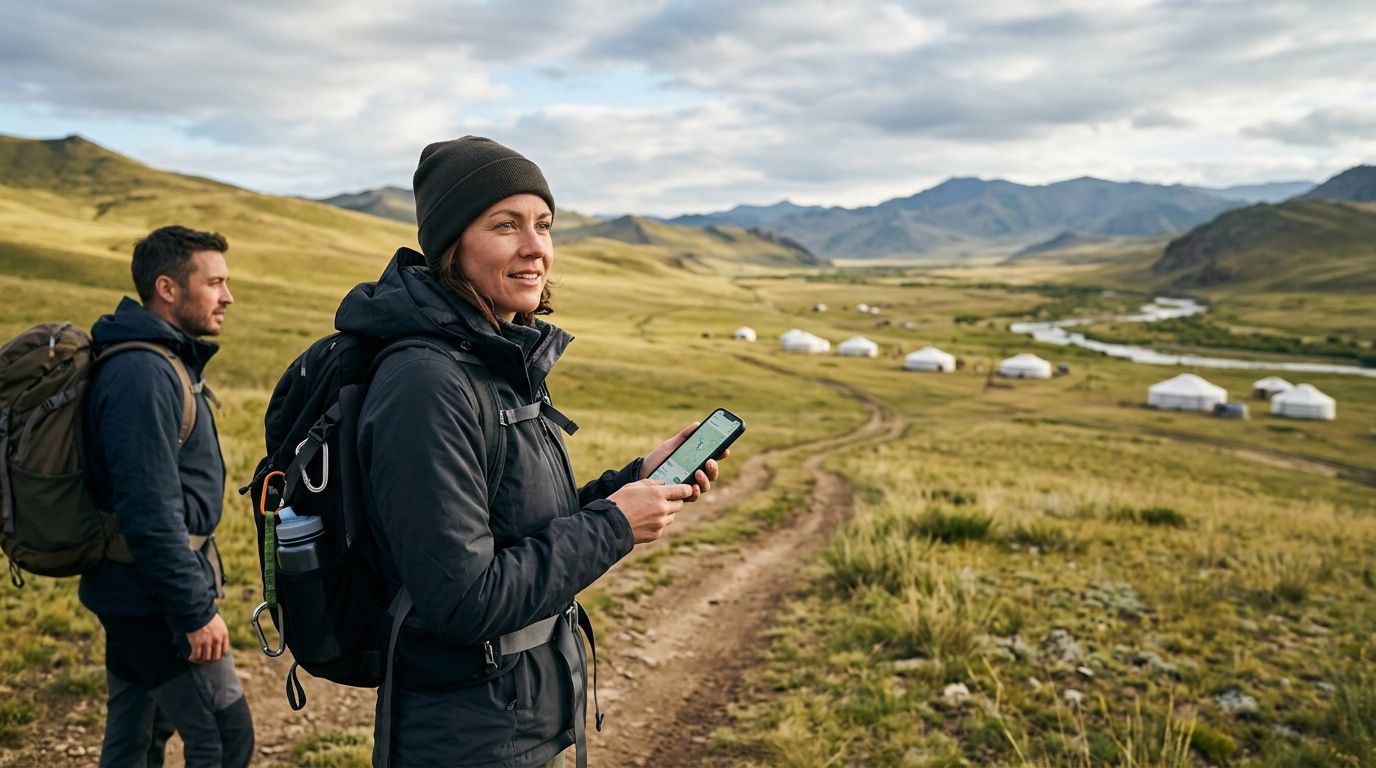
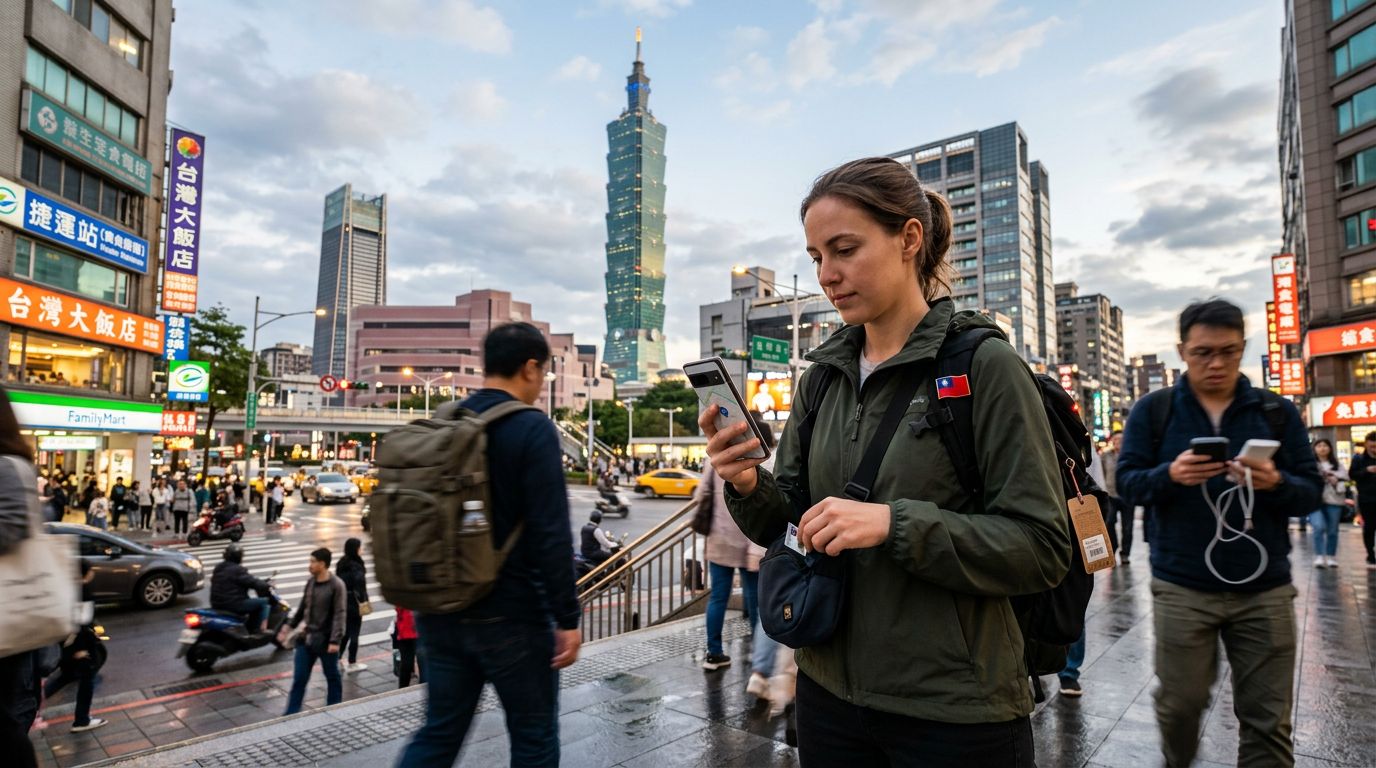
The shift toward eSIM technology has changed how travelers approach connectivity. With a provider like OneTapSIM, the process is entirely digital. You can purchase your data plan before you even leave your home country, and the activation process is straightforward. Because the technology is integrated directly into your smartphone, there is no physical hardware to carry, no batteries to charge, and no risk of losing a rental device.
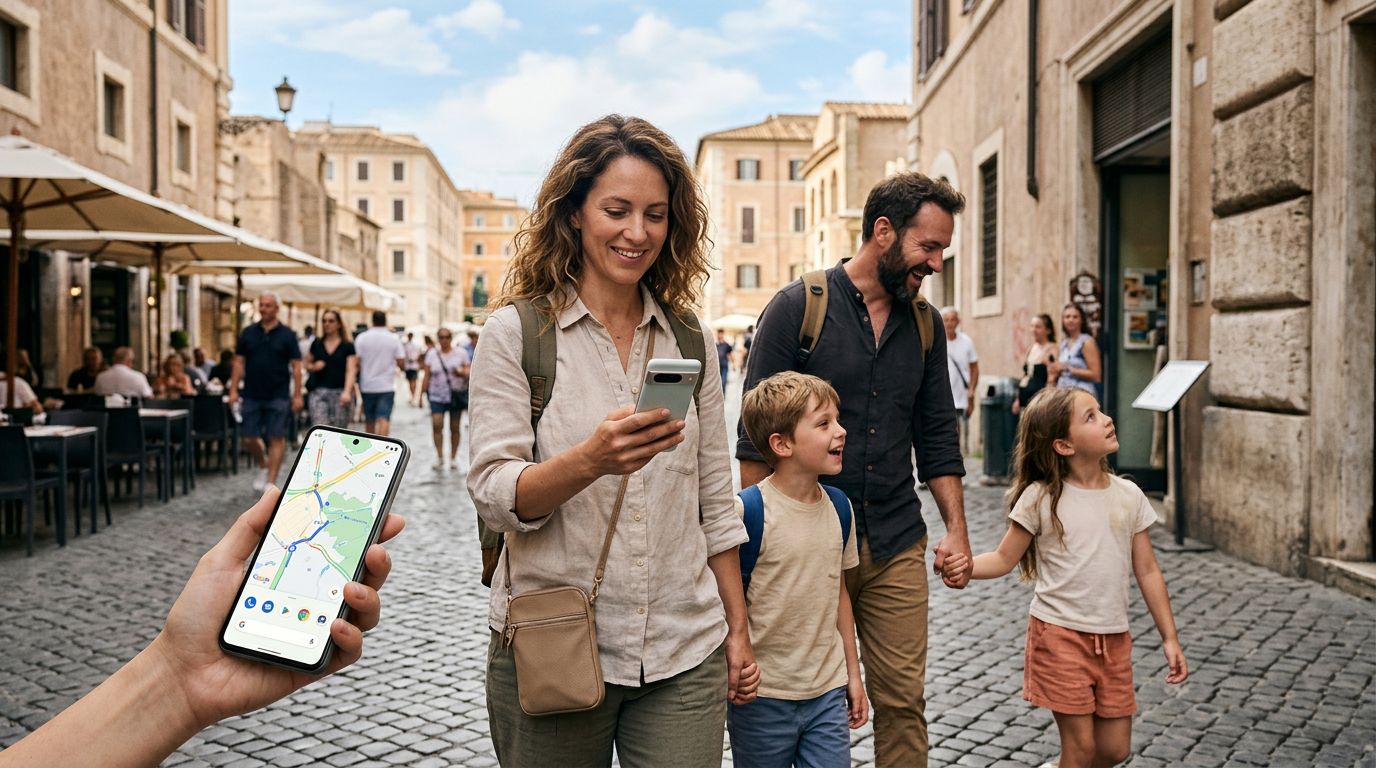
One of the greatest benefits of an eSIM in Sweden is the freedom it provides. Since the eSIM is installed on your phone, you are never tethered to a group. If your travel companions want to split up for an afternoon—perhaps one person wants to visit a museum while another goes shopping—you do not have to worry about who is holding the WiFi router. Everyone remains connected independently.
Furthermore, eSIMs are highly efficient. Because they use the internal antenna of your smartphone, they often provide a more seamless transition between cellular towers as you move across the country. This is particularly useful if you are traveling by train between cities, where you want a reliable connection for maps and travel updates. OneTapSIM offers a streamlined interface that makes setting up your profile quick and easy, ensuring that as soon as your plane lands in Stockholm or Malmö, you can toggle your data on and start exploring immediately.
Comparing Reliability and Coverage
Sweden boasts some of the best telecommunications infrastructure in the world, with extensive coverage even in remote areas. Whether you choose a pocket WiFi or an eSIM, you will likely find that the underlying network quality is excellent. However, the way you access these networks differs.
Pocket WiFi devices often rely on a single local network provider. If that specific provider has a weak signal in a particular area, your entire group loses connectivity. eSIMs, conversely, are often designed to connect to the best available local network, providing a more robust experience. When you use an eSIM, your phone behaves as if it has a local subscription, which often results in better optimization for local cellular bands.
Another factor to consider is the setup process. To use an eSIM, your phone must be carrier-unlocked. Most modern smartphones support this technology, but it is always wise to verify your device compatibility before your trip. Once you confirm your phone is ready, the installation usually involves scanning a QR code or entering details provided by your service provider. This eliminates the need to visit a store or wait for a package to arrive at your accommodation.
Final Considerations for Your Swedish Adventure
When deciding between these two options, consider your travel habits. If you are a solo traveler or a couple who relies heavily on your smartphones for navigation, translation, and social media, an eSIM is almost certainly the superior choice. It is lightweight, secure, and eliminates the stress of managing hardware. The ability to keep your primary SIM card active for calls or texts while using your eSIM for data is a major advantage, allowing you to stay reachable on your home number while enjoying high-speed local data.
If you are traveling in a large group and need to provide internet access to multiple laptops or tablets that do not have eSIM capabilities, a pocket WiFi device might seem like a logical solution. However, even in these cases, many travelers find that using a smartphone as a mobile hotspot—paired with a generous eSIM data plan—is a more convenient alternative. Most modern smartphones are capable of sharing their cellular connection with other devices via WiFi tethering, which effectively turns your phone into a pocket WiFi device without the need for an extra piece of hardware.
Ultimately, the goal of your trip to Sweden is to enjoy the scenery, the culture, and the unique atmosphere of the Nordic region. You want a connectivity solution that works in the background, allowing you to focus on your experiences rather than troubleshooting tech issues. By opting for an eSIM, you remove the physical burdens of travel and ensure that you remain connected to the digital tools that make modern exploration easier. Whether you are navigating the intricate subway system of Stockholm or finding a hidden cafe in the countryside, having a reliable data plan ready on your phone ensures you are always just a tap away from the information you need.