Traveling to Nigeria offers a vibrant experience, from the bustling markets of Lagos to the cultural landmarks in Abuja. However, staying connected while moving across this diverse landscape is a primary concern for most international visitors. Choosing the right method to access mobile data is essential for using navigation apps, booking ride-shares, and keeping in touch with family. When comparing a traditional Nigeria SIM card vs eSIM for travelers, understanding the logistical differences is key to a stress-free trip.
Traditional Physical SIM Cards in Nigeria
The traditional method for getting mobile data in Nigeria involves purchasing a physical SIM card from a local mobile network operator upon arrival. This process usually requires visiting a retail outlet or a kiosk at the airport. You will need to present your passport for mandatory registration, as Nigerian law requires all SIM cards to be linked to a verified identity.
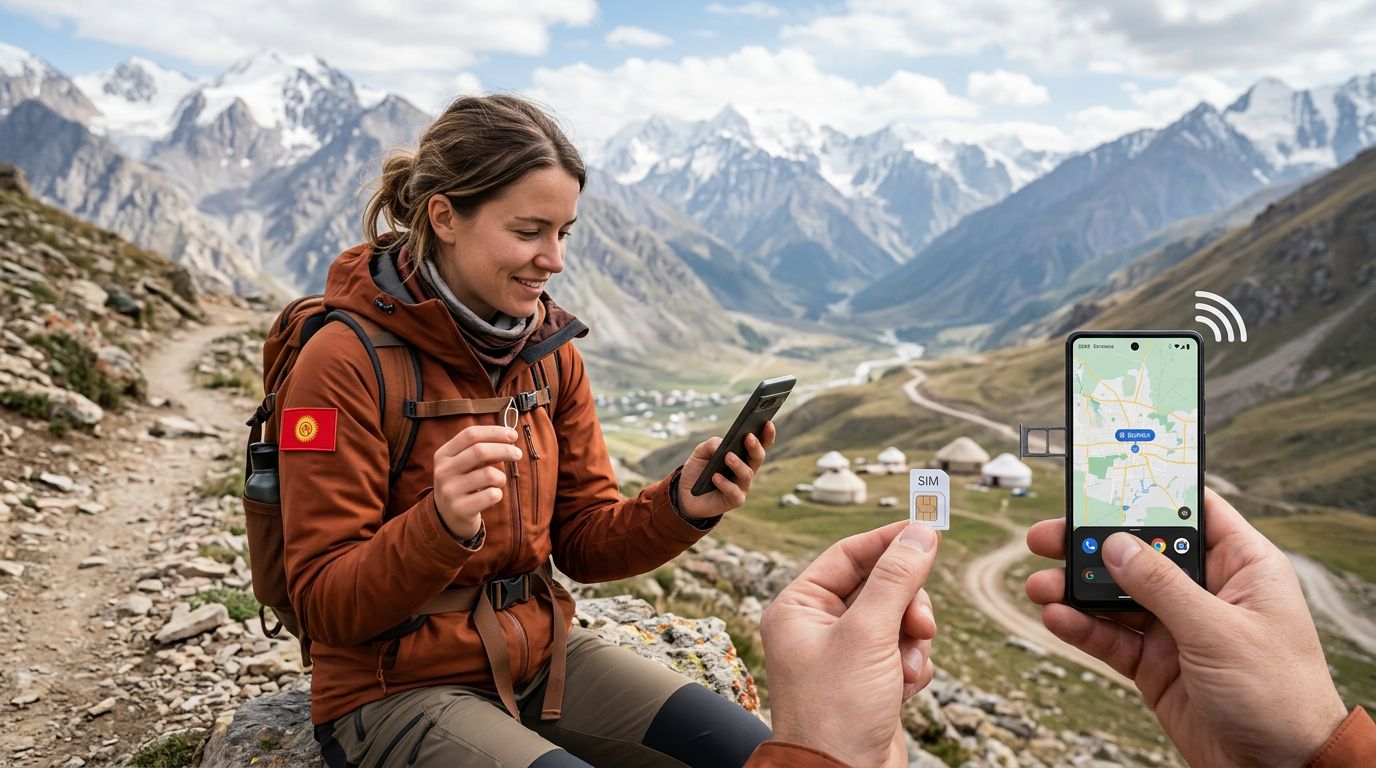
Once you have the card, you insert it into your phone’s SIM tray. This requires you to remove your home SIM card, which you must then keep in a safe place to avoid losing it. If you have a dual-SIM phone, you might be able to keep both active, but managing multiple physical cards often leads to clutter and the risk of misplacing your original chip.
The main benefit of a local physical SIM is that you are using a domestic network directly. However, the process can be time-consuming. Queues at airport kiosks can be long, and the registration process sometimes involves technical delays or requirements for local documentation that a short-term visitor might not have readily available. Furthermore, you are tied to the coverage and service quality of that specific provider for the duration of your stay. If the signal is weak in a remote area, you have no immediate way to switch to a different network without going through the entire purchase and registration process again.
The Advantages of eSIM Technology
An eSIM, or embedded SIM, is a digital alternative to the physical card. It is a small chip built into your smartphone that allows you to download a mobile plan over the internet. Because the technology is software-based, you do not need to visit a store or swap out any hardware. You can activate your plan before you even board your flight, ensuring that you have connectivity the moment your plane touches down on the tarmac.
For many travelers, the convenience of eSIMs lies in the ability to keep their home number active while using a secondary data plan. This is particularly useful for receiving important SMS verification codes from banks or other services that require your primary phone number. With an eSIM, you can simply switch your data settings to the secondary plan while keeping your primary line on standby for calls or messages.
OneTapSIM provides a streamlined way to manage these connections. By choosing a digital solution, you eliminate the need to hunt for local shops or deal with language barriers when trying to explain your data needs to a clerk. The setup process is typically handled through a QR code or a simple manual entry in your phone’s settings. Since the service is digital, you can also monitor your data usage directly from your device, preventing any unexpected interruptions to your service. This flexibility is a significant upgrade over the rigid nature of physical cards that often require manual top-ups at local vendors.
Making the Right Choice for Your Trip
Deciding between a physical Nigeria SIM card vs eSIM for travelers depends largely on your device compatibility and your personal preference for convenience. First, you must ensure that your smartphone is carrier-unlocked and supports eSIM technology. Most modern flagship devices from major manufacturers are compatible, but it is always wise to check your device settings or consult the manufacturer’s support pages if you are unsure.
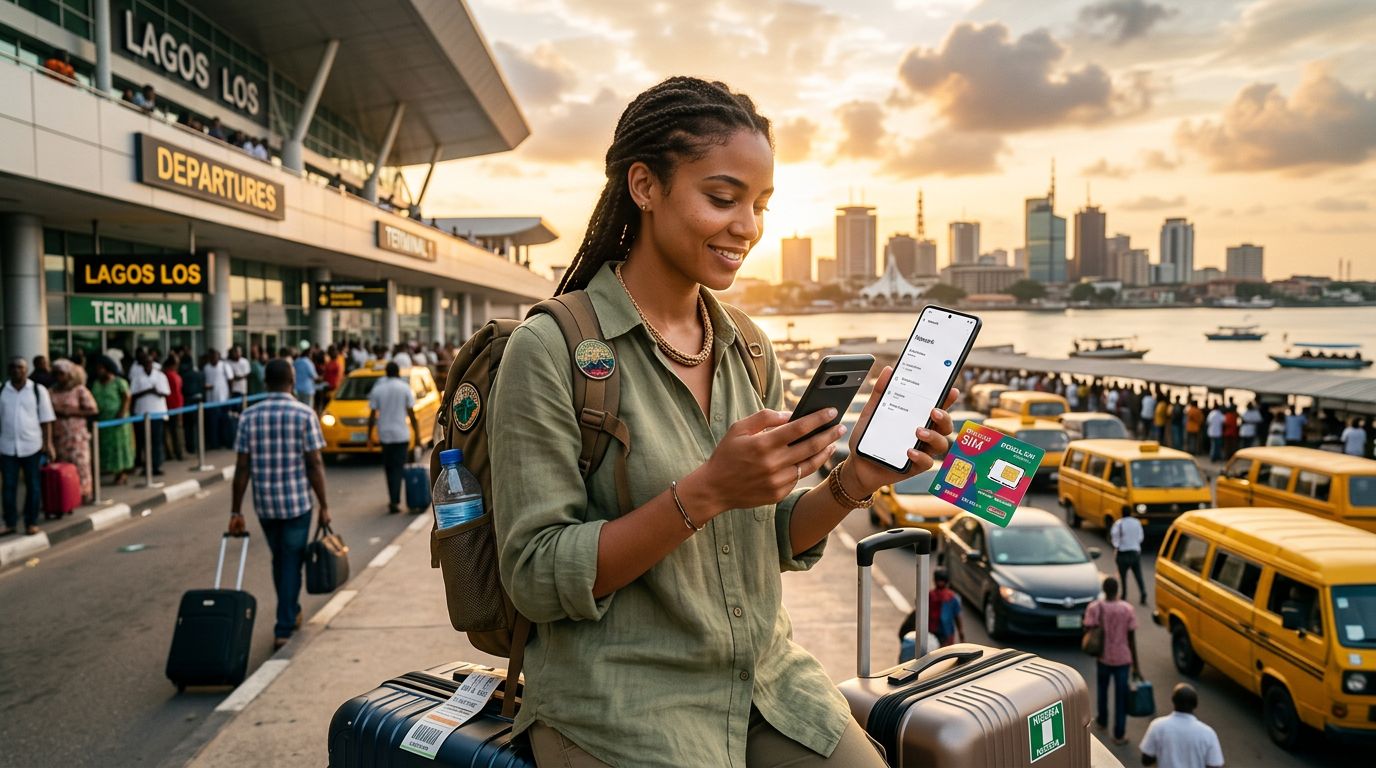
If you value time and efficiency, the eSIM is the clear winner. The ability to bypass the airport queues and the manual registration process allows you to start your trip with one less logistical hurdle. You can land in Lagos or Abuja and immediately call for a ride or pull up a map to your hotel without stopping at a kiosk. This is especially beneficial if you are arriving late at night or have a tight schedule.
On the other hand, if you are traveling with an older device that does not support eSIMs, or if you feel more comfortable having a physical piece of hardware in your hand, a local SIM card remains a viable option. Just be prepared to allocate time for the registration process and ensure you have your passport and any other necessary identification documents ready.
For most modern travelers, the transition to eSIM technology represents a shift toward a more seamless travel experience. It reduces the physical footprint of your travel gear and provides a reliable way to manage your mobile data without the stress of local bureaucratic processes. Whether you are visiting for a short business trip or a longer vacation, having your connectivity sorted out before you arrive allows you to focus on the sights, sounds, and culture of Nigeria. By leveraging providers like OneTapSIM, you can maintain a consistent connection throughout your journey, ensuring that you are always just a tap away from the information you need. As you plan your itinerary, consider the ease of digital activation as a way to enhance your overall travel experience, letting you stay connected on your own terms.