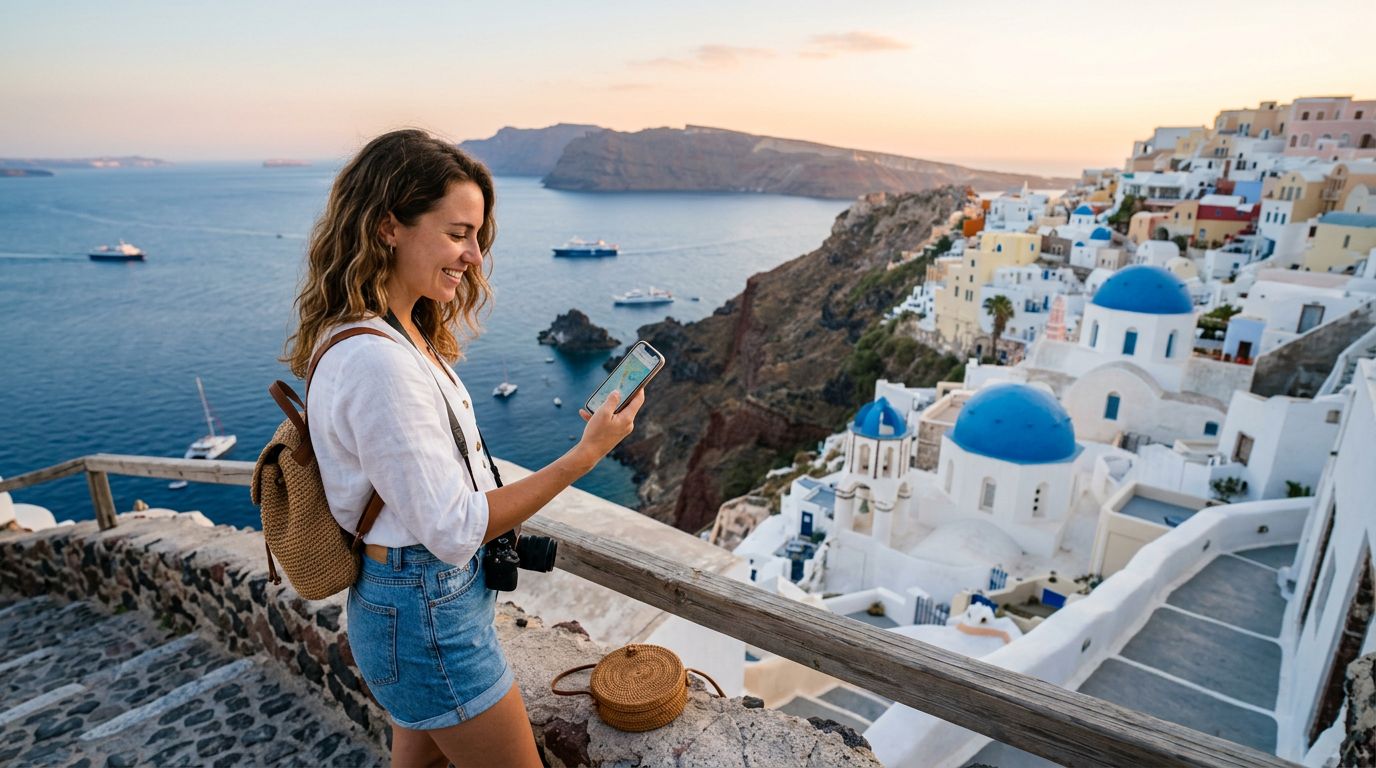
Greece is a dream destination for many, offering everything from the ancient ruins of Athens to the sun-drenched beaches of Crete and the iconic sunsets of Santorini. Whether you are planning to island-hop across the Cyclades or explore the rugged mountains of the mainland, staying connected is essential. Having a reliable internet connection allows you to use navigation apps, translate menus, check ferry schedules, and share your travel memories in real-time. Finding the best way to get data in Greece is a priority for every modern traveler, and understanding your options before you land will save you significant time and frustration.
Evaluating Your Connectivity Options
When you arrive in Greece, you are generally presented with four main ways to handle your mobile data needs. The traditional approach involves relying on your home carrier’s international roaming plan. While this is often the most convenient method because it requires no setup, it is frequently the most expensive option. Many domestic providers charge daily fees that can quickly add up, especially during a multi-week trip. Furthermore, these plans often come with strict data caps or throttled speeds once you exceed a certain threshold.
A second common approach is purchasing a local physical SIM card upon arrival. You can find kiosks at major airports or retail stores in city centers. This method provides a local phone number, which can be useful for making restaurant reservations or contacting local tour operators. However, this process requires you to physically remove your home SIM card, which carries the risk of losing it. You may also face language barriers at the point of sale or find that the store is closed during your arrival time.
A third option is using a portable Wi-Fi hotspot device. These devices allow you to connect multiple gadgets to a single network. While effective for families or groups who need to share a connection, they require carrying an extra piece of hardware, keeping it charged, and ensuring you have it with you at all times. If the device is lost or damaged, you are left without a connection.
The final, and increasingly popular, method is the eSIM. An eSIM is a digital version of a physical SIM card that is embedded directly into the hardware of modern smartphones. Because it is entirely digital, you can purchase and activate your data plan before you even board your flight. This removes the need to visit a physical store or handle tiny plastic cards. For many travelers, this represents the best way to get data in Greece, as it offers a seamless transition from your home network to a local one the moment you touch down.
Why eSIMs Are Changing Travel Connectivity
The rise of eSIM technology has simplified how we stay connected abroad. Because the technology is built into most modern devices, you do not need to worry about hardware compatibility beyond ensuring your phone is unlocked and supports eSIM functionality. You can check your device settings or consult the manufacturer’s support pages to verify if your phone is ready for an eSIM.
One of the primary advantages of using an eSIM provider like OneTapSIM is the ability to manage your data usage through a digital interface. Instead of searching for a local shop, you can select a plan that fits the duration of your trip and the amount of data you anticipate using. Once you purchase the plan, the activation process is straightforward. You typically scan a QR code or enter a code provided by the service, and your phone installs the new network profile.
This convenience is particularly valuable in a country like Greece, where you might be moving between islands or remote areas. With a reliable eSIM, you maintain a consistent connection without having to switch physical cards or rely on spotty public Wi-Fi networks. Public Wi-Fi in cafes or hotels can often be insecure, putting your personal information at risk. By using your own dedicated data plan, you ensure that your browsing remains private and secure throughout your journey.
Furthermore, an eSIM allows you to keep your home SIM card active for calls or texts if necessary, while using the eSIM specifically for data. This is an ideal setup for travelers who need to receive important two-factor authentication codes or urgent messages from back home while maintaining high-speed data for maps and social media.
Tips for a Seamless Experience
To ensure you have the best experience with your data connection in Greece, preparation is key. First, confirm that your phone is carrier-unlocked. If your device is locked to a specific network, it will not accept a secondary eSIM, regardless of the provider. You can usually check this in your phone’s settings or by contacting your home carrier.
Second, consider your data habits. If you plan on streaming high-definition video or uploading large files to the cloud, you will need a more generous data package. If you primarily use your phone for maps, messaging, and occasional web searches, a smaller plan will likely suffice. Most travelers find that having a dedicated data plan gives them peace of mind, as they no longer have to hunt for the nearest Wi-Fi hotspot just to look up a bus schedule or find a nearby restaurant.
Third, manage your settings to optimize data usage. Even with a generous data plan, it is good practice to disable background app refresh for non-essential applications. You can also download offline maps for the specific regions of Greece you plan to visit. This ensures that even if you encounter a temporary dead zone in a remote mountain village or on a ferry crossing, your navigation tools will still function perfectly.
Finally, keep in mind that Greece has excellent cellular coverage across its major tourist hubs, including Athens, Thessaloniki, and the popular islands like Mykonos and Santorini. However, coverage can vary in more isolated areas. Choosing a reputable provider that utilizes robust local networks ensures you have the best chance of staying connected even when you are off the beaten path. By opting for a modern, digital solution like OneTapSIM, you can focus on enjoying the beauty of the Mediterranean rather than worrying about your mobile connectivity. With the right preparation, your trip to Greece will be as smooth and connected as you need it to be.