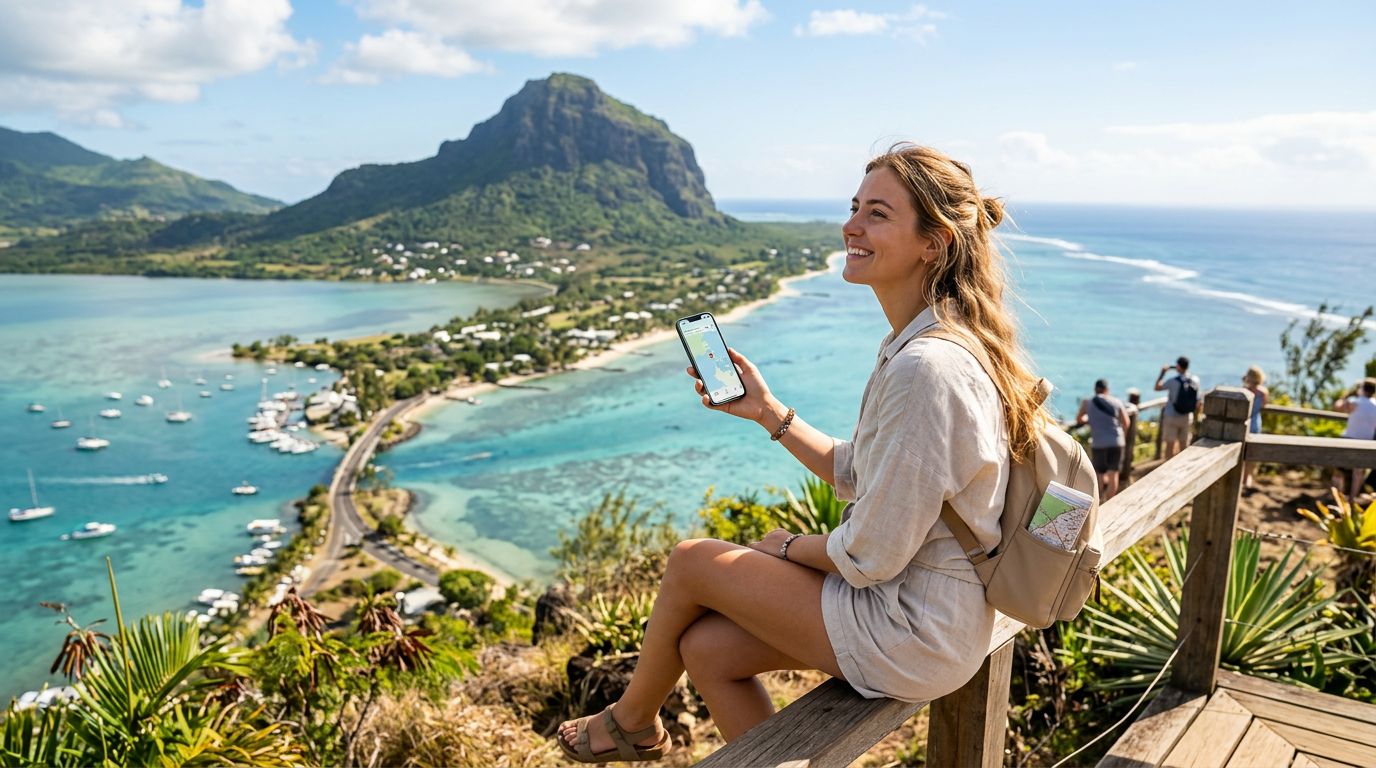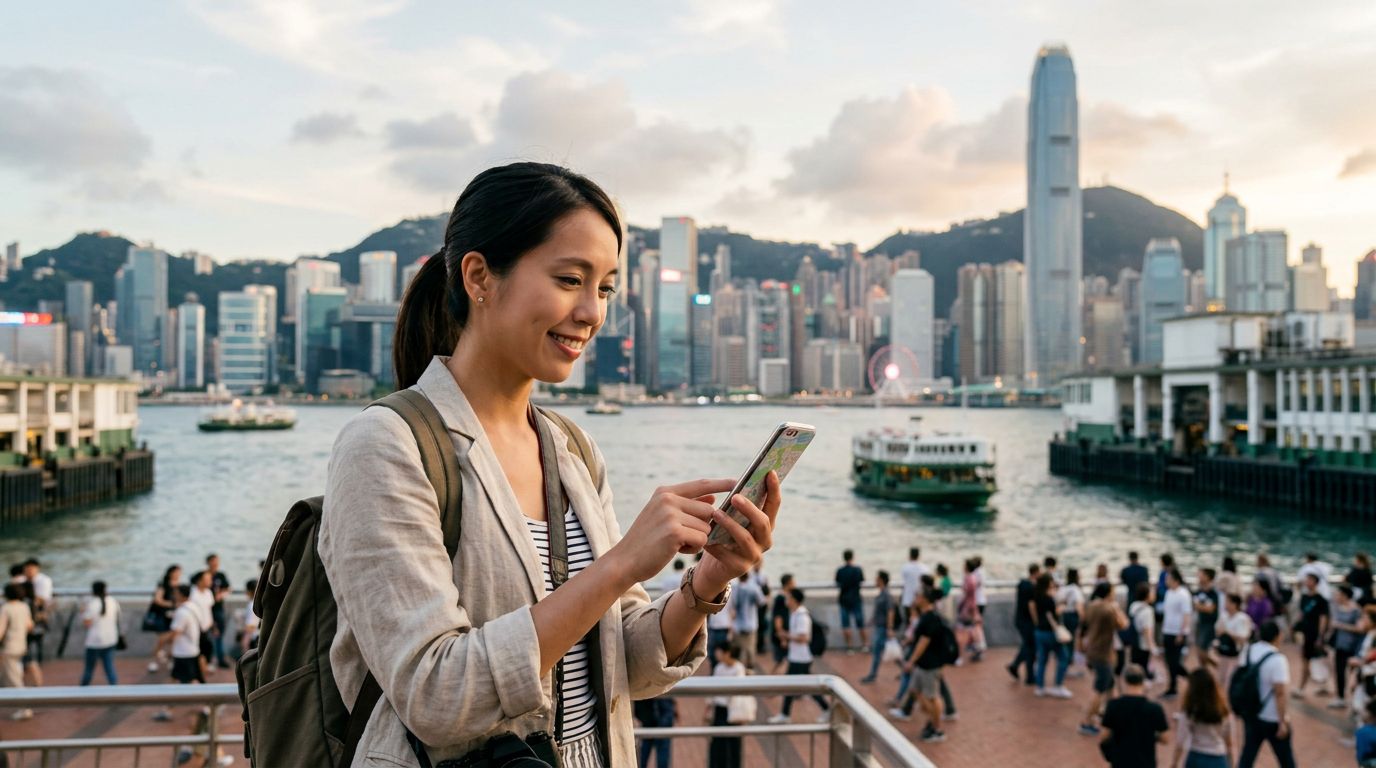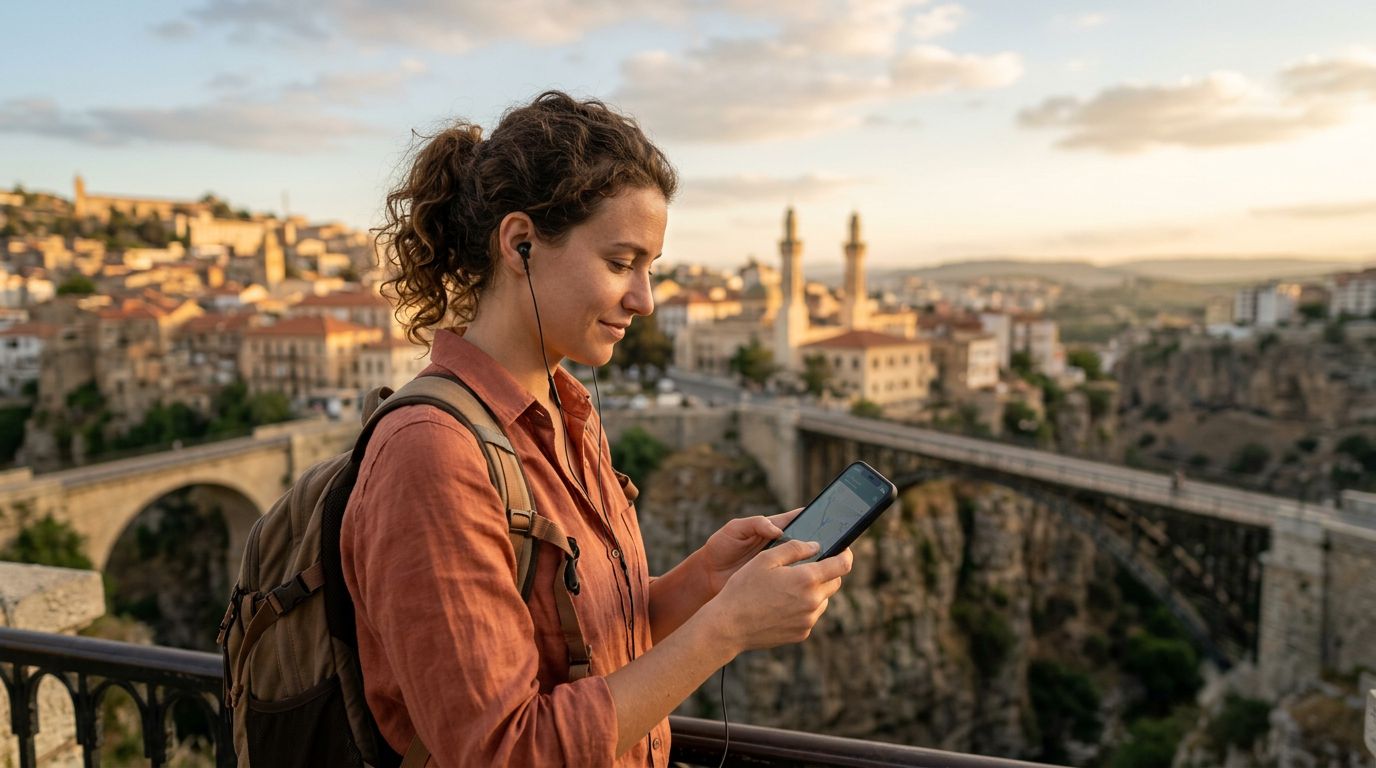
Algeria is a land of vast landscapes, from the bustling streets of Algiers to the shifting sands of the Sahara. Whether you are visiting for business or exploring the ancient Roman ruins of Timgad, staying connected is essential for navigation, translation, and sharing your journey. Finding the best way to get data in Algeria can be challenging if you are unprepared, as connectivity options vary significantly for international travelers.
Understanding Your Connectivity Options in Algeria
When traveling to Algeria, you generally have three primary ways to access mobile data. The first is roaming with your home carrier. While this is often the most convenient method because it requires no setup, it is frequently the most expensive option. Many home providers charge daily fees or high per-megabyte rates that can lead to unexpected billing issues upon your return. Before choosing this route, check your provider’s specific international policies to ensure you understand the potential costs.
The second option is purchasing a local physical SIM card upon arrival. This involves visiting a mobile network operator’s store, presenting your passport, and registering for a local plan. While this provides a reliable connection, it can be time-consuming. You may face language barriers at the store, and you must deal with the physical process of swapping out your home SIM card, which carries the risk of losing your original chip.
The third and increasingly popular option is using an eSIM. An eSIM is a digital version of a traditional SIM card that is embedded directly into your device. It allows you to download a data plan over Wi-Fi, meaning you can have a connection active the moment your plane touches the ground. Because it is digital, you do not need to remove your home SIM card, allowing you to keep your primary phone number active for calls or SMS while using a dedicated data plan for your internet needs.
Why eSIM is the Preferred Choice for Modern Travelers
For most visitors, an eSIM is the most efficient solution. The primary advantage is convenience. Instead of searching for a kiosk at the airport or waiting in line at a local telecom shop, you can set up your data plan before you even leave home. This removes the stress of trying to communicate in a foreign language or needing to carry local cash to pay for a starter pack.
Compatibility is the first thing to check. Most modern smartphones support eSIM technology. If you are unsure if your device is compatible, you can check the manufacturer's support pages on the Apple or Google websites. Once you confirm your phone is unlocked and supports eSIM, the process is straightforward. You simply scan a QR code or enter activation details provided by your service provider, and your device will configure itself to the local network.
OneTapSIM provides a seamless experience for travelers heading to Algeria. By choosing a service like OneTapSIM, you avoid the hassle of physical logistics. You gain immediate access to local networks without needing to swap hardware or manage multiple tiny plastic cards. This digital-first approach ensures that you can focus on your itinerary rather than worrying about finding a retail store to buy a SIM card. Whether you are navigating the Casbah or looking up historical facts at a museum, having data ready from the start makes the experience significantly smoother.
Tips for Managing Data Usage and Staying Connected
Once you have your data plan sorted, managing your usage is key to ensuring you stay connected throughout your trip. Even with a generous data package, certain habits can drain your allowance faster than expected.
Start by adjusting your phone’s settings to restrict background data. Many applications sync, update, or fetch data in the background even when you are not actively using them. By turning off background app refresh for non-essential apps, you can save a significant amount of data. Additionally, consider disabling automatic software updates over cellular data. Ensure your phone is set to download updates or back up photos to the cloud only when you are connected to a stable Wi-Fi network.
Map applications are indispensable in Algeria, but they can be data-hungry if you are constantly streaming satellite imagery. Most major map providers allow you to download offline maps for specific regions. By downloading the maps for the cities you plan to visit while you are still on a reliable Wi-Fi connection, you can use GPS navigation without consuming your mobile data allowance.
Another practical tip is to monitor your usage periodically. Most smartphones have a built-in data usage tracker in the settings menu. Checking this every few days helps you understand which apps are consuming the most data, allowing you to make adjustments if necessary. If you find yourself running low, having an eSIM makes it easy to add more data or switch plans without needing to visit a physical store.
Finally, remember that Algeria’s geography can impact signal strength. While major cities like Algiers, Oran, and Constantine have excellent coverage, remote desert areas may have limited or no service regardless of the provider you choose. Plan your offline activities accordingly when venturing into the Sahara or rural regions. By combining a reliable eSIM solution with smart data management habits, you can enjoy a stress-free trip, knowing that you have the best way to get data in Algeria at your fingertips. Staying connected allows you to translate menus, call for rides, and keep in touch with family, turning a potentially complicated logistics hurdle into a simple, background task.