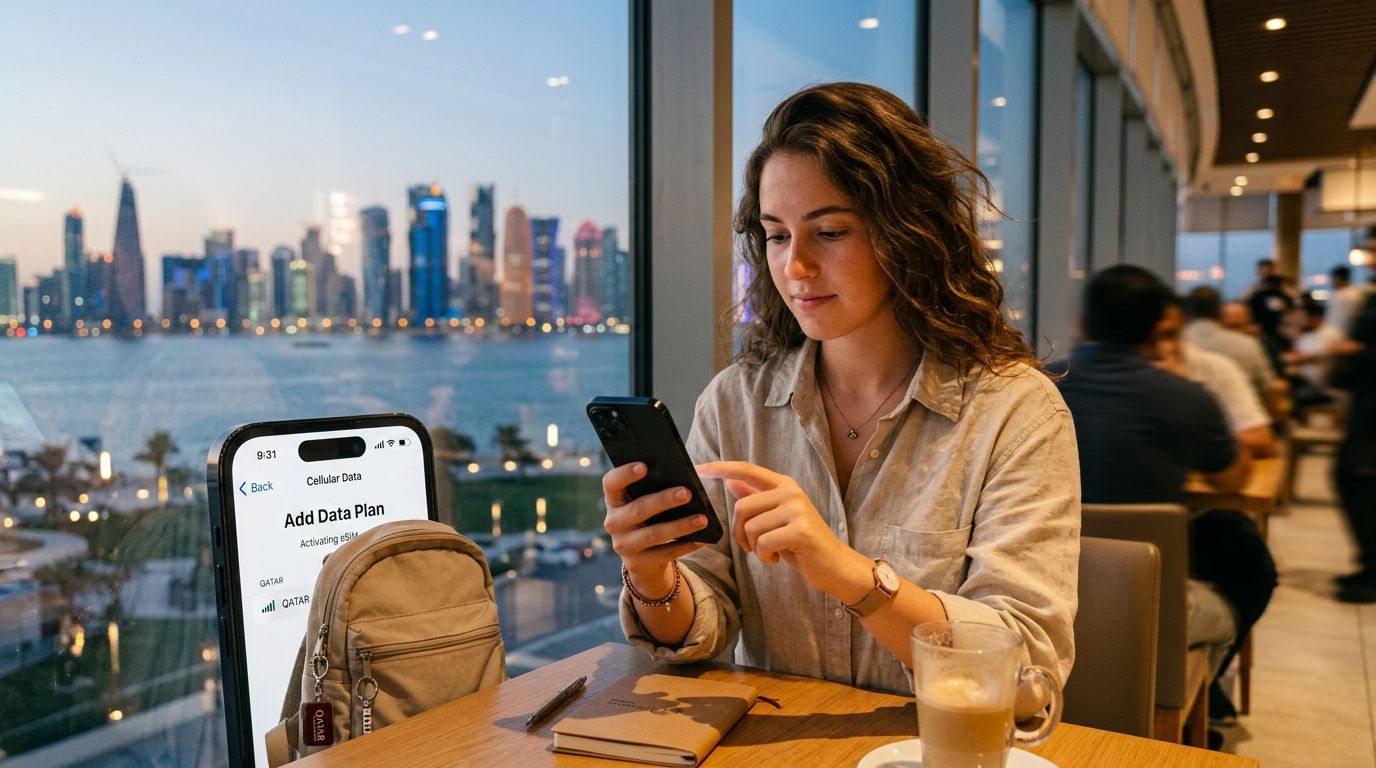
Preparing Your Device for Seamless Connectivity
When you plan a trip to a destination as charming and interconnected as Luxembourg, ensuring you have reliable data access is a priority. Whether you are wandering through the historic streets of Luxembourg City, visiting the fairytale castles in the north, or crossing borders into neighboring countries for a day trip, staying connected is essential for maps, translation apps, and sharing your travel experiences. Activating travel eSIM for Luxembourg is the most efficient way to maintain this connectivity without the hassle of physical SIM card swaps or high roaming fees from your home carrier.
Before you begin the activation process, you must confirm that your smartphone is compatible with eSIM technology. Most modern smartphones released in the last few years support this feature, but it is always wise to double-check your device settings or consult the manufacturer’s support pages. Your phone must also be carrier-unlocked. If your device is locked to a specific network provider, it will not be able to accept an eSIM profile from a different provider, regardless of the technology.
Once you have verified your device’s compatibility, ensure you have a stable Wi-Fi connection. While you will eventually be using your cellular data, the initial download and installation of the eSIM profile require a reliable internet source to communicate with the activation servers. Having a steady connection prevents any interruptions during the configuration process, ensuring that your digital SIM is installed correctly on the first attempt.
Step-by-Step Installation and Activation
The process of activating travel eSIM for Luxembourg is designed to be intuitive and user-friendly. Once you have selected your data package through a provider like OneTapSIM, you will typically receive an email containing a QR code or manual installation details. This code acts as the digital key that tells your phone which network to connect to and how to manage your data traffic.
For iPhone users, the process involves navigating to your cellular settings. You will select the option to add an eSIM, which will prompt your camera to open. Simply scan the QR code provided by your service provider. If you are unable to scan the code, you can opt to enter the details manually, including the SM-DP+ address and activation code provided in your setup instructions. Once the profile is added, you will be asked to label your plan. Choosing a clear label like "Luxembourg Travel" helps you distinguish it from your primary home SIM.
Android users will follow a similar path through their network and internet settings. You will look for the SIM manager or mobile network section, where you can select the option to add a new network or download an eSIM. The interface will guide you through scanning the QR code or entering the string of characters provided by your service provider.
After the installation is complete, you must ensure that the eSIM is toggled on in your settings. You may also need to adjust your data roaming settings. While you are using a travel eSIM, "Data Roaming" must be enabled for that specific eSIM profile to function properly. This does not mean you are roaming on your home carrier; rather, it allows the eSIM to handshake with the local Luxembourgish network providers. OneTapSIM ensures that these profiles are optimized for the local infrastructure, providing a smooth transition as soon as you land.
Managing Your Connection While Traveling
Once you have successfully completed the steps for activating travel eSIM for Luxembourg, your phone will automatically search for the best available local network. In most cases, this happens within a few moments of arriving at your destination. If you do not see a signal immediately, toggling airplane mode on and off usually forces the device to refresh its network search and establish a connection.
One of the greatest advantages of using a travel eSIM is the ability to manage your primary SIM and your travel data simultaneously. Most dual-SIM capable phones allow you to keep your home number active for calls or SMS while designating the eSIM as the primary source for cellular data. This is particularly useful if you need to receive two-factor authentication codes or urgent messages on your home number while using your data-heavy apps on the local network.
To manage your data usage, keep an eye on your device’s cellular data settings. You can monitor how much data individual apps are consuming, which helps you stay within the limits of your chosen plan. If you find yourself using more data than expected—perhaps due to high-definition video streaming or background app updates—you can adjust your settings to restrict background data usage for non-essential applications.
Should you encounter any technical difficulties, the support resources provided by your eSIM carrier are your best point of contact. If you are using OneTapSIM, their support team is accustomed to helping travelers resolve common configuration issues, such as ensuring the APN settings are correctly configured or verifying that the correct network is selected in your phone’s manual network search menu.
Finally, remember that your eSIM is a digital product tied to your device’s internal hardware. Do not delete the eSIM profile from your phone settings until your trip is completely finished and you are certain you no longer need the data. Deleting the profile is usually permanent, and reinstalling it may require a new QR code or additional assistance. By following these straightforward steps, you can enjoy the freedom of high-speed data throughout your stay in Luxembourg, allowing you to focus on the sights, sounds, and experiences of your journey rather than worrying about connectivity. With your phone properly configured, your digital tools become a seamless extension of your travel experience, keeping you connected wherever your itinerary takes you.
Kup eSIM na
Plany dla kierunków opisanych w tym poradniku, z natychmiastową dostawą QR.