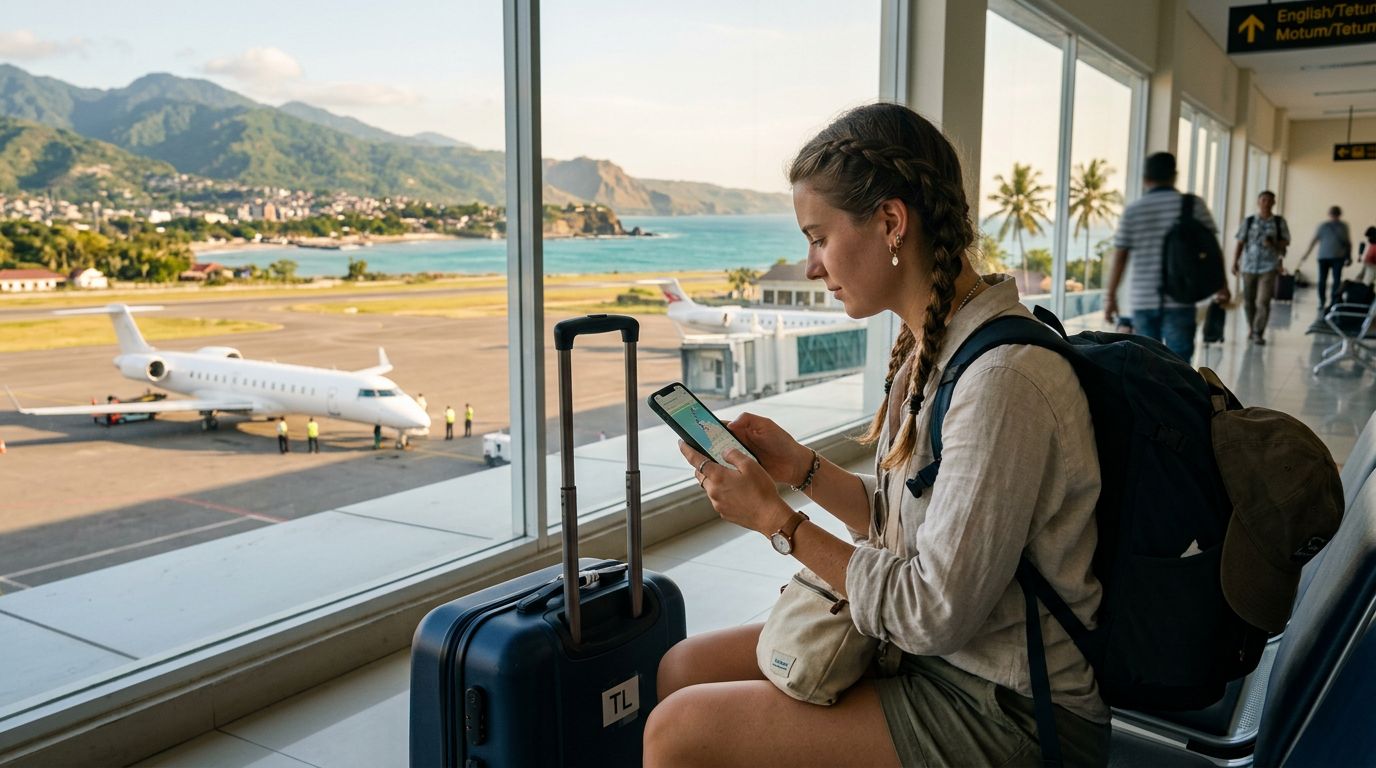
Understanding Connectivity in Timor-Leste
Timor-Leste is a destination defined by its rugged landscapes, pristine coastlines, and a rich cultural history that remains largely untouched by mass tourism. Whether you are trekking through the mountains near Mount Ramelau or exploring the vibrant underwater world of Atauro Island, staying connected is a priority for most modern travelers. Reliable internet access allows you to use navigation apps, translate local languages, and share your experiences with friends and family back home.
When planning your trip, you will encounter two primary methods for mobile connectivity: the traditional physical SIM card and the modern eSIM. Comparing a Timor-Leste SIM card vs eSIM is essential because the infrastructure in this region can be challenging. Unlike major metropolitan hubs where connectivity is ubiquitous, Timor-Leste requires a more strategic approach to ensure you have a signal when you need it most.
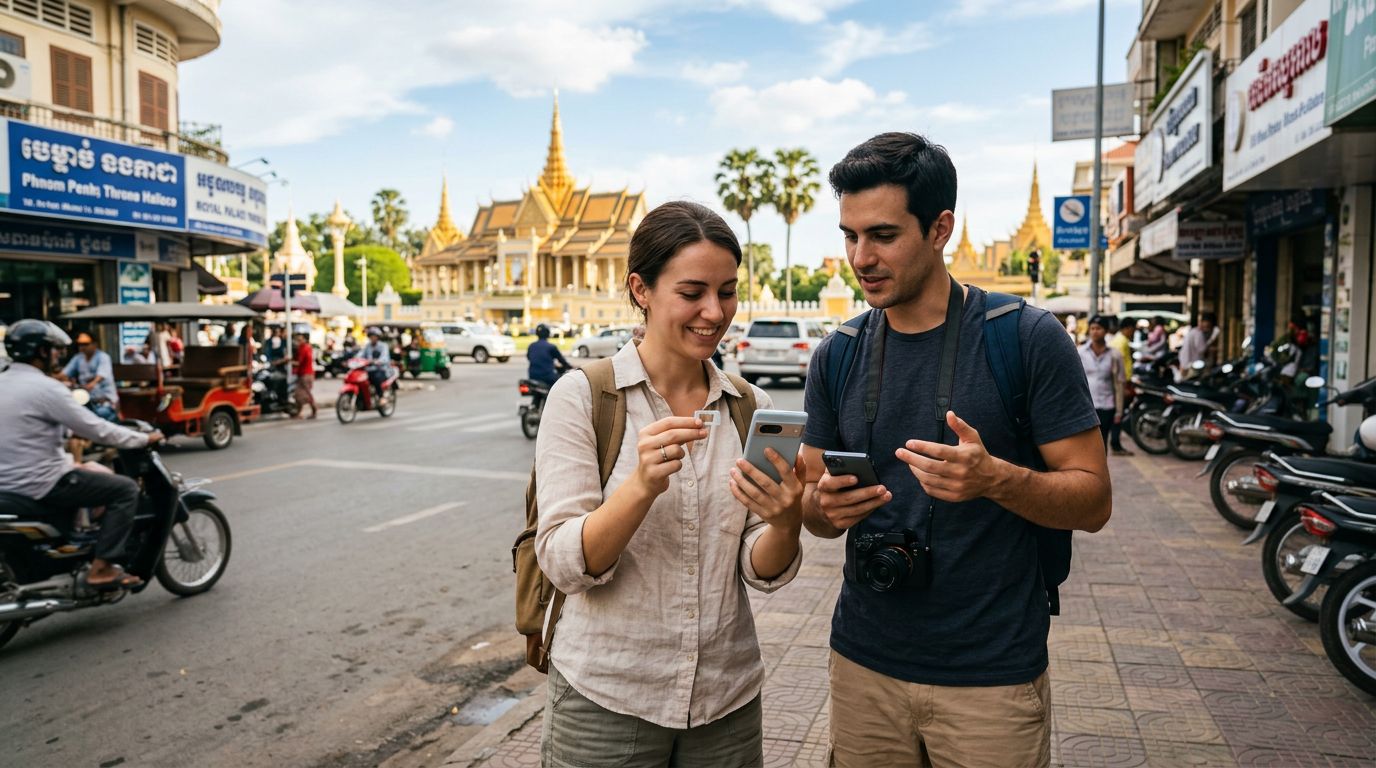
A physical SIM card involves purchasing a local chip upon arrival, which often requires visiting a physical store, presenting your passport for registration, and manually swapping out your home SIM card. In contrast, an eSIM is a digital version of a SIM card that is embedded directly into your device’s hardware. By choosing an eSIM, you can activate your mobile data plan before you even board your flight, ensuring that you are connected the moment you land at Presidente Nicolau Lobato International Airport.
The Practical Differences Between Physical SIMs and eSIMs
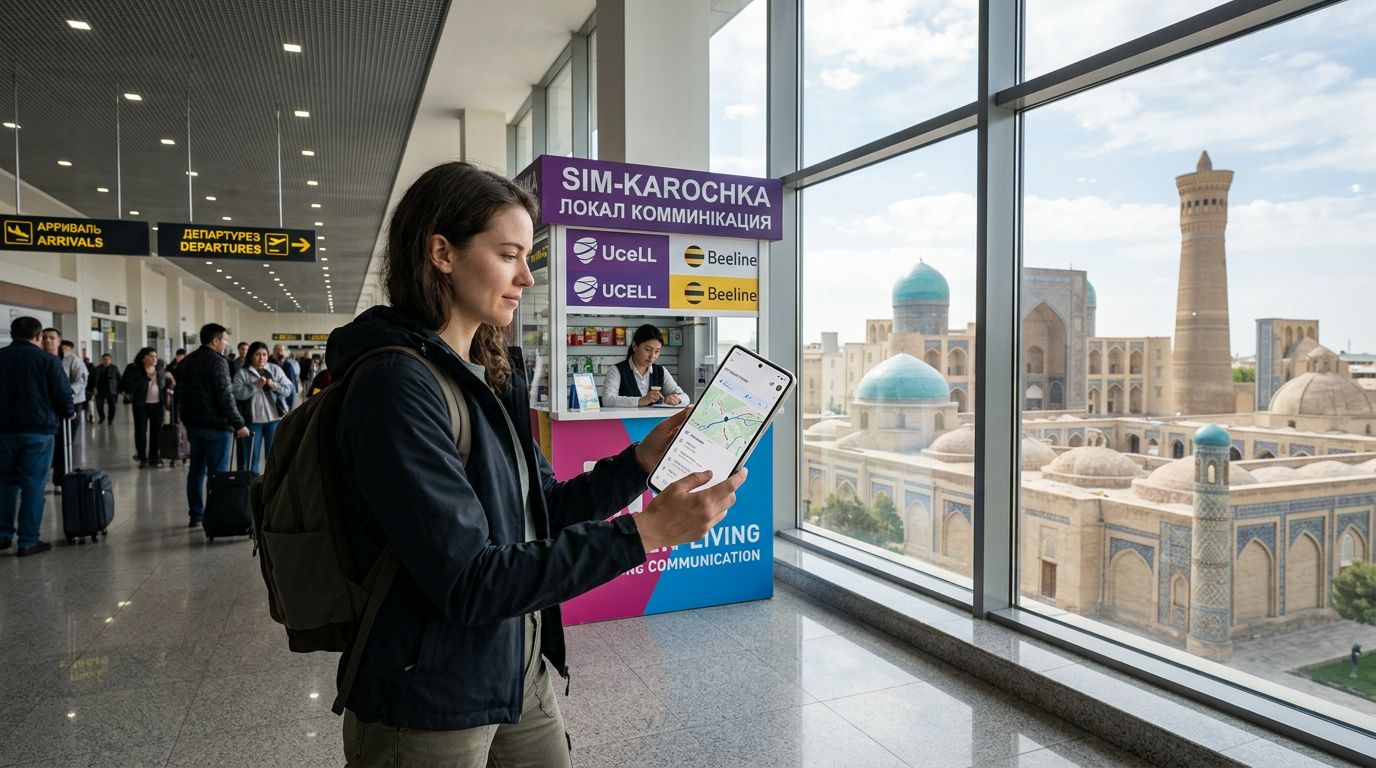
The choice between a local SIM card and an eSIM often comes down to convenience and security. With a traditional physical SIM, you are reliant on the availability of local kiosks or telecom offices. In Timor-Leste, these locations may have limited operating hours, and you might face language barriers or long wait times during peak travel seasons. Furthermore, handling a tiny physical SIM card carries the risk of losing or damaging your original home SIM card, which is a major inconvenience if you rely on your primary number for two-factor authentication or banking alerts.
An eSIM eliminates these physical risks entirely. Because it is a software-based solution, there is no need to open your phone’s SIM tray or carry extra plastic cards in your wallet. If your phone is compatible, you can manage your connectivity through your device settings. For travelers using services like OneTapSIM, the process is streamlined to ensure you spend less time configuring network settings and more time exploring the beaches of Dili or the historical sites of Baucau.
Another factor to consider is the flexibility of your device. Many modern smartphones are dual-SIM capable, meaning you can keep your home SIM card active for incoming calls or SMS while using your eSIM for data. This is particularly useful for travelers who need to maintain contact with work or family while simultaneously using data-heavy applications like maps or ride-sharing services. By keeping your home SIM in the device, you avoid the risk of misplacing it, and you remain reachable on your primary number if an emergency arises.
Why eSIM Technology is the Preferred Choice for Modern Travelers
The shift toward eSIM technology is driven by the need for seamless transitions between countries. When you travel to a destination like Timor-Leste, you want a solution that works immediately. Physical SIM cards often require manual configuration of Access Point Names (APNs) or other network settings, which can be frustrating if you are not tech-savvy. eSIM providers often automate these settings, allowing your phone to connect to the local network automatically upon arrival.
Security is another significant advantage. When you purchase a physical SIM card from an unverified vendor, you are handing over your personal identification documents in a public space. With a reputable eSIM provider, the entire transaction happens through secure digital channels. This minimizes the exposure of your sensitive information. Additionally, if you find that you need more data during your trip, you can often purchase a top-up or a new plan through an app without needing to find a local shop.
Compatibility is the only major hurdle for some users. Before opting for an eSIM, ensure that your device is carrier-unlocked and supports eSIM functionality. Most smartphones released within the last few years are compatible, but it is always wise to check your specific model’s settings or consult the manufacturer’s support pages. If your device supports it, the transition to an eSIM is almost always superior to the traditional method.
For those visiting Timor-Leste, the goal is to minimize logistical stress. By preparing your connectivity in advance, you remove one of the most common points of friction in international travel. Whether you are navigating the winding roads of the interior or trying to find a remote café in Dili, having a reliable data connection via an eSIM ensures that you are never truly lost. It provides the peace of mind that comes with knowing you have access to information, communication, and digital tools regardless of where your itinerary takes you.
As you finalize your travel plans, consider the value of your time. Spending your first few hours in a new country standing in line at a telecom kiosk is rarely how anyone wants to start their vacation. By opting for a digital solution, you reclaim that time. The convenience of having your data plan ready to go, combined with the reliability of modern network partnerships, makes the eSIM the clear winner for travelers heading to Timor-Leste. As you explore this beautiful and emerging destination, let your technology work for you, not against you, by choosing the most efficient path to connectivity.
Ottieni una eSIM per
Piani per le destinazioni di questa guida, con consegna immediata via QR.