The Connectivity Dilemma: Traditional Roaming vs. Modern eSIMs
Planning a trip to Uzbekistan is an exciting endeavor. From the intricate tilework of the Registan in Samarkand to the bustling, spice-scented bazaars of Tashkent and the ancient walled city of Khiva, there is no shortage of wonders to capture and share. However, before you board your flight, you must decide how you will stay connected. The debate between traditional roaming and using a travel eSIM has become a central point of preparation for modern travelers.
Traditional roaming involves using your home mobile carrier’s network while abroad. It is often the default option because it requires no setup; you simply land, turn on your phone, and hope your carrier has a partnership with a local Uzbek provider. While convenient in theory, it is frequently plagued by technical inconsistencies and a lack of transparency regarding how your data is being managed.
In contrast, an eSIM—or embedded SIM—is a digital version of a physical SIM card. It allows you to download a mobile plan directly to your device without needing to swap out a tiny plastic chip. For a destination like Uzbekistan, where infrastructure is rapidly modernizing but still distinct from Western networks, having a dedicated digital plan often provides a more reliable and controlled experience. Understanding the technical and practical differences between these two methods is essential for ensuring your trip is documented and navigated without connectivity interruptions.
Why Traditional Roaming Often Falls Short in Uzbekistan
When you rely on your home carrier for roaming, you are essentially a guest on a foreign network. Your home provider has negotiated agreements with local Uzbek telcos to route your traffic back through your home country. This process, known as "tromboning," can lead to significant latency. If you have ever tried to upload a video of a sunset over the desert or make a video call to family while abroad, only to find the connection lagging or dropping, you are likely experiencing the limitations of roaming latency.
Beyond performance issues, roaming is often unpredictable. You may find that your phone struggles to register on the best available local network, instead defaulting to a weaker signal because that is the only one your home carrier has a specific roaming agreement with. If you run into a connectivity issue, you are at the mercy of your home carrier’s customer support, which may not have real-time visibility into the status of towers in Bukhara or Nukus.
Furthermore, roaming often lacks the granular control that travelers need. With a standard roaming setup, it is difficult to monitor exactly how much data your background apps are consuming. Many travelers have returned home to find their phone background-synced photos or updated software using expensive roaming data, leading to unpleasant surprises on their monthly statement. When you opt for a solution like OneTapSIM, you are choosing a service designed specifically for the needs of international travelers, ensuring that you have clear visibility into your usage and a connection that is optimized for the local environment.
The Advantages of Using an eSIM for Your Uzbekistan Adventure
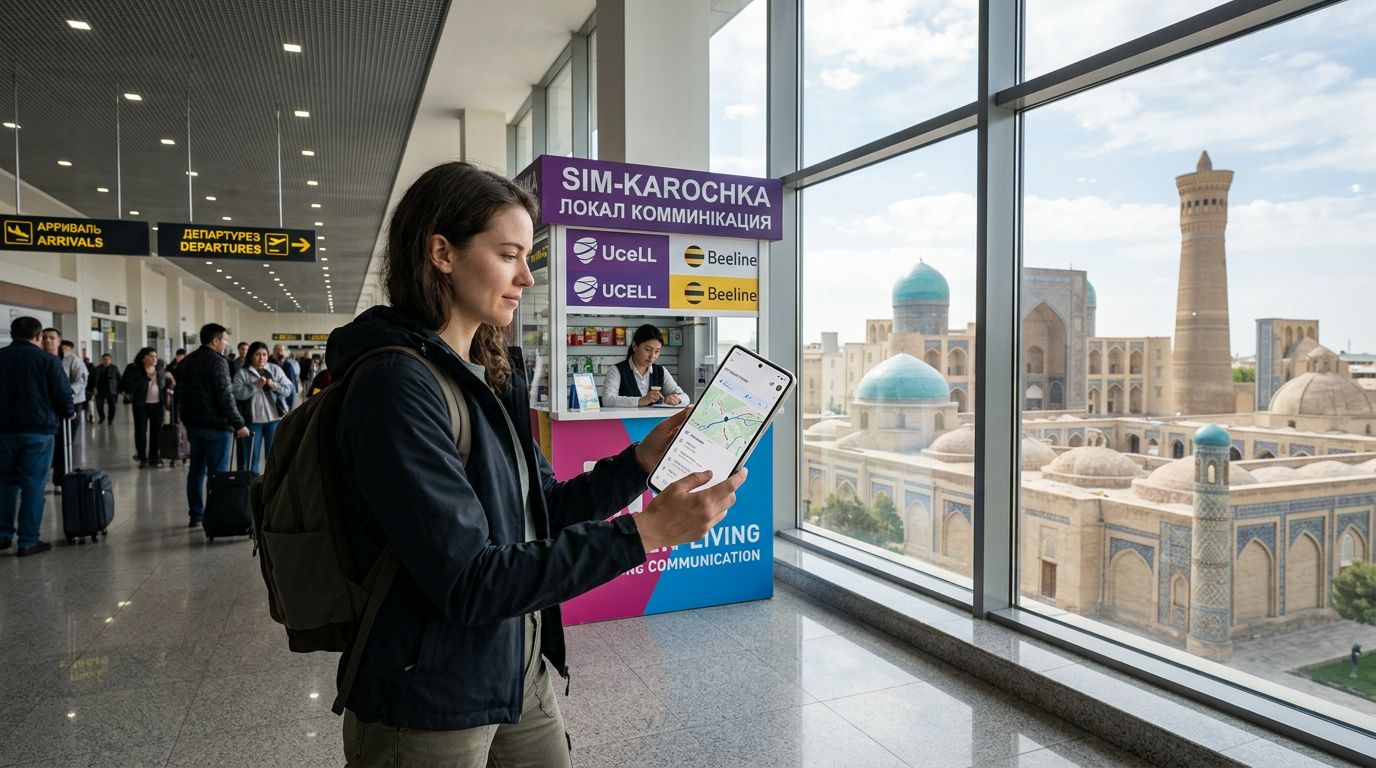
The primary benefit of an eSIM is its seamless integration with your hardware. Because the eSIM is a software-based profile, you can manage your connectivity long before you arrive in Tashkent. You can purchase and install your plan from the comfort of your home, and the service will activate the moment your plane touches down. This eliminates the stress of searching for a local kiosk at the airport or dealing with language barriers while trying to purchase a physical SIM card.
Reliability is another major factor. eSIM providers curate high-quality network access by partnering with multiple local carriers. This means that if one network experiences a dip in coverage in a remote area, your device is often better positioned to maintain a stable connection. Because OneTapSIM operates as a digital-first solution, it is built to bypass the legacy routing issues associated with traditional roaming. You get a direct, efficient connection that feels as responsive as if you were using a local SIM card, but with the convenience of a digital interface.
Compatibility has also improved drastically. Most modern smartphones support eSIM technology. If you are unsure whether your device is capable of using an eSIM, you can check the official documentation provided by your device manufacturer on their respective support websites. Generally, if you have purchased a flagship smartphone within the last few years, you are almost certainly ready to make the switch.
Beyond the technical specs, the psychological benefit of having a stable connection cannot be overstated. When you are navigating the intricate alleyways of the old cities or trying to use a ride-sharing app to get to your hotel, you need a connection that works instantly. An eSIM provides that peace of mind. You are not relying on the "best effort" service of your home carrier; you are using a dedicated data plan optimized for the region you are visiting.
Final Considerations for Your Connectivity Strategy
As you finalize your travel plans for Uzbekistan, consider how much you value your time and peace of mind. Traditional roaming is a legacy technology that was never designed for the data-heavy demands of modern travel. It is reactive, often expensive, and prone to the technical bottlenecks of international network routing.
An eSIM, by comparison, is a proactive tool. It gives you control, transparency, and superior performance. By choosing a specialized service like OneTapSIM, you are ensuring that your focus remains on the breathtaking Silk Road architecture and the hospitality of the Uzbek people, rather than troubleshooting a "no service" icon on your screen.
Before you depart, ensure your phone is carrier-unlocked—a crucial step for using any international SIM or eSIM. Once that is confirmed, the process of setting up your digital plan is straightforward and quick. By making the switch to an eSIM, you are investing in a smoother, more reliable travel experience, allowing you to stay connected with friends and family, navigate with ease, and share your journey through Uzbekistan exactly as it happens. Whether you are trekking in the mountains or exploring the urban centers, having a reliable digital connection is the best way to ensure your trip is as seamless as the history you are about to explore.
Ottieni una eSIM per
Piani per le destinazioni di questa guida, con consegna immediata via QR.