Understanding the Connectivity Options for Your Montenegro Adventure
Montenegro is a breathtaking destination, offering everything from the dramatic fjords of the Bay of Kotor to the pristine beaches of Budva and the rugged peaks of Durmitor National Park. As you plan your itinerary, ensuring you have reliable mobile data is essential for navigating winding mountain roads, finding the best local restaurants, and sharing your travel photos in real-time. When comparing roaming vs eSIM for Montenegro trip planning, travelers are often faced with a choice between the familiar convenience of their home carrier and the modern flexibility of digital SIM cards.
Traditional roaming involves keeping your primary SIM card active while traveling abroad. Your home carrier connects to a local network in Montenegro, allowing you to use your existing phone number for calls, texts, and data. While this sounds convenient, it is frequently the most expensive way to stay connected. Carriers often apply significant daily or usage-based charges that can result in a startling bill once you return home. Furthermore, many roaming packages come with strict data caps that throttle your speeds once you exceed a certain threshold, leaving you with a slow connection just when you need it most.
On the other hand, an eSIM—or embedded SIM—is a digital alternative to the physical card you are likely accustomed to. Since it is built directly into the hardware of modern smartphones, you do not need to visit a store or swap out small plastic chips. You simply purchase a digital plan, scan a QR code, and activate the profile on your device. This technology has revolutionized how travelers approach connectivity, providing a way to access local data rates without the overhead of traditional roaming agreements.
The Practical Differences Between Roaming and eSIM
The most significant distinction between these two methods lies in how your device interacts with the network. When you use your home carrier for roaming, you are essentially a guest on a foreign network, with your traffic routed back through your home country. This often introduces latency, which can make web browsing feel sluggish or cause issues with real-time applications like video calls or navigation apps. Because you are tethered to your home provider’s infrastructure, you are also subject to their specific international roaming policies, which vary wildly depending on your contract.
An eSIM functions differently by providing a direct connection to a local partner network in Montenegro. Because the data does not need to be routed back to your home country, the connection is typically faster and more stable. This is particularly important if you are planning to travel through remote areas of the Montenegrin countryside where signal strength might fluctuate. By using a service like OneTapSIM, you gain access to local networks that are optimized for the region, ensuring that your device behaves as if it were using a local SIM card without the hassle of purchasing a physical one at the airport.
Another practical consideration is the management of your phone number. With traditional roaming, you keep your primary number active, which is useful if you expect important work calls or SMS-based two-factor authentication codes. However, this also leaves you vulnerable to accidental data usage or unwanted background updates that can trigger roaming charges. With an eSIM, you can often keep your primary SIM active for calls and texts while designating your eSIM as the primary source for cellular data. This "dual SIM" capability allows you to maintain your home identity while enjoying the cost-effectiveness and speed of a local data connection.
Why Travelers Are Choosing eSIMs for Montenegro
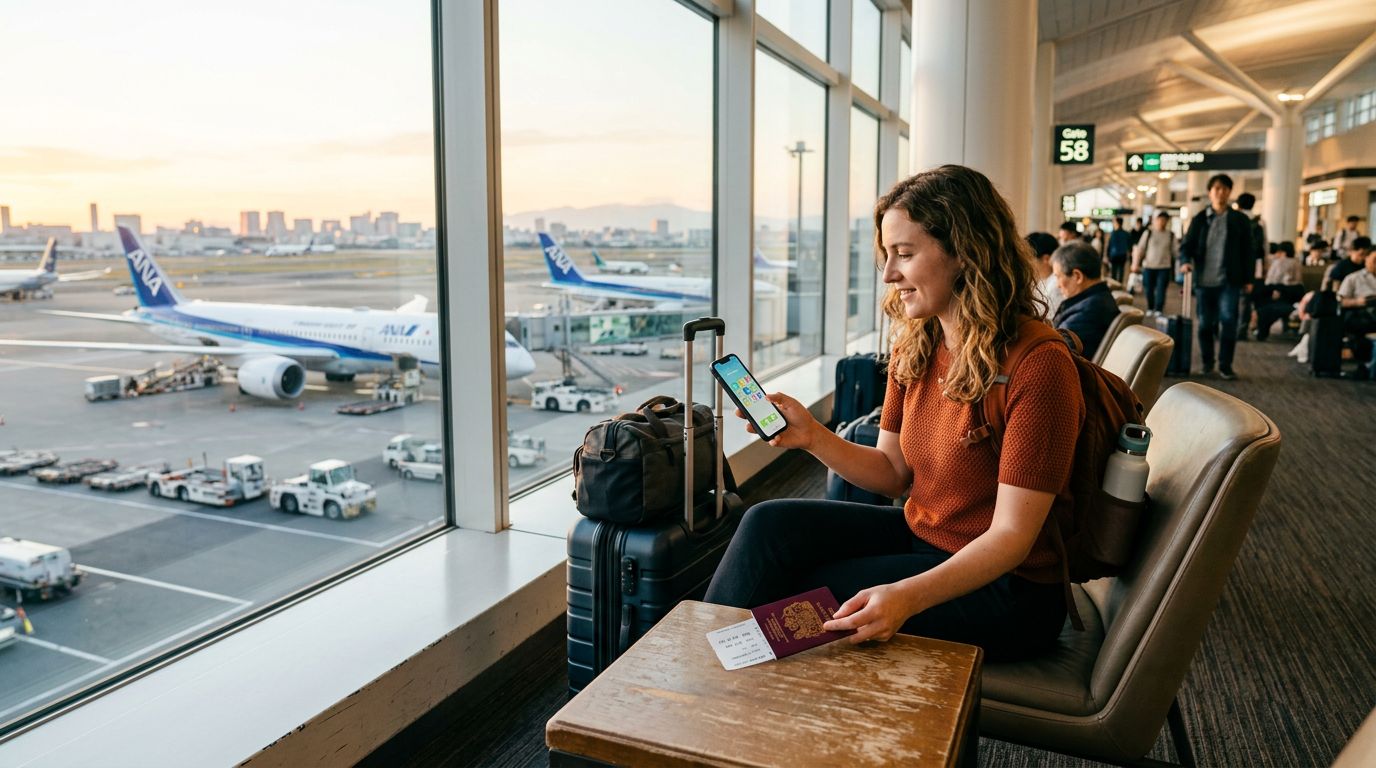
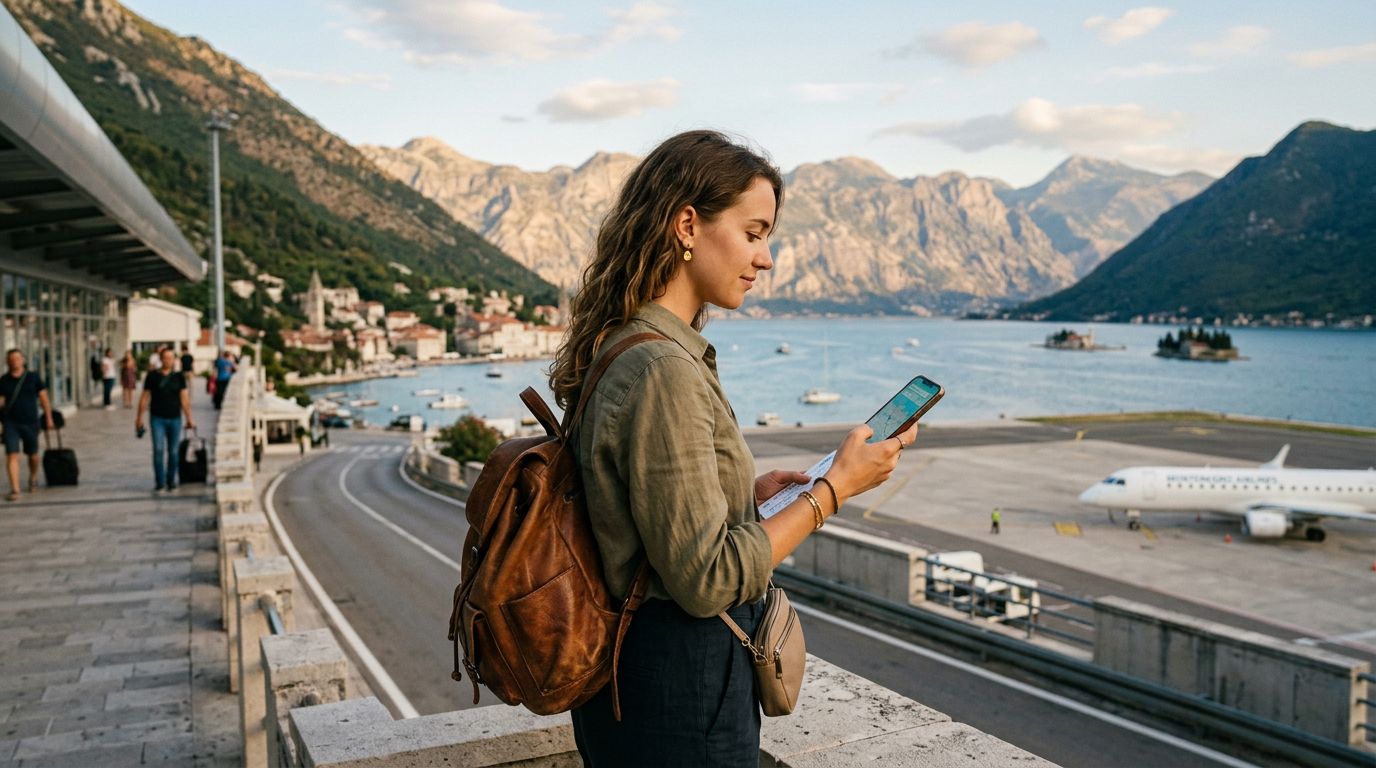
The transition toward eSIM technology is driven by the need for transparency and simplicity. When you arrive at Tivat or Podgorica airport, the last thing you want to do is hunt for a local kiosk, deal with language barriers, or worry about whether a physical SIM card is compatible with your device. An eSIM can be activated before you even leave your home country, meaning you have a data connection the moment your plane touches the tarmac. This immediate connectivity allows you to order a ride-share service, check your accommodation details, or pull up a map immediately upon arrival.
Flexibility is another major advantage. Travel plans often change; you might decide to extend your stay in the mountains or take a spontaneous day trip across the border to Croatia or Bosnia and Herzegovina. With an eSIM, you can manage your data usage through your phone’s settings, monitor your consumption, and even purchase additional data on the go if you find yourself using more than expected. This level of control is rarely available with traditional roaming, where you are often locked into a predetermined plan that is difficult to adjust once you are already abroad.
Furthermore, the environmental and physical benefits of eSIMs cannot be ignored. Physical SIM cards are small, easy to lose, and require a specialized tool to eject the tray from your phone. If you lose your home SIM card while traveling, it can be a logistical nightmare to replace it. An eSIM eliminates the risk of losing hardware and avoids the need to carry multiple plastic cards in your wallet. It is a cleaner, more secure, and more efficient way to manage your mobile identity.
As you weigh the pros and cons of roaming vs eSIM for Montenegro trip preparation, consider how much you rely on your phone for a smooth travel experience. If you prioritize peace of mind, fast data speeds, and the ability to manage your connectivity without hidden surprises, the eSIM route is the clear winner. By setting up your digital profile in advance, you can focus on the stunning scenery of the Bay of Kotor or the historic charm of Perast, knowing that your connection is reliable and under your control. Whether you are a solo traveler navigating the winding roads of the interior or a family looking to stay in touch while exploring the coast, modern digital connectivity ensures that your focus remains on the destination, not on your mobile settings.
Ottieni una eSIM per
Piani per le destinazioni di questa guida, con consegna immediata via QR.