Preparing Your Devices for Connectivity in Angola
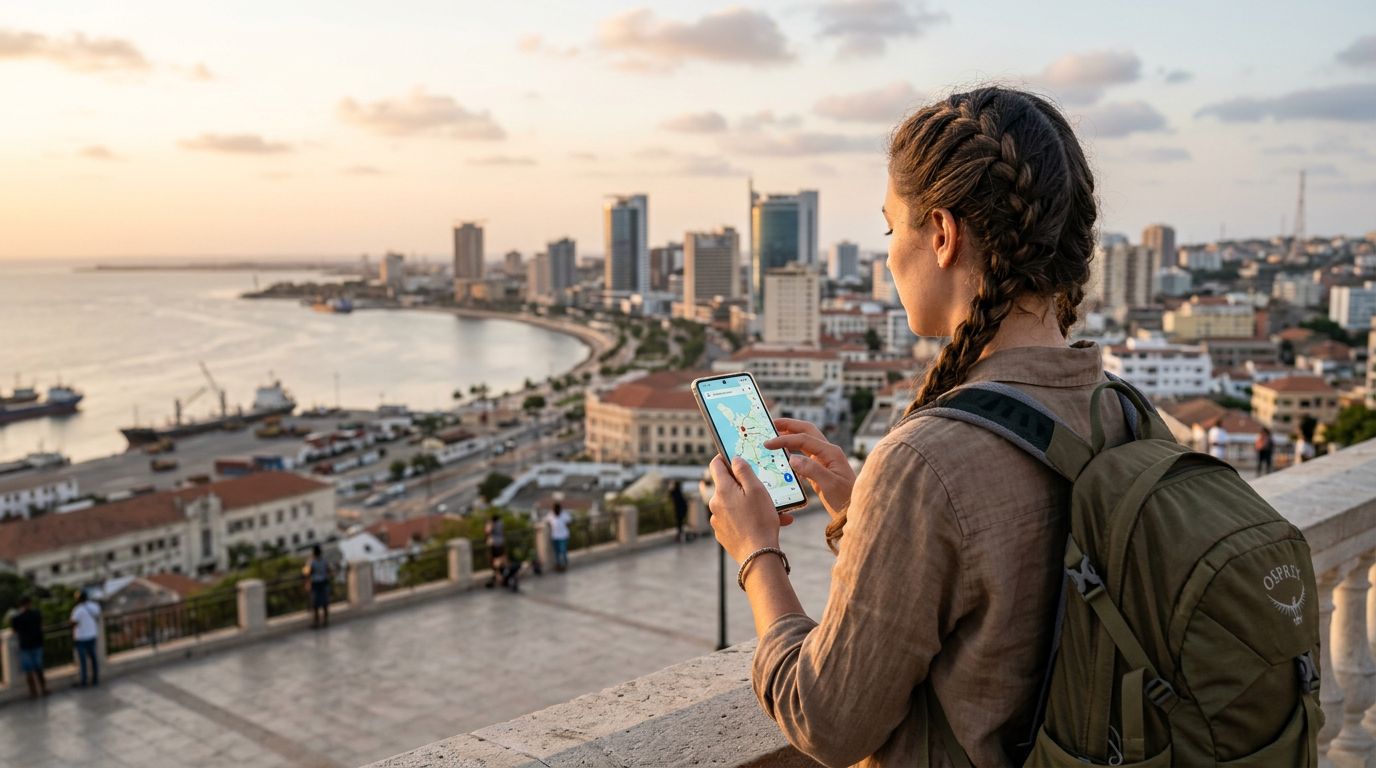
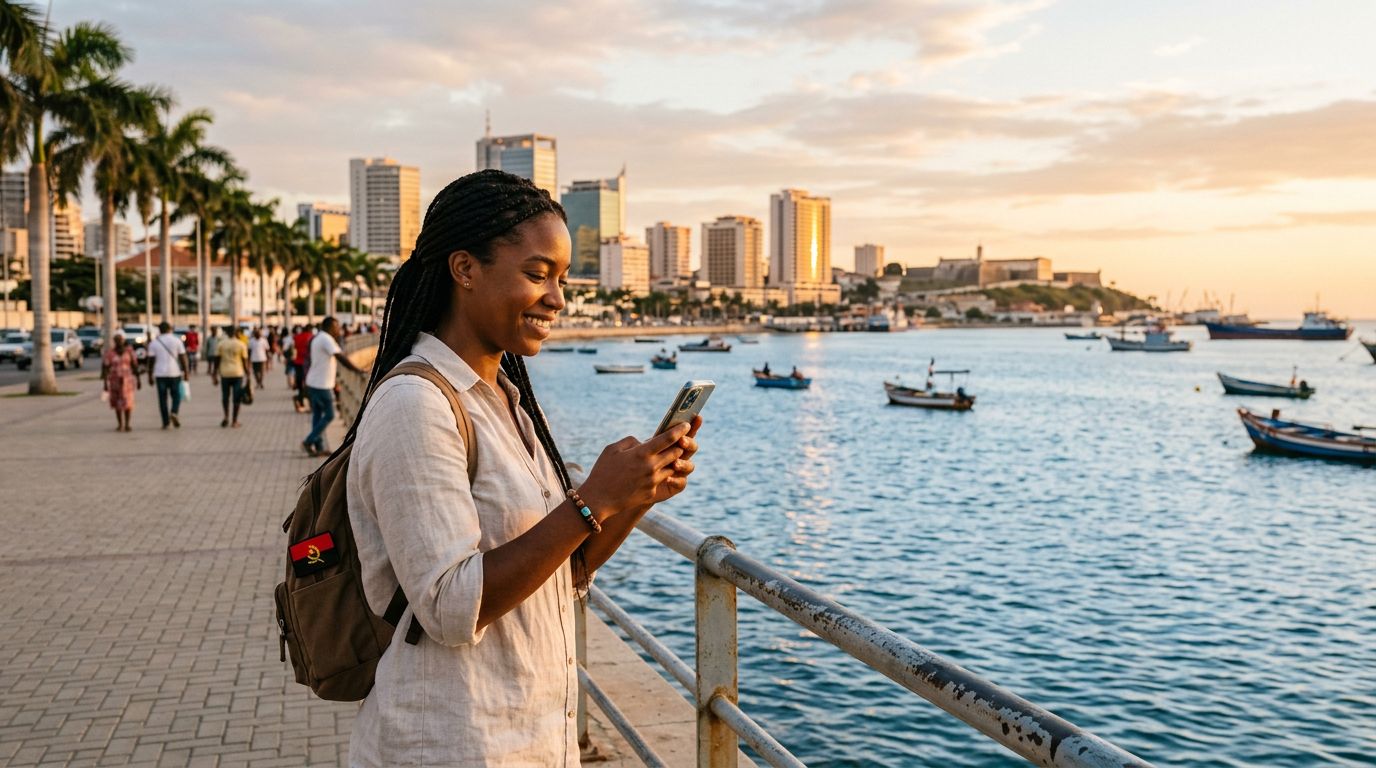
Traveling to Angola offers a unique experience, from the vibrant streets of Luanda to the stunning natural landscapes of the Kalandula Falls. However, staying connected while moving between these locations can be challenging if you rely solely on local infrastructure or public networks. Whether you are a business traveler needing to join video calls or a tourist sharing photos of your journey, knowing how to use mobile hotspot in Angola is essential for maintaining a reliable internet connection.
Before you arrive, you must ensure your smartphone is compatible with international roaming or local eSIM technology. Most modern devices, including recent models from Apple and various Android manufacturers, support eSIM functionality. This allows you to download a digital SIM profile without needing to swap physical cards at a kiosk. Using a service like OneTapSIM can simplify this process significantly, as it provides a streamlined way to get online as soon as you land.
To prepare your hardware, check your device settings to confirm that your phone is carrier-unlocked. If your device is locked to a specific home carrier, you may be unable to add a secondary eSIM, which would prevent you from using local data services. Once you have verified your device compatibility, you can install your eSIM profile. Ensure that your data roaming is toggled on for the specific eSIM you intend to use in Angola, while keeping your primary home SIM on a lower-priority setting or disabling it to avoid unexpected roaming charges from your home provider.
Configuring Mobile Hotspot Settings on Your Smartphone
Once your data connection is active, setting up a mobile hotspot is generally straightforward. A hotspot allows your phone to act as a portable Wi-Fi router, sharing your mobile data connection with laptops, tablets, or other devices. To begin, navigate to the settings menu on your smartphone. On an iPhone, you will typically find this under "Personal Hotspot," while Android users will find it under "Network & Internet" or "Connection & Sharing" labeled as "Hotspot & Tethering."
When you enable the hotspot, it is vital to configure a strong password. Open networks are susceptible to unauthorized access, which can quickly drain your data allowance. Choose a unique password that includes a mix of characters, numbers, and symbols. You should also ensure that your hotspot name is not easily identifiable as your personal device.
If you are using an eSIM from a provider like OneTapSIM, the data connection behaves exactly like a physical SIM connection. However, keep in mind that tethering consumes data at a much higher rate than standard phone usage. When you connect a laptop to your phone’s hotspot, the computer may automatically begin background tasks, such as syncing cloud storage, downloading system updates, or streaming high-definition video. To manage your data usage effectively, consider setting your connection to "metered" on your laptop. This tells the operating system to limit background data consumption, ensuring that your mobile data is reserved for the tasks that matter most during your trip.
Best Practices for Data Management and Connectivity
Maintaining a stable connection while traveling through different regions of Angola requires a proactive approach. While urban centers like Luanda generally offer decent coverage, rural areas may experience fluctuations in signal strength. If you find your hotspot connection is slow or intermittent, try moving your smartphone to a location with better reception, such as near a window or in an elevated position. Avoid placing the phone inside a bag or under other electronic devices, as this can interfere with the signal and cause the phone to overheat.
Battery management is another critical aspect of using a mobile hotspot. Sharing a cellular connection is an intensive process that can drain your battery significantly faster than normal use. If you plan on using your phone as a hotspot for an extended period, carry a high-capacity power bank. This ensures that your device remains powered throughout the day, preventing unexpected disconnections during important meetings or navigation tasks.
If you are traveling with a group, coordinate your data usage. If multiple people connect to a single hotspot, your data will deplete rapidly. It is often more efficient for each traveler to have their own eSIM, which provides independent access and prevents one person’s device from becoming a single point of failure for the entire group.
Finally, monitor your data consumption through your phone’s built-in settings. Both iOS and Android provide detailed breakdowns of which applications are consuming the most data. If you notice a specific app using an excessive amount of background data, restrict its access while you are on your mobile connection. By following these steps, you can enjoy a seamless digital experience while exploring Angola, ensuring that your maps, emails, and communication tools remain available whenever you need them. Whether you are navigating the city or documenting your travels, a well-managed hotspot setup provides the flexibility to stay connected on your own terms.
Ottieni una eSIM per
Piani per le destinazioni di questa guida, con consegna immediata via QR.