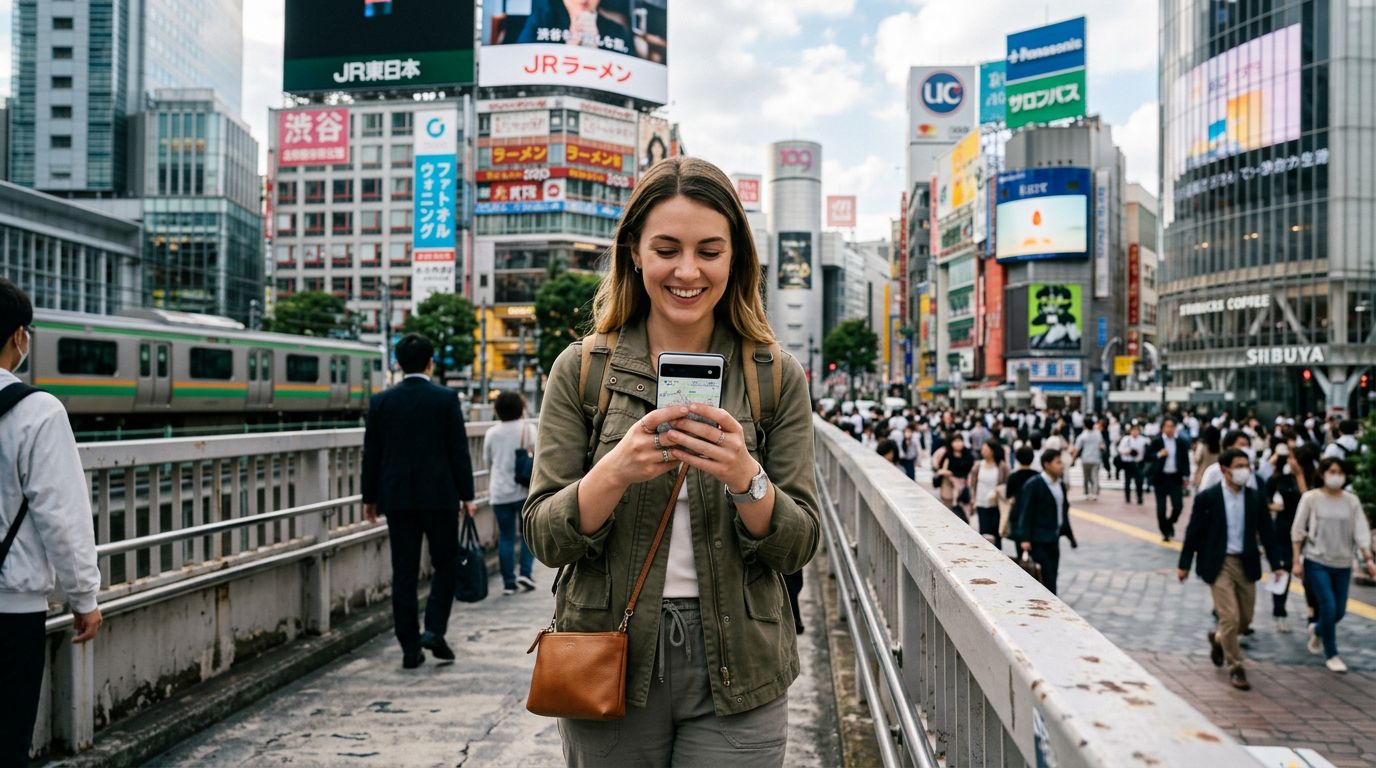
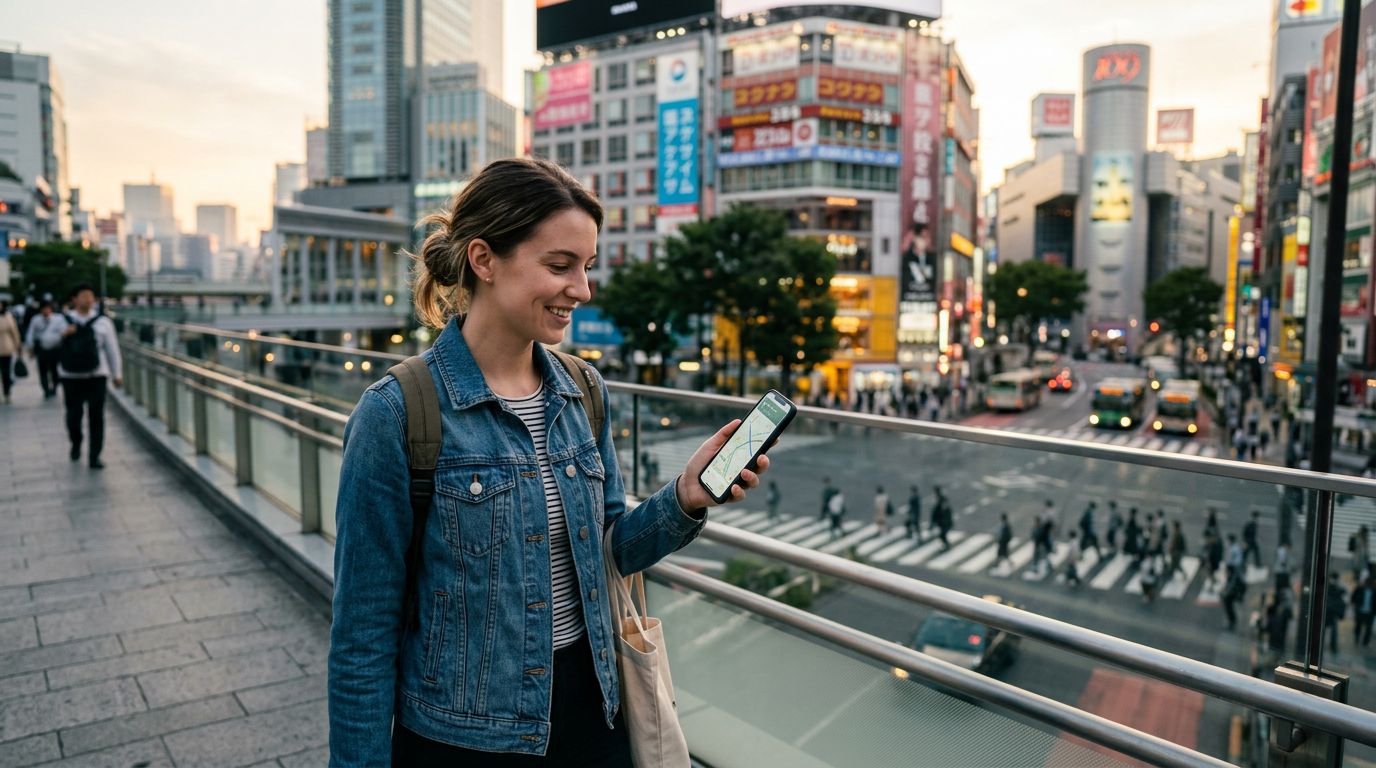
Why an eSIM is the Superior Choice for Japan
Traveling to Japan involves a unique set of logistical requirements. From navigating complex subway systems in Tokyo to finding hidden ramen shops in Osaka, having a reliable internet connection is not just a convenience; it is a necessity. For years, travelers relied on physical SIM cards or bulky pocket Wi-Fi devices. While these methods worked, they often came with the hassle of physical swaps, the risk of losing tiny cards, or the burden of carrying extra hardware and charging cables throughout the day.
The eSIM, or embedded SIM, has revolutionized how we stay connected while abroad. Because the technology is built directly into the hardware of modern smartphones, you no longer need to visit a kiosk at the airport or wait for a package to arrive at your hotel. Instead, you can activate your cellular data plan digitally before you even land. For those searching for the best eSIM for travel to Japan, the primary advantages are simplicity and flexibility. You can keep your primary phone number active for essential calls or texts while using a secondary eSIM profile exclusively for high-speed data. This dual-SIM capability ensures you remain reachable by family or work colleagues while enjoying the seamless browsing speeds required for map navigation, translation apps, and social media updates.
How to Check Your Device Compatibility
Before you settle on a provider, you must confirm that your smartphone is capable of using eSIM technology. Most flagship devices released within the last five years support eSIMs, but it is always best to verify your specific model. The most important prerequisite is that your phone must be "carrier unlocked." If you purchased your phone through a mobile service provider and are still under a contract, the device might be locked to that specific carrier, preventing you from adding an eSIM from a different provider. If you are unsure about your status, contact your home carrier to request an unlock before your departure.
To check if your device supports eSIM, you can look through the cellular settings menu on your phone. For iPhone users, you can find this information by visiting the official Apple support website to see a list of compatible models. Generally, if your phone allows you to "Add eSIM" or "Add Cellular Plan" within your settings, you are ready to proceed. Android users can find similar information through the Google support portal.
OneTapSIM is designed to work seamlessly with these modern devices. By streamlining the installation process, the platform removes the technical barriers that often discourage travelers from switching to digital solutions. Once you confirm your phone is unlocked and eSIM-compatible, the transition to a travel-specific data plan becomes a matter of a few simple taps.
Setting Up Your Connection for a Seamless Trip
Preparation is the key to a stress-free arrival in Japan. The beauty of choosing an eSIM for travel to Japan is that you can complete the entire setup process from your living room. Once you purchase your plan, you will typically receive a QR code or an activation link. Scanning this code adds the data plan to your phone as a secondary profile.
It is highly recommended to install your eSIM profile while you are still at home and connected to a stable Wi-Fi network. While the eSIM will remain inactive until it detects a network in Japan, having the profile already installed on your device means that the moment your plane touches down at Narita or Haneda, you can toggle your data settings and connect to the local network instantly. This eliminates the need to hunt for airport Wi-Fi or struggle with physical SIM tray tools while standing in a crowded arrivals hall.
When you arrive in Japan, ensure that your data roaming is turned on for your eSIM profile and that your device is set to use the eSIM for "Cellular Data." It is also wise to keep your primary SIM active for calls only, if you need to receive urgent messages from home, but ensure that data roaming is disabled on that primary line to avoid unexpected international roaming charges.
OneTapSIM provides clear, step-by-step instructions that guide you through this process, ensuring that your connection is established without technical friction. Because the infrastructure in Japan is highly advanced, you will find that a quality eSIM provides 4G and 5G speeds that are comparable, if not superior, to what you experience at home. This allows you to stream videos, upload high-resolution photos, and use real-time navigation without worrying about data caps or slow connection speeds.
Managing Your Data Usage and Staying Connected
Once you are on the ground, managing your data usage is straightforward. Japan is a country where you will rely heavily on your phone for everything from checking train schedules on transit apps to using digital payment systems. Because you are using a dedicated data plan, you can monitor your usage directly through your phone’s settings.
To maximize your data, consider downloading offline maps for the cities you plan to visit. While your eSIM will provide excellent coverage, having offline maps acts as a safety net if you find yourself in a remote area or a deep subway tunnel. Additionally, adjust your background app refresh settings to ensure that only the applications you actually need are consuming data.
If you find that you have underestimated your data needs, many modern eSIM platforms allow you to top up or add a new plan remotely. This flexibility is what makes the eSIM the gold standard for modern travel. You are no longer tethered to a single, rigid plan that you purchased weeks in advance. If your trip ends up being longer than expected, or if you find yourself using more data than anticipated, you can secure additional connectivity within minutes.
By choosing a reliable provider like OneTapSIM, you gain the peace of mind that comes with knowing your connectivity is handled by a service built specifically for the needs of international travelers. Whether you are exploring the neon-lit streets of Tokyo, the historic temples of Kyoto, or the mountainous regions of Hokkaido, having a robust and reliable internet connection ensures that your focus remains on the experience rather than the logistics of staying online. When you return home, you can simply delete the eSIM profile from your device, leaving your phone exactly as it was before your journey began. This clean, efficient approach to mobile data is why more travelers are making the permanent switch to eSIMs for their Japanese adventures.
Ottieni una eSIM per
Piani per le destinazioni di questa guida, con consegna immediata via QR.