Understanding eSIM Compatibility in Israel
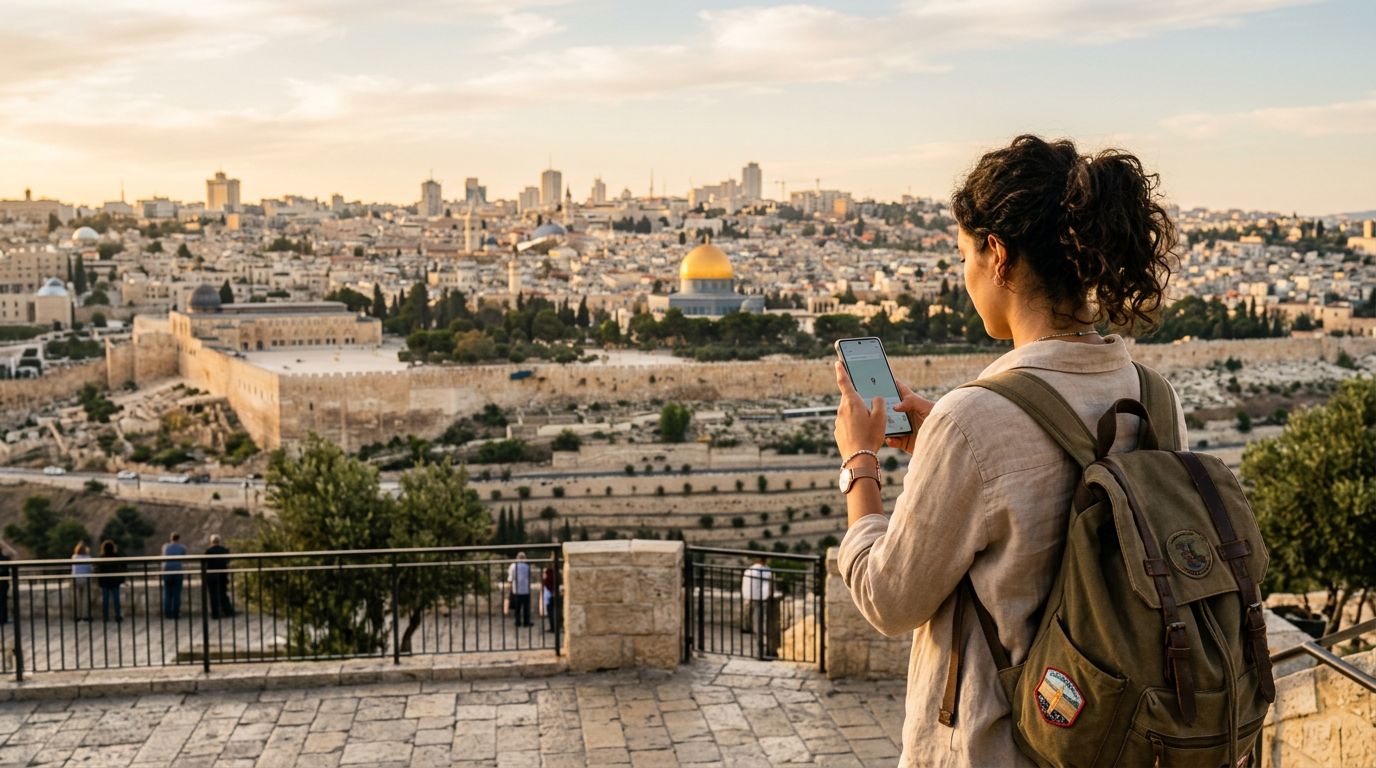
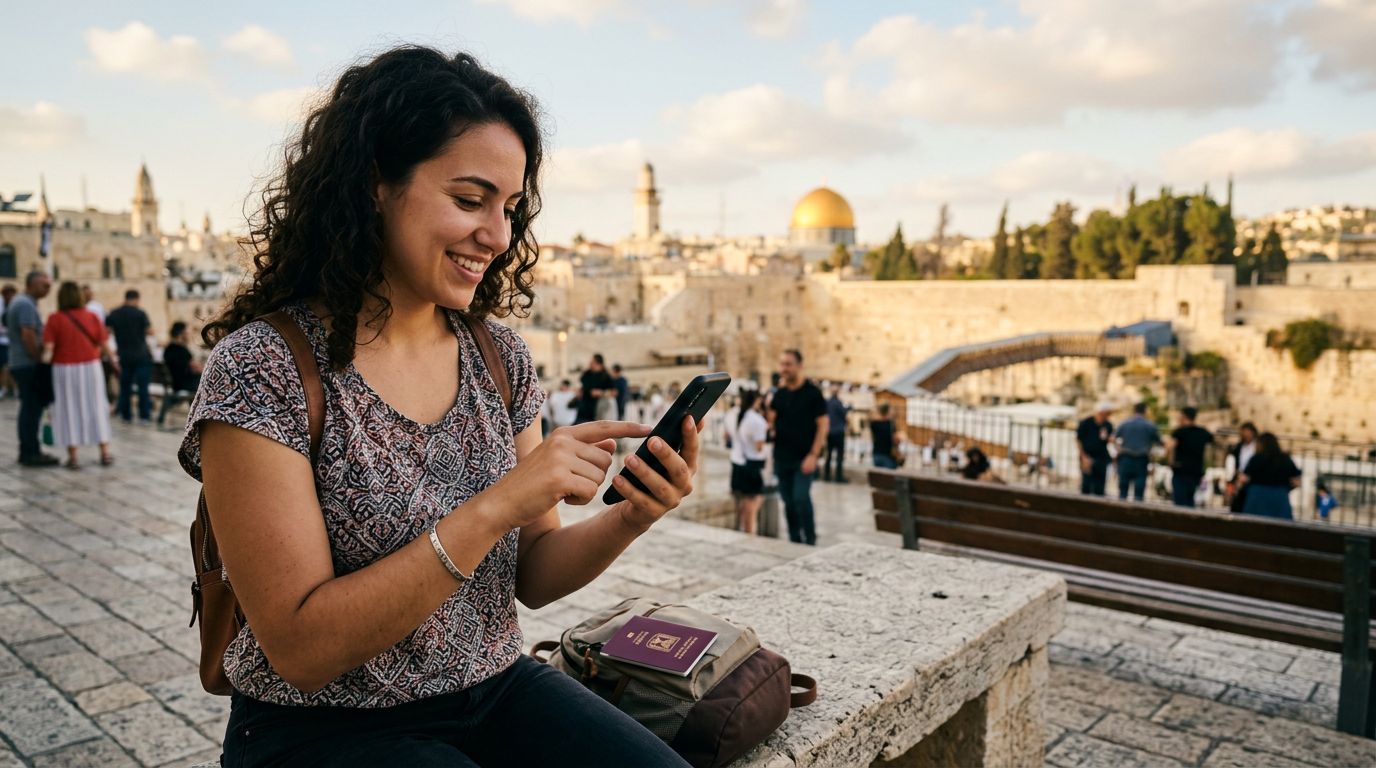
If you are planning a trip to the Holy Land, you might be wondering: does eSIM work in Israel? The short answer is yes. Israel is a highly developed market for mobile technology, and the transition toward digital SIM cards has been seamless for both locals and international travelers. Whether you are visiting the bustling markets of Tel Aviv, the historic walls of Jerusalem, or the serene shores of the Sea of Galilee, you can maintain reliable connectivity without needing to swap out your physical plastic card.
An eSIM, or embedded SIM, is a digital version of the traditional physical SIM card. It is built directly into the hardware of modern smartphones. Because it is software-based, you can activate a cellular plan by simply scanning a QR code or installing a profile provided by a service like OneTapSIM. This removes the need to visit a local kiosk at Ben Gurion Airport or deal with the small, easily lost physical cards that have defined international travel for decades.
Before you rely on this technology, you must ensure your device is compatible. Most flagship smartphones released within the last five years support eSIM functionality. Generally, if you have a modern iPhone or a recent Android device from a major manufacturer, you are likely ready to go. You can verify this by checking your phone’s cellular settings menu to see if there is an option to "Add eSIM" or "Add Cellular Plan." If your device is carrier-locked, however, you may need to contact your home provider to unlock it before an international eSIM will function.
Benefits of Using an eSIM for Your Israeli Adventure
The primary advantage of using an eSIM in Israel is the sheer convenience of preparation. Rather than waiting until you land to find a mobile provider, you can purchase and set up your digital data plan while you are still at home. Once your plane touches down in Tel Aviv, you can toggle your eSIM on, and your phone will immediately connect to the local network. This allows you to use ride-sharing apps, access maps, and message your family the moment you step off the aircraft.
Another significant benefit is the ability to keep your primary phone number active. Many travelers worry that using a foreign SIM will disconnect them from their home contacts. With an eSIM, you can often keep your home SIM active for calls and texts while dedicating the eSIM exclusively to data. This setup prevents the common headache of missing important two-factor authentication codes or urgent messages from back home.
Security is also a major factor. Relying on public Wi-Fi networks at cafes, hotels, or airports can expose your personal information to potential cyber threats. By using a dedicated eSIM data plan, you are utilizing a secure, encrypted mobile connection. This keeps your browsing activity private and protects your sensitive data while you check your bank accounts or manage travel bookings on the go.
OneTapSIM provides a streamlined way to manage these connections. By choosing a plan tailored to your specific travel duration, you avoid the hassle of dealing with local contracts or unexpected roaming fees from your home carrier. It provides the flexibility to stay connected throughout your journey without the administrative burden often associated with international mobile services.
Tips for a Smooth Connectivity Experience
To ensure your trip remains stress-free, there are a few best practices to follow when using an eSIM in Israel. First, always complete the installation process while you are still connected to a stable Wi-Fi network. While the activation itself does not require much data, you want to ensure the profile downloads completely without interruption. You can install the eSIM days before your trip, but you should wait until you arrive in Israel to activate it.
Second, manage your data settings carefully. Once you land, ensure that your phone is set to use the eSIM for "Cellular Data." If you leave your home carrier’s data roaming enabled, you might accidentally incur significant charges on your primary line. Most modern smartphones allow you to label your SIMs, so you can easily distinguish between your "Home" line and your "Travel" line.
Third, monitor your data usage. While many travelers find that a standard data package is more than enough, heavy users who stream high-definition video or upload large files to social media might reach their limits faster than expected. If you find yourself running low, many providers allow you to top up your data remotely.
Finally, remember that Israel has excellent 4G and 5G coverage in major urban centers. However, if you are planning to visit remote areas, such as the deep Negev desert or isolated hiking trails, expect signal strength to fluctuate. This is a limitation of the local infrastructure, not the eSIM technology itself. By keeping your phone charged and having offline maps downloaded, you can navigate these areas confidently.
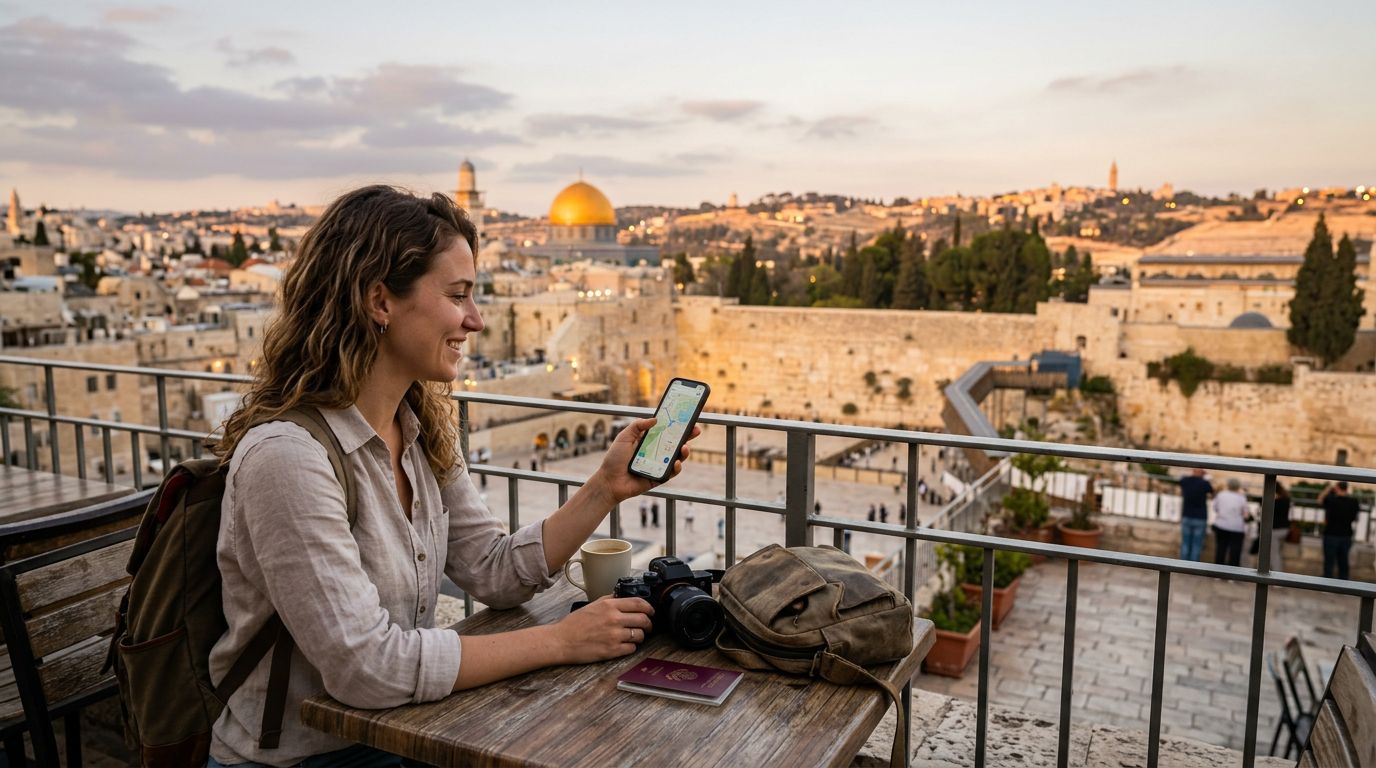
By preparing your device before departure and understanding how to manage your dual-SIM setup, you can enjoy all the sights of Israel without the anxiety of losing your connection. Whether you are using your phone to find the best local falafel or to navigate the winding streets of the Old City, a digital eSIM ensures you stay online throughout your entire stay.
Ottieni una eSIM per
Piani per le destinazioni di questa guida, con consegna immediata via QR.