The Traditional Airport SIM Card Experience
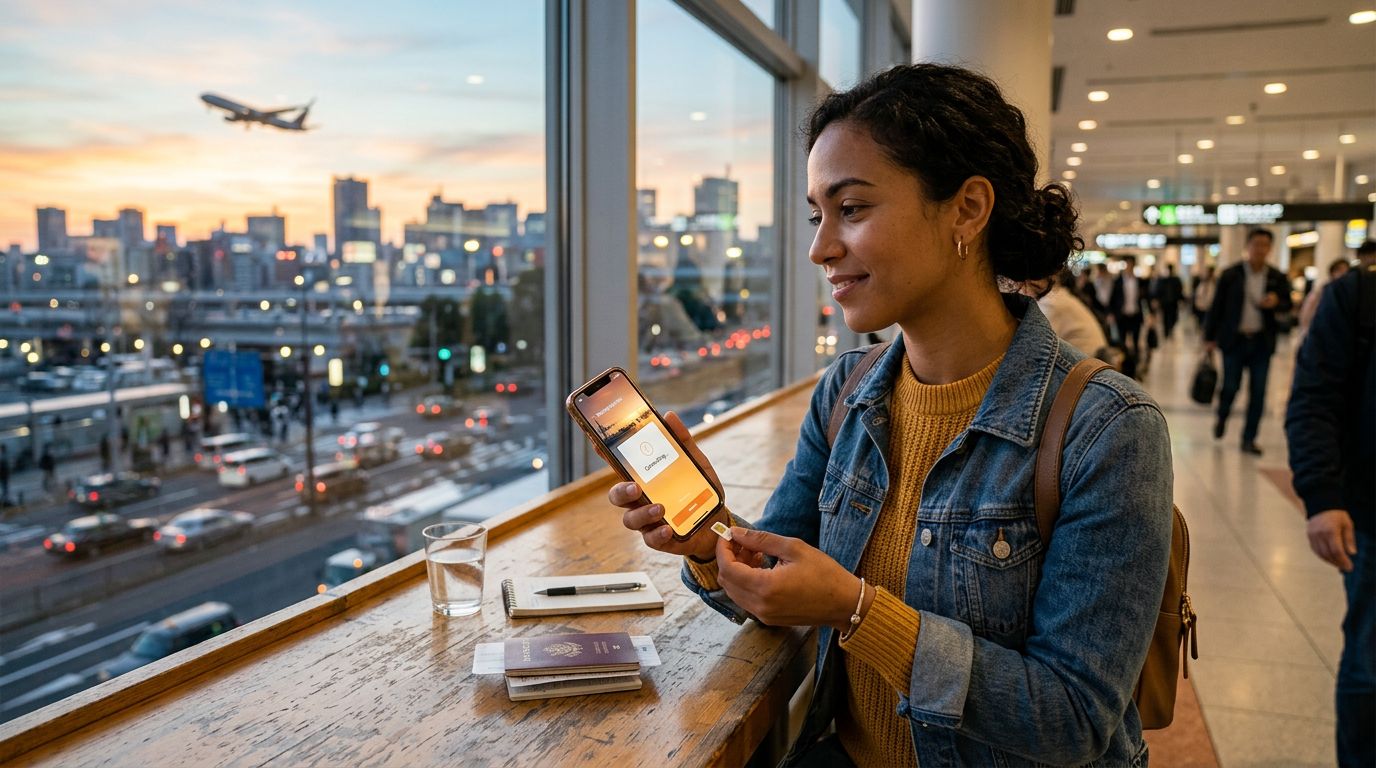
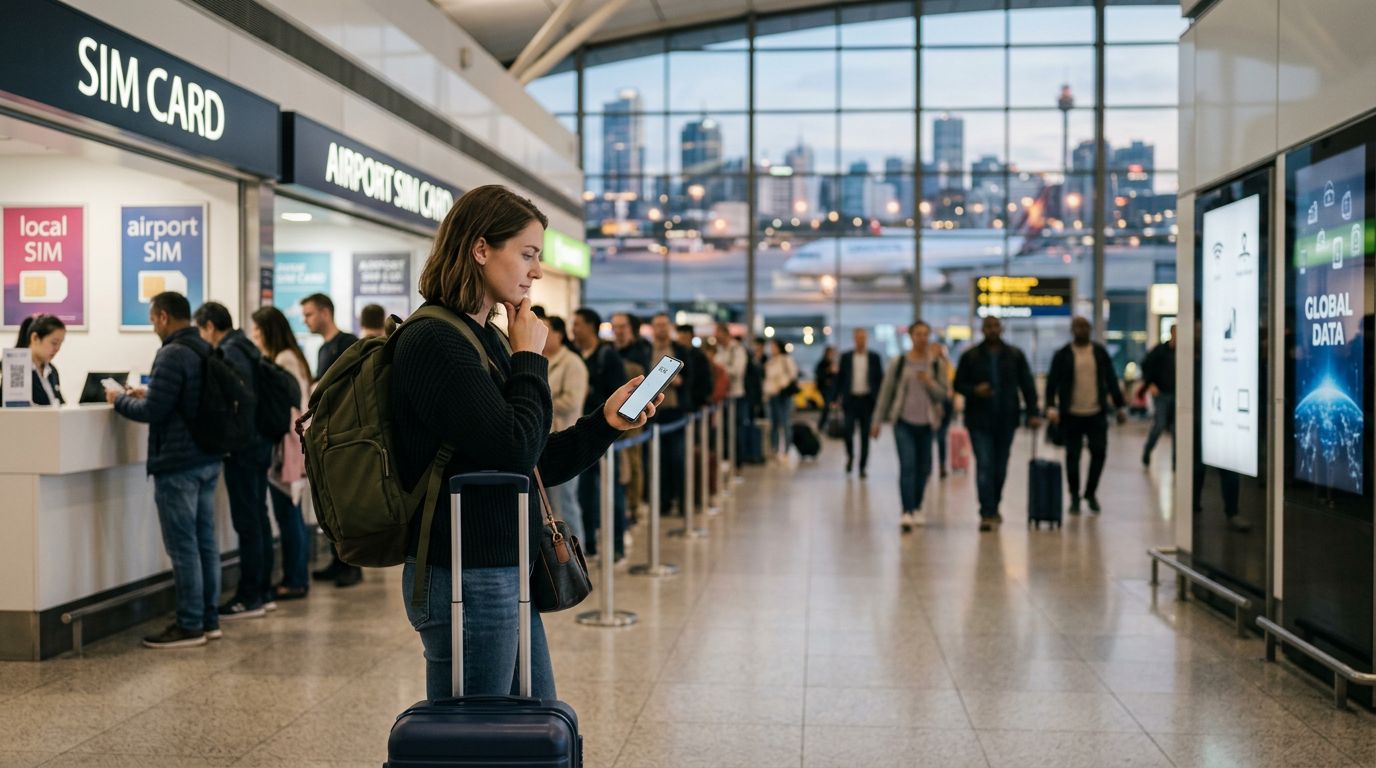
For decades, the standard procedure for international travelers landing in a new country was to head straight to the nearest kiosk in the arrivals hall. Airport SIM cards have long been the go-to solution for those needing immediate connectivity. You land, you find a brightly lit booth, you hand over your passport, and a technician swaps out your physical SIM card.
The primary appeal of this method is the physical nature of the transaction. There is a sense of security in having a tangible object placed into your device by a professional. If you are someone who prefers face-to-face interaction or if your phone is an older model that does not support modern digital technology, this traditional route might feel like the safest bet. You walk away with a local number and data access, often feeling like you have successfully checked a major item off your arrival to-do list.
However, the reality of the airport SIM experience is often far from seamless. The most immediate drawback is the time commitment. After a long-haul flight, the last thing most travelers want to do is stand in a queue. During peak tourist seasons, these lines can stretch across the terminal, adding significant stress to the start of a trip. Furthermore, airport kiosks are notorious for being more expensive than stores located in the city center. Because these vendors have a captive audience of tired travelers who need connectivity immediately, they can charge a premium for their convenience and location.
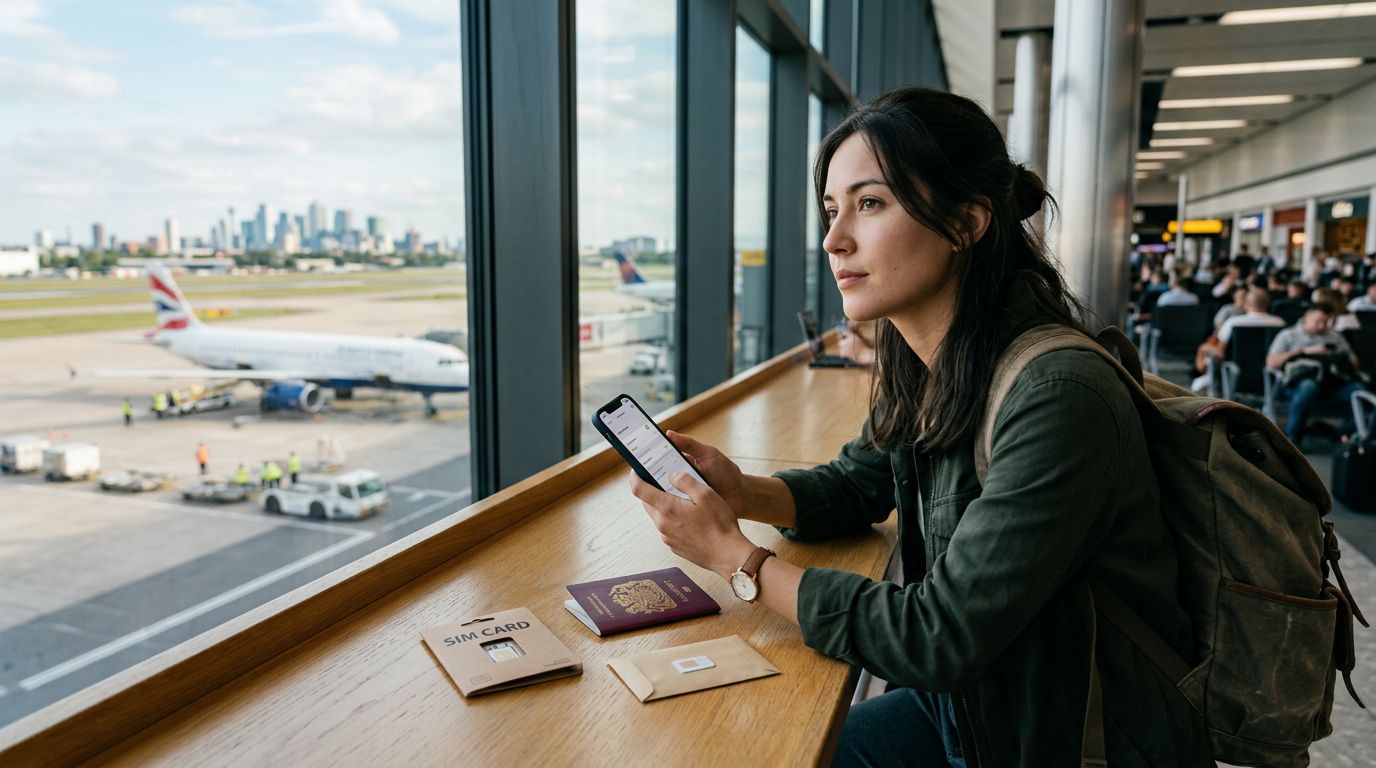
There is also the logistical hurdle of managing your original physical SIM card. Once the airport vendor removes your home SIM, you must store it somewhere safe. Given that these cards are tiny and easily misplaced, many travelers live in constant fear of losing their home connectivity for good. If you lose that small piece of plastic, you lose access to your home banking apps, two-factor authentication codes, and your primary phone number.
The Rise of eSIM Technology for Modern Travel
The landscape of international connectivity shifted dramatically with the introduction of eSIMs. An eSIM, or embedded SIM, is a digital version of a traditional SIM card that is built directly into the hardware of your smartphone. Instead of physically swapping out a chip, you simply download a profile that connects your device to a local network.
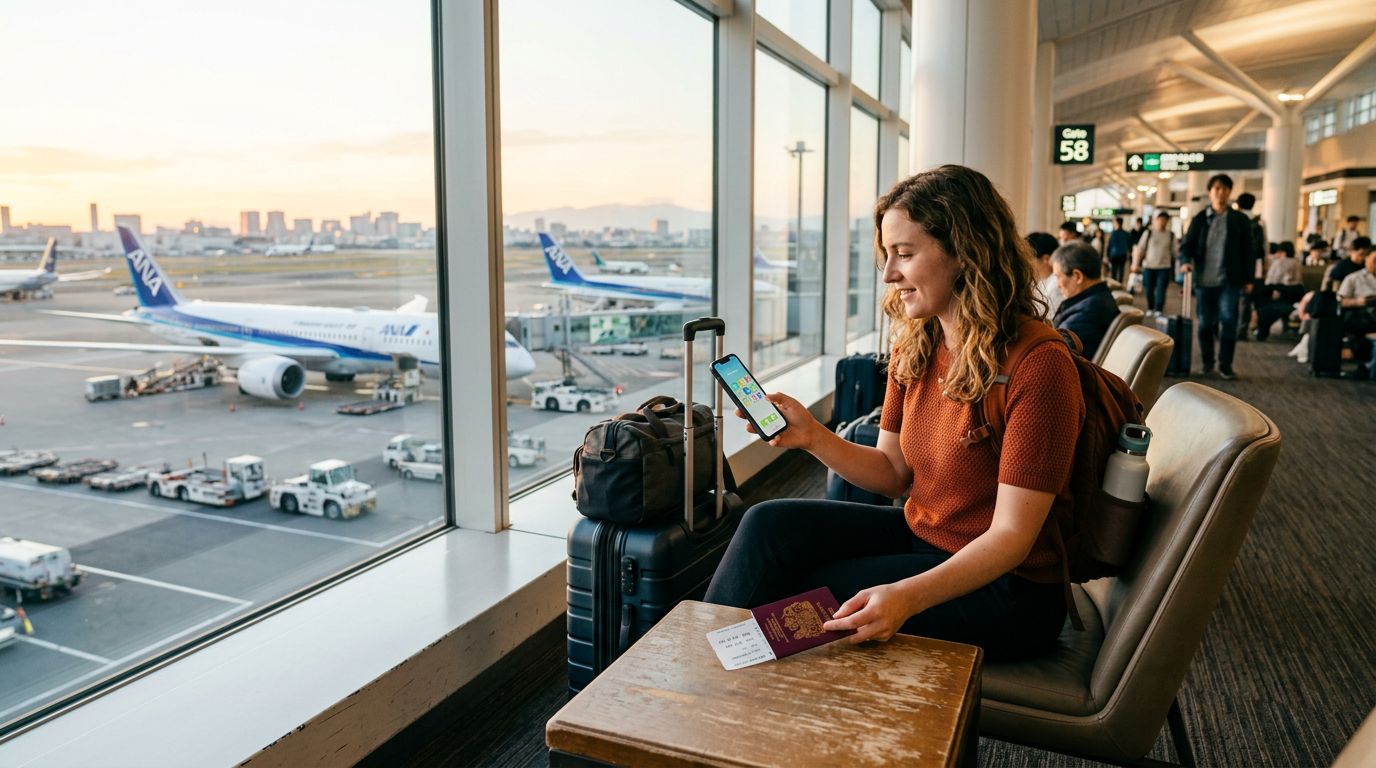
The most significant advantage of an eSIM is the ability to prepare before you even leave your house. With a provider like OneTapSIM, you can purchase and install your data plan days or weeks before your departure. Once you land, your phone automatically detects the local network, and you are connected as soon as you switch off airplane mode. There is no waiting in lines, no searching for a kiosk, and no need to interact with salespeople after a tiring flight.
Compatibility has also improved significantly. Most modern smartphones released in the last few years support eSIM functionality. If you are unsure whether your device is capable of using this technology, you can check your settings or refer to the official support pages provided by Apple or Google. Because the process is entirely digital, you do not have to worry about the physical wear and tear of opening your SIM tray or the risk of losing your original card. You keep your home SIM safely inside your phone, allowing you to receive important calls or texts from back home while simultaneously using a local data plan for maps, rideshare apps, and social media.
Beyond the convenience, eSIMs offer a level of flexibility that physical SIMs simply cannot match. If you are traveling through multiple countries, you can manage multiple eSIM profiles on a single device. You can switch between them with a few taps in your phone settings, ensuring you always have the best coverage regardless of which border you cross. This eliminates the need to visit multiple airport kiosks to buy separate physical cards for every stop on your itinerary.
Making the Right Choice for Your Journey
When deciding between an airport SIM vs eSIM for tourists, the choice ultimately comes down to your personal travel style and your hardware. If you are using a legacy device that does not support eSIMs, or if you feel uncomfortable managing digital settings, the airport kiosk remains a functional, albeit inefficient, option. However, for the vast majority of modern travelers, the eSIM represents a superior evolution in connectivity.
The primary factor to consider is the value of your time. Traveling is meant to be an experience, and spending the first hour of your vacation standing in a crowded airport hallway is an unnecessary drain on your energy. By opting for a digital solution, you reclaim that time. You can spend those minutes grabbing a coffee, finding your transportation, or simply heading straight to your accommodation to settle in.
Security is another major differentiator. By keeping your physical SIM card in your phone for the duration of your trip, you significantly reduce the risk of losing it. You maintain your home identity while enjoying the benefits of local data rates. This hybrid approach is the standard for tech-savvy travelers who want the best of both worlds: the constant reachability of their home number and the high-speed, cost-effective data provided by a dedicated travel eSIM.
Furthermore, the environmental impact of physical SIM cards—which require plastic manufacturing, shipping, and packaging—is entirely bypassed with eSIM technology. It is a cleaner, faster, and more reliable way to stay connected. As global networks continue to prioritize digital infrastructure, the ease of use associated with providers like OneTapSIM will only increase.
If you are planning your next trip, take a moment to verify your phone’s compatibility. Once you confirm that your device supports eSIMs, the transition to digital connectivity is straightforward. You will find that the ability to land, connect, and go is not just a luxury, but a fundamental improvement to the way we explore the world. By removing the friction of the airport kiosk, you allow yourself to focus on the destination rather than the logistics of staying online. Whether you are navigating a bustling city or exploring a remote region, having your connectivity sorted before you touch down provides a level of peace of mind that no airport vendor can provide.