Understanding the Dual SIM Concept
A dual SIM cell phone is a device capable of housing and utilizing two separate SIM cards simultaneously. For years, this technology was primarily associated with markets where users frequently switched between carriers to find better coverage or lower rates. However, as global travel has become more accessible, the dual SIM feature has transformed from a niche utility into an essential tool for international travelers.
At its core, the technology allows your smartphone to maintain two distinct network connections at the same time. This means you can receive calls, texts, and data from two different phone numbers or service providers on one handset. Historically, this required a physical tray with two slots for plastic SIM cards. Today, the landscape has shifted toward a combination of physical SIM cards and eSIM technology.
An eSIM, or embedded SIM, is a digital version of the traditional plastic card. It is soldered directly onto the device's motherboard during manufacturing. Because it occupies no physical space, it allows manufacturers to create slimmer phones while providing users with the flexibility to add a second line without needing to swap out a physical card. When you use a dual SIM cell phone, you can designate one line for your primary home services and the other for local data, such as an eSIM from OneTapSIM, ensuring you remain connected wherever your journey takes you.
Why Travelers Benefit from Dual SIM Functionality
The primary advantage of a dual SIM setup for travelers is the ability to maintain your home phone number while simultaneously accessing local data networks abroad. Many travelers rely on their home carrier for critical two-factor authentication codes, banking alerts, or urgent calls from family. If you remove your home SIM card to insert a local one, you lose access to those services and risk missing important communications.
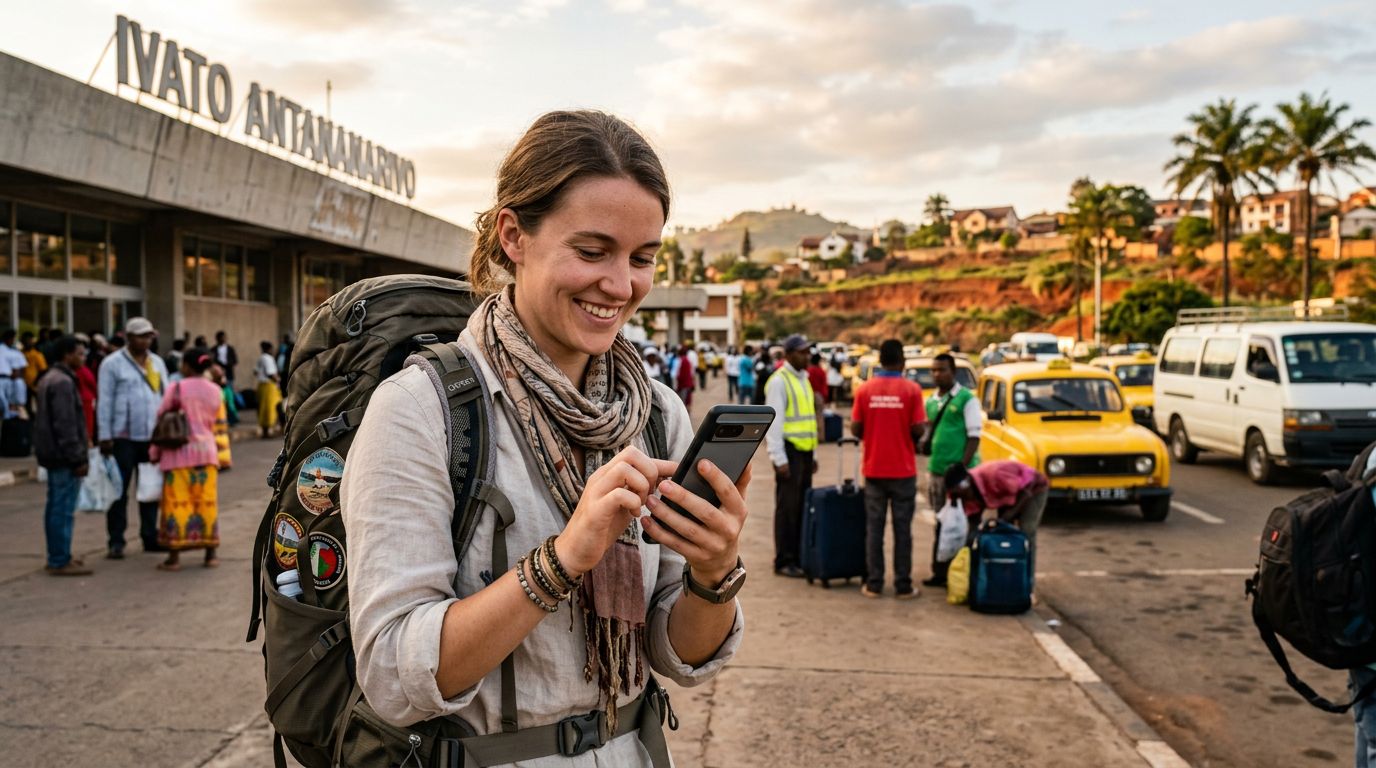
By using a dual SIM device, you keep your home SIM active for calls and SMS, while your secondary eSIM handles your data requirements. This configuration prevents the "connectivity gap" that often occurs when arriving in a new country. Instead of searching for a physical kiosk at the airport or worrying about roaming charges, you can activate your data plan through a provider like OneTapSIM before you even board your flight.
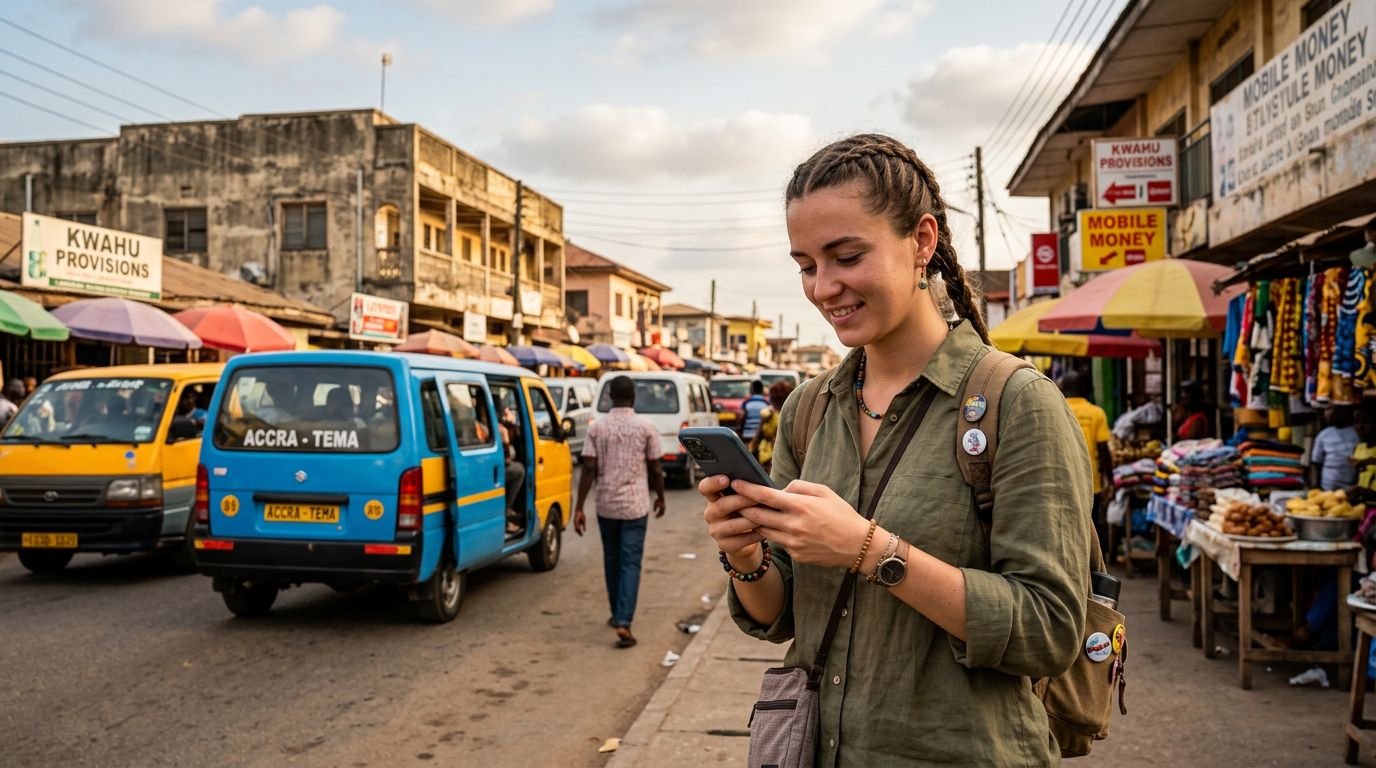
Beyond convenience, this setup offers significant cost efficiency. International roaming packages offered by home carriers are often expensive and restrictive. By utilizing a local or regional data plan on your secondary SIM, you pay for the data you actually need at local rates. You are essentially bypassing the high-cost roaming agreements of your home provider, allowing you to use navigation apps, translation tools, and social media without the anxiety of a massive bill upon your return. Furthermore, managing two lines on one device eliminates the need to carry a second "burner" phone or a bulky mobile hotspot device, keeping your travel gear light and organized.
How to Manage Your Dual SIM Settings
Modern smartphones have made managing two active lines remarkably intuitive. Once you have installed your secondary eSIM, your device settings will allow you to assign specific roles to each SIM. You can choose which line is the default for voice calls, which is used for SMS, and which is dedicated to cellular data.
For travelers, the most important setting is the "Cellular Data" toggle. You should ensure that your secondary eSIM is selected for data, while your home SIM remains active for "Voice and SMS." It is also advisable to disable "Data Roaming" on your home SIM to prevent your phone from accidentally connecting to a foreign network and triggering expensive daily roaming fees. Your device will intelligently handle the switching process, keeping your home line on standby for incoming calls while utilizing the secondary line for high-speed internet.
When you use a service like OneTapSIM, the installation process typically involves scanning a QR code or entering manual details provided after your purchase. Once the eSIM profile is downloaded, it acts just like a physical card. You can toggle it on or off in your phone's settings menu at any time. This is particularly useful if you are visiting multiple countries; you can have several eSIM profiles stored on your device and simply activate the one relevant to your current location.
It is worth noting that not all devices support dual SIM functionality in the same way. Some older models may only support one active eSIM at a time, while newer flagship devices allow for multiple eSIMs to be stored, with two active simultaneously. Before you travel, check your specific device model’s documentation to understand its limitations. Ensuring your phone is carrier-unlocked is also a prerequisite; if your phone is locked to a specific provider, it may restrict your ability to add a secondary line from a different carrier.
By embracing the dual SIM capability of your smartphone, you gain total control over your connectivity. You no longer have to choose between staying reachable on your home number and having affordable, reliable data. Whether you are navigating a new city, checking emails at a cafe, or sharing your travel photos in real-time, a dual SIM cell phone ensures that your digital life remains seamless, regardless of your physical location. Planning ahead with a digital plan from a provider like OneTapSIM allows you to step off the plane with confidence, knowing your connection is already established and ready to go.