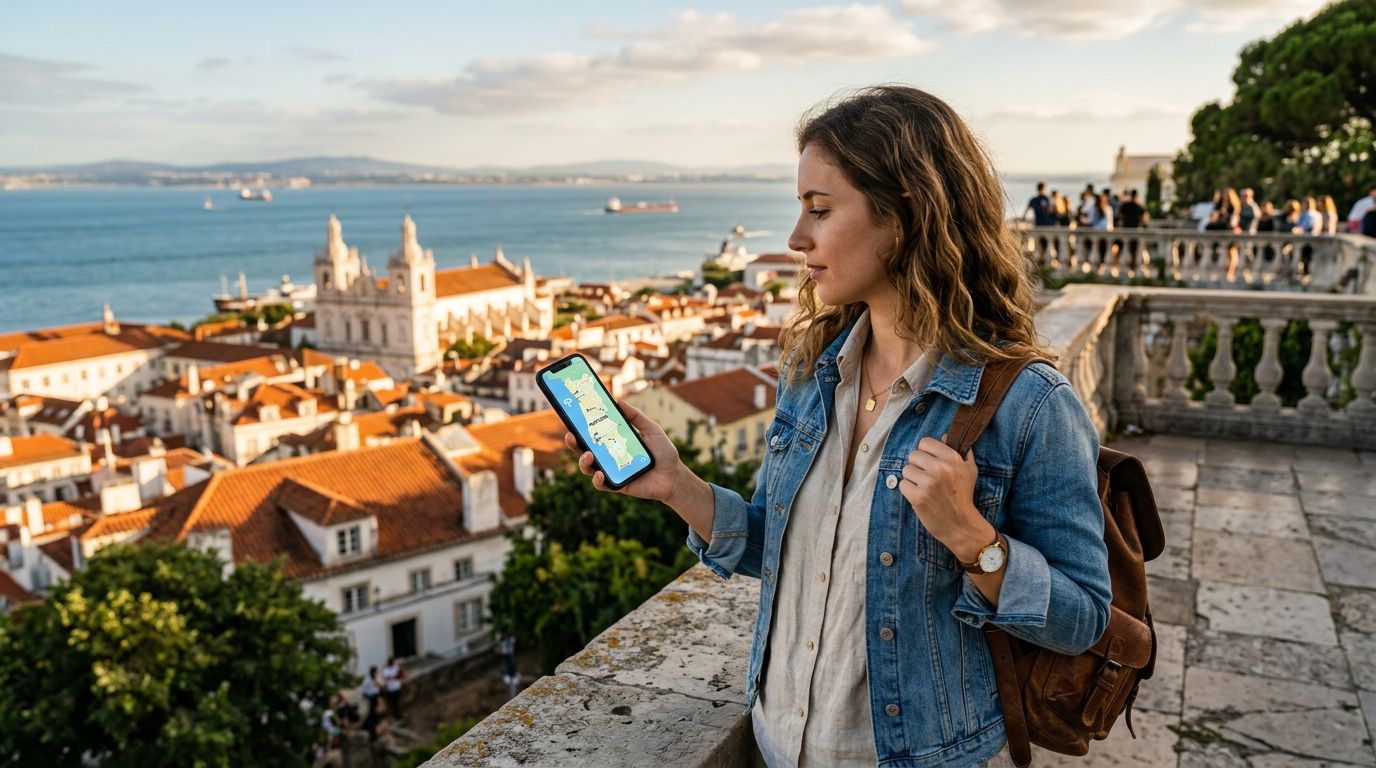
Portugal is a country that demands to be explored, from the historic tiled streets of Lisbon to the rugged, sun-drenched cliffs of the Algarve. When you are traveling through this beautiful landscape, staying connected is essential for finding your way, sharing moments, and keeping in touch with home. For many modern travelers, the most efficient way to manage connectivity is by using dual SIM in Portugal. By leveraging the technology already built into your smartphone, you can maintain your primary phone number while enjoying the benefits of a local data connection.
Why Dual SIM is the Ultimate Travel Strategy
The concept of dual SIM functionality has shifted from a niche feature to a standard expectation for international travelers. In the past, arriving in a new country meant hunting for a physical SIM card kiosk at the airport, dealing with language barriers, and potentially losing your original SIM card in the process. Today, dual SIM technology allows your phone to hold two active profiles simultaneously.
When you arrive in Portugal, your primary SIM card—the one linked to your home bank, family contacts, and work—can remain active for calls and texts if you choose. Simultaneously, you can install an eSIM from a provider like OneTapSIM to handle your mobile data needs. This setup ensures that you never miss an urgent text message from home while you are navigating the streets of Porto or searching for the best local restaurant in Sintra.
The beauty of this configuration lies in the separation of services. You can designate your primary SIM for voice and SMS, while telling your phone’s operating system to use your OneTapSIM eSIM exclusively for cellular data. This prevents accidental roaming charges that often occur when your home carrier attempts to connect to a local network automatically. By taking control of your device settings before you land, you ensure that your connectivity is seamless, predictable, and cost-effective.
How to Set Up Your Device for Seamless Connectivity
Most modern smartphones, including recent models from Apple and Google, support eSIM technology. Before you begin your trip, it is important to ensure your device is unlocked. An unlocked phone is one that is not restricted to a specific carrier’s network. If your phone is locked, it will not accept the digital profile of a secondary provider, which would render the dual SIM approach impossible.
Once you have confirmed your device is unlocked, the process of adding an eSIM is straightforward. You will receive instructions from your provider, such as OneTapSIM, which typically involves scanning a QR code or entering details manually through your phone’s cellular settings menu.
On an iPhone, you would navigate to the Settings app, tap Cellular or Mobile Data, and select "Add eSIM." From there, you can follow the prompts to activate your new plan. Android devices follow a similar path, usually found under Network & Internet settings. Once the eSIM is installed, you will see two signal bars at the top of your screen. This is the visual indicator that your dual SIM setup is active.
The final step is configuring your preferences. You can label your SIMs to keep them organized—for example, naming your home SIM "Primary" and your OneTapSIM plan "Portugal Data." In your settings, you can toggle which SIM is responsible for data. By selecting your travel eSIM for data and keeping your primary SIM for voice, you create a dedicated environment for your trip. This configuration allows you to use GPS, social media, and travel apps without worrying about the data caps or fees associated with your home carrier’s international roaming packages.
Managing Your Data Usage While Exploring Portugal
One of the primary benefits of using dual SIM in Portugal is the ability to monitor and manage your data usage with precision. When you rely on a local-style eSIM, you are essentially purchasing a bucket of data tailored to your travel duration. Because this data is independent of your home contract, you can be much more liberal with your usage. Whether you are uploading high-resolution photos of the Douro Valley or streaming music during a train ride to Lagos, you have the flexibility to do so without the anxiety of a massive bill waiting for you when you return home.
To get the most out of your connectivity, it is helpful to keep an eye on your usage through your phone’s built-in data tracking tools. Both iOS and Android provide detailed breakdowns of which apps are consuming the most data. If you notice a specific app is using an excessive amount of background data, you can restrict its access to your cellular connection, forcing it to wait until you are connected to a hotel or cafe Wi-Fi network.
Additionally, remember that even with a robust data plan, it is good practice to download offline maps for the areas you intend to visit. While your OneTapSIM connection will likely be strong in cities and towns, having offline maps ensures that you have navigation support even if you venture into the remote, mountainous regions of the interior where cellular coverage might fluctuate.
Finally, consider the longevity of your connection. If your trip ends up being longer than expected, or if you decide to extend your stay to visit neighboring Spain, many eSIM providers allow you to manage your plans digitally. This level of control is what makes the dual SIM experience so superior to legacy methods of travel connectivity. You are no longer tethered to the limitations of your home carrier; instead, you are equipped with the tools to stay connected on your own terms, allowing you to focus entirely on the sights, sounds, and flavors of Portugal. By preparing your device in advance and understanding how to manage your dual SIM settings, you turn a potential technical hurdle into a seamless part of your travel routine.