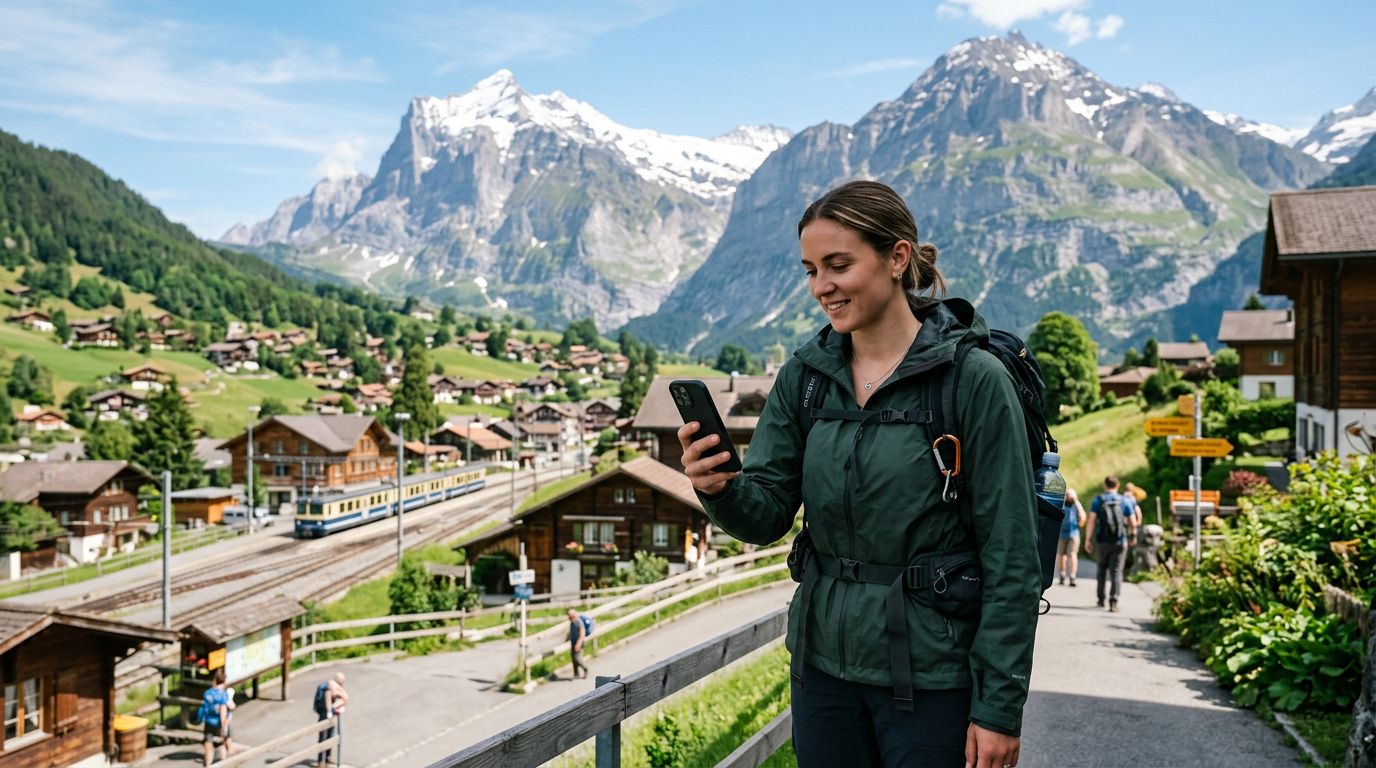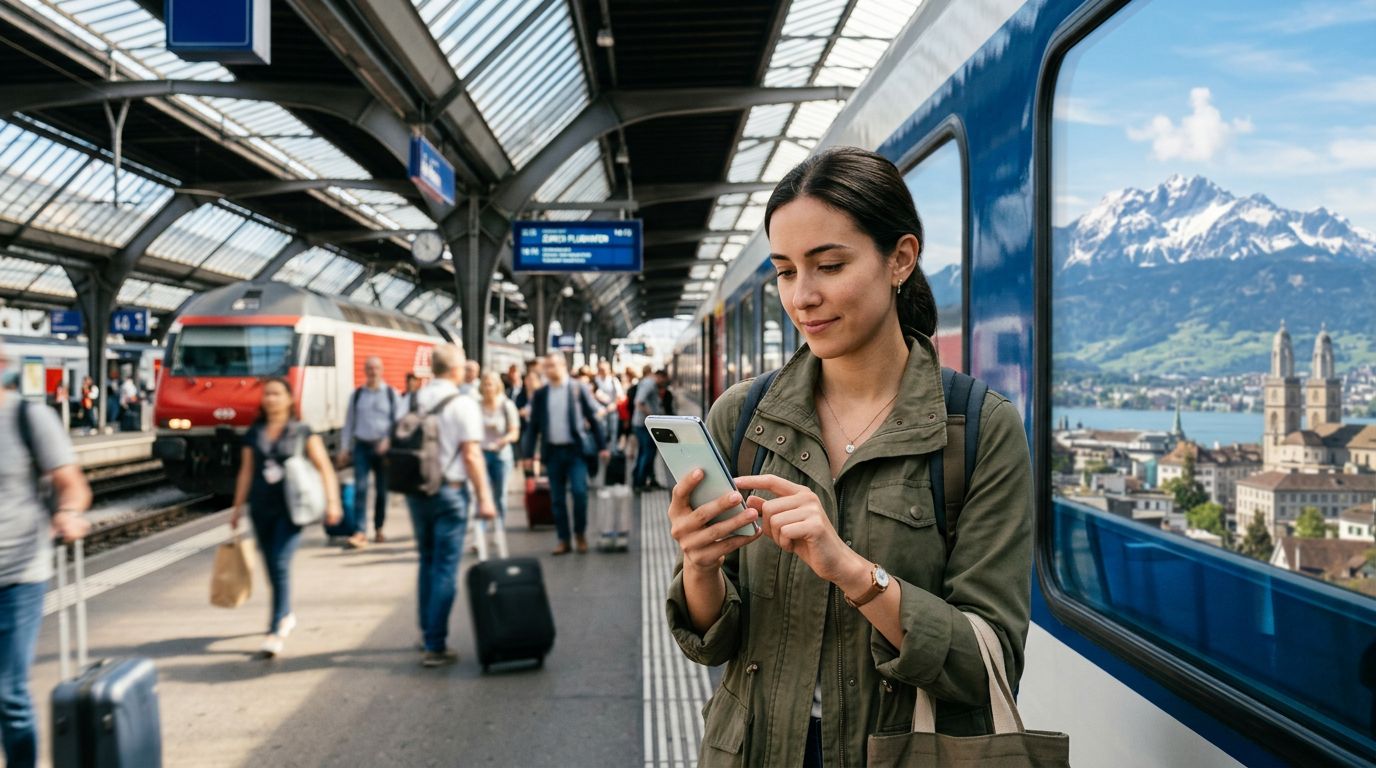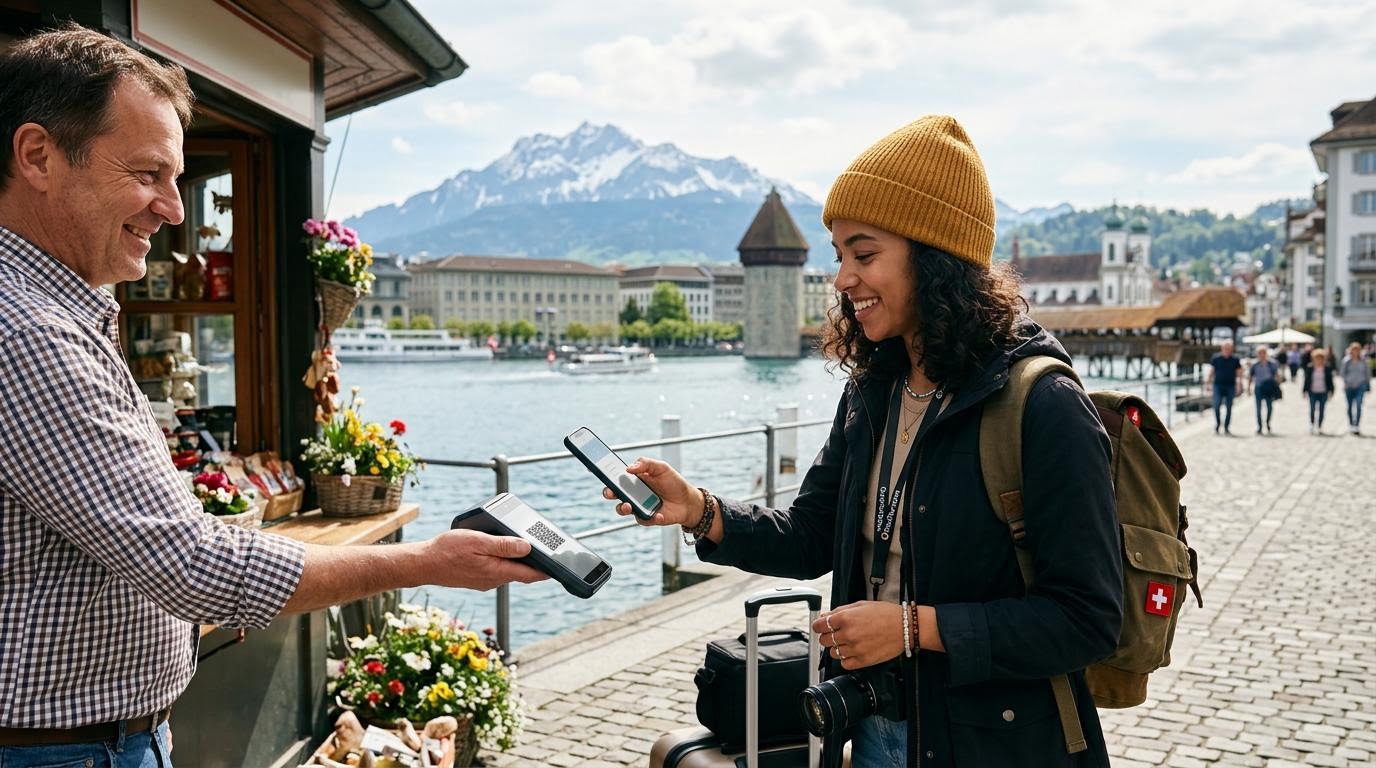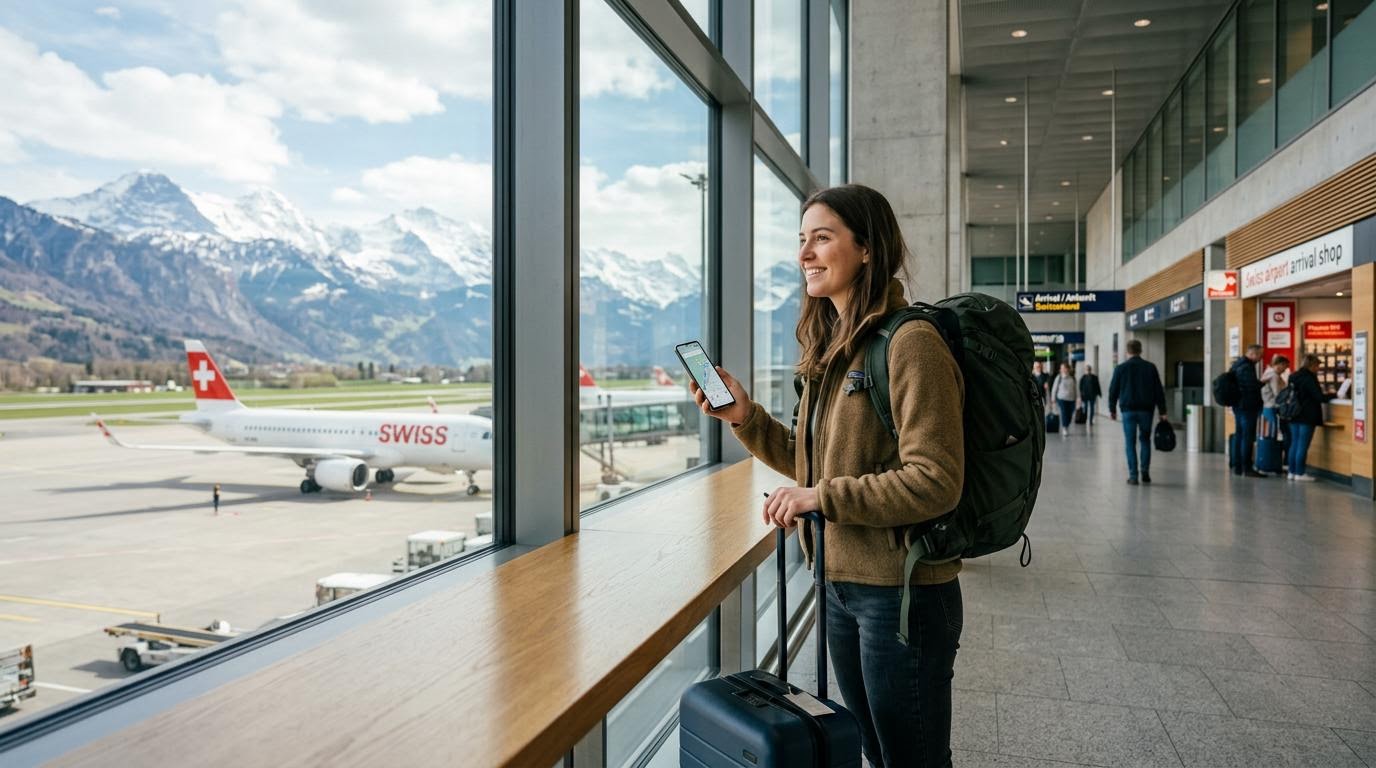
Switzerland is a country defined by its breathtaking landscapes, from the snow-capped peaks of the Alps to the serene shores of Lake Geneva. Whether you are planning a hiking expedition through the Bernese Oberland or a business trip to the financial hubs of Zurich or Geneva, staying connected is essential. For many modern travelers, the most efficient way to manage data while abroad is by using dual SIM for travel in Switzerland.
By leveraging the dual SIM capabilities of your smartphone, you can maintain your home number for urgent calls while simultaneously enjoying high-speed local data. This approach eliminates the stress of searching for public Wi-Fi or worrying about exorbitant roaming charges from your domestic carrier.
Understanding Dual SIM Technology for International Travel
Most modern smartphones manufactured in the last several years are equipped with dual SIM functionality. This feature allows your device to connect to two different mobile networks at the same time. Typically, this is achieved through a combination of a physical SIM card slot and an eSIM (embedded SIM) or, in newer models, two active eSIM profiles.
When you arrive in Switzerland, your home SIM card continues to function for essential tasks, such as receiving two-factor authentication codes for your bank or emergency texts from family. Meanwhile, your secondary SIM—such as a travel eSIM from OneTapSIM—handles your internet needs. Because the secondary SIM provides a local or regional data connection, you benefit from consistent speeds and reliable coverage across the Swiss landscape, even when moving between cantons or traveling through mountain tunnels.
The beauty of this setup is that it is entirely software-driven. You do not need to remove your home SIM card, which minimizes the risk of losing it. Instead, you simply manage your cellular settings through your phone’s menu, choosing which line handles data and which handles voice calls. This flexibility is particularly useful in a country like Switzerland, where terrain can sometimes impact signal strength, and having a reliable data source ensures your maps and translation apps are always functional.
Benefits of Using a Travel eSIM in Switzerland
The primary advantage of using dual SIM for travel in Switzerland is the seamless transition between your home network and a local data provider. Traditional roaming often involves high daily fees or throttled speeds that make it difficult to upload photos, join video calls, or stream music while on the train. A dedicated travel eSIM, like those offered by OneTapSIM, is designed specifically for data-heavy usage.
Beyond the cost-efficiency, there is the matter of convenience. When you land at Zurich Airport or Geneva Airport, you do not need to hunt for a kiosk to purchase a physical prepaid card. You can set up your eSIM before you even leave home. Once you arrive, the device automatically switches to the secondary network, allowing you to check your emails or call a taxi the moment you step off the plane.
Another significant benefit is security. Public Wi-Fi networks in cafes, train stations, and hotels are often unsecured, leaving your personal information vulnerable to data theft. By relying on your own private eSIM data connection, you create a secure tunnel for your internet traffic. This is particularly important for business travelers who need to access corporate servers or sensitive documents while on the move. Furthermore, because the eSIM is digital, it leaves your physical SIM tray open, which is ideal if you are traveling through multiple countries and need to swap physical cards for specific local networks elsewhere.
How to Configure Your Device for Dual SIM Success
Setting up your device for dual SIM usage is a straightforward process, but it requires a basic understanding of your phone’s settings. Before departing, ensure your device is unlocked, meaning it is not restricted to a specific carrier. Most smartphones purchased directly from manufacturers or those that have completed their contract terms are unlocked by default.
To begin, you will typically receive a QR code or an activation code from your eSIM provider. On an iPhone, you would navigate to your cellular settings and select the option to add an eSIM. On an Android device, the process is similar, usually found under the network or SIM card manager section of your settings. Once the eSIM is installed, you can label your plans—for example, labeling your home SIM as "Primary" and your OneTapSIM as "Travel."
The most critical step is configuring your data settings. You should designate your travel eSIM as the "Cellular Data" line. You should also ensure that "Allow Cellular Data Switching" is turned off. This prevents your phone from accidentally reverting to your home carrier’s roaming data if the signal fluctuates, which could result in unexpected charges. By locking your data to the travel eSIM, you ensure that you stay within your prepaid data allotment for the duration of your trip.
If you find that you are running low on data during your stay, most eSIM providers allow you to top up or purchase additional packages directly through their app or website. This modular approach to connectivity means you only pay for what you need, and you are never left without a connection in the middle of the Swiss Alps.
As you prepare for your journey, remember that Switzerland’s infrastructure is highly advanced, and mobile coverage is generally excellent. By taking the time to set up your dual SIM configuration correctly, you turn your smartphone into a powerful travel tool that keeps you connected, secure, and informed. Whether you are navigating the intricate train schedules of the SBB or sharing your favorite mountain vistas on social media, having a dedicated data line ensures your Swiss experience is smooth and uninterrupted.