Understanding the Connectivity Landscape in Singapore
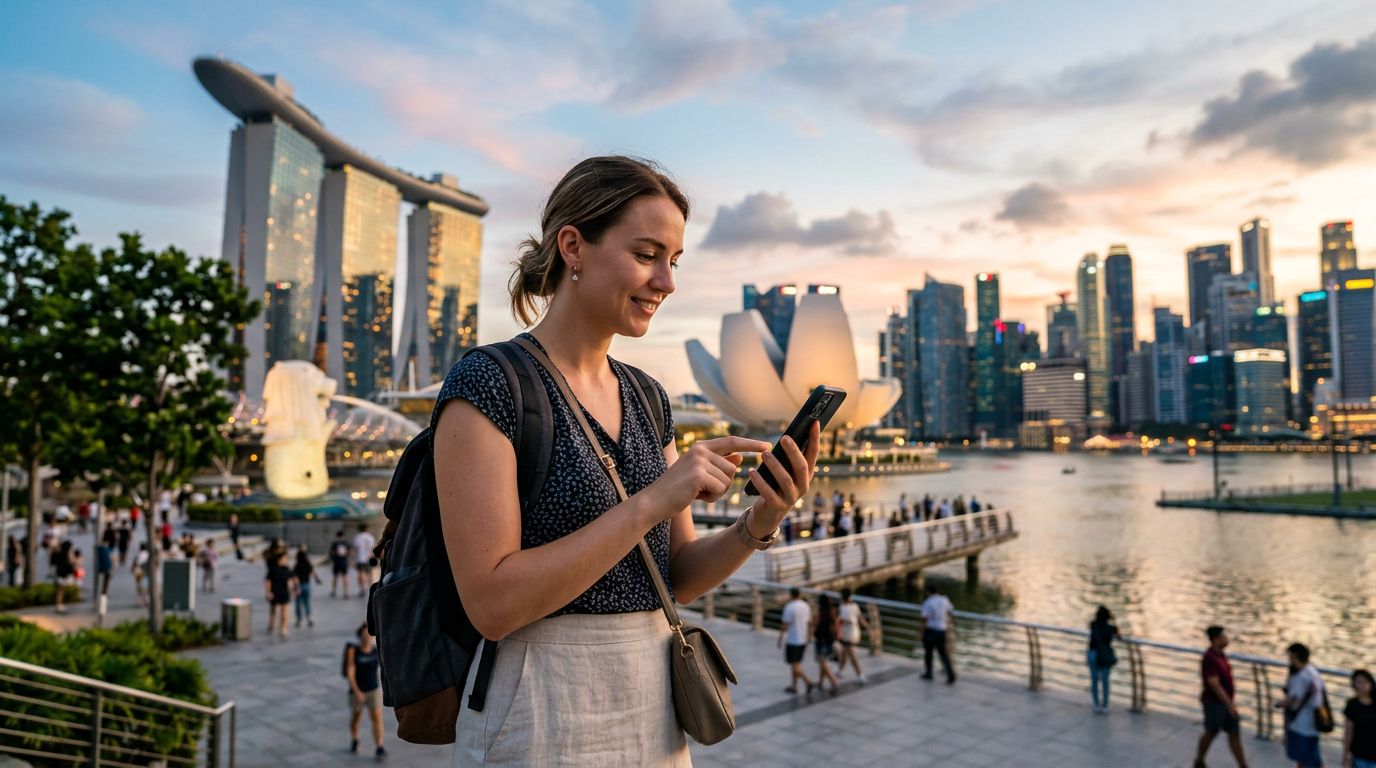
Planning a trip to Singapore involves more than just booking flights and hotels. Staying connected is essential for accessing maps, translation tools, ride-sharing apps, and keeping in touch with friends and family. When you arrive at Changi Airport, you are often met with a variety of connectivity options, primarily split between traditional physical SIM cards and the modern eSIM technology.
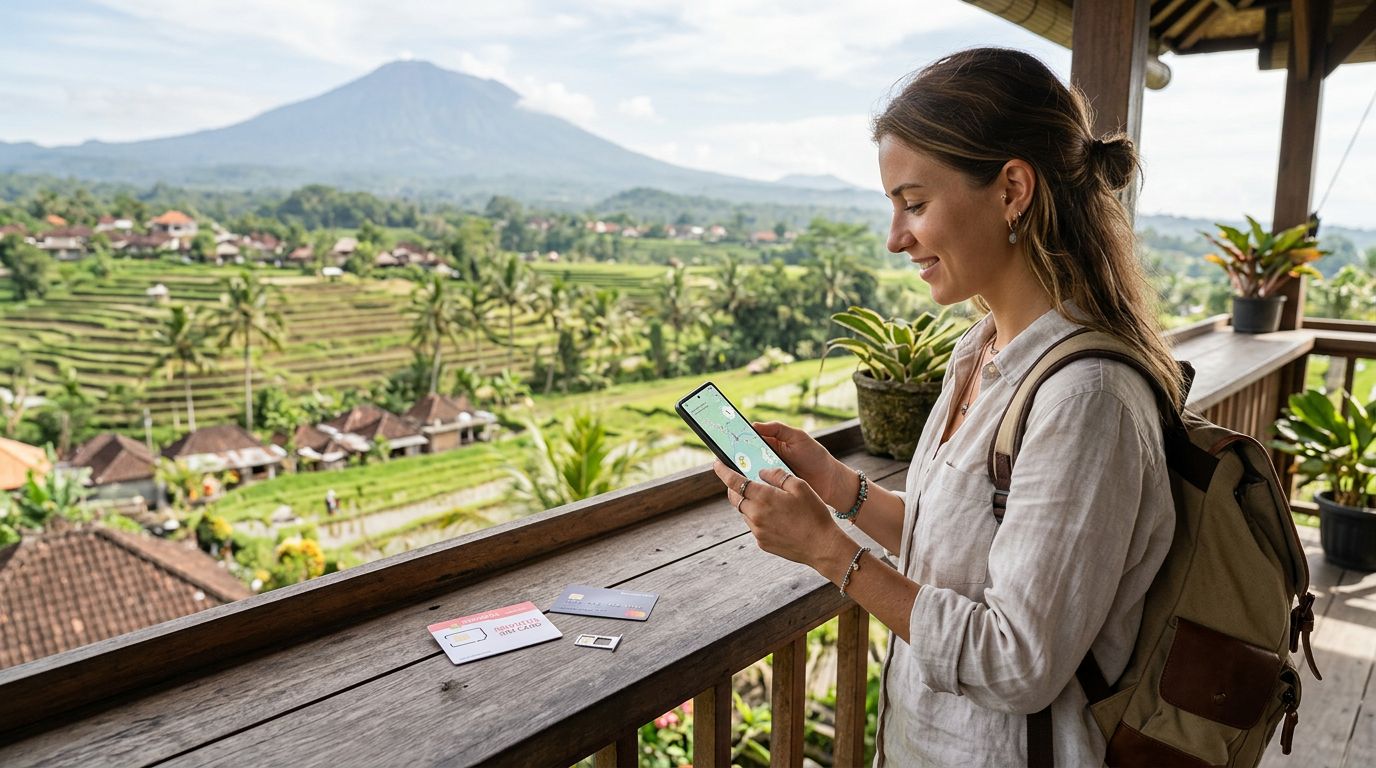
A physical SIM card has been the standard for decades. It is a small plastic chip that you insert into your device’s SIM tray. To use one in Singapore, you typically visit a kiosk at the airport or a convenience store in the city. You present your passport, wait for the registration process to complete, and then physically swap your home SIM card for the local one. While this method is reliable, it requires you to carry a small tool to open your phone tray and keep track of your original SIM card so you do not lose it during your travels.
On the other hand, an eSIM is a digital version of a SIM card. It is embedded directly into the hardware of modern smartphones. Instead of visiting a physical store, you download a profile to your device, which activates your cellular service instantly. This shift in technology has changed how travelers approach international roaming. Because you do not need to interact with a physical card, the process is streamlined, allowing you to stay connected the moment your plane touches down on the runway.
Comparing Convenience and Practicality
When you compare a Singapore SIM card vs eSIM, the most significant difference lies in the setup process. With a physical SIM, you are tethered to the operating hours of airport kiosks or retail shops. If your flight arrives late at night, you might find yourself waiting until the morning to get connected. Furthermore, you must handle the physical card carefully. If you have ever fumbled with a tiny piece of plastic while standing in a crowded airport terminal, you know how easy it is to drop or misplace it.
eSIMs remove these logistical hurdles. With a service like OneTapSIM, you can purchase and set up your connection before you even leave your home country. Once you land in Singapore, you simply switch your data settings to the eSIM profile, and you are ready to go. This eliminates the need to stand in long queues at airport counters or deal with language barriers during the registration process.
Another practical advantage of the eSIM is the ability to keep your home number active. Many travelers rely on their home SIM for receiving important text messages, such as two-factor authentication codes for banking or flight updates. With a physical SIM, you have to remove your home card, meaning you lose access to those messages. With an eSIM, most modern smartphones allow you to keep your primary SIM active for calls and texts while using the eSIM specifically for mobile data. This dual-SIM functionality provides the best of both worlds, ensuring you are reachable on your home number while enjoying high-speed local data.
Performance and Compatibility Considerations
While the convenience of an eSIM is clear, it is important to ensure your device is compatible before you travel. Most smartphones released in the last few years support eSIM technology, but it is always wise to check your device settings or the manufacturer's support pages to confirm. If your phone is locked to a specific carrier, you may need to contact your home provider to have it unlocked before you can add an international eSIM profile.
In terms of network performance, there is no functional difference between a physical SIM and an eSIM. Both connect to the same local cellular towers in Singapore. Whether you are browsing the web at the Gardens by the Bay or streaming music on the MRT, the speed and reliability of your connection depend on the local network provider, not the type of SIM you use.
OneTapSIM focuses on providing a seamless experience by partnering with reliable local networks. This ensures that you get the same high-quality coverage that a local resident would experience, without the hassle of managing physical hardware. Because the eSIM is software-based, it is also more secure. There is no risk of the card being damaged by moisture or heat, and because it is tied to your device, it cannot be easily removed or stolen like a physical card.
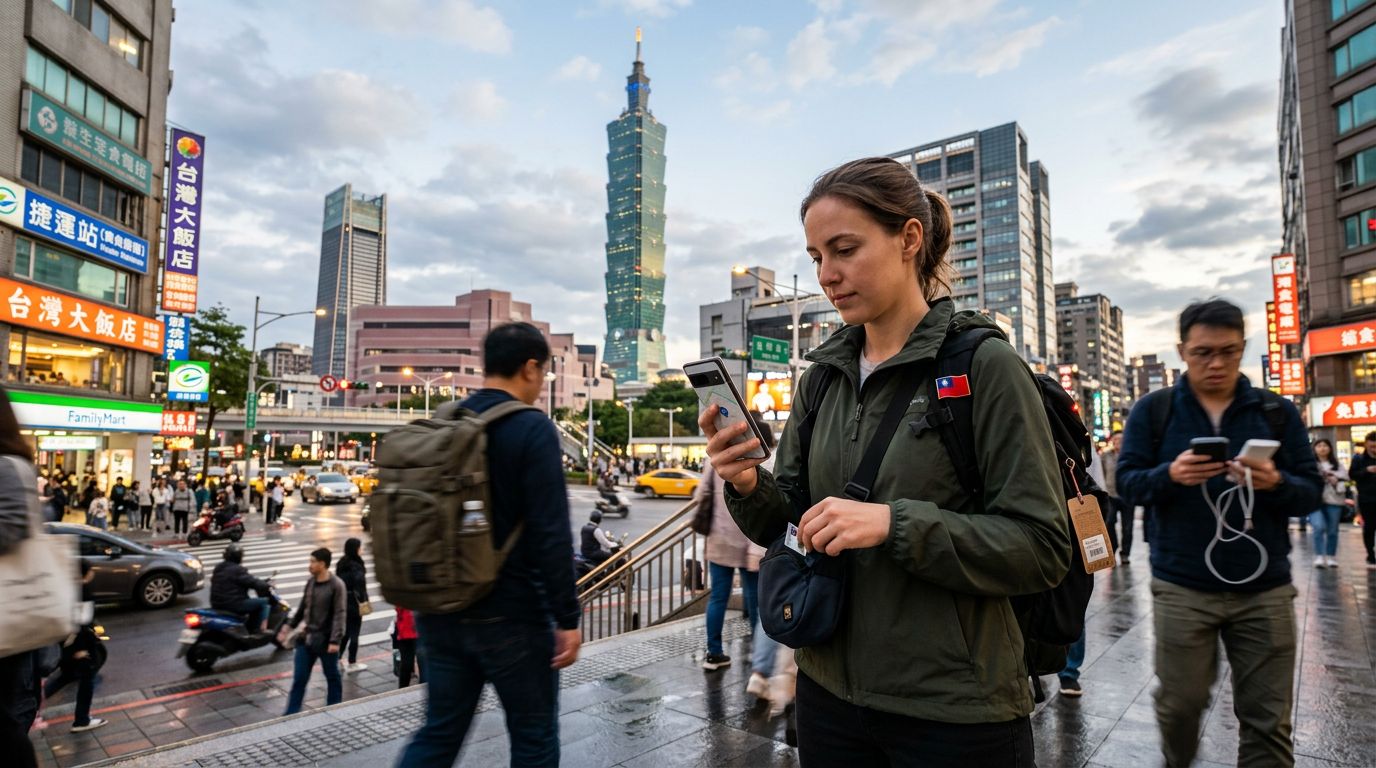
For travelers visiting multiple countries, the eSIM offers an even greater advantage. You can store multiple eSIM profiles on your device and switch between them as you cross borders. If your trip includes a stop in Malaysia or Indonesia after Singapore, you can simply activate a new profile for that country without needing to hunt for a new physical SIM card at every destination. This flexibility makes the eSIM an ideal choice for modern travelers who prioritize efficiency and ease of use.
Ultimately, the choice between a traditional SIM card and an eSIM comes down to your personal preference for technology and your desire for a stress-free arrival. If you prefer the tactile nature of a physical card and do not mind the extra steps at the airport, a local SIM will certainly get the job done. However, if you want to land in Singapore and immediately start navigating the city without any downtime, an eSIM is the superior option. By choosing a digital solution, you save time, reduce the risk of losing your home SIM, and maintain a consistent connection throughout your entire journey.
eSIM holen für
Tarife für die Reiseziele aus diesem Ratgeber, sofort per QR-Code.