Understanding the Connectivity Landscape in Bali
Bali is a destination that balances lush jungles, vibrant beach clubs, and remote cultural sites. Whether you are planning to navigate the winding roads of Ubud, share sunset photos from Uluwatu, or coordinate with your villa host, staying connected is essential. For many travelers, the primary dilemma is choosing between traditional international roaming and modern eSIM technology.
International roaming is the default option for most mobile subscribers. It involves using your home carrier’s network while abroad. When you land at Ngurah Rai International Airport, your phone automatically searches for a partner network in Indonesia. While this is undeniably convenient because it requires no setup, it often comes with significant drawbacks. Many home carriers impose strict data caps, throttle speeds after a certain usage threshold, or apply complex billing structures that can lead to unexpected charges upon your return.
On the other hand, an eSIM—or embedded SIM—is a digital version of a physical SIM card. It is built directly into the hardware of modern smartphones. Instead of swapping out a tiny plastic chip, you simply download a digital profile that connects you to a local network. This technology has shifted how travelers manage their connectivity, allowing for a more flexible and transparent experience. When comparing roaming vs eSIM for Bali vacation planning, the primary difference lies in control, cost transparency, and network reliability.
The Pros and Cons of Traditional Roaming
The main appeal of roaming is its simplicity. You do not need to change any settings or install new applications before you leave home. Your phone number remains active, meaning you can receive SMS verification codes for banking or travel apps without any extra steps. For short trips where you only need to check emails occasionally, this "set it and forget it" approach can seem attractive.
However, the reality of roaming in Bali often falls short of expectations. Many home carriers do not have direct infrastructure in Indonesia, meaning they rely on secondary roaming agreements. This can result in inconsistent signal strength, particularly if you are moving between the mountains of Kintamani and the coastal areas of Canggu. Furthermore, because your data is being routed back through your home country’s servers, you may experience higher latency. This makes video calls, navigation apps, and real-time social media updates feel sluggish.
Another significant issue is the lack of visibility. When you roam, you are often at the mercy of your carrier's international policies. If you accidentally exceed your data limit, the costs can escalate quickly. There is also the risk of "background data drain," where apps on your phone update automatically, consuming your limited roaming allowance without your knowledge. For a traveler who wants to enjoy Bali without the anxiety of a massive bill, relying solely on a home carrier can be a source of unnecessary stress.
Why eSIMs are the Preferred Choice for Bali Travelers
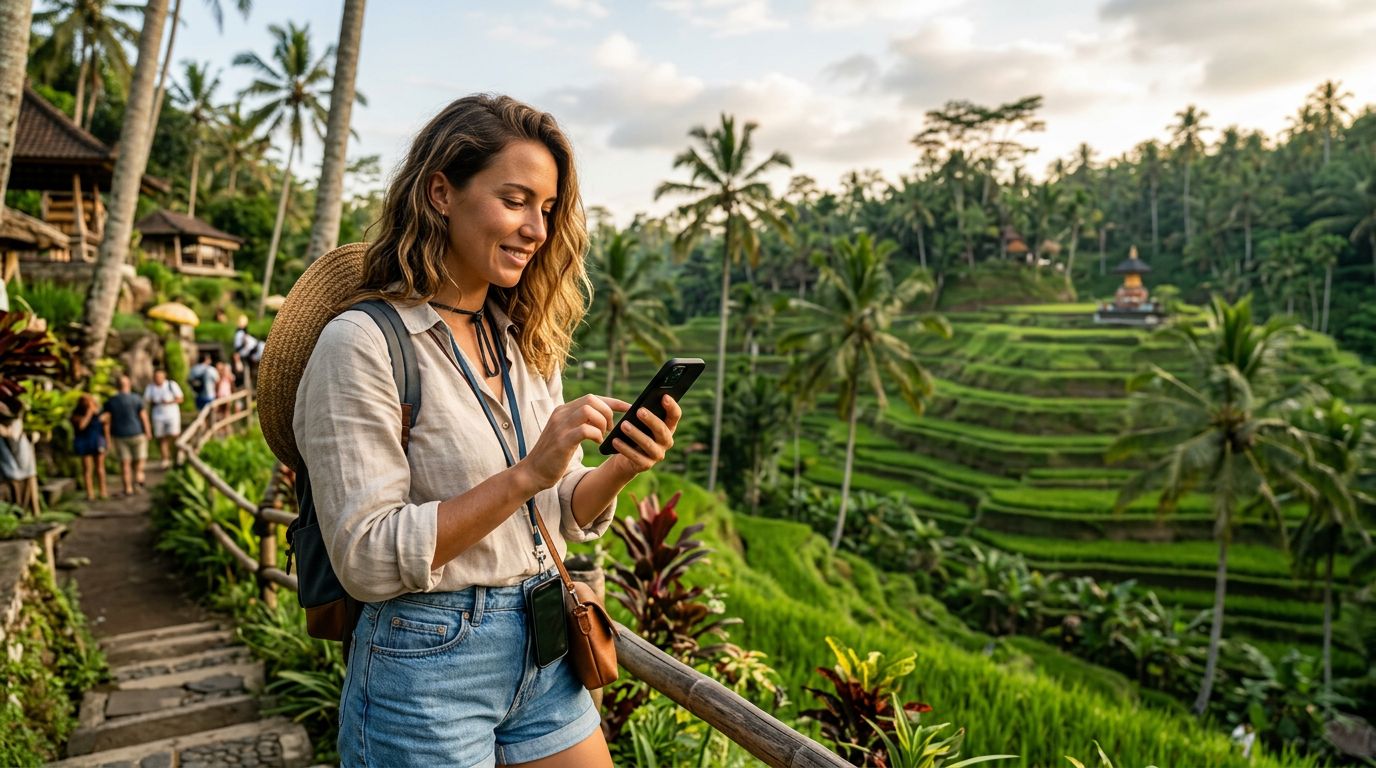
The rise of eSIM providers like OneTapSIM has transformed the travel experience for those visiting Indonesia. By opting for an eSIM, you are essentially choosing to connect like a local. Because these digital SIMs connect directly to local Indonesian towers, you benefit from the same network performance as residents. This translates to faster upload speeds for your travel content and more reliable GPS tracking when you are exploring remote waterfalls or hidden beaches.
One of the greatest advantages of using a service like OneTapSIM is the ability to manage your data usage through a dedicated interface. You can track exactly how much data you have consumed, ensuring that you never run out of connectivity at a critical moment. If you find yourself using more data than expected—perhaps because you are uploading high-resolution videos of your trip—you can often top up your plan instantly. This level of autonomy is simply not possible with traditional roaming, where you are often locked into a rigid plan chosen by your home provider.
Installation is also remarkably straightforward. Most modern devices support eSIM technology, and the setup process typically involves scanning a QR code or entering a set of activation details provided by the service. Once the profile is installed, you can toggle between your home SIM and your travel eSIM with a few taps in your phone’s settings. This allows you to keep your primary number active for important calls or texts while using the eSIM exclusively for data.
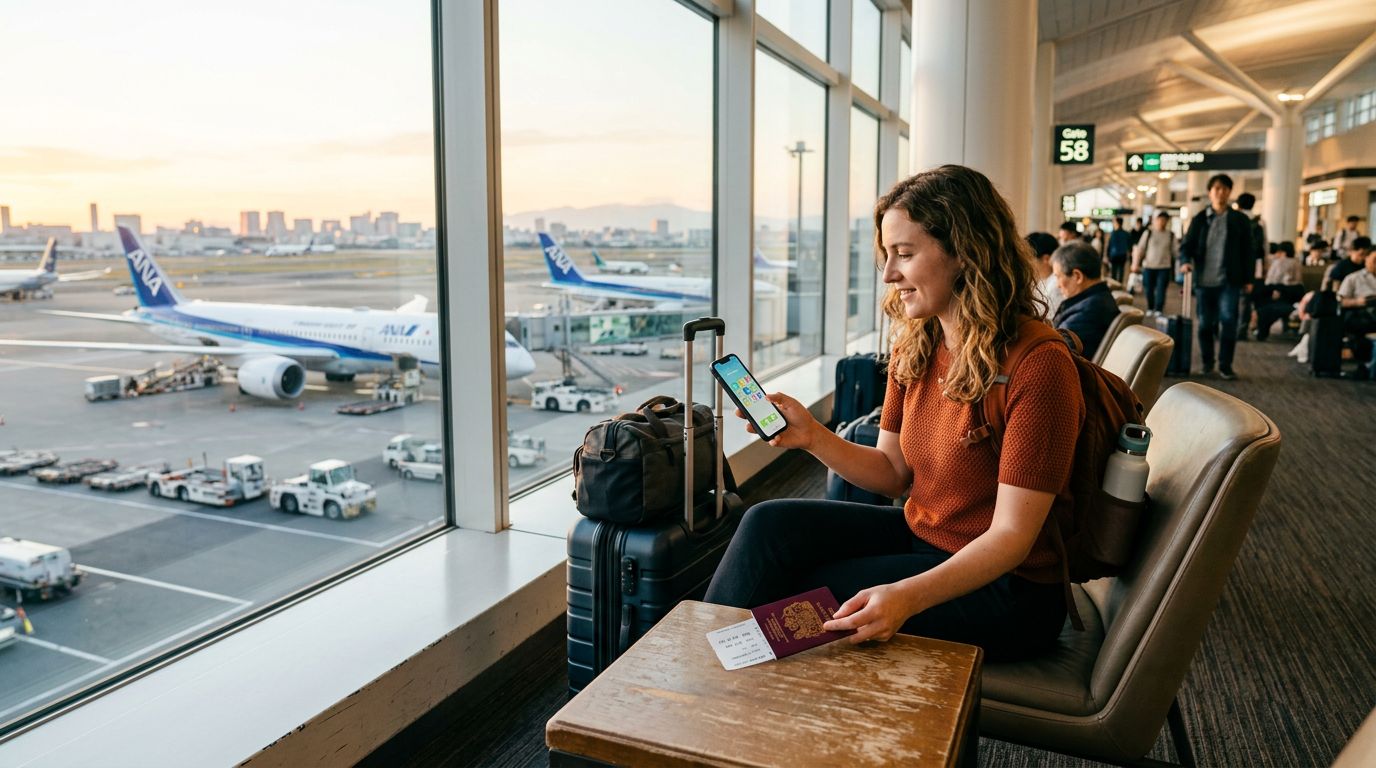
Furthermore, an eSIM allows you to prepare for your trip before you even board the plane. You can purchase and install your data plan from the comfort of your home. As soon as your wheels touch the tarmac in Bali, you can activate your connection and start using maps or messaging apps immediately. This eliminates the need to hunt for a physical SIM card kiosk at the airport, where lines can be long and the terms of service are often confusing or written in a language you may not fully understand.
Ultimately, the choice comes down to how much you value reliability and peace of mind. While roaming might offer a familiar experience, the efficiency, speed, and cost-effectiveness of an eSIM make it the superior choice for a modern Bali vacation. By taking control of your connectivity, you can focus on what truly matters: enjoying the unique culture, landscapes, and experiences that make Bali one of the most popular travel destinations in the world. Whether you are a digital nomad working from a cafe in Seminyak or a vacationer island-hopping to the Gili Islands, having a dedicated data solution ensures you stay connected exactly when you need to.