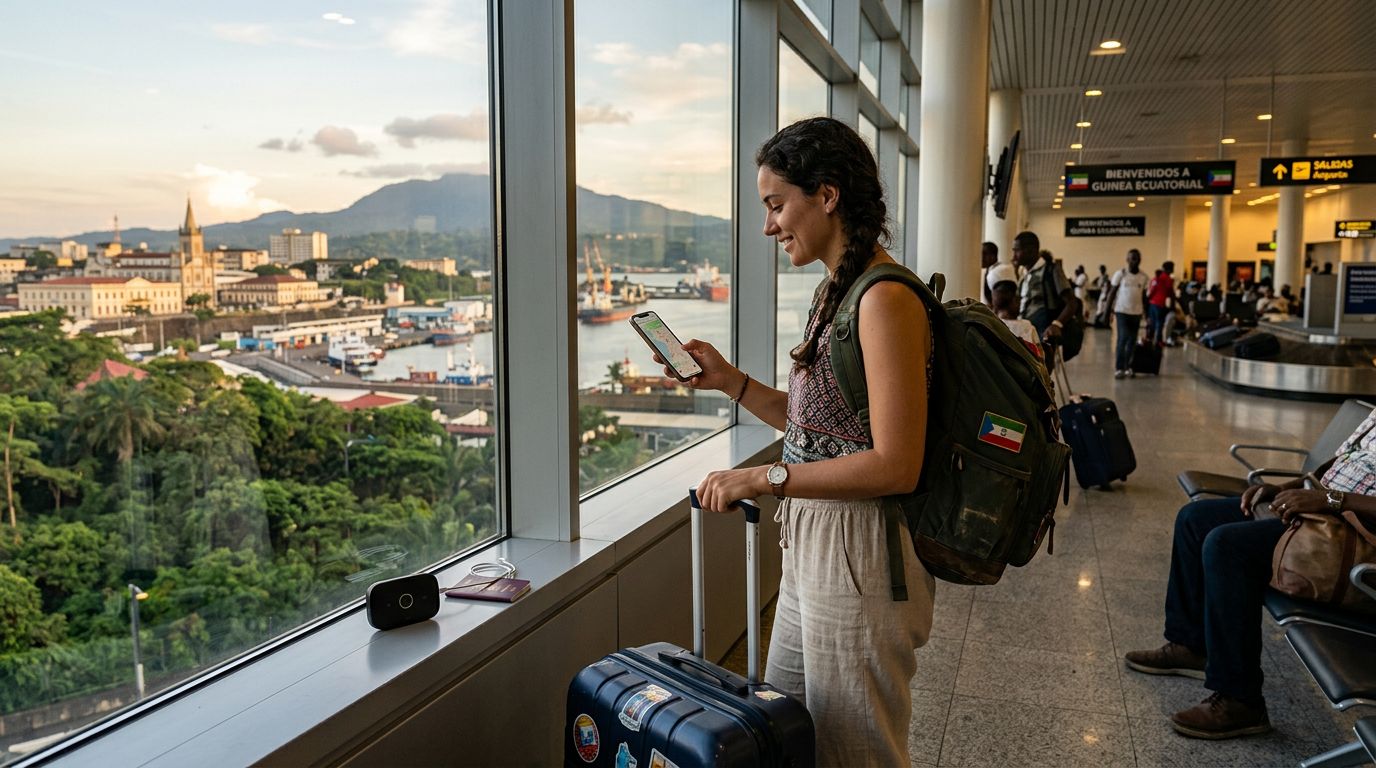
Understanding Your Connectivity Options in Thailand
Thailand is a destination that demands constant connectivity. Whether you are navigating the bustling streets of Bangkok, searching for the best street food stalls in Chiang Mai, or mapping out a ferry route to the islands in the south, having a reliable internet connection is essential. When planning your trip, you will inevitably compare the two most popular methods for staying online: pocket WiFi devices and eSIM technology. Each option serves a different type of traveler, and choosing the right one can significantly impact the convenience and enjoyment of your journey.
A pocket WiFi device is a portable router that creates a personal hotspot. You carry the device with you, connect your phone or laptop to its network, and use its data signal to browse the web. On the other hand, an eSIM is a digital SIM card that is embedded directly into your smartphone. Instead of swapping out a physical chip, you activate a data plan through your phone’s settings, allowing your device to connect to local cellular networks just as if you had a local SIM card installed.
When weighing pocket WiFi vs eSIM for Thailand, consider your travel style. If you are traveling in a large group or with a family that needs to connect multiple laptops and tablets, a pocket WiFi device can be a centralized solution. However, for solo travelers, couples, or anyone who values a lightweight bag and seamless transitions, the eSIM is increasingly becoming the industry standard.
The Practical Advantages of Choosing an eSIM
The primary benefit of using an eSIM is the sheer convenience of the experience. With a traditional pocket WiFi, you are tethered to a physical piece of hardware. This means you have to pick up the device upon arrival, keep it charged throughout the day, ensure it is within your reach at all times, and return it before you leave the country. If you lose the device or run out of battery, you lose your internet access entirely.
By contrast, an eSIM like those offered by OneTapSIM integrates directly into your existing hardware. Because the technology resides within your phone, you never have to worry about carrying an extra gadget or managing a secondary battery. You can activate your plan before you even board your flight, meaning you are connected the moment your plane touches down at Suvarnabhumi or Don Mueang Airport. This eliminates the need to stand in long queues at airport kiosks to rent equipment or purchase physical SIM cards.
Furthermore, eSIMs are inherently more secure and reliable. A pocket WiFi device is a separate piece of electronics that is susceptible to damage, theft, or technical failure. With an eSIM, you are using the cellular antenna already built into your smartphone. This provides a more stable connection and reduces the amount of equipment you need to track. For those who prioritize a clutter-free travel experience, the ability to manage your connectivity entirely through your phone’s settings is a major upgrade.
Evaluating the Pocket WiFi Experience
While eSIMs offer modern convenience, pocket WiFi devices have been the standard for international travel for many years. Their main strength lies in their ability to act as a shared hub. If you are traveling as a group of four or five people, one pocket WiFi device can provide data for everyone. This can be a cost-effective way to ensure that everyone in the group has access to maps and messaging apps without needing to purchase individual plans for every device.
However, this shared connectivity comes with significant limitations. The group must stay within a close range of the person carrying the device. If one person wanders off to explore a shop or visit a different area of a tourist site, they are immediately disconnected. Additionally, pocket WiFi devices require constant vigilance regarding battery life. You must carry a power bank to ensure the device stays charged, which adds unnecessary weight to your daypack.
There is also the logistical hurdle of the rental process. You are responsible for the physical hardware from the moment you receive it until you drop it off. If the device is damaged, lost, or stolen, you are often held liable for the replacement costs. For many travelers, the anxiety of managing this hardware outweighs the benefit of having a shared hotspot. When comparing pocket WiFi vs eSIM for Thailand, most modern travelers find that the independence provided by an individual eSIM outweighs the group-sharing capability of a physical router.
Making the Final Decision for Your Trip
As you finalize your plans for Thailand, think about how you intend to use your phone. If you are a digital nomad who needs to connect multiple devices simultaneously, a pocket WiFi might still have a role to play. However, for the vast majority of tourists, the eSIM is the superior choice. It allows you to maintain your primary phone number for calls and texts while using the eSIM data for your internet needs.
The installation process for an eSIM is straightforward. Once you purchase your plan, you receive a QR code or an activation link. You simply follow the prompts in your phone's cellular settings to add the new data plan. Because OneTapSIM is designed to be user-friendly, the setup process is designed to be quick and intuitive, ensuring you spend less time configuring settings and more time enjoying the vibrant culture of Thailand.
Another factor to consider is the coverage. Thailand has excellent cellular infrastructure, and both major travel solutions rely on the same local networks. Whether you choose a pocket WiFi or an eSIM, you will generally have access to high-speed data in urban centers and major tourist hubs. The difference lies in the delivery of that service. An eSIM provides a seamless, invisible connection that works in the background, whereas a pocket WiFi requires active management.
Ultimately, the choice between pocket WiFi vs eSIM for Thailand comes down to your preference for convenience versus hardware-based sharing. If you want a lightweight, reliable, and hassle-free way to stay connected, the eSIM is the modern solution that fits perfectly into your travel routine. By opting for an eSIM, you remove the burden of managing extra equipment and allow yourself to focus on what really matters: exploring the temples, beaches, and markets of Thailand with total peace of mind.