Traveling to Papua New Guinea is an adventure like no other. From the rugged peaks of the Highlands to the pristine coral reefs of the Bismarck Sea, the country offers breathtaking landscapes and rich cultural experiences. However, staying connected in such a remote and diverse geography requires careful planning. Whether you are trekking the Kokoda Track or visiting the vibrant markets of Port Moresby, having a reliable way to communicate and access maps is essential. When deciding between a traditional physical SIM card and a modern eSIM, understanding the trade-offs is key to a stress-free journey.
Understanding the Differences Between Physical SIMs and eSIMs
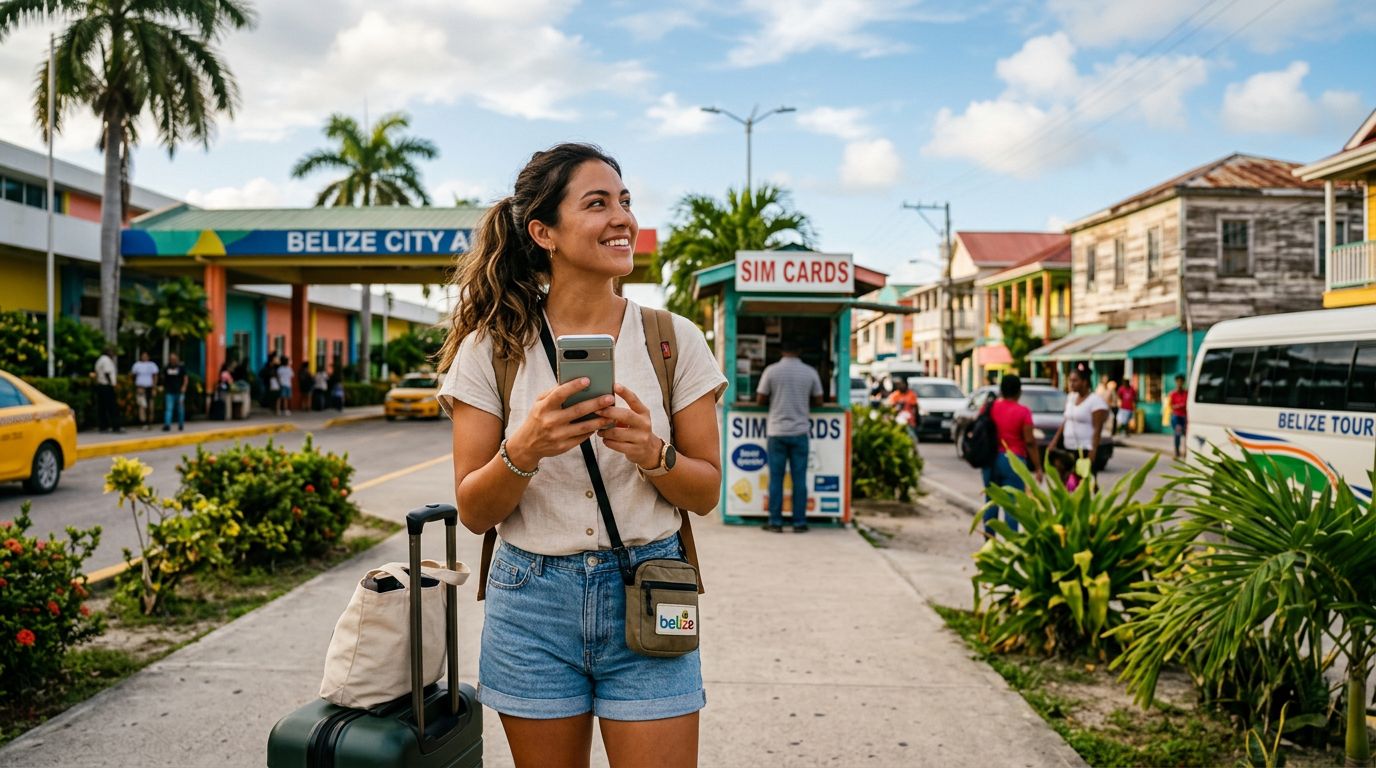
A physical SIM card is the traditional plastic chip that has been the standard for mobile connectivity for decades. To use one in Papua New Guinea, you typically need to visit a local mobile provider’s kiosk or retail store upon arrival. This involves presenting your passport, filling out registration forms, and manually swapping the tiny card into your phone’s SIM tray. For many travelers, this process is familiar, but it can be time-consuming, especially after a long flight when you just want to reach your accommodation.
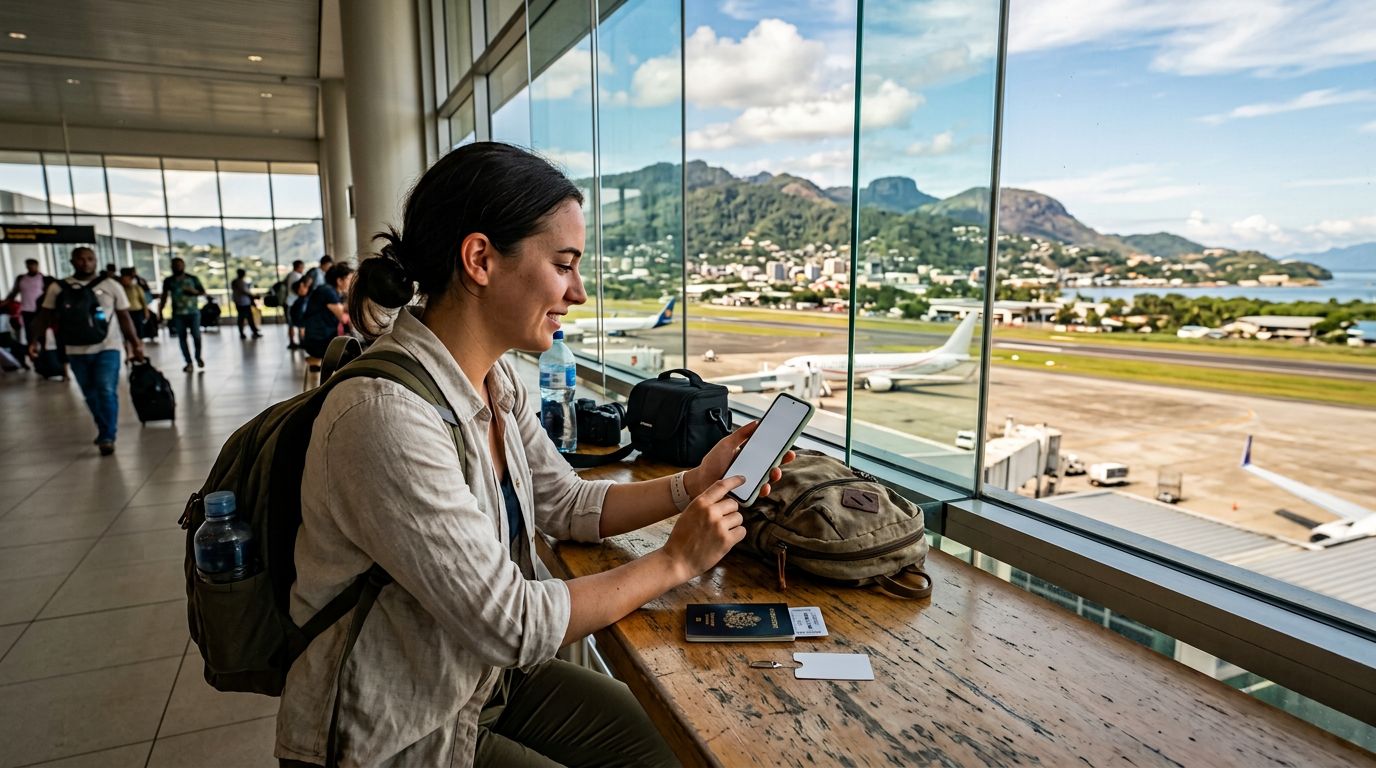
An eSIM, or embedded SIM, is a digital alternative. It is a small chip built directly into the hardware of your smartphone. Instead of physically inserting a card, you activate your mobile service by scanning a QR code or downloading a profile via an application. Because the technology is software-based, you can purchase and activate your connectivity before you even leave your home country. This eliminates the need to hunt for a store or fumble with tiny plastic cards and ejector tools while standing in a busy airport terminal.
When comparing a Papua New Guinea SIM card vs eSIM, the primary distinction is convenience. An eSIM allows you to maintain your home number for calls or texts while using a secondary data plan for local internet access. This dual-SIM capability is a significant advantage for travelers who need to stay reachable for work or family emergencies while exploring remote regions.
The Practicalities of Connectivity in Papua New Guinea
Papua New Guinea presents unique challenges for mobile network coverage. The terrain is incredibly mountainous and densely forested, which can impact signal strength in rural areas. While major urban centers like Port Moresby, Lae, and Mount Hagen have relatively robust networks, connectivity can become intermittent as you travel further into the interior or toward the outer islands.
When you choose a traditional local SIM card, you are restricted to the coverage and service terms of the specific provider you select at the airport. You are also subject to local registration laws, which may require you to provide specific identification documents. If you encounter technical issues with the local SIM, you often have to return to a service center, which might not be feasible if you have already departed for a remote lodge or a trekking expedition.
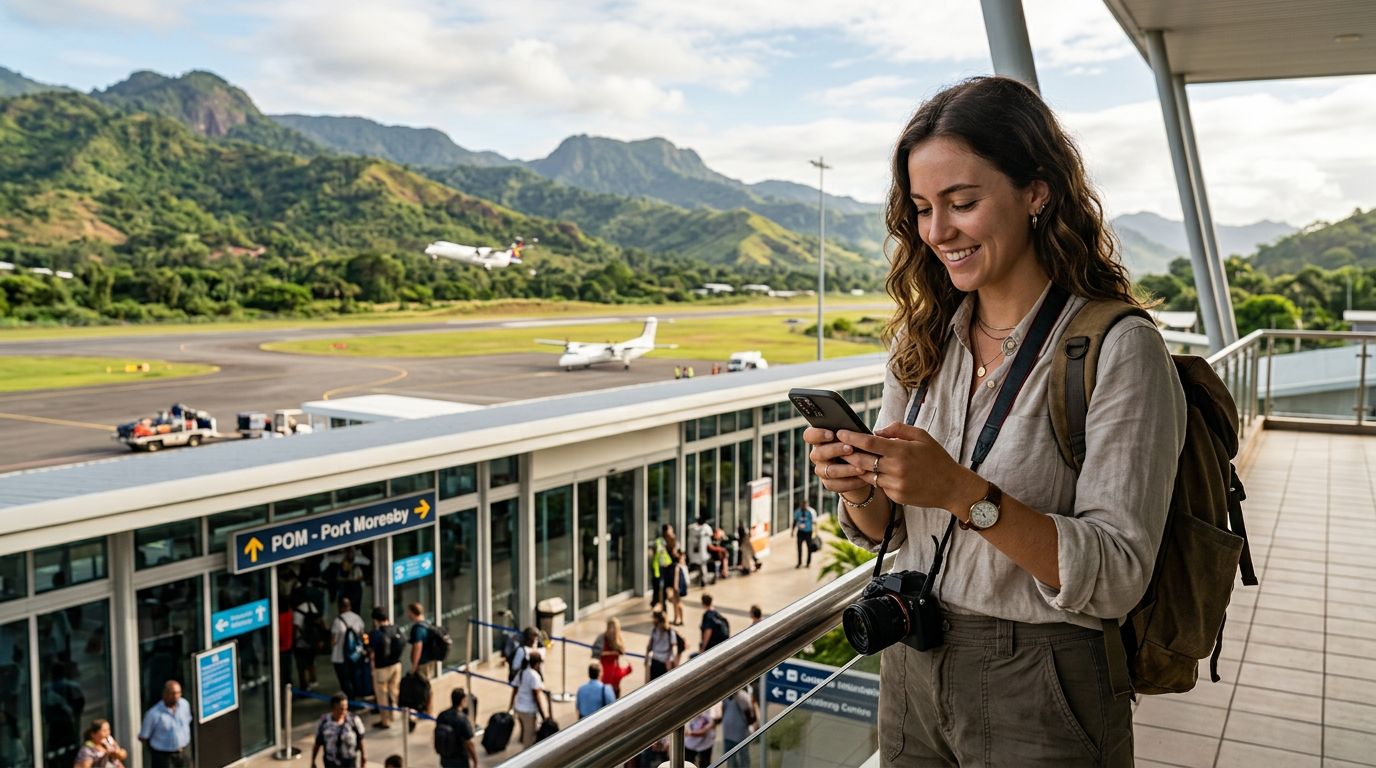
Using an eSIM through a service like OneTapSIM offers a different experience. Because these services often partner with multiple local carriers, they can provide a more seamless transition between networks. If you find yourself in a location where one provider has a weak signal, the digital nature of the eSIM often allows for more flexibility in how you manage your data. Furthermore, because you set up the eSIM before you arrive, you have the peace of mind of being connected the moment your plane touches down on the tarmac. You can immediately access ride-sharing apps, look up directions to your hotel, or message your hosts without needing to find a local shop.
Making the Right Choice for Your Travel Needs
Deciding between a physical SIM and an eSIM depends largely on your device compatibility and your personal comfort with technology. First, verify that your smartphone is unlocked and supports eSIM technology. Most modern flagship devices from major manufacturers are compatible, but it is always wise to check your device settings or consult the official support pages of your phone manufacturer to confirm.
If you are a traveler who prefers a "set it and forget it" approach, the eSIM is the superior choice. By configuring your connection from home, you avoid the potential language barriers and queues at local kiosks. It is an environmentally friendly option as well, as it removes the need for plastic cards and paper packaging. For those who enjoy the hands-on experience of interacting with local vendors, a physical SIM card might feel more traditional, but it comes with the risk of losing your original SIM card during the swap.
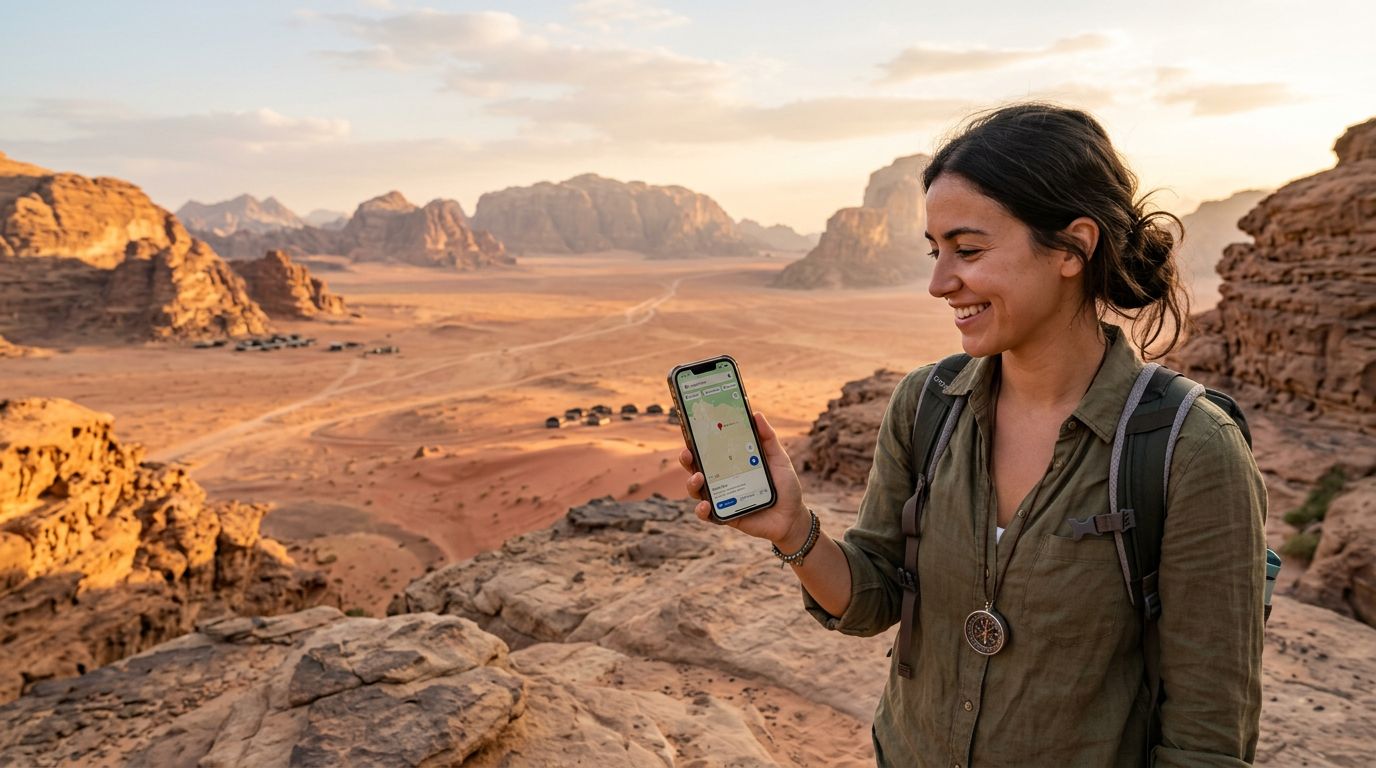
Reliability is the most important factor when traveling in a country as vast as Papua New Guinea. Whether you choose a local physical SIM or a digital eSIM, remember that signal strength will vary based on your location. Always download offline maps and essential travel documents before moving away from major population centers.
If you opt for an eSIM, you will find that the process of managing your data is straightforward. You can monitor your usage through your phone’s settings, ensuring you do not run out of data at a critical moment. If you are planning an extended trip, you can even top up your data plan remotely if your provider supports it, saving you from having to visit a store during your vacation.
Ultimately, the choice of a Papua New Guinea SIM card vs eSIM comes down to how much you value your time and convenience. While both methods will eventually get you connected, the digital route provided by OneTapSIM is designed to minimize the friction of international travel. By choosing the technology that best fits your itinerary and device, you can focus on the incredible experience of visiting one of the most culturally diverse and naturally beautiful nations on the planet. Ensure your device is ready, check your compatibility, and prepare for a seamless connection as you explore the wonders of Papua New Guinea.
eSIM holen für
Tarife für die Reiseziele aus diesem Ratgeber, sofort per QR-Code.